


 Price Match Guarantee
Furnace Blower Motor Replacement
Find the right part faster
Multiple models matched. Select your model to confirm fit.





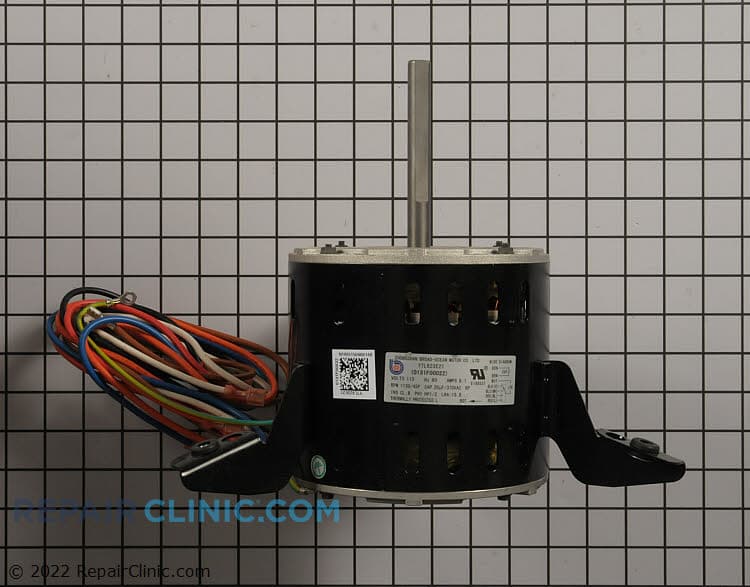
1/2HP 115Volts 60Hz 7 amp 1130 RPM's 4 Speed Open Enclosure Single Phase CCW 4" Shaft
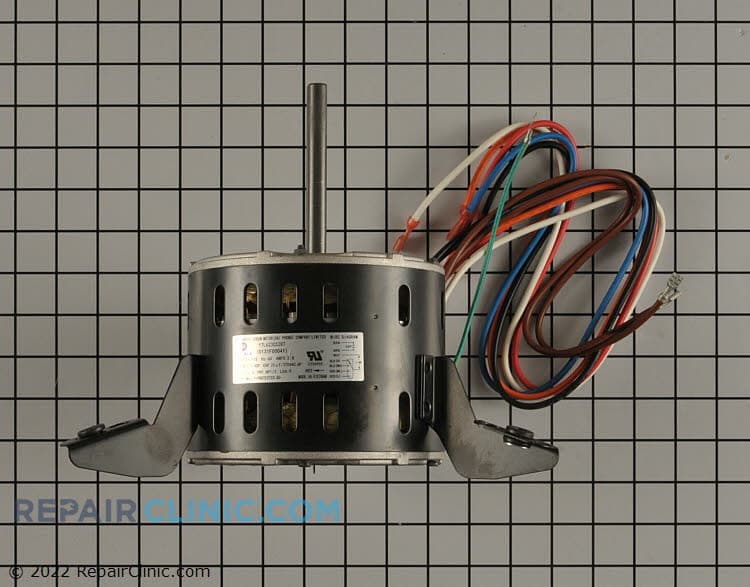
Motor, 1/3HP, 4 speed
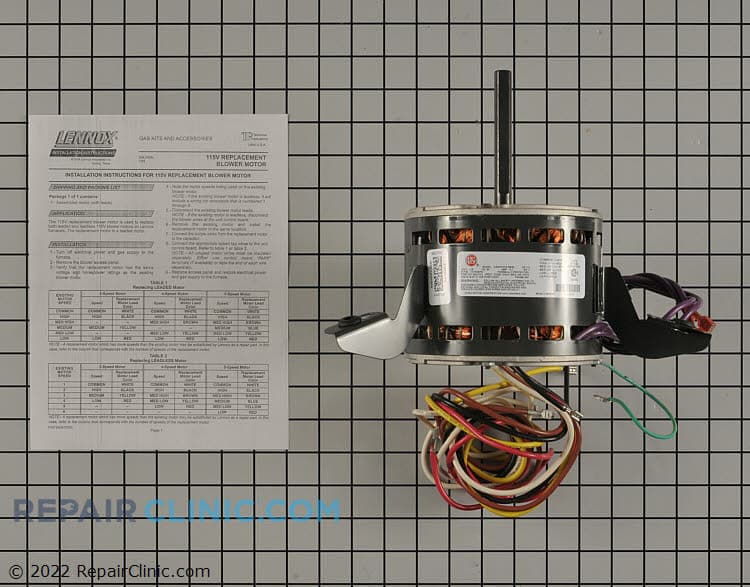
Furnace blower motor. This single-phase motor has the following specifications:
Horsepower: 1/3
Voltage: 115
Full-Load Amperage: 5.1
Hertz: 60
RPM: 1075
Speeds: 4
Rotation: Counterclockwise
Frame: 48
Enclosure: Open
Shaft Length: 4.25”
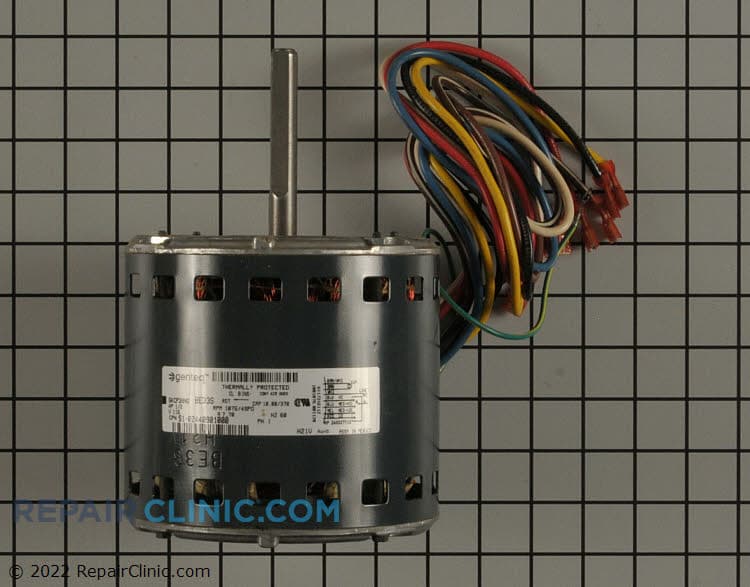
Furnace blower motor. This single-phase motor has the following specifications:
Horsepower: 1/2
Voltage: 115
Full-Load Amperage: 7.7
Hertz: 60
RPM: 1175
Speeds: 4
Rotation: Counterclockwise
Frame: 48
Enclosure: Open
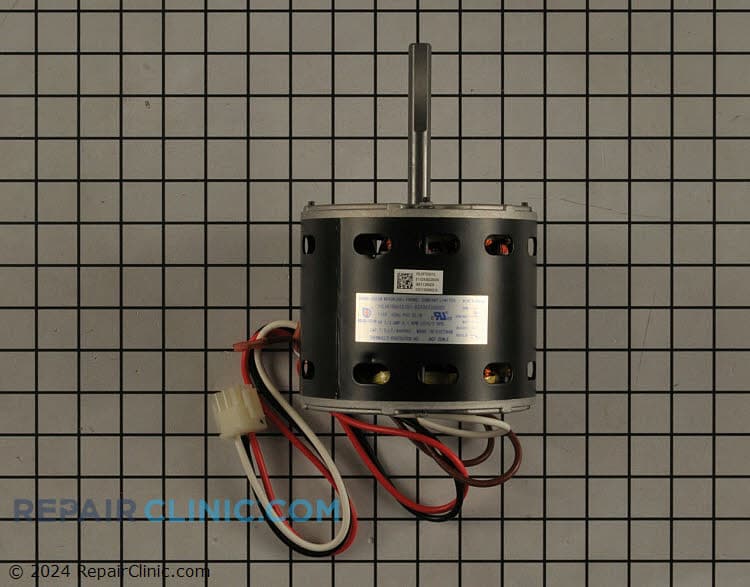
Blower motor, 1/3 HP, 115 volts, 60 hertz, 5.6 amps, 1075 RPM, 2 speed
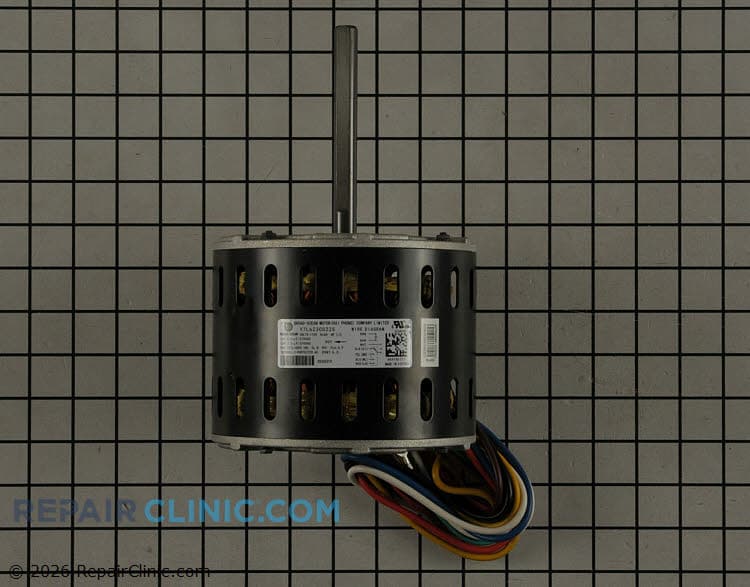
Furnace blower motor. This single-phase motor has the following specifications:
Horsepower: 1/3
Voltage: 115
Full-Load Amperage: 5.2
Hertz: 60
RPM: 1075
Speeds: 4
Rotation: Counterclockwise
Frame: 48
Enclosure: Open
Shaft Length: 3.9”
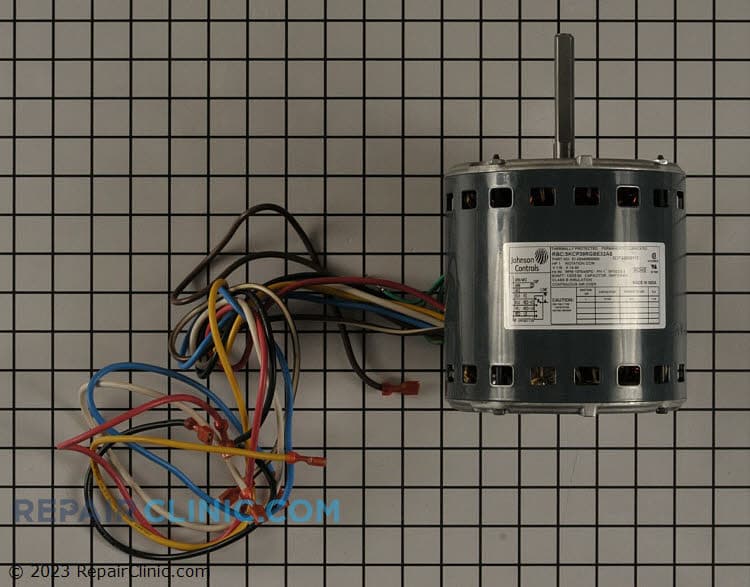
Furnace blower motor. This single-phase motor has the following specifications:
Horsepower: 1
Voltage: 115
Full-Load Amperage: 14.4
Hertz: 60
RPM: 1075
Speeds: 4
Rotation: Counterclockwise
Frame: 48
Enclosure: Open
Shaft Length: 3"
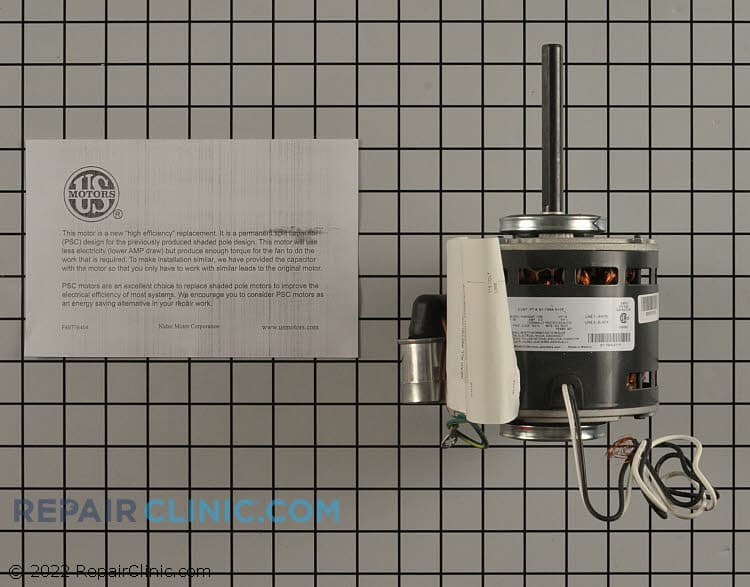
Furnace blower motor. This single-phase motor has the following specifications:
Horsepower: 1/6
Voltage: 115
Rated Amps: 3
Hertz: 60
RPM: 1050
Speeds: 1
Rotation: CCW
Frame: 42
Enclosure: Open
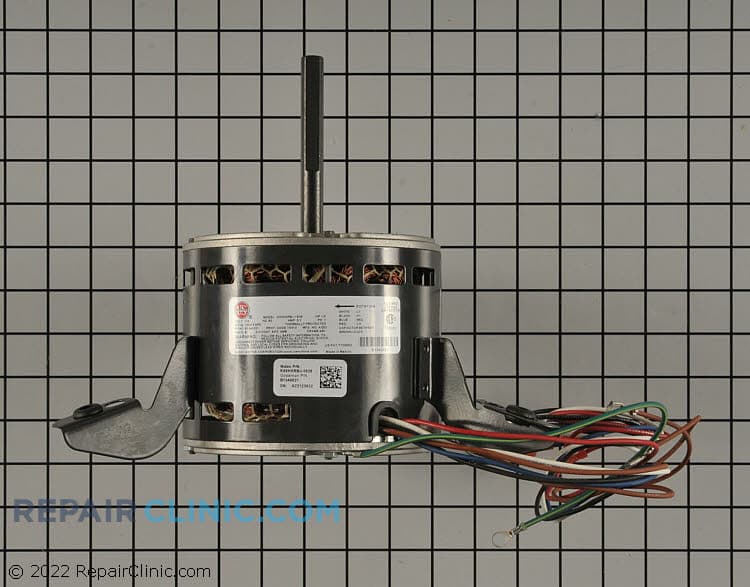
Blower, Motor - 1/3HP 115 Volts 60 Hz 5.1 amp 1050 RPM's 3 Speed Open Enclosure Single Phase CCW 3.5" Shaft
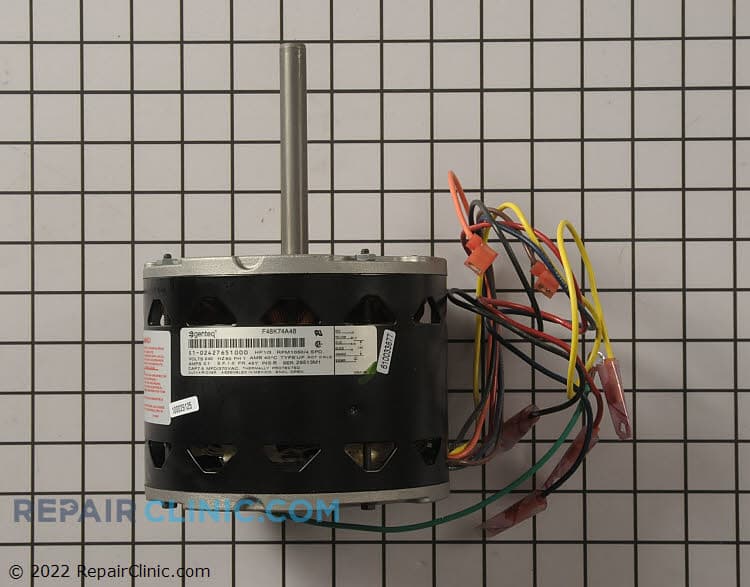
Blower Motor, 1/3HP 240Volts 60Hz 3.1 amp 1050 RPM's 4 Speed Open Enclosure 48Y Frame Single Phase CW 4" Shaft
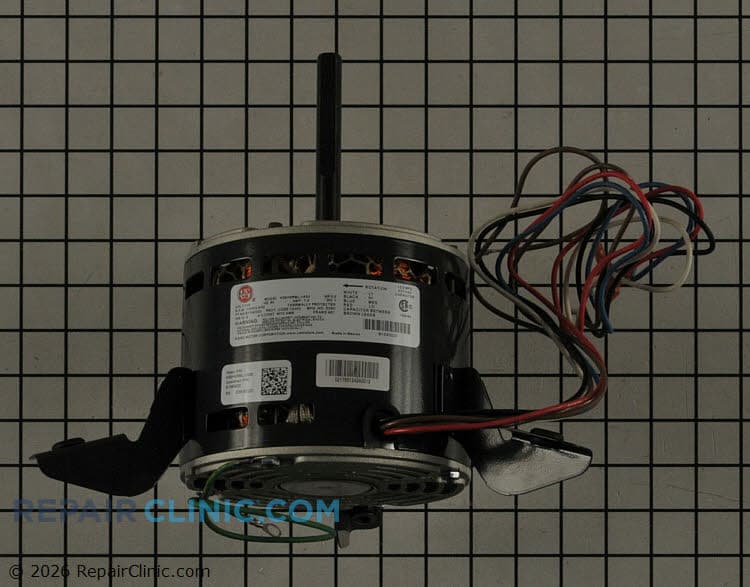
Direct drive motor, 1/2HP, 115 Volts, 60 Hertz, 7 amps, 1075 RPM's, 3 Speed, Open Enclosure, 48Y Frame, Single Phase, CCW, 4" Shaft
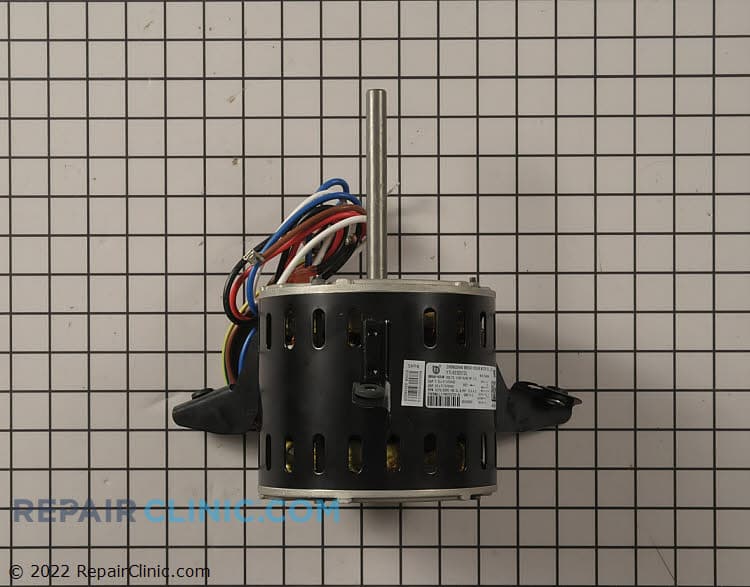
Blower Motor - 1/3HP 115Volts 60Hz 4.8 amp 1075 RPM's 3 Speed Open Enclosure 48Y Frame Single Phase CCW 4.73" Shaft
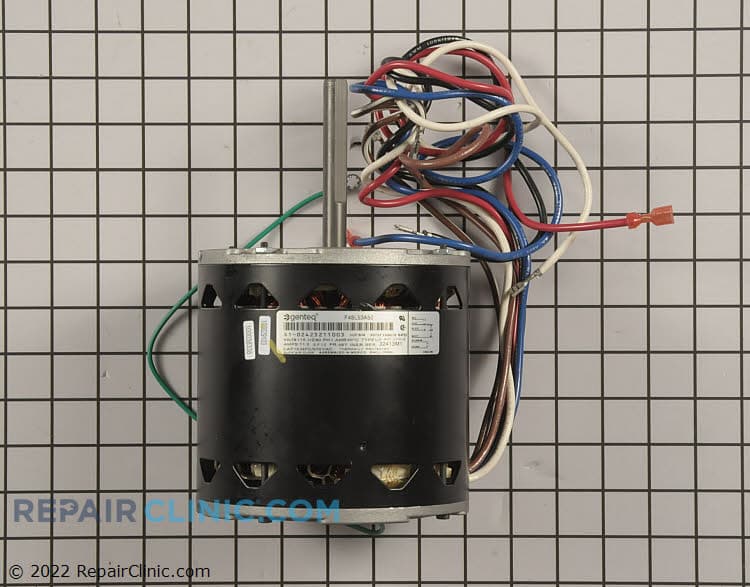
3/4HP 115Volts 60Hz 11 amp 1060 RPM's 3 Speed Open Enclosure 48Y Frame Single Phase CCW 3.5" Shaft
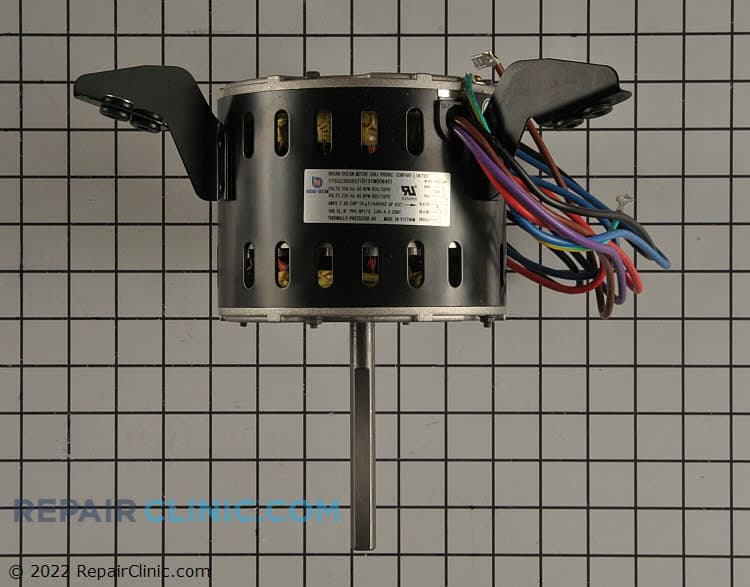
Blower motor, 1/3 hp, 3 speed, 6pl
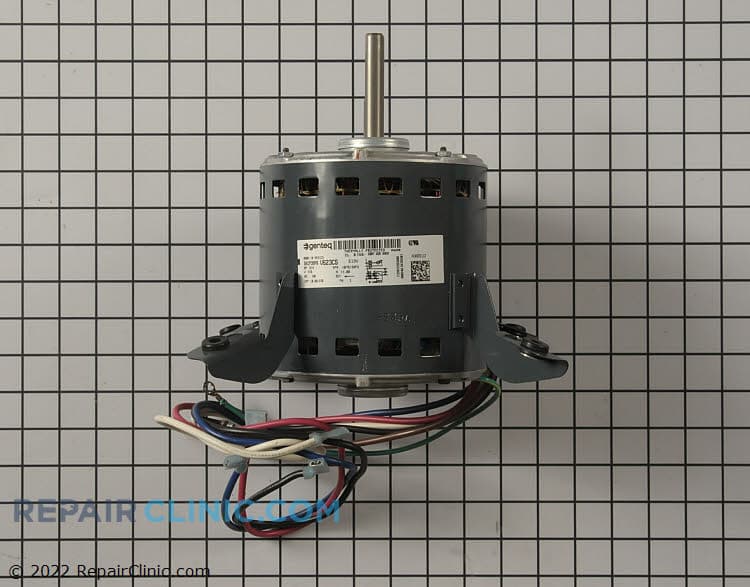
Furnace blower motor:
Horsepower: 3/4
Voltage: 115
Full-Load Amperage: 11
Hertz: 60
RPM: 1075
Speeds: 3
Rotation: Counterclockwise
Frame: 48
Enclosure: Open
Shaft Length: 4"


Furnace Blower Motor Problems and Solutions
Your furnace blower motor is the heart of warm air distribution — when it fails, you get a running furnace with no heat reaching your rooms. A weak or dead blower motor shows up as poor airflow, loud grinding noises, or complete silence when the furnace cycles on. The good news: blower motor repair is straightforward, and OEM replacement motors from Repair Clinic are help ensure to match your furnace's airflow and voltage specifications.
Blower motor failures often start with the capacitor — the run capacitor that helps the motor start and run. Before ordering a motor, test the capacitor first. If the capacitor is bad, replacing it alone will save you money and solve the problem 70% of the time.
- Motor runs but airflow is weak: Check for clogged furnace filter and clean blower wheel. If clean, the capacitor may be failing.
- Motor hums but doesn't spin: Stuck motor or failed capacitor. Free the wheel (it's stuck on the shaft), or replace the run capacitor first.
- Loud grinding or squealing: Bearing wear in the motor. Time for a new OEM blower motor assembly.
- Motor doesn't run at all: No power to the motor (check 24V transformer), bad capacitor, or failed motor winding. Test capacitor with a multimeter before replacing the motor.
- Furnace cycles on but no air blows: Blower motor is the culprit. Enter your furnace model number to find the exact replacement motor for, or any brand.
Furnace Blower Motor FAQs
What's the difference between a furnace blower motor and an inducer motor?
The blower motor pushes warm air from the furnace into your home — it runs during the heating cycle and afterward to clear remaining heat. The inducer motor (draft inducer) runs first to create negative pressure in the furnace, remove combustion gases, and verify safe draft before the igniter fires. Both are separate motors with different speeds, voltages, and mounting positions. Use your model number to order the correct one.
Can I replace a furnace blower motor myself?
Yes — blower motors are bolted to the furnace housing with simple fasteners, and electrical connections are straightforward. Most homeowners can swap one in 30 minutes with basic tools. Always turn off power to the furnace before disconnecting the motor. If you're uncomfortable working with electrical parts, a technician can install it in under an hour.
Why is my furnace blower motor so loud?
A noisy blower motor usually means bearing wear — the rotor is grinding against the housing. Replace the motor. Less common causes: a loose motor mount (tighten bolts), debris in the blower wheel (clean it), or a failed capacitor causing the motor to strain. If tightening and cleaning don't help, the motor is worn and needs replacement.
How do I find my furnace blower motor model number?
The blower motor has a label affixed to its metal housing — it includes the motor brand (, ), horsepower, voltage, and model/part number. Write down the entire label information. If the label is worn, note your furnace brand and model number (on the furnace nameplate), and use Repair Clinic's model lookup tool to find the correct replacement motor. Many furnaces use the same motor across multiple model years.
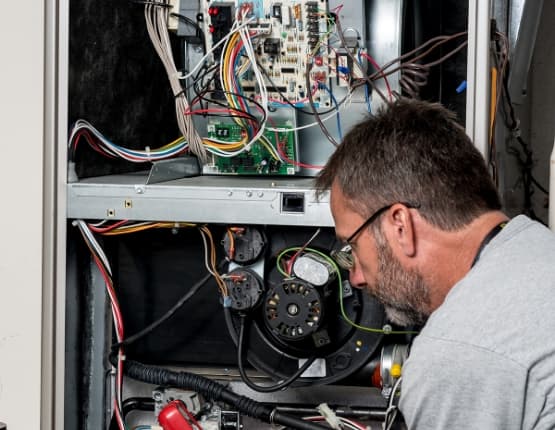
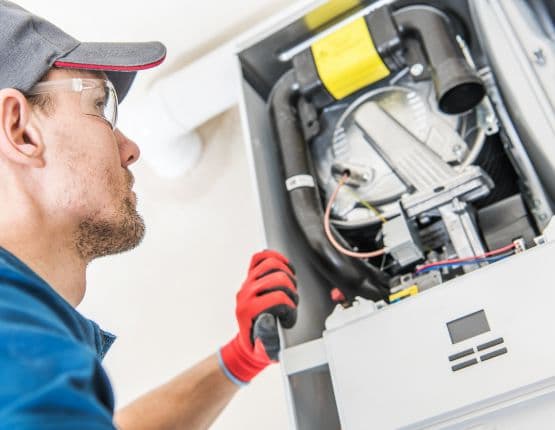
Order Furnace Blower Motor Replacement Online
Ensure your furnace operates smoothly with a replacement blower motor from Repair Clinic. As a leading retailer of genuine OEM parts, we offer a full range of blower motors compatible with top furnace brands. Easily find the exact part you need by using our convenient model number or part number lookup. Our price match guarantee and no-hassle 365-day returns provide peace of mind as you shop. Whether you're a DIY enthusiast or a professional technician, our extensive repair help section offers step-by-step guidance to install your new blower motor with confidence. Browse other essential furnace parts and related categories like furnace motor parts to complete your repair today. Trust Repair Clinic to save time and money on your furnace maintenance and repair needs.
Filter Furnace Parts by Your Model Number
Check the blower compartment door, inside the front access panel, or near the gas valve for your furnace's model number label. It may also list the serial number, electrical ratings, and manufacturer, so copy the complete model number carefully and leave out the serial number. Type it into our model number lookup and the catalog narrows to parts made for your unit, including the blower motor and every other associated furnace part. Matching by the furnace model is more reliable than comparing a motor's appearance or specifications alone, since similar units can use different parts. A few seconds spent finding the label helps you pull up the right parts quickly and avoid ordering a part that does not fit.

Diagnose and Repair Your Furnace Online
Repair Clinic's online resources are built to help you get your Furnace back in service without unnecessary trial and error. Start with the diagnostic article for your symptom, watch a repair video that shows the parts and tools involved, then follow the step-by-step written guide as you work. Part testing walkthroughs confirm the failed component, and the model number lookup confirms the exact OEM part before you order.
Related Furnace Repair Help Articles
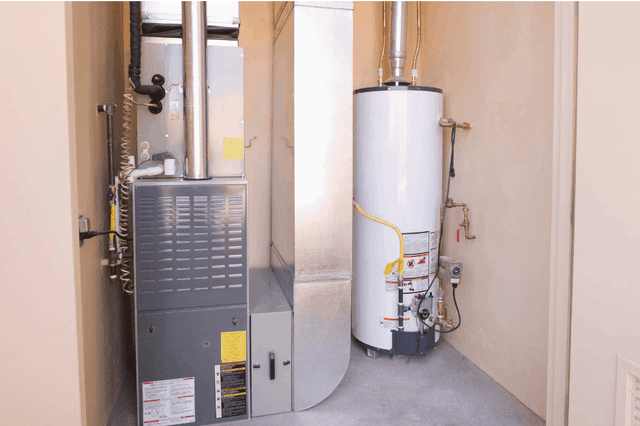
Top Reasons Furnace is Not Igniting
A furnace that fails to ignite can leave your home in the cold. Common issues include a faulty igniter, malfunctioning flame sensor, or a defective draft inducer fan motor. Replacing furnace filters and cleaning furnace parts can help prevent these problems.
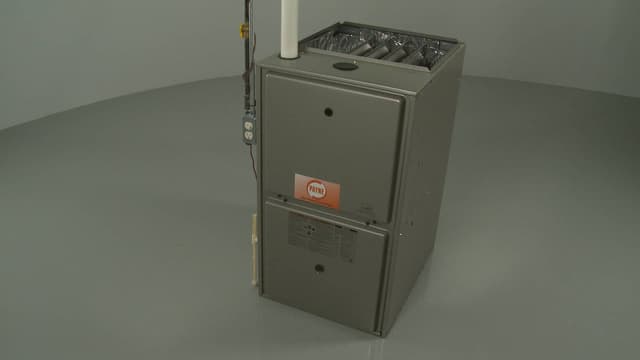
Why is My Furnace Not Working?
Learn why your furnace isn't working by understanding its ignition sequence and identifying common faulty parts like the igniter, flame sensor, or control board. This article provides practical repair tips and insights into each part's role in the heating process.
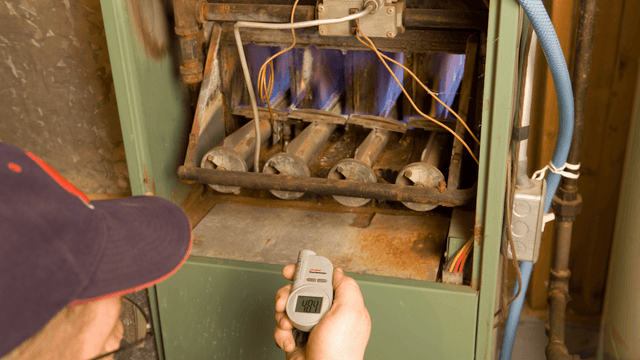
5 Causes of a Furnace Starting Then Stopping
A gas furnace that starts and then stops unexpectedly can be frustrating, especially during cold weather. This article explains five common causes, including issues with the flame sensor, pressure switch, control board, draft inducer fan motor, or air flow. Learn how each cause may impact your furnace's operation and get tips to resolve the problem.




Family-owned and operated since 1912, Burke America Parts Group is the longest-running genuine appliance, HVAC, and outdoor power equipment parts solution in North America. At Repair Clinic, we're proud to be an international brand trusted by the pros as well as the DIY community.
About Repair Clinic