


 Price Match Guarantee
Trane Furnace Blower Motor Replacement
Find the right part faster
Multiple models matched. Select your model to confirm fit.


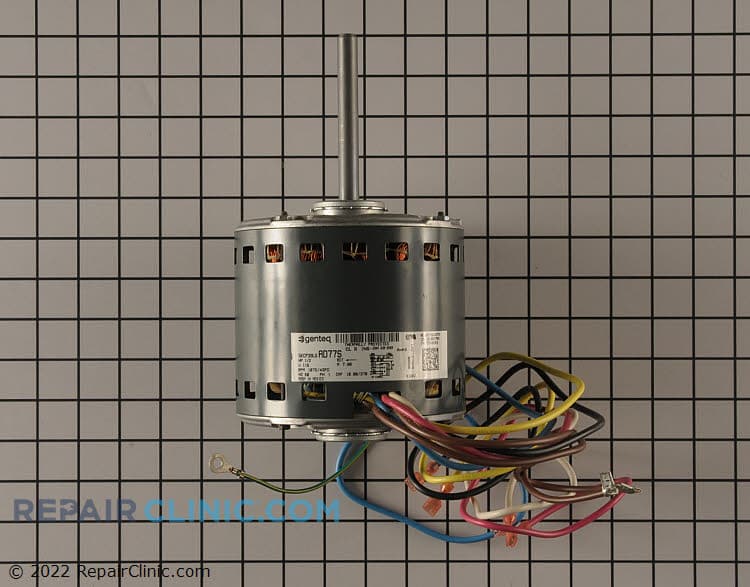
Blower Motor, 1/2 HP 115 Volts 48 Frame 1075 RPM 4 Speed. Requires 20 MFD Capacitor


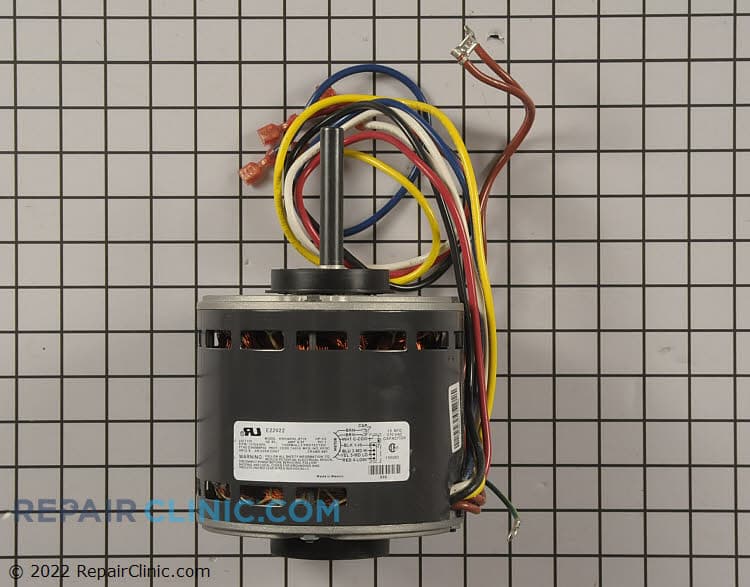
1/2HP 115Volts 60Hz 9.35 amp 1075 RPM's 4 Speed Open Enclosure 48Y Frame Single Phase CCW 3" Shaft
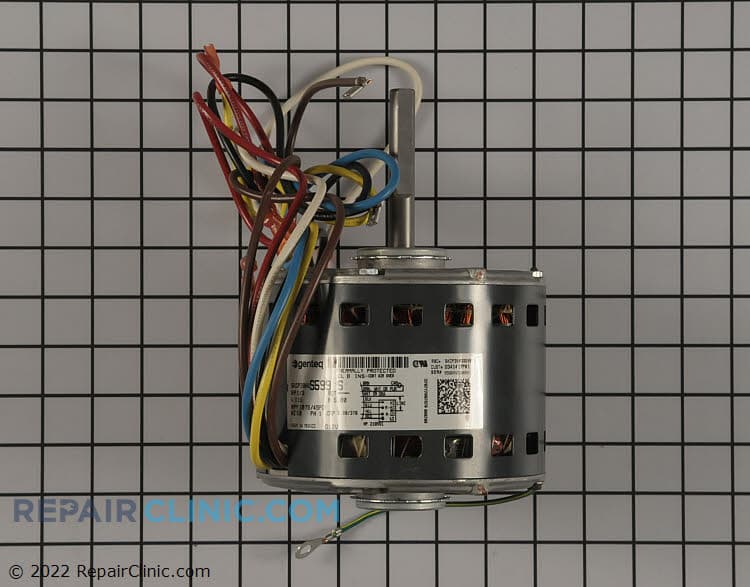
MOTOR; 1/3 HP, 115/60/1 1075 RPM, 48 FRAME, PSC

Blower; complete asm.

Blower motor
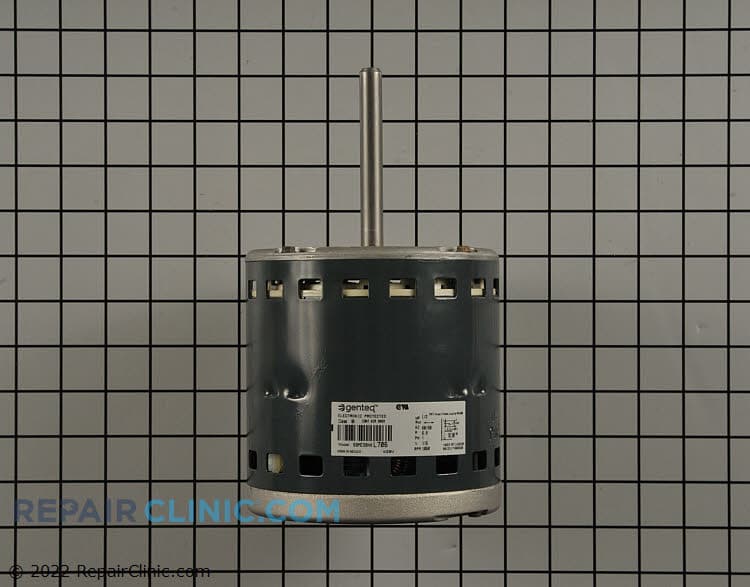
Mtr constant torq 1/2 hp 115/60/1
Motor; constant torque, 3/4 hp, 115
Motor; ctm - 1/2 hp, programmed
Motor; constant torque, programmed, 1 hp, 120/50-60
Motor; constant torque, programmed, 3/4 hp, 120/50-
Motor; ctm - 1/3 hp, programmed
Motor; ctm - 3/4 hp, programmed
Motor; constant torque, programmed, 1/3 hp, 120/50-
Motor; 3/4 hp, 115 v, 48 frame, 1100 rpm / 4 speed
1hp vs mtr prog eon assy 1800 rpm


Trane Furnace Blower Motor Parts
The blower motor is what pushes warm air through your ducts and into every room. When it fails, you get a furnace that heats but doesn't distribute — or one that runs constantly trying to reach setpoint. Trane blower motors are built to last, but bearings wear and capacitors fail. We carry OEM Trane replacement blower motors, capacitors, and motor mounting hardware.
Most blower failures start with the run capacitor — a $15 to $40 part that's worth trying before you condemn the motor itself. If the motor hums but won't spin, or runs hot and slow, the capacitor is your first call. If you need a Trane furnace capacitor, verify the µF rating on your old one and match it exactly.
- Motor hums but won't spin: Run capacitor failed; test continuity or replace
- Motor runs slowly or weak airflow: Capacitor weakened or bearing wear; capacitor is the quicker fix
- Motor runs hot or shuts off on overload: Bearing friction or electrical overload; capacitor often resolves this
- No airflow and furnace cycles on limit switch: Blower motor completely failed; OEM replacement needed
- Loud grinding or squealing during operation: Bearing failure or pulley misalignment; motor assembly replacement
Find a Replacement Trane Furnace Blower Motor Online by Model or Part Number
Trane Furnace Blower Motor FAQs
How do I know if my Trane blower motor is failing?
A failing blower motor shows itself through weak airflow, unusual noise during the heating cycle, or a furnace that heats but doesn't distribute air. You might also notice the furnace running longer than normal, cycling on the high-limit switch because heat isn't being moved fast enough. Before replacing the motor, always check the run capacitor — a bad capacitor mimics motor failure but costs a tenth of the price to fix.
Can I replace just the Trane blower capacitor instead of the whole motor?
Yes — and you should try it first. The run capacitor is the most common blower failure point. If the motor hums when you turn on the furnace but the fan blade won't spin, or if airflow is weak and the motor runs hot, the capacitor is likely the culprit. Match the µF rating exactly (usually 5 to 10 µF for furnace motors) and verify voltage. A new capacitor costs $15 to $40 and takes 10 minutes to swap. If the motor still won't spin after the capacitor is replaced, then the motor bearings have likely failed.
What size blower motor do I need for my Trane furnace?
Trane blower motors vary by furnace model and CFM requirement. Never guess — enter your Trane furnace model number in the Repair Clinic search to pull up the exact OEM motor assembly for your unit. Trane uses specific motor mounting flanges, HP ratings, and voltage configurations. An undersized motor will overheat and fail quickly. An oversized motor will overload the capacitor and control board. OEM fit is a primary safe choice.
Why is my Trane blower motor running constantly?
Constant blower operation usually means the furnace is struggling to reach setpoint because airflow is restricted or the motor is running inefficiently. Check your air filter first — a clogged filter forces the motor to work harder and can cause continuous run. If the filter is clean and the motor still won't shut off, the limit switch may be stuck, or the motor/capacitor is weak and the furnace keeps cycling to heat. Replace the run capacitor first; if that doesn't fix it, the motor assembly and limit switch both need diagnostic attention.
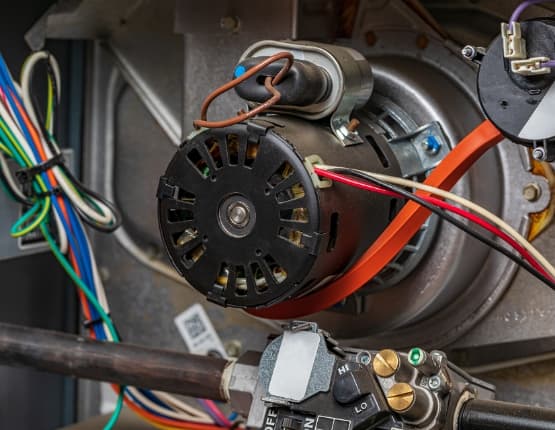
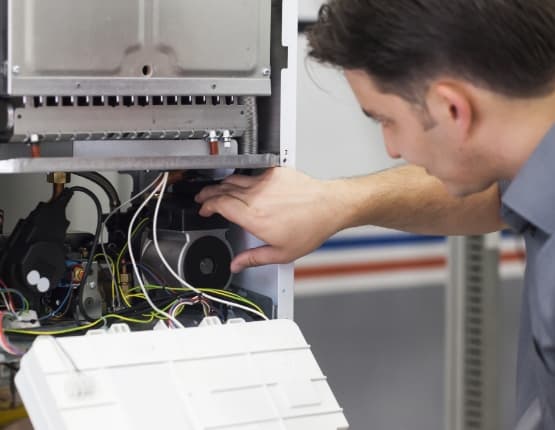
Order Trane Furnace Blower Motor Parts Online
Experience reliable online ordering for Trane furnace blower motor parts with Repair Clinic. We offer a No-Hassle 365-Day Returns policy, allowing you to return uninstalled parts within a year of purchase for any reason. Our Price Match Guarantee ensures you never overpay, as we'll match any competitor's price on genuine OEM replacement parts. Easily find the right blower motor by entering your model or part number on our website. With same-day shipping, your Trane furnace parts can be on their way to you promptly. Trust Repair Clinic for reliable furnace replacement parts, and For more information on replacement parts, visit our replacement parts page.
Trane Furnace Model Number: Where to Look
Trane typically places the furnace model number on the blower compartment door, inside the front access panel, or near the gas valve. Turn off power to the furnace, remove the appropriate panel, and look for a rating plate or printed label showing the model and serial numbers. Copy the model number exactly, including letters and numbers, since similar Trane furnaces can use different parts. Use it in the model number search to pull up the parts matched to your unit, not just blower parts but the full selection of associated furnace parts. That means fewer wrong orders and a faster repair.

Repair Resources for Trane Furnace Owners
Repair Clinic backs Trane Furnace owners with a full online repair library. Troubleshooting videos, common-symptom articles, part testing walkthroughs, exploded-view diagrams, and step-by-step installation guides cover the diagnostic and repair work for the most common problems. Confirm your part with the model number lookup, follow the video, and complete the repair the first time.
Related Furnace Repair Help Articles
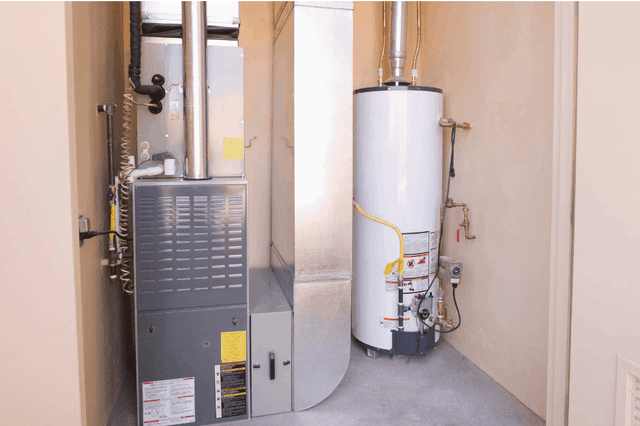
Top Reasons Furnace is Not Igniting
A furnace that fails to ignite can leave your home in the cold. Common issues include a faulty igniter, malfunctioning flame sensor, or a defective draft inducer fan motor. Replacing furnace filters and cleaning furnace parts can help prevent these problems.
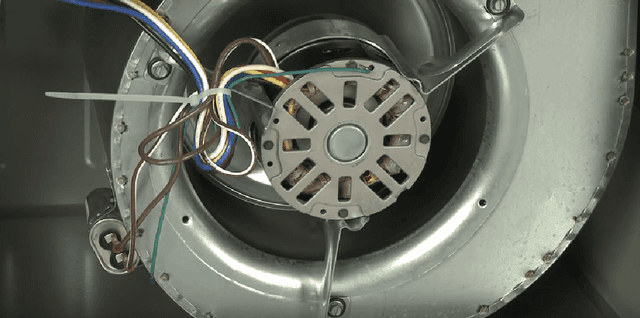
How to Replace a Furnace Blower Fan Motor
A malfunctioning furnace blower fan motor can disrupt your heating system, but replacing it doesn't have to be daunting. This article explains the blower motor's role in circulating air through your home and provides detailed, step-by-step guidance for safely removing and installing a new furnace blower fan motor.
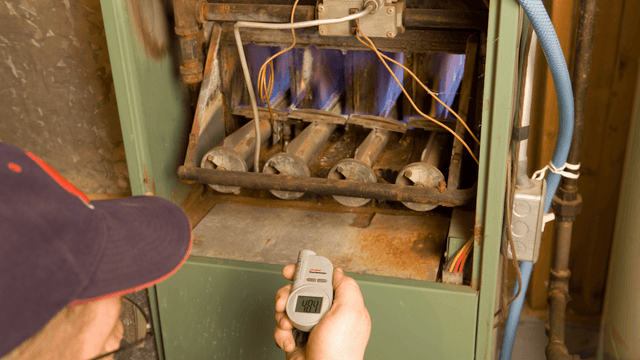
5 Causes of a Furnace Starting Then Stopping
A gas furnace that starts and then stops unexpectedly can be frustrating, especially during cold weather. This article explains five common causes, including issues with the flame sensor, pressure switch, control board, draft inducer fan motor, or air flow. Learn how each cause may impact your furnace's operation and get tips to resolve the problem.




Family-owned and operated since 1912, Burke America Parts Group is the longest-running genuine appliance, HVAC, and outdoor power equipment parts solution in North America. At Repair Clinic, we're proud to be an international brand trusted by the pros as well as the DIY community.
About Repair Clinic