


 Price Match Guarantee
GE Washing Machine Clutch Replacement
Find the right part faster
Multiple models matched. Select your model to confirm fit.




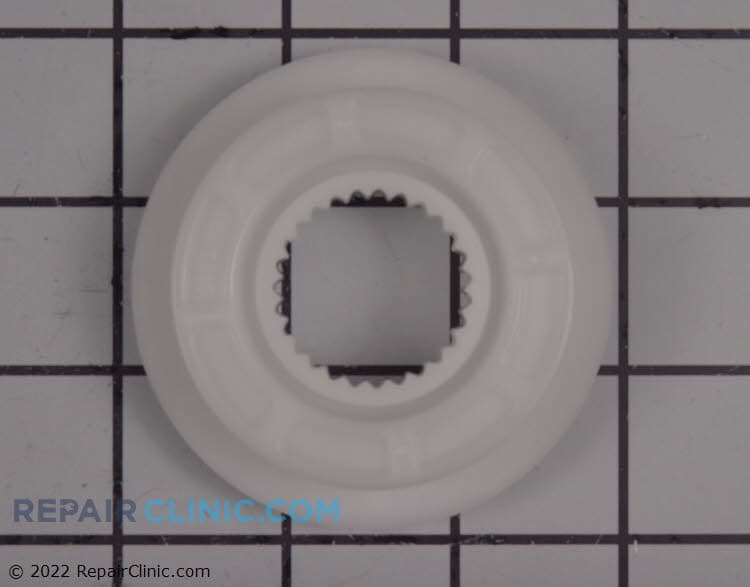
Clutch
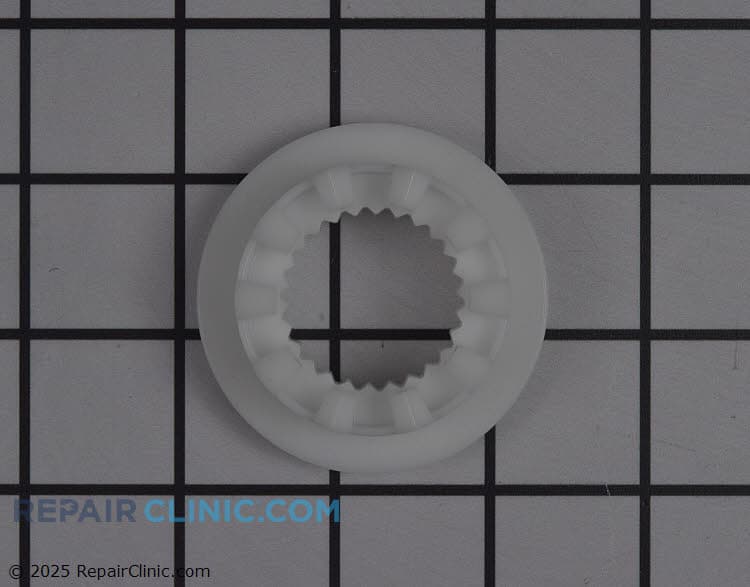
Clutch cam
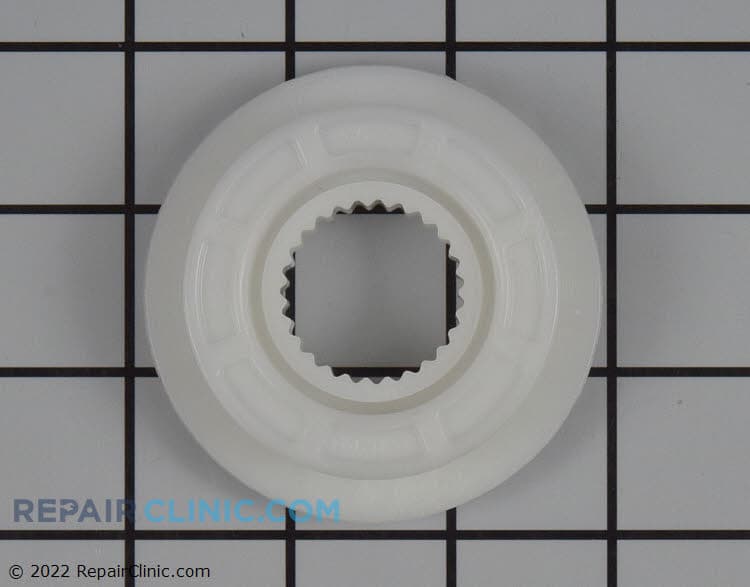
Clutch
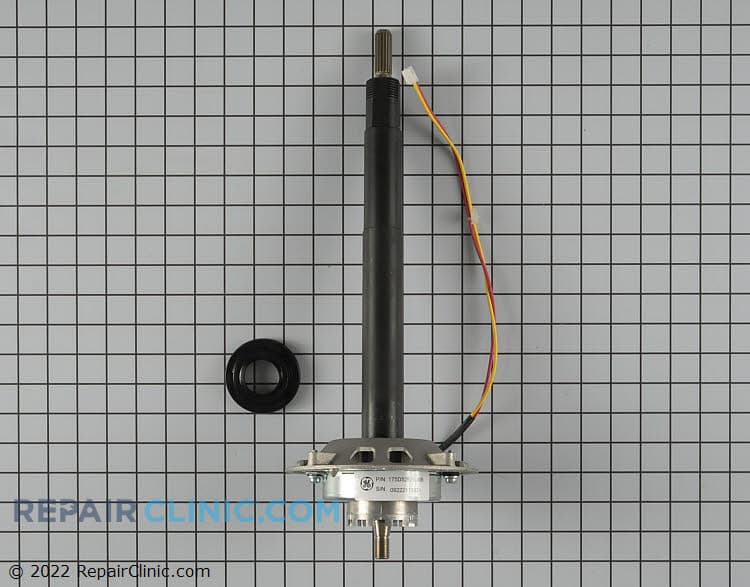
Shaft and mode shifter assembly. The new mode shifter mounting holes are not threaded. You will need to use the original self tapping screws to install the new mode shifter assembly.

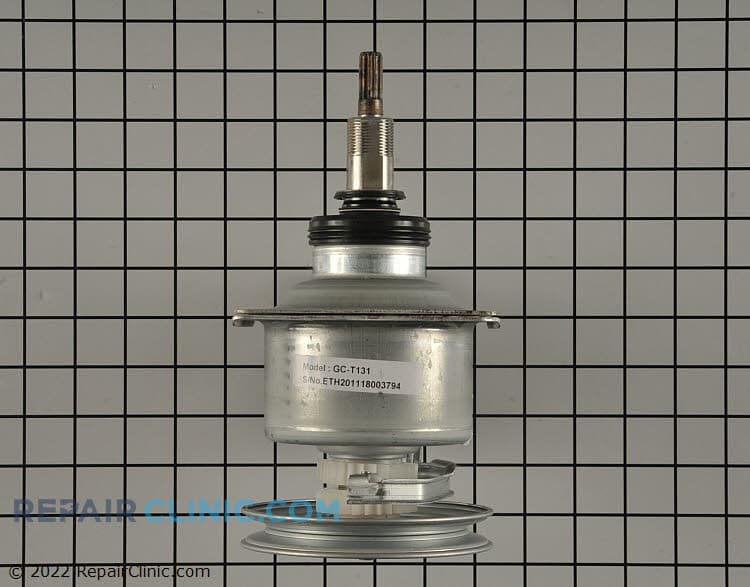
Clutch assembly


Factory-Certified GE Washing Machine Clutch Replacements
Ensure the optimal performance of your GE washing machine with genuine OEM clutch replacements available at Repair Clinic. Our replacement washing machine parts are designed to fit perfectly, helping support proper fit and performance. A malfunctioning clutch can lead to issues like the washer not spinning or agitating properly. By using our clutch parts, you can address these problems efficiently. Visit our replacement parts page to order replacement appliance parts online. Additionally, browse other essential GE washing machine parts to ensure comprehensive maintenance and repair of your appliance. Trust Repair Clinic to provide the parts you need, backed by our extensive inventory and expert repair resources.
Find a Replacement GE Washing Machine Clutch Online by Model or Part Number
FAQs about GE Washing Machine Clutch Replacement
If you're facing issues with your GE washing machine's clutch, you're in the right place. Below are some frequently asked questions and answers to help you troubleshoot and find the right replacement parts.
How do I know if the clutch in my GE washing machine needs replacement?
If your washer is not spinning or agitating properly, or if you hear loud noises during the spin cycle, the clutch may be worn out and need replacement.
Where can I find the model number for my GE washing machine?
The model number can often be found on the door frame, inside the lid, or on the back of the unit near the control panel.
How much does it cost to replace a washing machine clutch?
The cost of replacing a clutch in a GE washing machine can vary, but typically ranges from $50 to $150 for the part, plus additional labor costs if you hire a technician.
Can I replace the GE washer clutch myself?
Yes, if you have basic mechanical skills, you can follow a repair guide to replace the clutch yourself. Be sure to disconnect the power before starting any repairs.
What should I do if my washing machine is still not working after replacing the clutch?
Inspect other potential issues such as the drive belt, lid switch, or motor. If problems persist, consult with a professional technician.
Visit Appliance Replacement Parts for a wide selection of parts. For GE washing machine parts, browse our GE Washing Machine Parts page.
Order GE Washing Machine Clutch Replacement Parts Online
Ensure your GE washing machine's optimal performance with genuine OEM clutch replacement parts from Repair Clinic. A faulty clutch can disrupt the spin cycle, leaving clothes wet. Use our model number lookup tool to find the exact clutch part for your machine, and benefit from our same-day shipping, No-Hassle 365-Day Returns, and Price Match Guarantee. Find easy repair tips on our Washing Machine Repair Help page. For more options, browse related categories like GE Washing Machine Drum & Tub Parts for comprehensive maintenance solutions.
GE Washing Machine Model Number: Where to Look
GE places the model number on a label inside the door frame or lid of many washing machines. If it is not there, check the back panel near the control panel. Look for a combination of letters and numbers, and copy it exactly, including any final letters. Enter that number in the model number lookup to narrow the complete GE washing machine parts catalog to parts made for your specific unit, not just clutch parts. Matching the model before ordering helps account for design changes between similar GE washers, so you can identify compatible parts faster and avoid relying on appearance alone. That means fewer wrong orders and a faster repair.

Online Repair Library for GE Washing Machine
Repair Clinic's online repair library gives you the tools to diagnose and fix your GE Washing Machine without a service call. Common-symptom articles cover the most likely causes, part testing videos confirm the failed component, and step-by-step written guides walk you through the installation. Use the model number lookup to confirm the exact OEM part, and exploded-view diagrams and wiring illustrations support the more involved jobs.
Related Articles: Washing Machine Parts
What Causes A Washing Machine To Stop Working?
Learn common reasons your washing machine suddenly stops working, from power issues to faulty parts, and how to troubleshoot the problem effectively.

Why Won't My Washing Machine Start?
If your washing machine won't turn on, browse potential causes like door switch malfunctions, control board failures, or electrical issues, along with steps to fix them.
What Causes a Washing Machine To Not Spin or Drain?
Learn why your washer isn't spinning or draining properly, from clogged drain hoses to worn-out drive belts, and find solutions to restore its performance.




Family-owned and operated since 1912, Burke America Parts Group is the longest-running genuine appliance, HVAC, and outdoor power equipment parts solution in North America. At Repair Clinic, we're proud to be an international brand trusted by the pros as well as the DIY community.
About Repair Clinic