


 Price Match Guarantee
Dryer Duct & Venting Parts
Find the right part faster
Multiple models matched. Select your model to confirm fit.




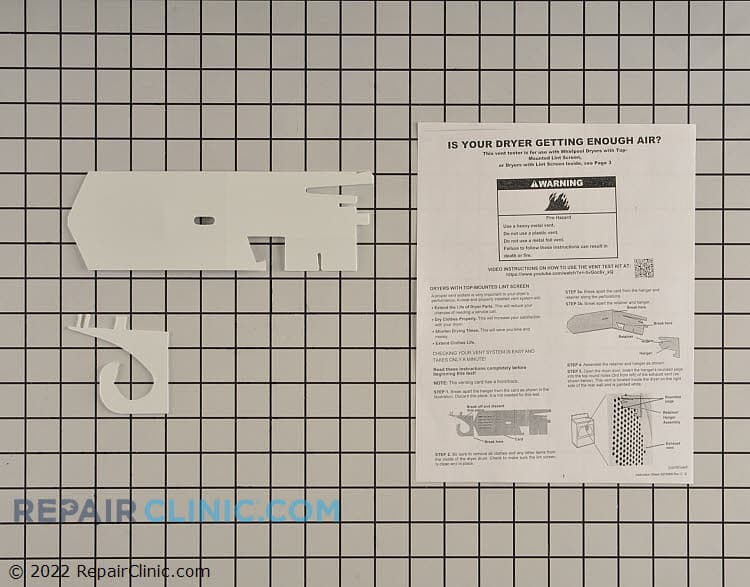
Dryer vent testing kit is for 29" dryers with a top mounted lint screen. Use the plastic card to hang inside your dryer drum, then run the unit three times empty. If the card stays in place, the venting and dryer need to be cleaned out. Complete instructions are included.
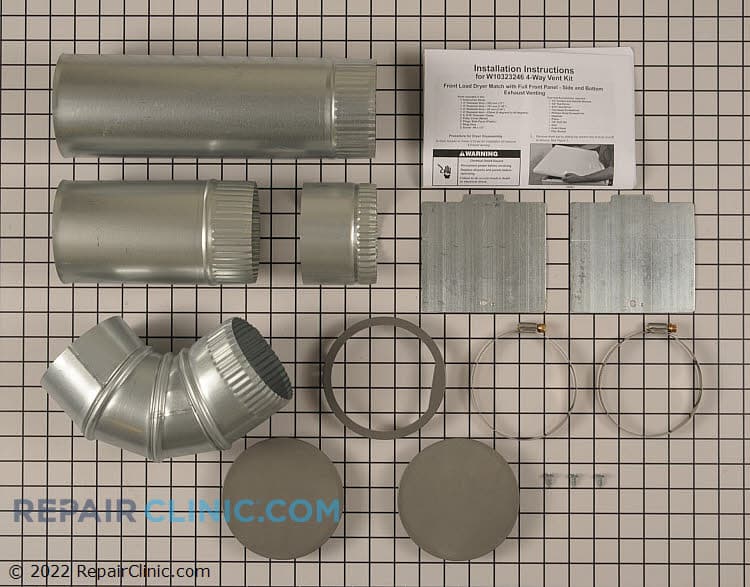
Four way dryer exhaust kit for side and bottom venting
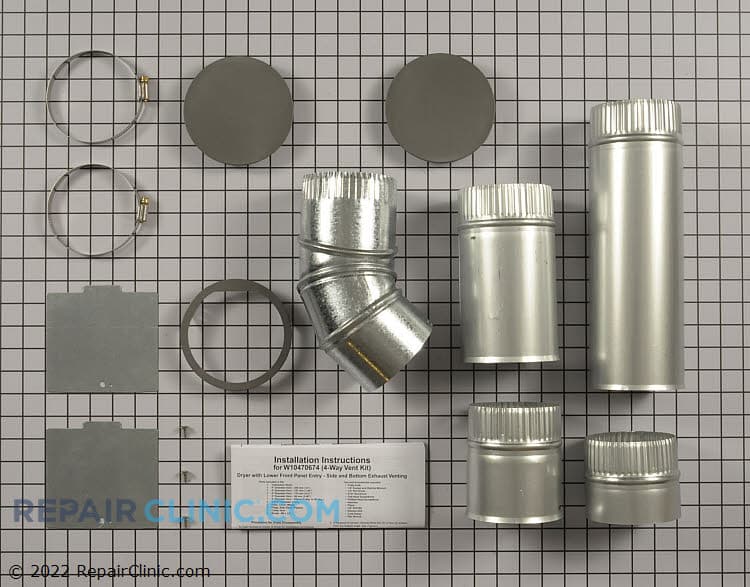
Side or bottom venting kit
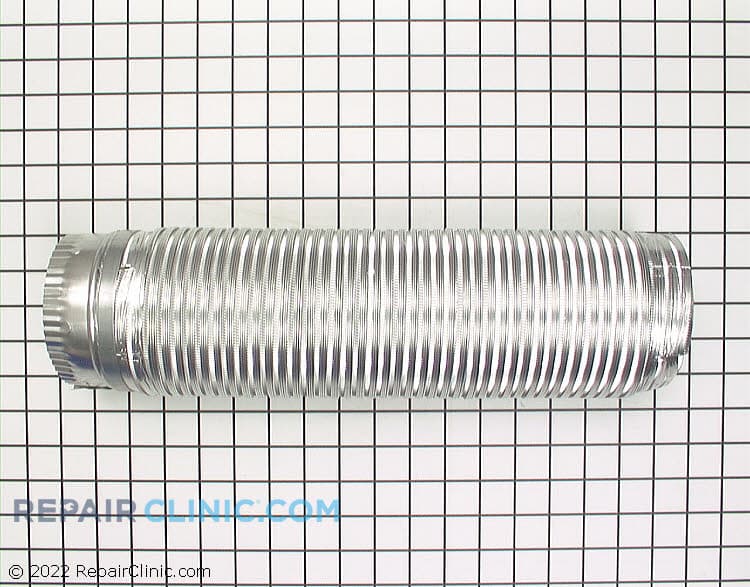
Universal Connect Flexable Vent. 4" diameter extends to five feet.
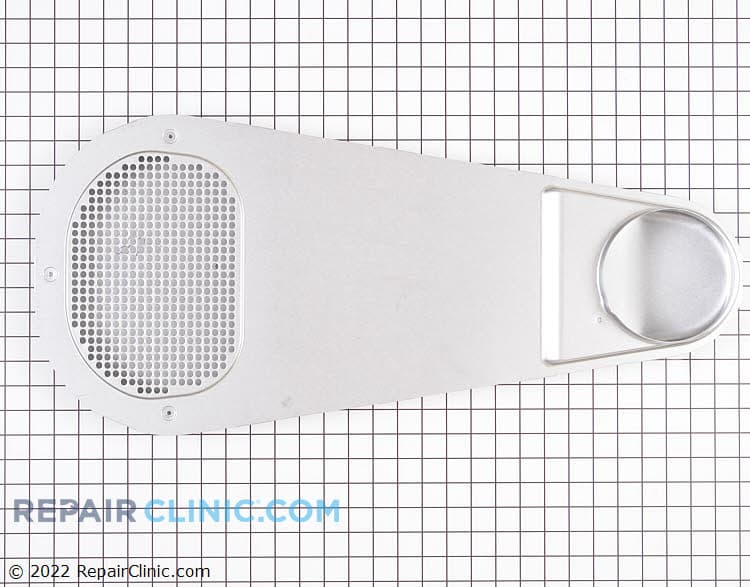
Rear heat duct
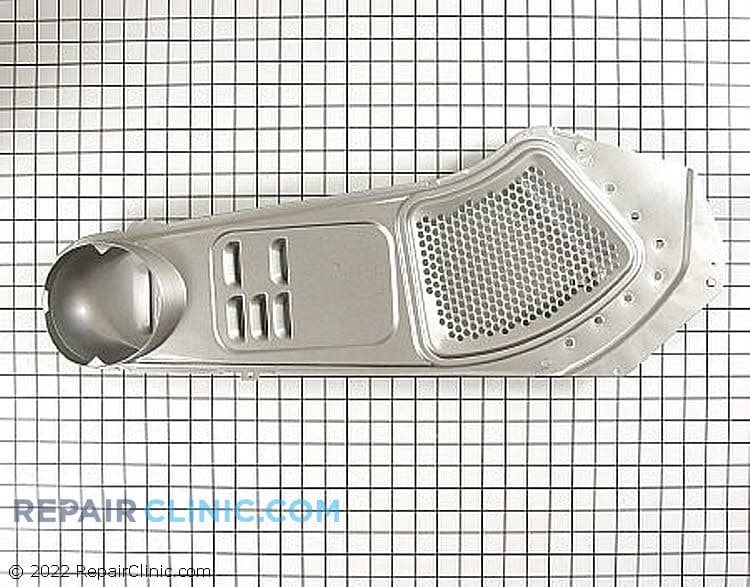
Duct assembly
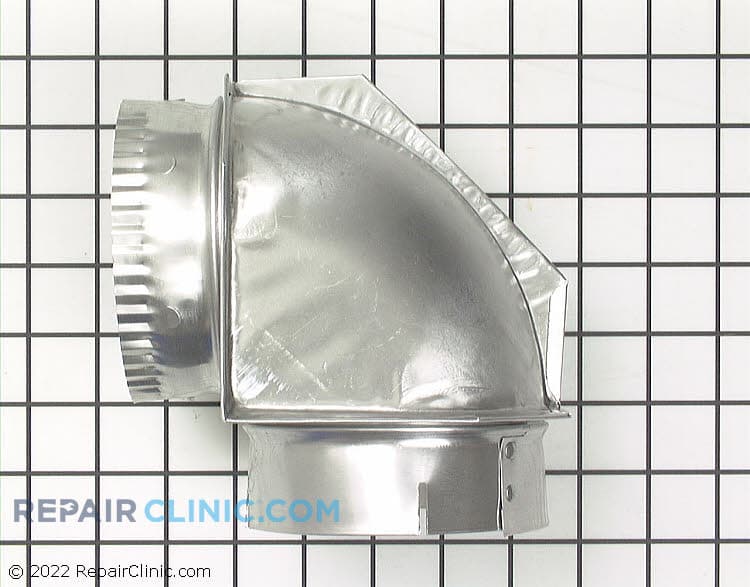
Vent elbow for tight locations, 4" diameter
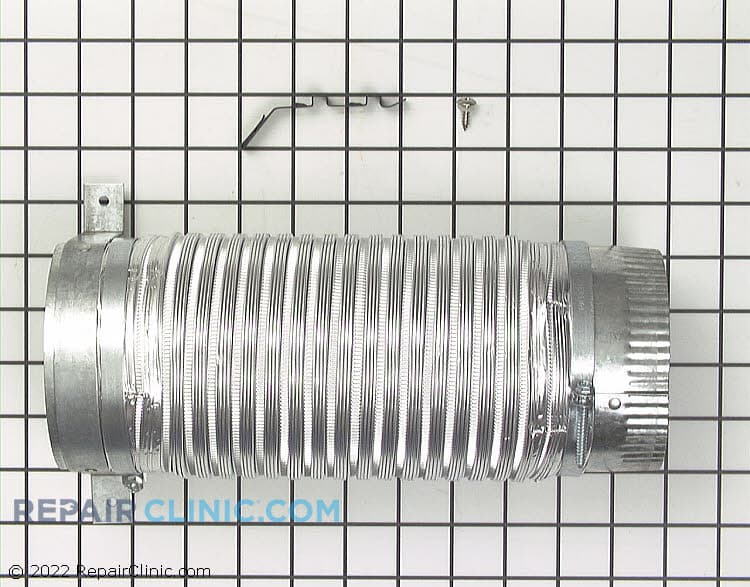
Side exhaust vent kit
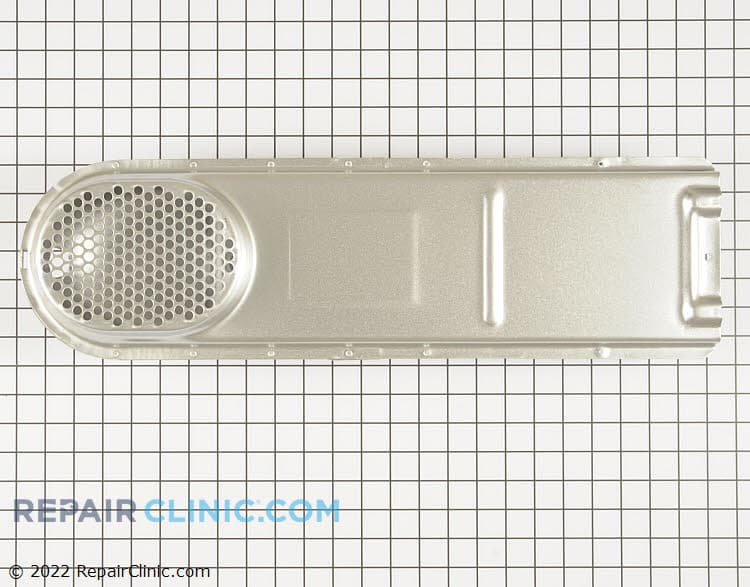
Heating element box
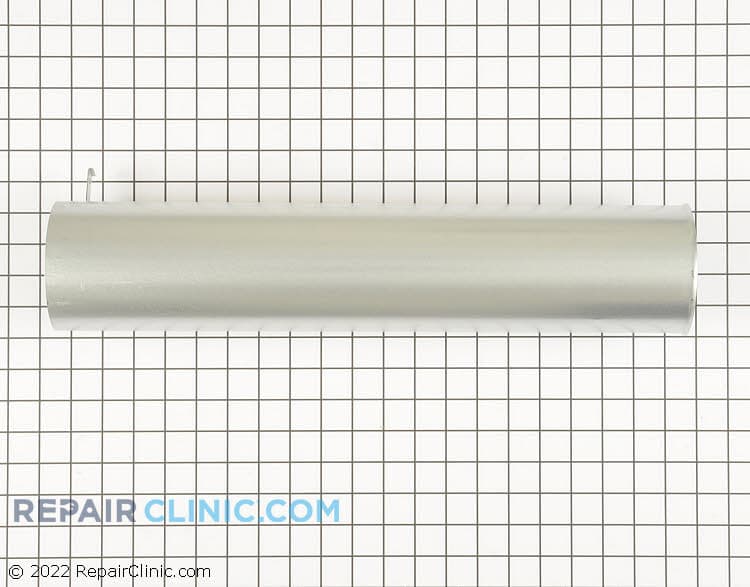
Dryer discharge duct assembly

Venting periscope from 0-18", 2 1/2" wall clearance
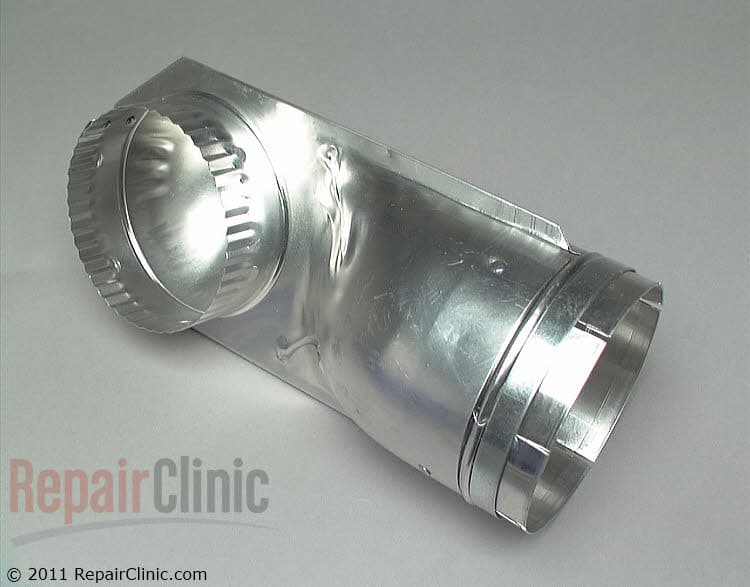
Vent elbow, 4" aluminum, thin profile with female inlet connection
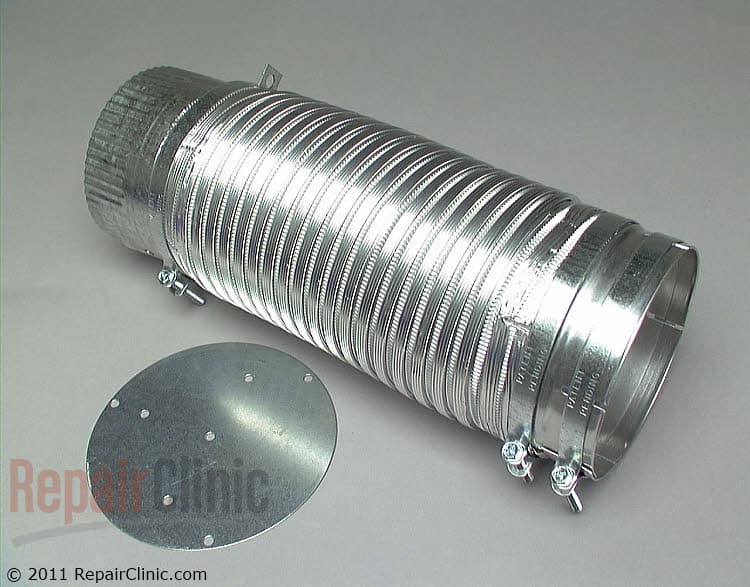
This is a Genuine Replacement Part ,The Model Number and Name for the Following Item: Whirlpool (WHIRA) 528P3 Side Venting Kit.
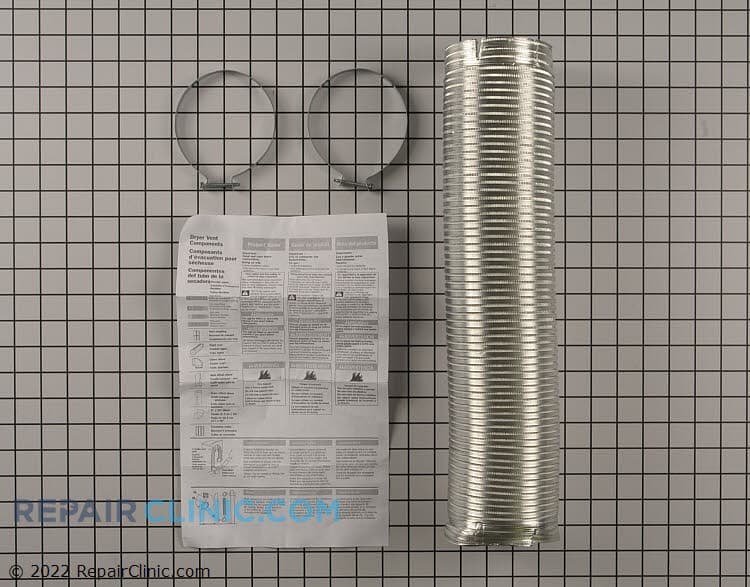
Universal Connect Flexable Vent. Extends to eight feet. 4" diameter.
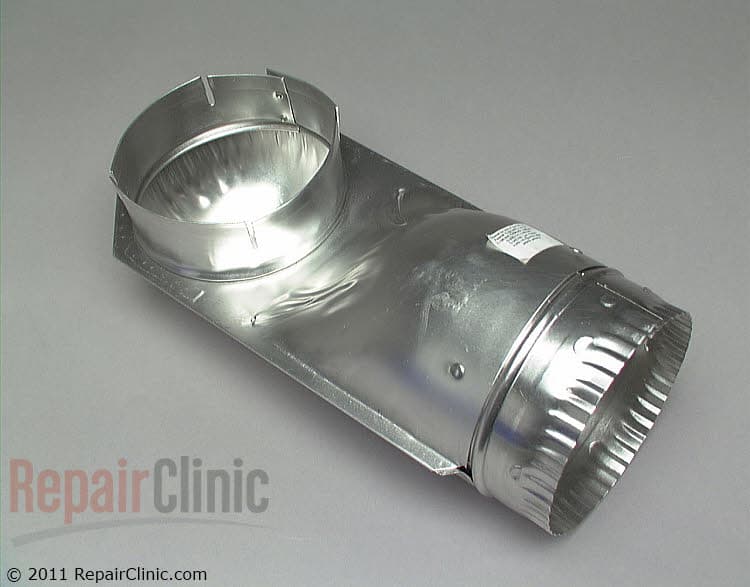
Vent elbow, 4" aluminum, thin profile with male inlet connection


Dryer Duct and Venting Parts
A clogged or damaged dryer vent is one of the most overlooked reasons for poor drying performance — and one of the easiest to fix. When lint builds up in the duct, your dryer works harder, heats longer, and your clothes stay damp. Over time, a restricted vent also increases fire risk. Whether you're dealing with a kinked vent hose, a blocked lint trap, or a damaged wall vent, we carry OEM-quality ducting, connectors, and venting hardware for every dryer brand.
Start by checking the vent path from your dryer to the outside wall. A simple visual inspection often reveals the problem — crushed hoses, disconnected ducts, or lint packed around the exterior vent. Many dryer repairs don't require a new thermal fuse or heating element; they just need fresh venting parts. Browse dryer venting parts by model to find the right hose diameter, connector type, and vent hood assembly for your dryer.
- Restricted airflow: lint clogging the duct hose or wall vent cap
- Kinked or crushed hose: damaged flexible vent hose reducing or blocking airflow
- Disconnected duct: loose connectors between dryer outlet and wall vent
- Inadequate drying: clothes still damp after a full cycle; often a venting issue, not a heating problem
- Excessive heat buildup: dryer running hot; restricted vent forces longer cycle times
Find Replacement Dryer Duct & Venting Parts Online by Model or Part Number
Popular Dryer Models
Related Dryer Duct & Venting Parts
- Dryer Duct Assembly Parts
- Dryer Exhaust Duct Parts
- Dryer Air Duct Parts
- Dryer Blower Housing Parts
- Dryer Side Venting Kit Parts
- Dryer Vent Connector Parts
- Dryer Vent Damper Parts
- Dryer Damper Parts
- Dryer Vent Parts
- Dryer Air Baffle Parts
- Dryer Diffuser Parts
- Dryer Hood Parts
- Dryer Telescoping Vent Kit Parts
- Dryer Duct Connector Parts
- Dryer Cover Parts
- Dryer Fan Shroud Parts
- Dryer Vent Baffle Parts
- Dryer Vent Testing Kit Parts
Dryer Duct and Venting Parts: Frequently Asked Questions
Why is my dryer not drying clothes even though it heats?
Poor drying with heat usually points to airflow, not heating. Check the lint trap first — a clogged trap blocks 80% of airflow immediately. Then inspect your dryer vent hose from the back of the unit to the outside wall. Look for kinks, crushing, or disconnections. Many dryers come with thin accordion-style ducts that crimp easily; a heavy-gauge flexible hose or rigid ducting is a better long-term choice. If the duct is clear and the lint trap is clean, the dryer's blower wheel or motor may be failing, but venting should always be your first check.
What size vent hose does my dryer use?
Most electric and gas dryers use either 4-inch or 3.25-inch flexible vent hose. Check your owner's manual or the dryer's back panel for the outlet diameter. Undersized hose (like 3-inch) creates unnecessary resistance and defeats the dryer's airflow design. OEM vent hoses are labeled with their diameter and sometimes the recommended maximum length (typically 25 feet for flexible hose, longer for rigid). When ordering, use your dryer model number to confirm the correct hose diameter and any connectors your setup requires.
How often should I clean or replace my dryer vent hose?
The lint trap should be cleaned after every load. The vent hose should be inspected monthly and cleaned thoroughly at least once a year — more often if you notice slower drying. Many people find their hose is completely packed with lint and replace it rather than clean it. Flexible accordion-style hoses trap lint in the ridges; smooth-wall or semi-rigid hoses are easier to clean. A damaged or crushed hose should be replaced immediately. If your hose is more than 5 to 7 years old and showing wear, it's a good time to upgrade to a better-quality, heavy-gauge replacement.
What is a dryer vent damper, and do I need one?
A damper (or flapper) is a one-way valve in your exterior vent hood that prevents cold air and pests from entering when the dryer is off. Most building codes require a damper on exterior dryer vents. If your vent hood doesn't have one, or if it's stuck open or broken, heat and air conditioning are escaping your home year-round. Damper flaps wear out over time — if you can push it open and it won't snap shut, replace the vent hood assembly. Many are inexpensive and easy to swap out, and the energy savings pay for itself quickly.
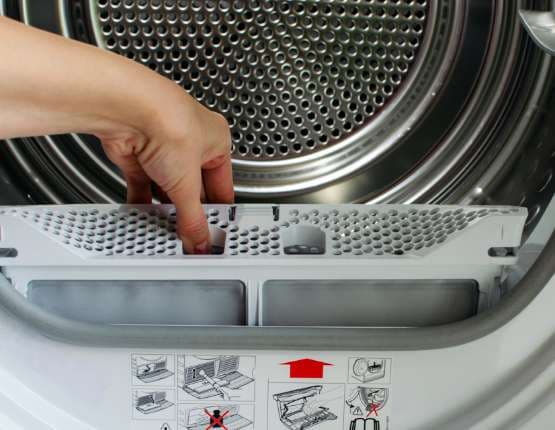
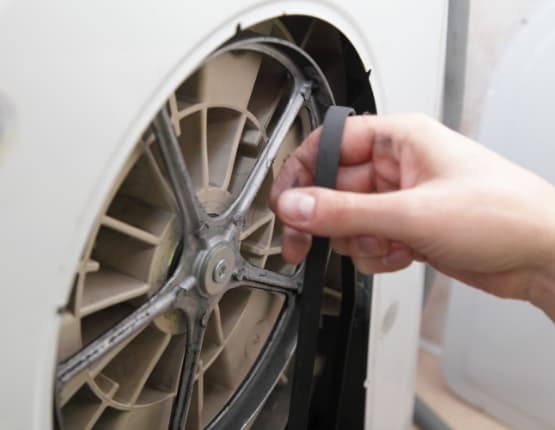
Shop Dryer Duct Venting Replacement Parts Online
Ensure your dryer's exhaust system is efficient with genuine OEM dryer duct venting parts from Repair Clinic. Proper venting prevents overheating and improves drying performance. Use our model number lookup to find the right duct vent for your dryer. Enjoy the convenience of same-day shipping, 365-day returns, and our Price Match Guarantee. For installation guidance, visit our Dryer Repair Help page. Find additional options like Dryer Duct Venting Parts for comprehensive support.
Filter Dryer Parts by Your Model Number
Before ordering, locate the model number for your dryer on the label inside the door opening, along the top edge of the tub opening, or on the back panel. Open the door and check the frame first, since the label is often easy to see there. The model number identifies the entire dryer, not just its duct or venting parts, so use the complete number exactly as it appears, including letters, numbers, and slashes. Type it into our model number lookup and the catalog narrows to parts made for your unit. This helps you quickly confirm compatibility across the full dryer parts selection and avoid sorting through models with different designs.

Online Repair Library for Dryer
Repair Clinic's online repair library gives you the tools to diagnose and fix your Dryer without a service call. Common-symptom articles cover the most likely causes, part testing videos confirm the failed component, and step-by-step written guides walk you through the installation. Use the model number lookup to confirm the exact OEM part, and exploded-view diagrams and wiring illustrations support the more involved jobs.
Related Articles: Dryer Vent & Duct Parts
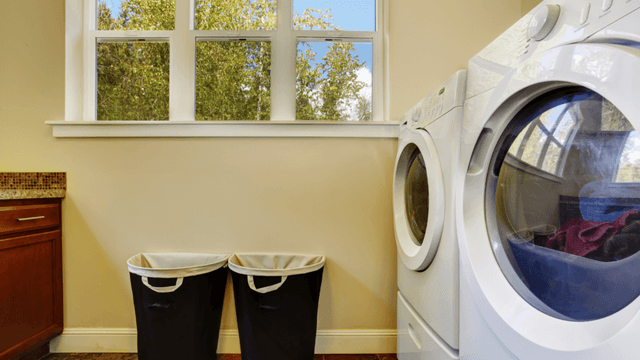
Why Would A Dryer Keep Shutting Off?
Is your dryer shutting off unexpectedly? Learn the common causes of airflow issues, faulty thermostats, heating element failure, and more'plus how to fix them with expert repair tips and OEM parts from Repair Clinic.
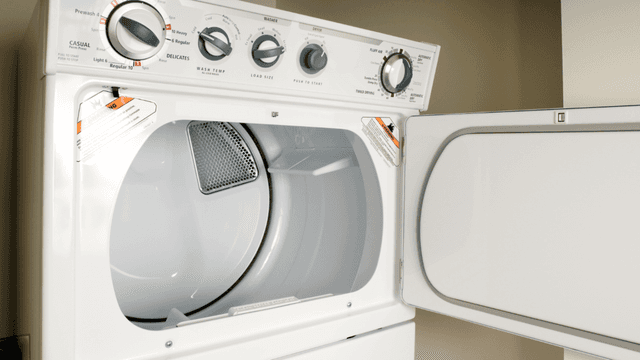
Dryer Won't Start? Let's Troubleshoot
Dryer won't start or turn on? Learn the common causes, from faulty start switches to blown thermal fuses, and find step-by-step troubleshooting tips. Get expert repair advice and genuine OEM parts from Repair Clinic.
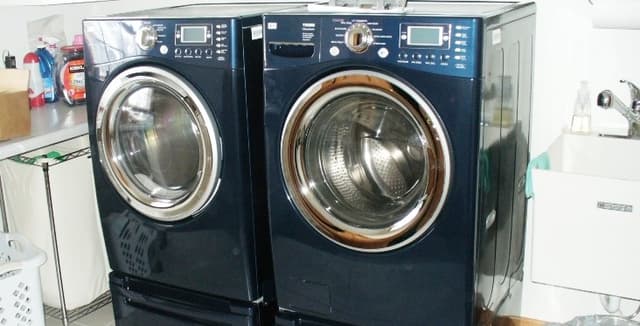
Top 5 Reasons a Dryer Drum Won't Spin
Dryer drum won't spin? Learn the top 5 reasons why, from a broken drive belt to worn rollers or a faulty motor. Get expert troubleshooting tips and shop genuine OEM dryer parts at Repair Clinic.




Family-owned and operated since 1912, Burke America Parts Group is the longest-running genuine appliance, HVAC, and outdoor power equipment parts solution in North America. At Repair Clinic, we're proud to be an international brand trusted by the pros as well as the DIY community.
About Repair Clinic