


 Price Match Guarantee
Furnace Flame Rollout Limit Switch Replacement
Find the right part faster
Multiple models matched. Select your model to confirm fit.





Flame rollout limit switch re-settable 350F

Flame rollout limit switch, re-settable. opens at 250f

Flame rollout switch 300F resetable

Flame rollout limit switch, push button to re-set

300f m/r rollout limit switch

Flame rollout switch. Push red button to reset. L310

Rollout switch

Limit switch, L350F manual reset

Flame rollout switch, L350F

Manual re-set rollout switch, 185deg

Limit switch, L300F
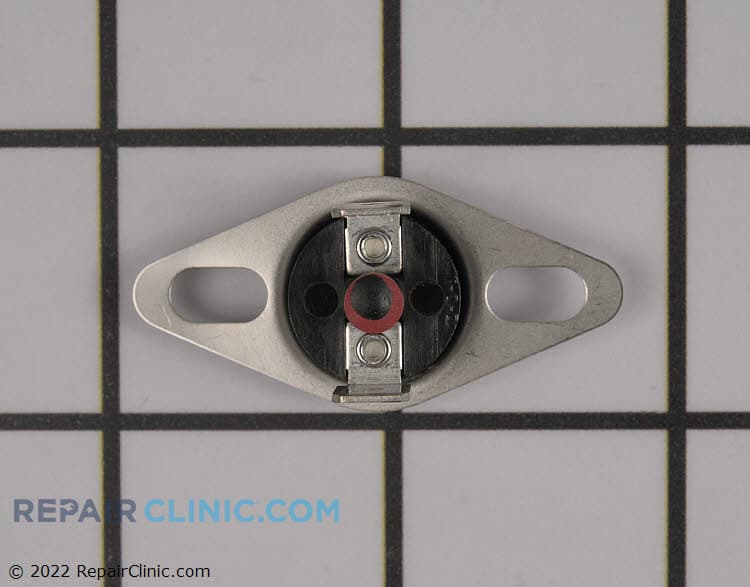
Limit switch kit flanged

Flame rollout limit switch

Limit rollout control

Flame rollout switch


Furnace Limit Switches, Flame Sensors & Rollout Switches
Furnace limit switches are safety devices that monitor temperature and airflow — when something goes wrong, they shut down the heating cycle to prevent damage or fire risk. High-limit switches (also called rollout switches or flame rollout switches) trip when the furnace overheats, and pressure switches sense whether the draft inducer motor is working correctly. A failed limit switch won't reset, keeps tripping on every cycle, or prevents the furnace from starting at all.
If your furnace won't ignite, cycles on and off, or you see a blinking error code, the limit switch or flame sensor might be the culprit — but it's often a symptom of a larger issue like a clogged vent, blocked air filter, or failing inducer motor. Always check airflow and vent lines before replacing the switch itself.
- High-limit switches: furnace overheating, oven won't stay on, constant shutdowns
- Rollout/flame rollout switches: flame spilling out of heat exchanger, emergency shutoff
- Pressure switches: inducer motor not running, draft error, won't ignite
- Flame sensors: furnace ignites then shuts off within seconds, black/burned sensor tip
- Combined switch assemblies: limit + pressure in one unit; verify OEM assembly type for your furnace
Find the right furnace switch by entering your model number above — OEM limit switches have exact pressure ratings and switch points calibrated for your furnace's airflow and temperature profile.
Find a Replacement Furnace Flame Rollout Limit Switch Online by Model or Part Number
Furnace Limit Switch, Flame Sensor & Rollout Switch FAQs
What's the difference between a limit switch, flame sensor, and rollout switch?
A high-limit switch is a safety thermostat that stops heating if the furnace gets too hot — typically set around 180 to 200°F. A rollout (flame rollout) switch detects when flames spill out of the heat exchanger and shuts down immediately. A flame sensor (also called a flame rod) is an electronic sensor that "sees" the main burner flame; if it doesn't detect flame within a few seconds of ignition, the gas valve closes. A pressure switch monitors draft (negative pressure created by the inducer motor) — if draft is weak or absent, it prevents ignition. All four are safety devices, but they monitor different conditions.
My furnace keeps tripping the limit switch on every cycle. Is the switch bad, or is something else wrong?
A constantly tripping limit switch is usually a symptom, not the cause. Before replacing the switch, check these first: (1) Air filter — a clogged filter restricts airflow and causes overheating. (2) Vent or return ductwork — blockages reduce draft and raise heat exchanger temperature. (3) Blower motor or capacitor — if the blower isn't running at full speed, heat builds up. (4) Inducer motor — if it's weak, draft suffers and heat rises. If all of these check out and the furnace still overheats, then the limit switch itself has failed and needs OEM replacement.
How do I know if the flame sensor needs cleaning or replacing?
A flame sensor that's clogged with soot or carbon will cause the furnace to ignite, run for a few seconds, then shut down (the sensor can't "see" the flame through the buildup). Try cleaning it first: turn off the furnace, remove the sensor rod from the burner box, gently scrub the tip with fine steel wool or a pencil eraser, and reinstall. If cleaning doesn't fix the problem, or if the sensor tip is black/pitted or the rod is bent, replace it with an OEM sensor matched to your furnace model. Aftermarket sensors have different resistance specs and won't trigger the control board correctly.
Can I replace a limit switch or flame sensor myself, or do I need a technician?
Limit switch and flame sensor replacement are straightforward: unbolt the old switch, disconnect the terminals (note the wire positions or take a photo), bolt on the new OEM switch, and reconnect wires. No special tools needed. However, if you're replacing the switch and the furnace still doesn't work, or if it keeps tripping immediately after replacement, the real problem may be airflow, draft, or the control board — that's when a technician with diagnostic tools (multimeter, manometer, combustion analyzer) should step in. Always enter your exact furnace model number to get the correct switch — pressure ratings and terminal configurations vary significantly between models.
Order Furnace Flame Rollout Limit Switches Online
Ensure your furnace operates safely with a reliable Flame Rollout Limit Switch from Repair Clinic. This essential part prevents overheating by detecting abnormal flame behavior and shutting down the furnace if necessary. As a trusted online retailer of genuine furnace parts, Repair Clinic offers a full range of OEM replacements, same-day shipping, and a Price Match Guarantee. With our easy parts lookup by model or part number, you'll find the proper fit for your furnace. Plus, our No-Hassle 365-Day Returns policy allows you Visit our Furnace Repair Help section for guidance on DIY repairs and troubleshooting. Trust Repair Clinic to help you maintain your HVAC system and save time and money on essential furnace repairs.
Filter Furnace Parts by Your Model Number
On most furnaces, the model number appears on a data plate attached to the blower compartment door or inside the front access panel. Turn off power to the furnace, remove the panel if needed, and look for a label listing the model and serial numbers. Copy the model number exactly, including letters, numbers, and any dashes or slashes. Enter it in the model number search to pull up the parts matched to your unit. This filters the full furnace parts catalog, not just switches or flame sensors, so you can compare parts made to fit your specific furnace. You get the right match faster and avoid ordering parts based on appearance alone.

Online Repair Library for Furnace
Repair Clinic's online repair library gives you the tools to diagnose and fix your Furnace without a service call. Common-symptom articles cover the most likely causes, part testing videos confirm the failed component, and step-by-step written guides walk you through the installation. Use the model number lookup to confirm the exact OEM part, and exploded-view diagrams and wiring illustrations support the more involved jobs.
Related Furnace Repair Help Articles
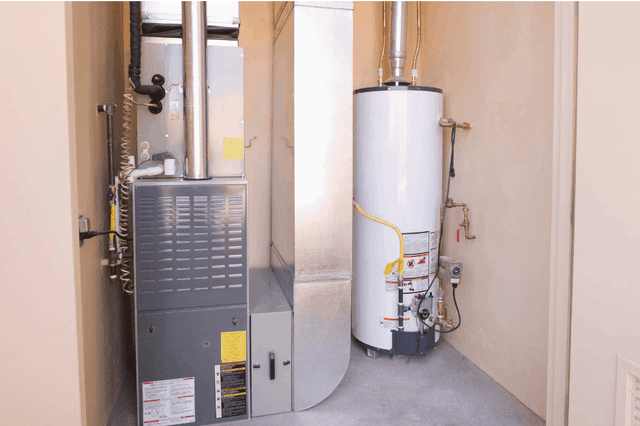
Top Reasons Furnace is Not Igniting
A furnace that fails to ignite can leave your home in the cold. Common issues include a faulty igniter, malfunctioning flame sensor, or a defective draft inducer fan motor. Replacing furnace filters and cleaning furnace parts can help prevent these problems.
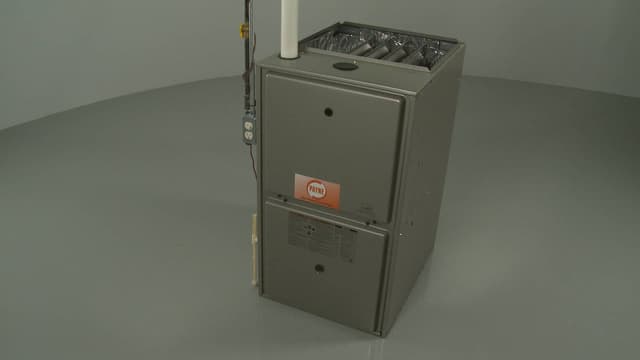
Why is My Furnace Not Working?
Learn why your furnace isn't working by understanding its ignition sequence and identifying common faulty parts like the igniter, flame sensor, or control board. This article provides practical repair tips and insights into each part's role in the heating process.
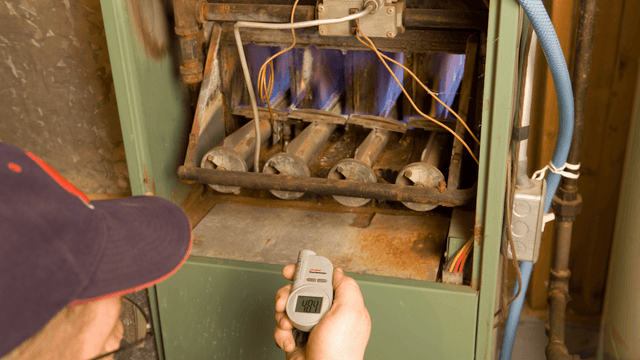
5 Causes of a Furnace Starting Then Stopping
A gas furnace that starts and then stops unexpectedly can be frustrating, especially during cold weather. This article explains five common causes, including issues with the flame sensor, pressure switch, control board, draft inducer fan motor, or air flow. Learn how each cause may impact your furnace's operation and get tips to resolve the problem.




Family-owned and operated since 1912, Burke America Parts Group is the longest-running genuine appliance, HVAC, and outdoor power equipment parts solution in North America. At Repair Clinic, we're proud to be an international brand trusted by the pros as well as the DIY community.
About Repair Clinic