


 Price Match Guarantee
Washing Machine Timer Replacement
Find the right part faster
Multiple models matched. Select your model to confirm fit.




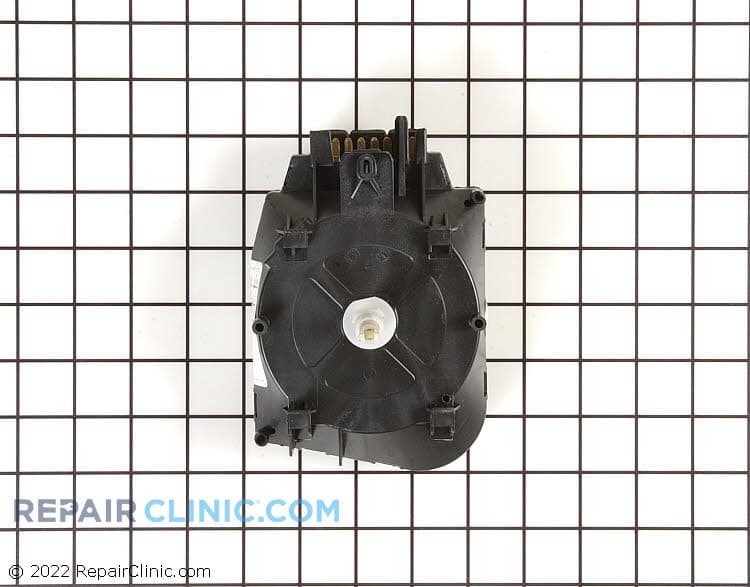
Timer assembly
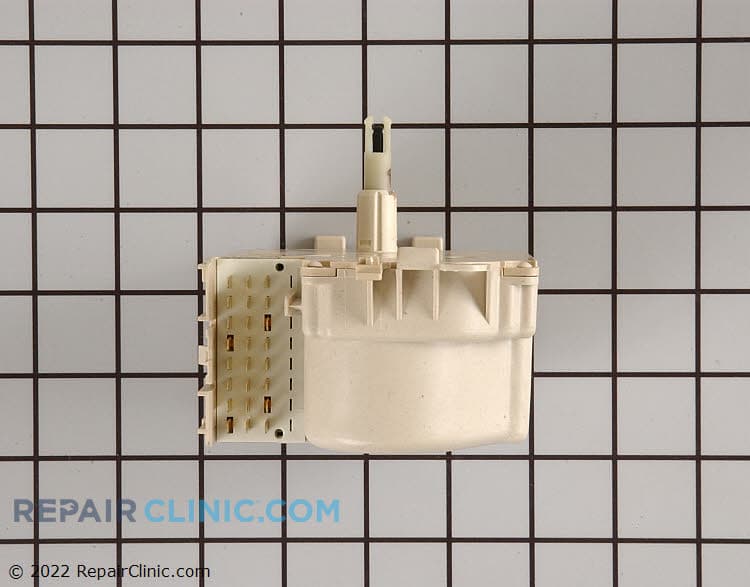
Timer, control (60 hz.)
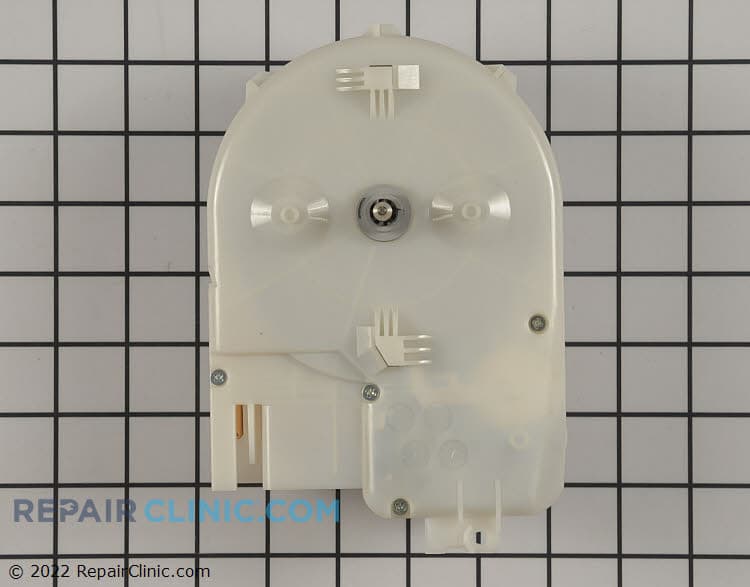
Washing machine timer. The timer controls all the cycles that the washer goes through during each load.
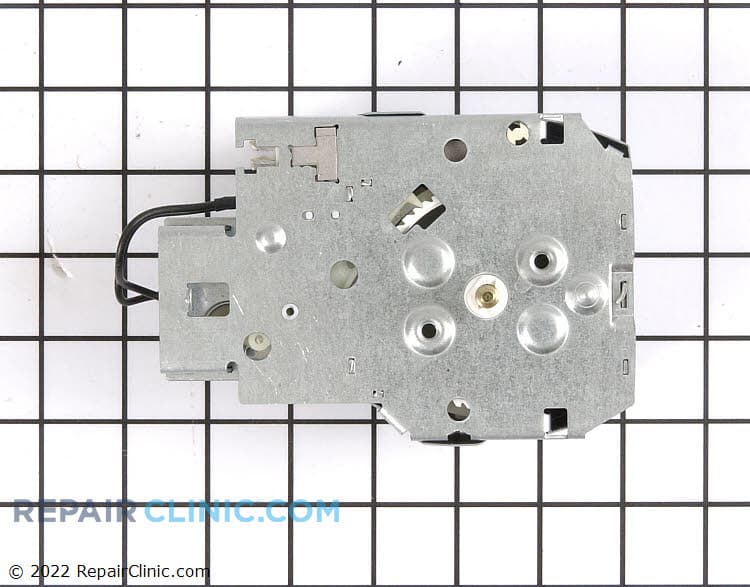
Timer Control
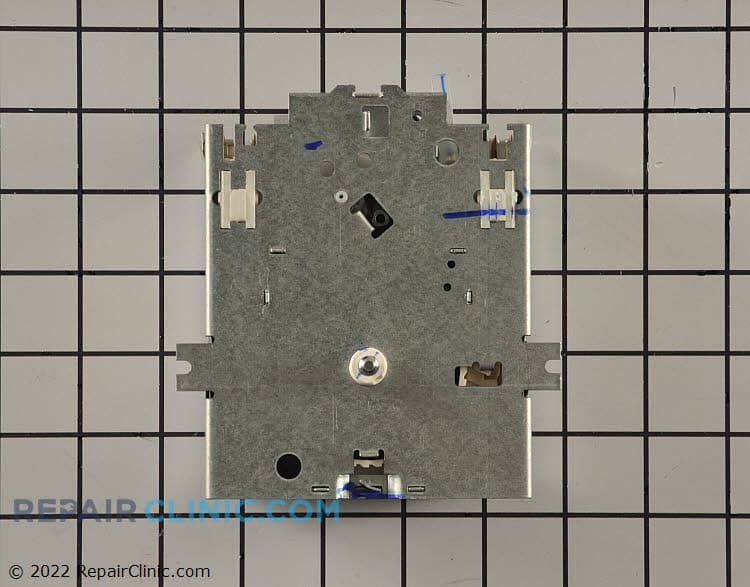
Timer
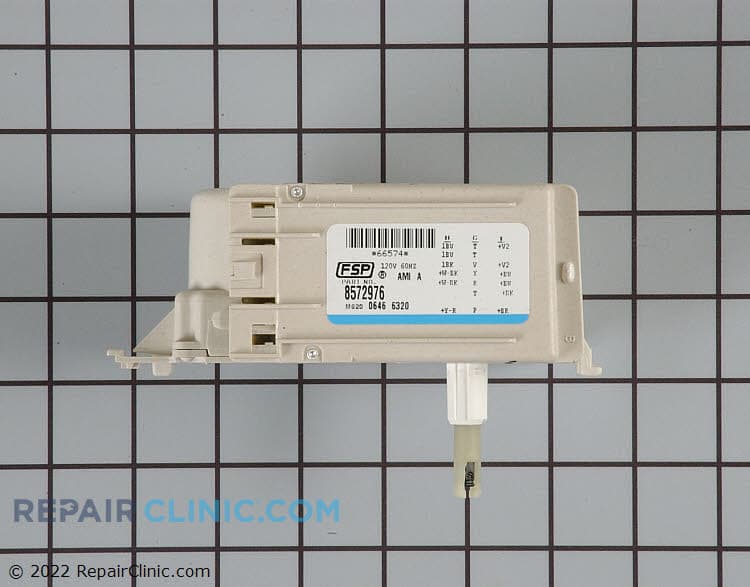
Washing machine timer. NOTE: Timers are often misdiagnosed.
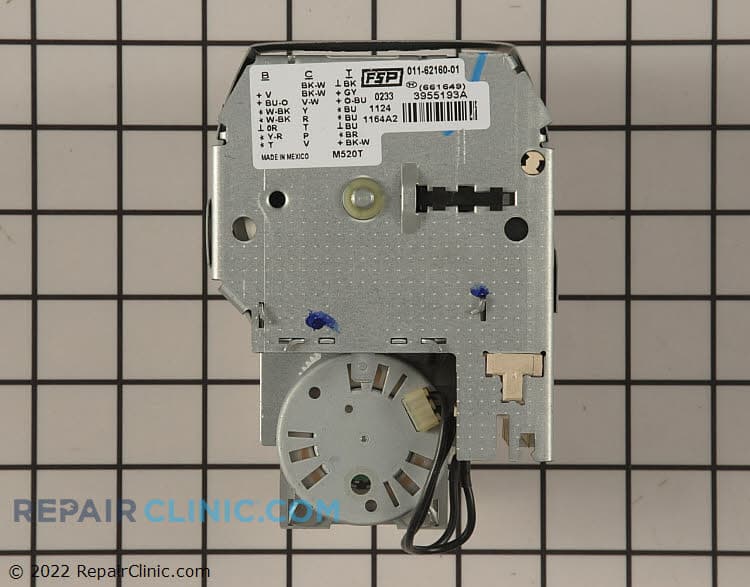
This is a genuine replacement part. Whirlpool 661649 Timer.
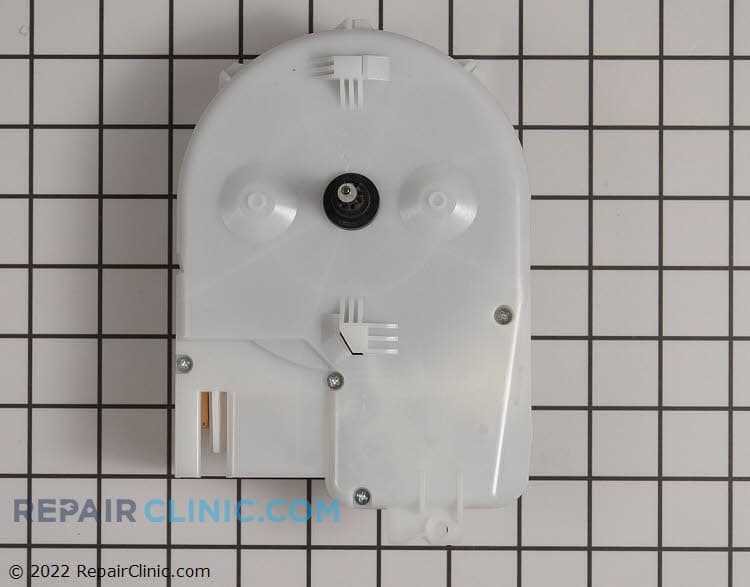
Timer control assembly
RC Item #1548640
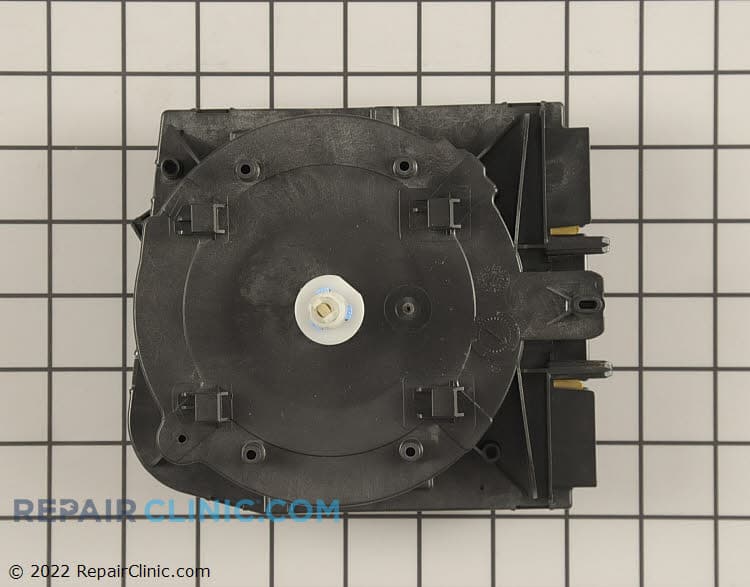
Timer. NOTE: Timers are often misdiagnosed. Visit our Repair Help section of the website for additional repair information.
RC Item #1481913
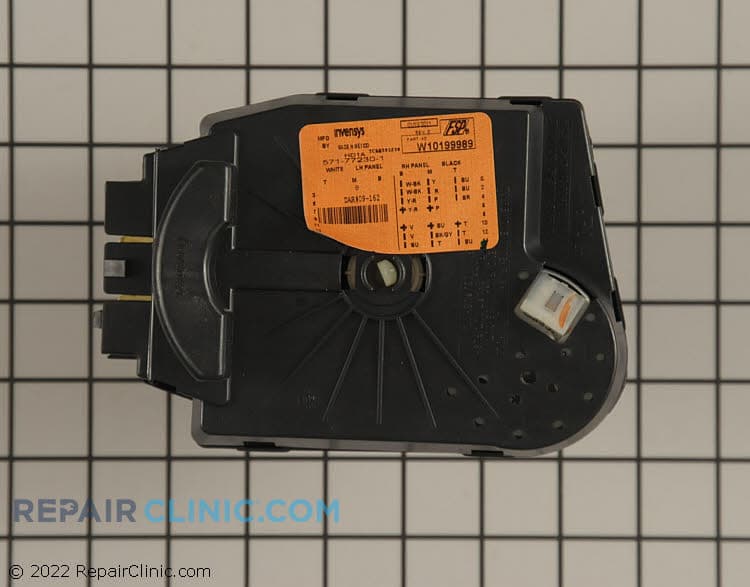
Timer
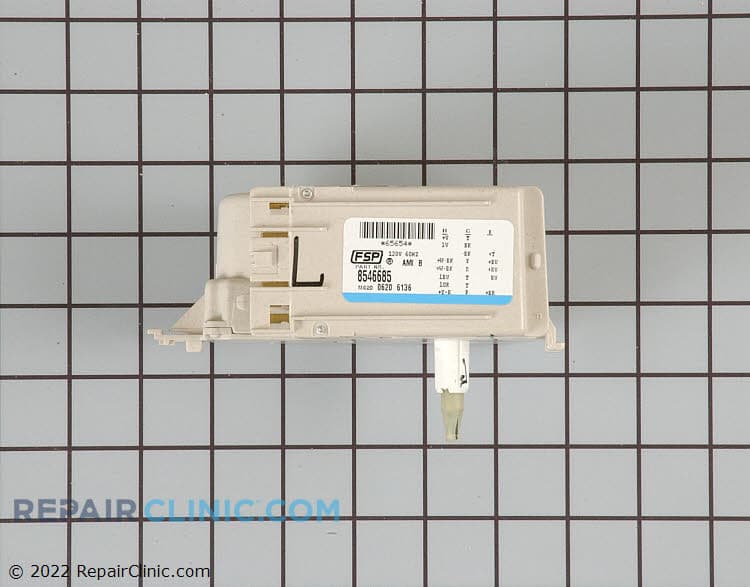
Timer, control (60 hz.) (m
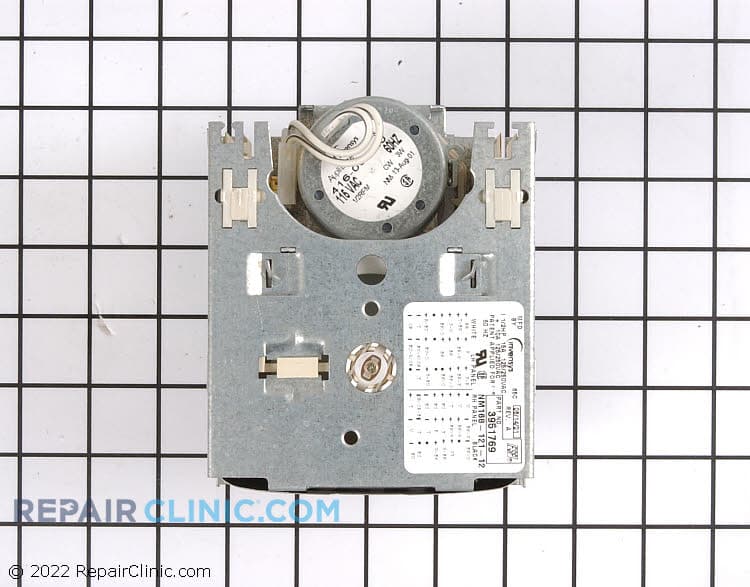
Washing Machine Timer
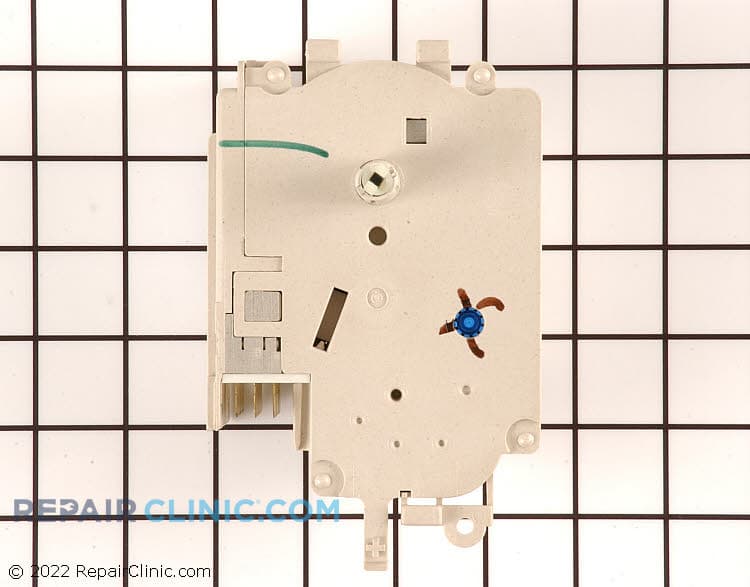
Washer timer. NOTE: Timers are often misdiagnosed. Visit our Repair Help section of the website for additional repair information.
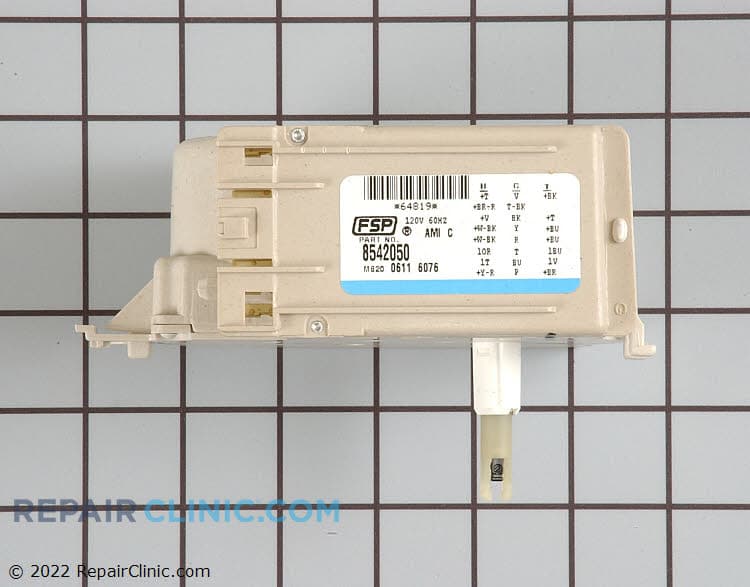
Timer - Washer
RC Item #1471325
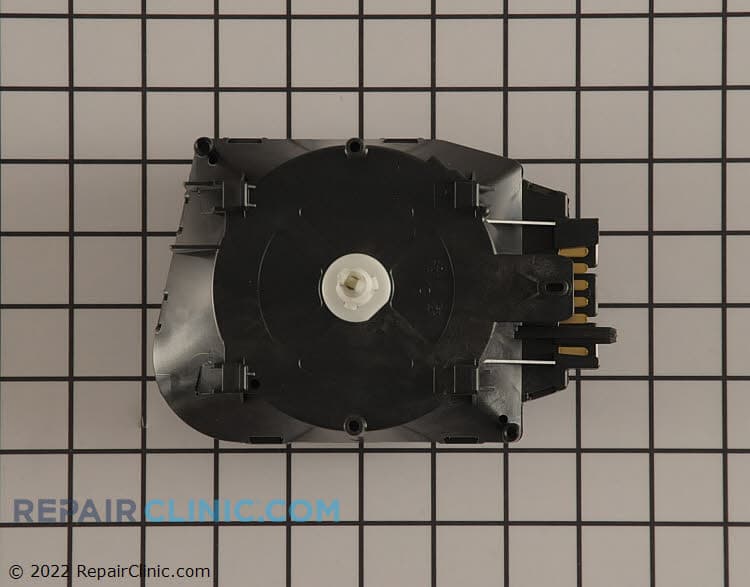
Control timer, 60 hertz. NOTE: Timers are often misdiagnosed. Visit our Repair Help section of the website for additional repair information.


Washing Machine Control Board and Timer Parts
The control board and timer assembly are the command center of your washing machine — they orchestrate every fill, agitation, spin, and drain cycle. When the board or timer fails, you'll see error codes, cycles that don't start, or sequences that get stuck mid-wash. OEM control boards are programmed for your specific model, so an exact match is critical.
Common symptoms that point to a control board or timer issue include: the washer responding to button presses but not starting a cycle, the cycle freezing partway through, error codes on the display, or the machine filling but never agitating. Boards, direct-drive boards, and inverter control boards are among the most sought replacements.
- No response to buttons or display: dead control board; verify 24V power at transformer first
- Cycle starts then stops: stuck relay or failed board logic; error code may flash
- Won't drain or spin: timer or board not signaling drain pump or motor
- Fill won't stop or wrong temperature: control board not triggering water inlet valve shutoff
- Stuck in one cycle indefinitely: timer mechanism or board sequencer has failed
Find your exact model number on the washer's data plate (usually inside the door frame or on the back), then use our parts lookup to confirm the correct control board or timer assembly for your brand and model year.
Washing Machine Control Board and Timer: Frequently Asked Questions
How do I know if my washer's control board is bad, not the timer?
Modern washers have integrated control boards that manage timing and sequencing together. If you see error codes displayed on an LED or screen, or if the machine responds to button presses but won't start a cycle, the board is most likely the culprit. Older top-load washers had separate electromechanical timers (a rotating dial with cams); those can stick or fail independently. Test continuity with a multimeter on the timer contacts — infinite resistance = replace it. For modern boards, a fault code is your best indicator. Enter your model number to see whether your machine uses a control board or a separate timer.
What's the difference between a control board and a main control board, and do I need both?
Most washers have one main control board (or sometimes called the primary board or logic board) that runs everything. Some models may have a secondary display board or a separate door lock board, but the main control board is the one that coordinates cycles. Models, for example, have a single main control board. Inverter washers have a main board plus sometimes a separate NTC sensor board. Always verify your model number — it will tell you exactly which board(s) your machine needs. Repair Clinic's parts list shows every control board variant by model.
Why does my, or washer show an error code, and is the board always the fix?
Error codes are diagnostic signals from the control board itself. Common codes like F21 (drain error), E2 (fill error), or UE (unbalance) may actually point to a failed sensor, pump, or valve — not necessarily the board. Before replacing the board, check: Is the drain hose kinked or clogged? Is the inlet valve clicking and water flowing? Is the door latch engaged? If sensors, valves, and hoses are working but the error persists, the control board has likely failed. Repair Clinic's parts pages include a symptom-to-part guide for your brand — use your error code to narrow down whether the board or a part is the real culprit.
How do I find my exact model number to ensure I order the right control board?
The model number is printed on a data plate (nameplate) attached to your washer. For front-loaders, look inside the door frame on the tub edge. For top-loaders, check the back wall or rim of the tub. The format is usually something like WF45K6500AW (), WJWN4815DW (), or WM4555HW (). Once you have the model number, enter it into Repair Clinic's search bar or the parts lookup filter. The system will display the correct control board, timer, door lock assembly, and every other part designed for your specific machine. Never guess on control boards — the wrong board will not function correctly and may not be returnable once installed.
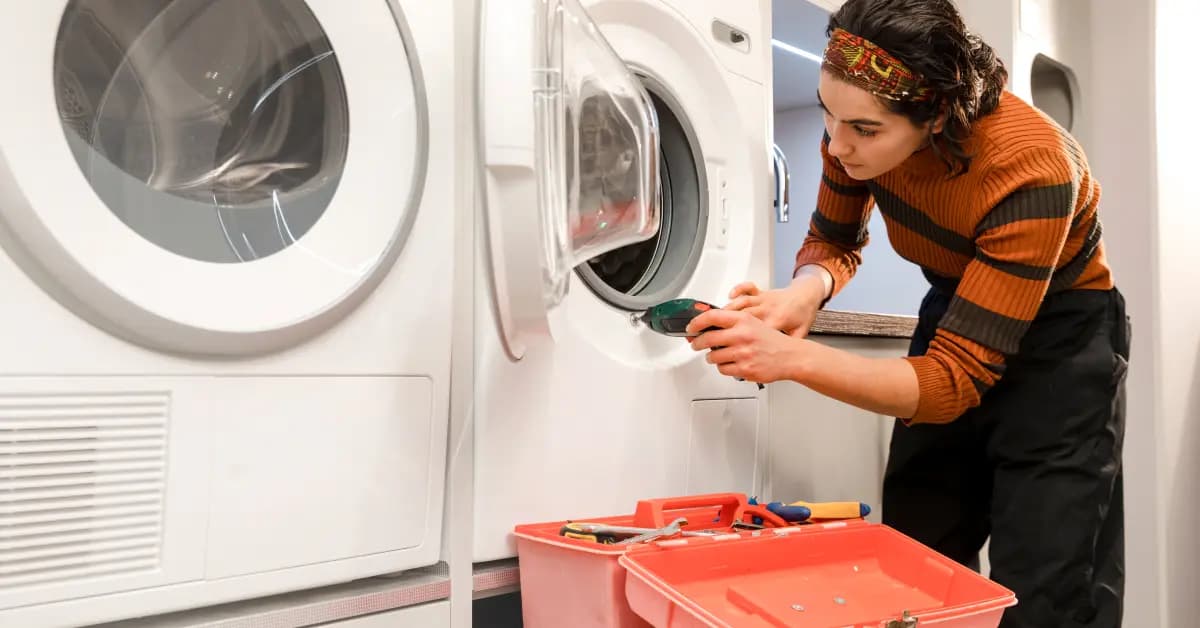
Shop Washing Machine Timer Replacement Parts Online
Ensure your washing machine operates on schedule by replacing faulty timers with genuine OEM washing machine timer replacement parts from Repair Clinic. A functioning timer is key for managing cycles efficiently and avoiding disruptions in your laundry routine. Easily locate the right timer for your appliance using our model number lookup tool, and benefit from same-day shipping, No-Hassle 365-Day Returns, and our Price Match Guarantee. If you need installation support, visit our Washing Machine Repair Help page. For additional parts, consider browsing Washing Machine Bearing Parts for comprehensive maintenance solutions.
Filter Washing Machine Parts by Your Model Number
Check inside the door frame or beneath the lid of your washing machine for a model number label. Depending on the design, you may also find it on the back panel or along the top edge of the tub opening. Copy the complete model number, including any letters, numbers, or slashes, and enter it in the model number search to pull up the parts matched to your unit. This filters the full washing machine parts catalog, not just timer or control parts, so you can compare parts made for your exact washer. It is the quickest way to be sure the part fits before you order.

Online Diagnostic and Repair Help for Washing Machine
Repair Clinic's online resources cover Washing Machine diagnostic work, part testing, and installation in one place. Symptom articles help you understand what is likely going wrong, video walkthroughs show the disassembly and reassembly, and step-by-step written repair guides let you follow along in your own time. Use the model number lookup to confirm the exact OEM part, and wiring diagrams support the more involved jobs.
Related Articles: Washing Machine Parts
What Causes A Washing Machine To Stop Working?
Learn common reasons your washing machine suddenly stops working, from power issues to faulty parts, and how to troubleshoot the problem effectively.

Why Won't My Washing Machine Start?
If your washing machine won't turn on, find potential causes like door switch malfunctions, control board failures, or electrical issues, along with steps to fix them.
What Causes a Washing Machine To Not Spin or Drain?
Learn why your washer isn't spinning or draining properly, from clogged drain hoses to worn-out drive belts, and find solutions to restore its performance.




Family-owned and operated since 1912, Burke America Parts Group is the longest-running genuine appliance, HVAC, and outdoor power equipment parts solution in North America. At Repair Clinic, we're proud to be an international brand trusted by the pros as well as the DIY community.
About Repair Clinic