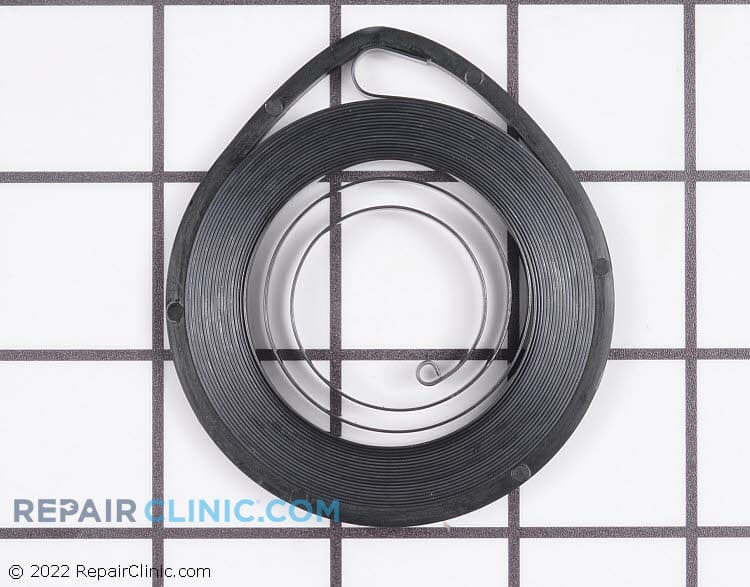
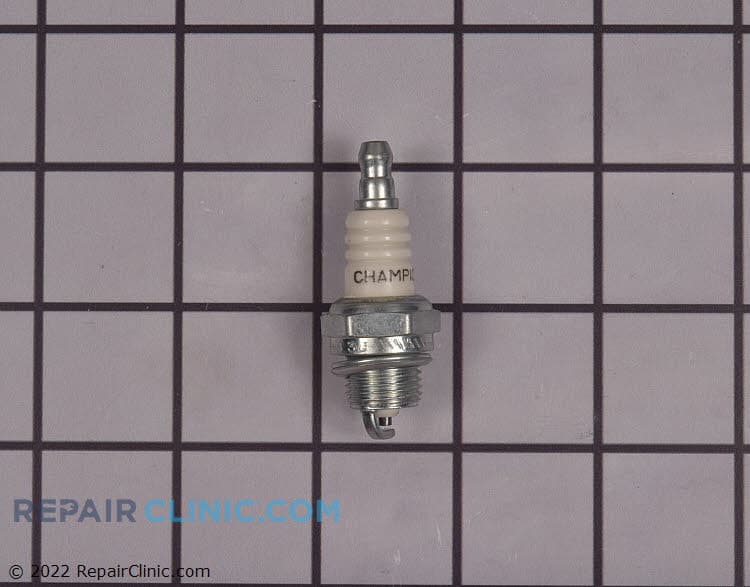
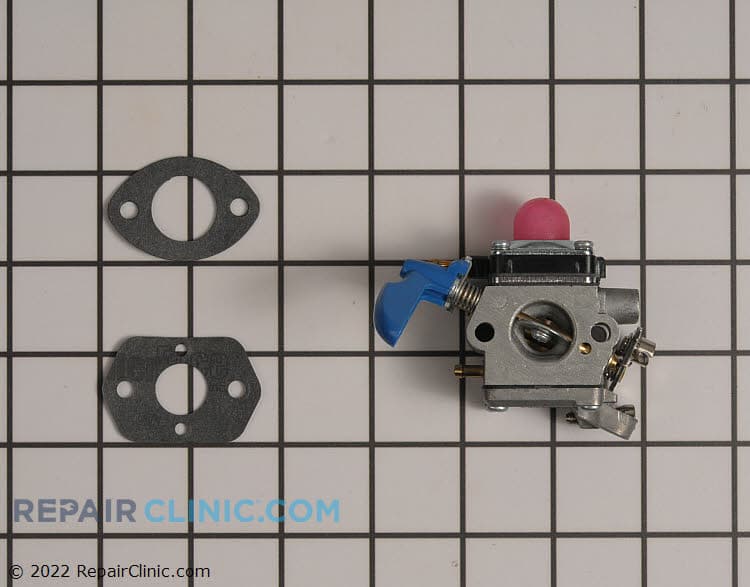
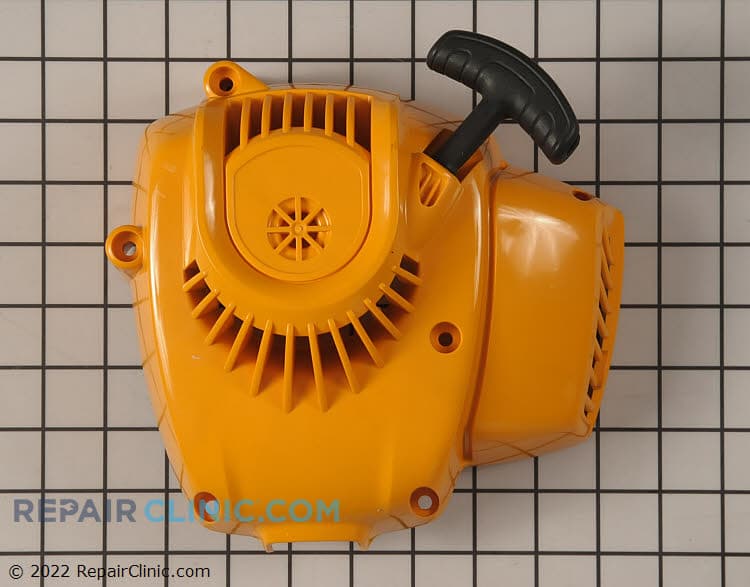
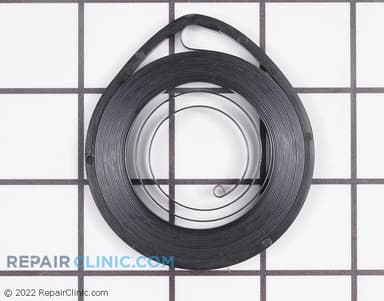
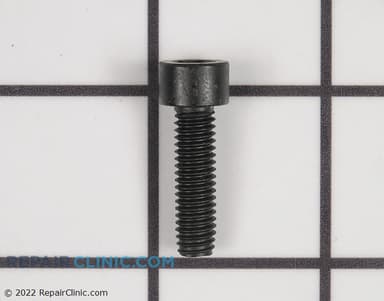
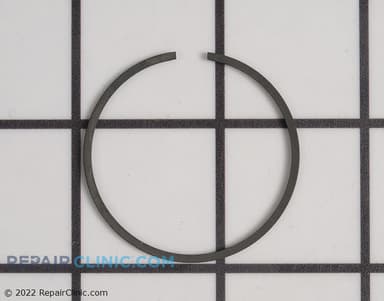
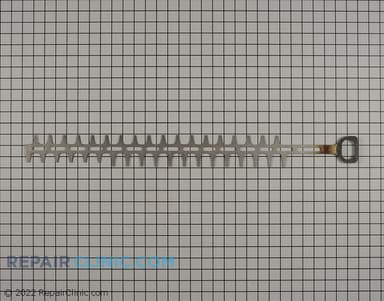
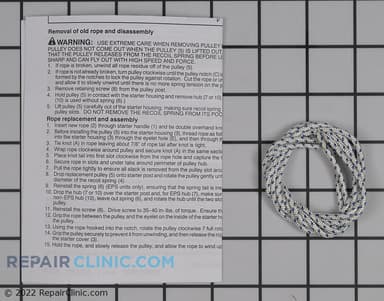
Maintain the performance of your Poulan PP2822 Hedge Trimmer with genuine replacement parts from Repair Clinic. This is a 22 inch dual serrated blade gas hedge trimmer powered by a 23cc, two cycle engine with a swivel handle for anti vibration grip. Whether you are troubleshooting a specific symptom or refreshing routine maintenance items, our inventory covers the carburetor, spark plug, and air filter this unit depends on most. Browse the complete Poulan parts catalog for every component built for this model.
About This Poulan Hedge Trimmer
This hedge trimmer pairs a 23cc, two cycle engine with 22 inch dual serrated blades, and like most small two cycle outdoor tools it depends on a correctly mixed fuel and oil ratio rather than straight gasoline. Running straight gas through a two cycle engine, even briefly, starves the internal components of lubrication and can cause premature wear that no carburetor adjustment will fix. Poulan and Poulan Pro sold closely related hedge trimmers using similar engine displacements and blade lengths across several model years, so confirming the exact model number stamped near the engine housing helps ensure a carburetor kit or air filter cover actually matches this trimmer rather than a visually similar sibling. Beyond the engine itself, the swivel handle rotates to let the operator hold the trimmer vertically or horizontally depending on whether hedges are being trimmed along the top or the sides, which reduces wrist strain during longer trimming sessions. The 2 year manufacturer warranty on this trimmer, like most gas powered outdoor tools, does not cover wear items such as the blades or the fuel lines, both of which are considered normal maintenance replacements rather than warranty claims. Storing the trimmer with the blades lightly oiled and covered between uses further protects the cutting edges from rust and keeps the tool ready to go the next time hedges need shaping. Wiping sap and plant debris from the blades after each use, before it has a chance to dry and harden, keeps the serrated edges cutting cleanly for longer between sharpenings. Checking that the blade bolts remain properly tightened before each use helps prevent excess vibration that can accelerate wear on the gearbox and drive components over time. Sharpening the blades at the start of each trimming season, or sooner if cuts start looking torn rather than clean, keeps the trimmer working efficiently without forcing the engine to labor through thicker branches. Wearing eye and hand protection while operating or servicing this trimmer remains a basic safety habit worth following regardless of how routine the task feels after repeated use. Storing the trimmer with the blades lightly oiled and covered between uses further protects the cutting edges from rust and keeps the tool ready to go the next time hedges need shaping. Wiping sap and plant debris from the blades after each use, before it has a chance to dry and harden, keeps the serrated edges cutting cleanly for longer between sharpenings. Checking that the blade bolts remain properly tightened before each use helps prevent excess vibration that can accelerate wear on the gearbox and drive components over time. Sharpening the blades at the start of each trimming season, or sooner if cuts start looking torn rather than clean, keeps the trimmer working efficiently without forcing the engine to labor through thicker branches. Wearing eye and hand protection while operating or servicing this trimmer remains a basic safety habit worth following regardless of how routine the task feels after repeated use. Storing the trimmer with the blades lightly oiled and covered between uses further protects the cutting edges from rust and keeps the tool ready to go the next time hedges need shaping. Wiping sap and plant debris from the blades after each use, before it has a chance to dry and harden, keeps the serrated edges cutting cleanly for longer between sharpenings. Checking that the blade bolts remain properly tightened before each use helps prevent excess vibration that can accelerate wear on the gearbox and drive components over time. Sharpening the blades at the start of each trimming season, or sooner if cuts start looking torn rather than clean, keeps the trimmer working efficiently without forcing the engine to labor through thicker branches. Wearing eye and hand protection while operating or servicing this trimmer remains a basic safety habit worth following regardless of how routine the task feels after repeated use. Storing the trimmer with the blades lightly oiled and covered between uses further protects the cutting edges from rust and keeps the tool ready to go the next time hedges need shaping. Wiping sap and plant debris from the blades after each use, before it has a chance to dry and harden, keeps the serrated edges cutting cleanly for longer between sharpenings. Checking that the blade bolts remain properly tightened before each use helps prevent excess vibration that can accelerate wear on the gearbox and drive components over time. Sharpening the blades at the start of each trimming season, or sooner if cuts start looking torn rather than clean, keeps the trimmer working efficiently without forcing the engine to labor through thicker branches. Wearing eye and hand protection while operating or servicing this trimmer remains a basic safety habit worth following regardless of how routine the task feels after repeated use.
Most Replaced Parts on the PP2822
Carburetor and Hard Starting Issues on the PP2822
A trimmer that floods, stalls right after starting, or will not start at all after sitting over winter usually has a gummed up carburetor from stale, ethanol blended fuel. Confirm the fuel mix is fresh and correctly ratioed and the air filter is clean before disassembling the carburetor, since old fuel is the more common root cause.
Spark Plug and Ignition Problems on the PP2822
When the engine will not fire despite fresh fuel, remove the spark plug and check its condition before assuming the ignition module has failed. A plug fouled by a rich fuel mixture or excess bar oil is a far more common cause of no spark than an actual ignition failure on this size of engine.
Air Filter and Fuel Line Issues on the PP2822
A clogged foam air filter forces the engine to run rich, causing rough idle and difficulty restarting once warm. At the same time, inspect the fuel line and primer bulb for cracking, since a small air leak in an aging fuel line produces very similar hard starting symptoms on a trimmer this size.
Why Choose Repair Clinic for PP2822 Parts
- Engine matched parts: We stock carburetor, spark plug, and air filter components sized for the 23cc two cycle engine used on this Poulan hedge trimmer.
- Fuel system safety: Two cycle fuel and ethanol blended gasoline require careful handling. Always let the engine cool before refueling, and mix fuel and oil at the ratio specified in the owner’s manual.
- Preventive maintenance guidance: Our repair help covers seasonal carburetor care, including draining fuel before storage to prevent the varnish buildup that causes most spring hard starting complaints.
- 365 day returns: Order with confidence knowing every part is backed by our 365 day, no hassle return policy and helpful customer support.
PP2822 Parts FAQ
What kind of engine does this hedge trimmer use?
It runs on a 23cc, two cycle gas engine that requires a mixed fuel and oil ratio rather than straight gasoline, driving 22 inch dual serrated cutting blades.
Why won’t the trimmer start after winter storage?
Stale, ethanol varnished fuel in the carburetor is the most common cause. Check the spark plug and air filter first, then inspect the carburetor if it still will not fire.
Can I run straight gasoline in this trimmer?
No, this is a two cycle engine that requires fuel mixed with two cycle oil at the ratio listed in the owner’s manual. Straight gasoline will damage internal engine components over time.
How should I store the trimmer between seasons?
Drain the fuel tank or run the engine dry before long term storage to prevent carburetor varnish, and store the trimmer with the blades covered to protect the cutting edges.