Service your Amana CK24-1 central air conditioner with genuine OEM replacement parts from Repair Clinic. The CK24-1 is a 2-ton single-stage cooling-only condensing unit in Amana’s CK series, a prior-generation platform that shares lineage with Goodman’s CK series; Amana and Goodman are sister brands under Daikin, and many CK-series components are interchangeable between the two brand designations at the same configuration. Parts most frequently replaced on the Amana CK24-1 include the run capacitor, contactor, condenser fan motor, and service valve components. Use the CK24-1 parts list and CK24-1 diagram to confirm your component, then browse the complete Amana central air conditioner parts catalog.
CK24-1 on the Amana-Goodman Platform: 2-Ton Output Class and Long-Service Unit Context
The Amana CK24-1 model number identifies the output class: CK is the condensing unit series, 24 indicates the 2-ton (24,000 BTU) capacity class, and 1 is the revision suffix. Because Amana and Goodman share a Daikin parent company and manufacturing platform, the CK24-1 central air conditioner and its Goodman CK24-equivalent share many service components. Parts searched under the Goodman CK24 designation at the same 2-ton class may return compatible results for the Amana CK24-1 when a WeatherKing search does not return a specific component. The CK series predates the current CKL generation; units still in service carry significant accumulated operating hours and benefit from proactive capacitor and contactor replacement on a schedule rather than waiting for failure. The CK24-1 valve referenced in some keyword searches refers to the service valves on the refrigerant lines rather than a gas valve; the CK24-1 is a refrigerant-based air conditioning system with no combustion components. The CK24-1 manual documents the refrigerant charge specification and component locations for this 2-ton platform. For diagnostic guidance, visit the Amana central air conditioner troubleshooting section.
CK24-1 Failure Patterns on a Long-Service 2-Ton Platform
CK24-1 Capacitor Proactive Replacement Strategy for Long-Service Units
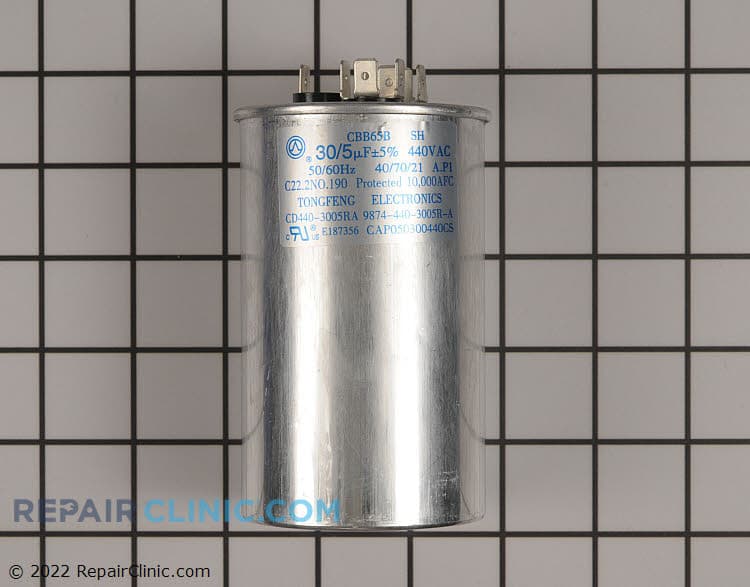
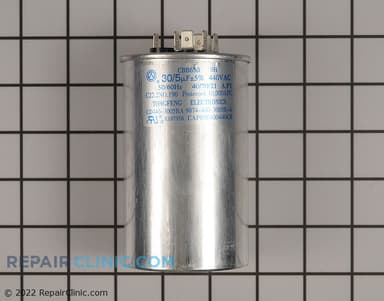
The Amana CK24-1 capacitor is a dual-run unit serving the 2-ton compressor and condenser fan motor. In long-service units where the original capacitor has been installed through multiple cooling seasons, annual microfarad testing alone may not provide sufficient lead time before failure; a capacitor tested within specification at the start of one season may fail during peak heat in that same season if it was already at the lower edge of the acceptable range. For any CK24-1 where the capacitor has been in service for eight or more years, proactive replacement without testing first is a reasonable approach that costs less than an emergency mid-season service call. Test both sections independently when replacing to confirm the specification for the replacement unit. Browse Amana central air conditioner capacitor parts.
Amana CK24-1 Contactor Extended-Service Wear and 2-Ton Compressor Voltage
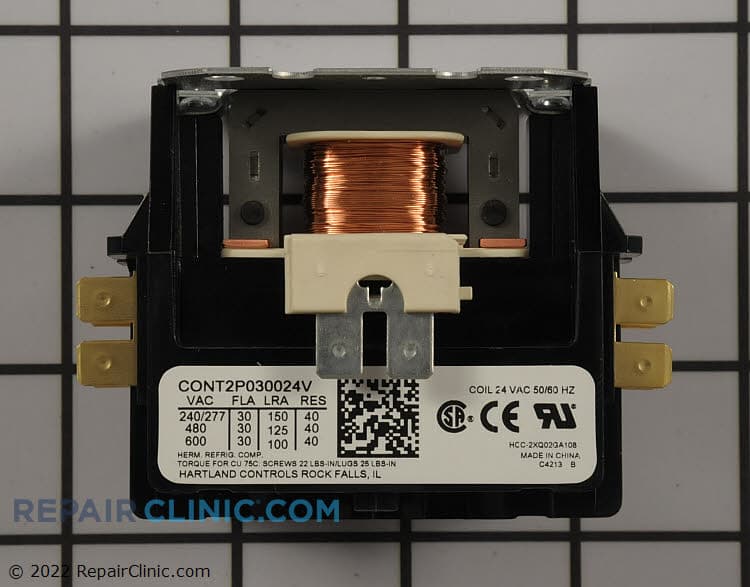
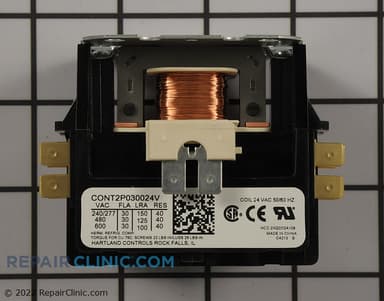
The contactor on the Amana CK24-1 has accumulated arc erosion on its contact faces through all the thermostat cooling cycles in its service history. On a long-service CK24-1, the contact faces may have eroded to the point where contact resistance is substantially elevated even when the contactor still closes and the unit still starts. A 2-ton compressor receiving reduced voltage from an eroded contactor runs hotter than its design specifications allow and trips its internal thermal overload more readily, particularly during peak afternoon heat when ambient temperatures are already near the compressor’s thermal limits. For any CK24-1 with a contactor in service for more than seven years, replacement regardless of visual appearance is the more conservative and cost-effective approach. Find compatible options at the Amana air conditioner contactor page.
CK24-1 Fan Motor Seasonal Startup Bearing Inspection
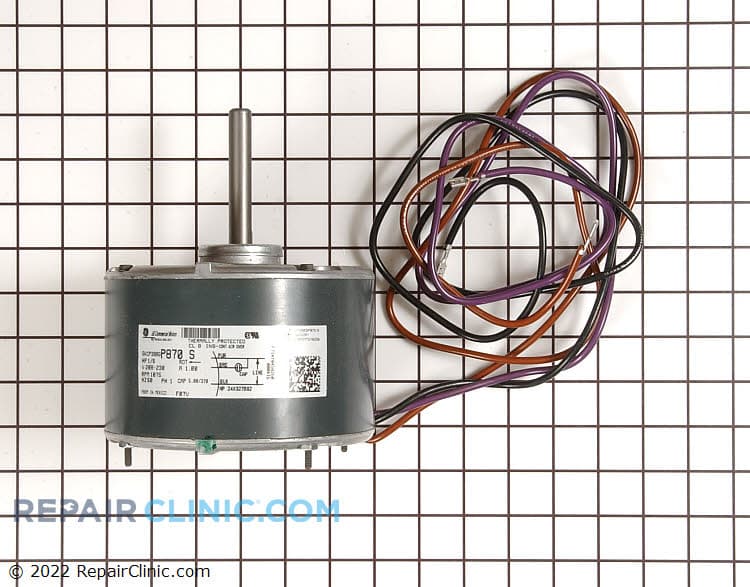
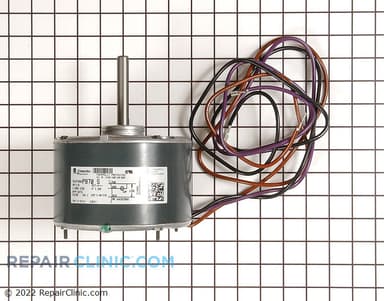
The condenser fan motor on the Amana CK24-1 central air conditioner is subject to both operating-hour wear and seasonal thermal cycling that stresses bearings independent of total running time. A motor that has been in service through many seasonal startup and shutdown cycles may show bearing degradation before it accumulates the operating hours typically associated with bearing failure. Test the motor at first startup each cooling season by listening for grinding or squealing; a motor that starts noisily and then quiets after warming up has bearings under increasing stress. At 2-ton output, a motor running below rated RPM due to bearing wear has a proportionally larger impact on cooling capacity than on larger configurations. Browse Amana central air conditioner fan motor parts.
CK24-1 Service Valve Access and Refrigerant Line Service Context
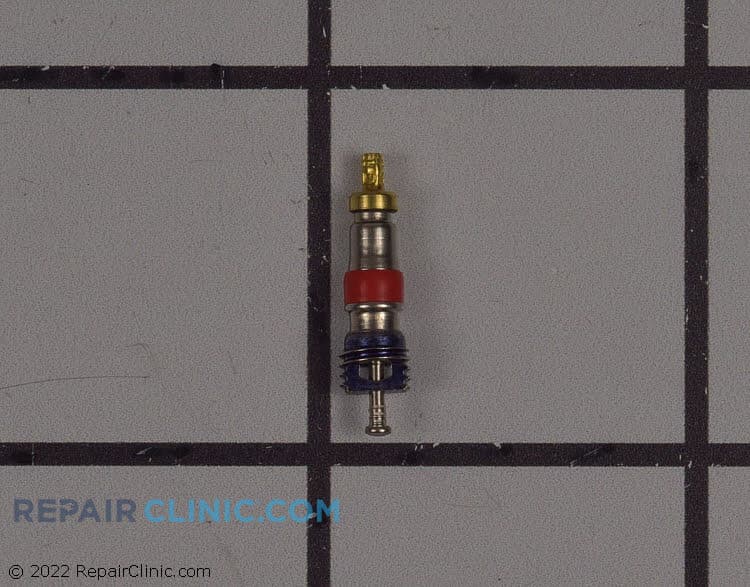
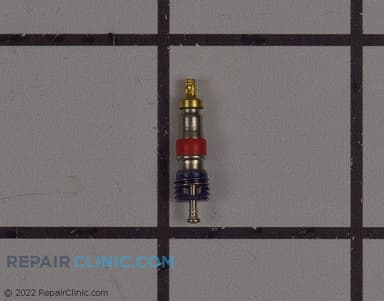
The CK24-1 valve components referenced in parts searches are the service valves on the liquid and suction refrigerant lines that provide technician access to the refrigerant circuit for charging, recovering, and pressure testing. These valves are separate from the compressor and are accessed when refrigerant service is required. Any service involving the CK24-1 refrigerant circuit requires EPA Section 608 certification and appropriate refrigerant recovery equipment. Valve cores and Schrader valve components that develop leaks over time are serviceable without full refrigerant recovery if the valve is properly isolated; confirm the valve type from the CK24-1 diagram before beginning this service.
Amana CK24-1 Parts at Repair Clinic
- Genuine Amana OEM Parts for the CK Series 2-Ton Platform: Every CK24-1 part in our catalog meets Amana original equipment specifications. Browse the full Amana central air conditioner parts catalog to confirm fit for your unit.
- Amana-Goodman Cross-Reference for CK Series Components: Our listings identify CK24-1 components and their Goodman CK equivalents where interchangeability is confirmed, supporting parts availability when Amana-specific searches return limited results.
- Long-Service Unit Guidance: Our diagnostic content for the CK24-1 addresses proactive replacement recommendations for units with extended service history, where waiting for visible failure is less appropriate than scheduled preventive replacement.
- Fast Shipping for Cooling Season Repairs: In-stock CK24-1 parts ship promptly with tracking, supported by the Amana air conditioner troubleshooting section.
Amana CK24-1 Central Air Conditioner Parts FAQ
What does the CK24-1 valve refer to in parts searches?
The CK24-1 valve refers to the service valves on the refrigerant lines, not a gas valve; the Amana CK24-1 is a refrigerant-based air conditioning system with no combustion components. Service valves provide technician access to the refrigerant circuit for charging, recovering, and pressure testing. Any refrigerant circuit service requires EPA Section 608 certification and appropriate recovery equipment.
Are Amana CK24-1 and Goodman CK24 parts interchangeable?
Many CK24-1 parts are interchangeable with Goodman CK24 components at the same 2-ton configuration, as Amana and Goodman are sister brands under Daikin sharing the same CK platform. Confirm part numbers against the CK24-1 parts list before ordering Goodman-designated components to ensure the specific part matches the Amana revision of the CK series.
What tonnage is the Amana CK24-1 and how does it affect parts ordering?
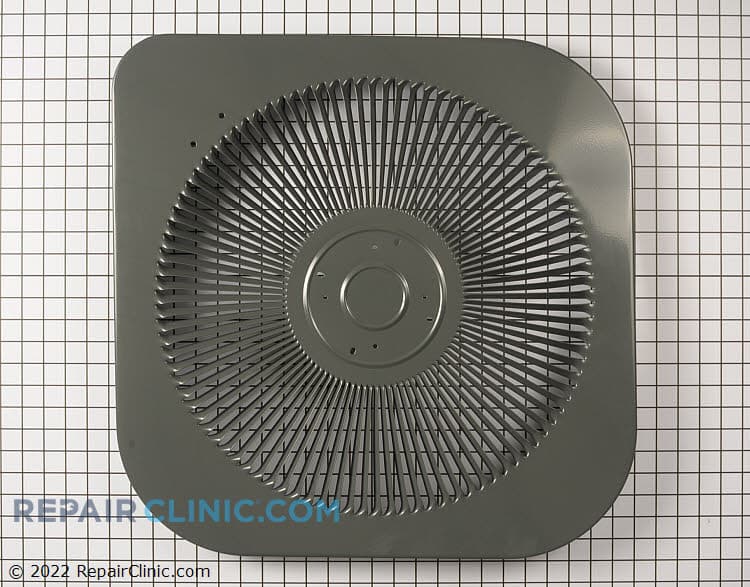
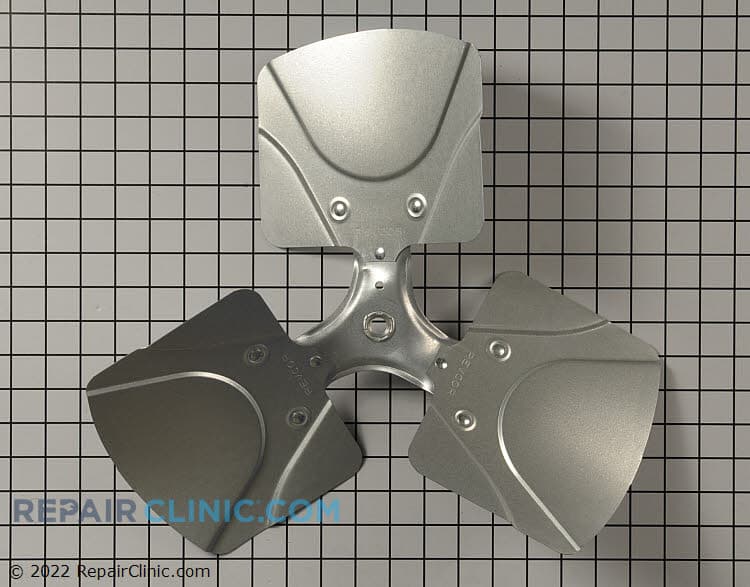
The Amana CK24-1 is a 2-ton (24,000 BTU) condensing unit. The 24 in the model number identifies the output class. The fan motor and fan blade are sized for the 2-ton condenser coil; components from the CK30 (2.5-ton) or CK36 (3-ton) configurations are not interchangeable with the CK24-1 motor and blade even within the same CK platform series.
Why does my Amana CK24-1 cool adequately in mild weather but not during the hottest afternoons?
A CK24-1 that satisfies the thermostat at moderate temperatures but fails to maintain setpoint during peak afternoon heat has reduced heat rejection capacity typically caused by a degraded run capacitor reducing compressor and fan motor efficiency, an eroded contactor dropping supply voltage, or condenser coil debris restricting airflow. These conditions are tolerable at lower ambient temperatures but produce visible cooling shortfall when outdoor temperatures are highest. Test the capacitor and inspect the contactor and coil before considering refrigerant charge as the cause.