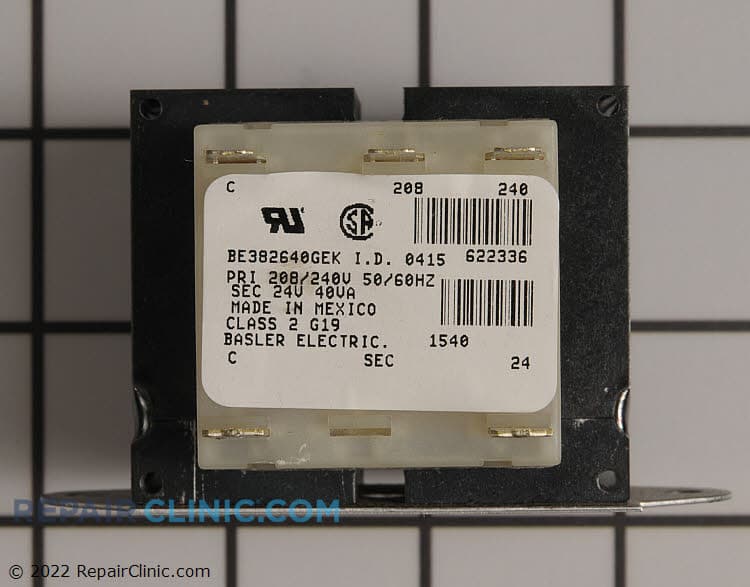
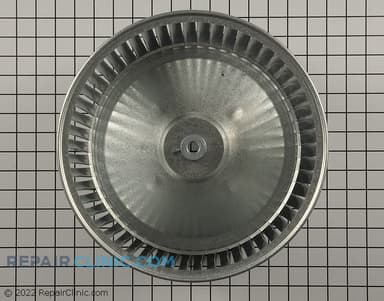
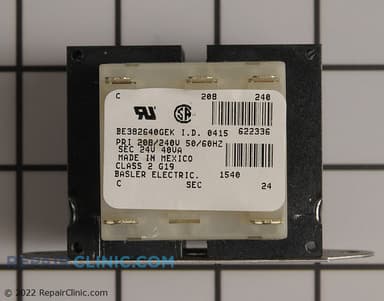
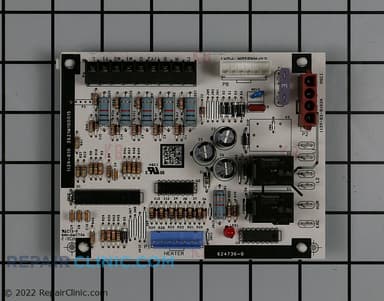
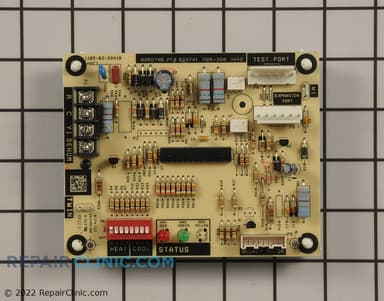
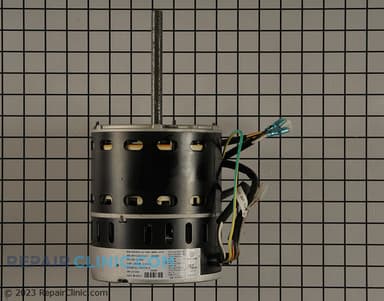
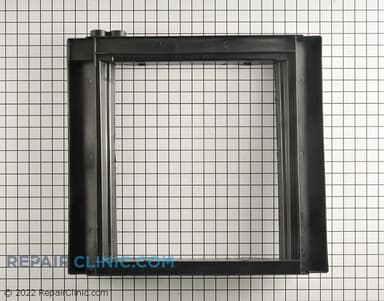
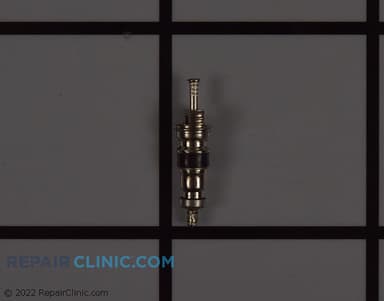
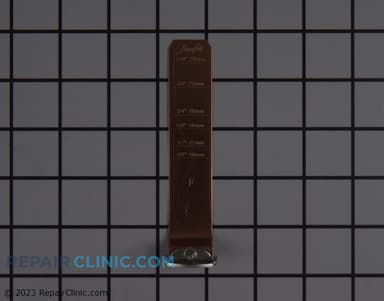
Ensure the performance of your Nordyne B6BMMX60K-C Air Handler with genuine replacement parts from Repair Clinic. This is a 5 ton, multi poise indoor air handler built for use with a matching R-410A heat pump or air conditioning condenser, with a thermal expansion valve for precise refrigerant metering. Whether you are troubleshooting a specific symptom or refreshing routine maintenance items, our inventory covers the blower motor, control board, drain pan, TXV valve, and filter this unit depends on most. Browse the complete Nordyne parts catalog for every component built for this model.
About This Nordyne Air Handler
This indoor air handler belongs to Nordyne’s B6BMMX series, a multi poise, multi speed platform rated for 14 to 15 SEER systems and built to pair with an outdoor heat pump or air conditioning condenser in the same capacity range. Nordyne badged this same core cabinet and blower platform under several related brand names over the years, including Frigidaire, Maytag, and Coleman HVAC, so a part that fits one badge frequently fits another that shares the same underlying chassis, though it is still worth confirming the exact model tag before ordering a control board or blower assembly. The unit uses a factory installed thermal expansion valve rather than a fixed orifice, which maintains steady refrigerant metering across a wider range of outdoor temperatures than older fixed metering designs, and it can be configured for upflow, downflow, or horizontal installation depending on how the ductwork in the home is arranged. This air handler belongs to a broader 13 to 15 SEER residential platform rated across an 18,000 to 60,000 Btuh range, and Nordyne offered plug-in auxiliary heater kits for it in several kilowatt sizes to add supplemental electric heat in colder climates. The cabinet has no exposed fasteners on the sides or back, which speeds up panel removal during service, and the breaker for any installed heater kit remains accessible from the front of the unit rather than requiring the cabinet to be pulled away from the wall. Nordyne’s consumer facing literature for this platform is published under the Frigidaire trademark, used under license, which explains why some documentation and parts diagrams reference that name instead of Nordyne directly. Scheduling a professional inspection of the blower assembly and refrigerant circuit once a year, in addition to routine filter changes a homeowner can handle personally, helps catch small issues before they affect comfort or efficiency. Keeping the area around the air handler cabinet clear of stored items also makes routine filter changes and any future service calls considerably easier to perform. A slow, gradual drop in airflow over several weeks is more often a sign of a clogging filter than a failing blower motor, which tends to show up as a sudden rather than gradual change. Vacuuming visible dust from the return air grille periodically reduces the amount of debris reaching the filter and coil between scheduled filter changes. Listening for new rattling or squealing noises during startup is a simple way to catch a loosening blower wheel or a wearing motor bearing before it leads to a no airflow complaint. Checking that the condensate drain line has a proper slope away from the cabinet, in addition to keeping it clear of algae buildup, helps prevent the standing water issues that are common on air handlers installed in tight spaces. Scheduling a professional inspection of the blower assembly and refrigerant circuit once a year, in addition to routine filter changes a homeowner can handle personally, helps catch small issues before they affect comfort or efficiency. Keeping the area around the air handler cabinet clear of stored items also makes routine filter changes and any future service calls considerably easier to perform. A slow, gradual drop in airflow over several weeks is more often a sign of a clogging filter than a failing blower motor, which tends to show up as a sudden rather than gradual change. Vacuuming visible dust from the return air grille periodically reduces the amount of debris reaching the filter and coil between scheduled filter changes. Listening for new rattling or squealing noises during startup is a simple way to catch a loosening blower wheel or a wearing motor bearing before it leads to a no airflow complaint. Checking that the condensate drain line has a proper slope away from the cabinet, in addition to keeping it clear of algae buildup, helps prevent the standing water issues that are common on air handlers installed in tight spaces. Scheduling a professional inspection of the blower assembly and refrigerant circuit once a year, in addition to routine filter changes a homeowner can handle personally, helps catch small issues before they affect comfort or efficiency. Keeping the area around the air handler cabinet clear of stored items also makes routine filter changes and any future service calls considerably easier to perform. A slow, gradual drop in airflow over several weeks is more often a sign of a clogging filter than a failing blower motor, which tends to show up as a sudden rather than gradual change. Vacuuming visible dust from the return air grille periodically reduces the amount of debris reaching the filter and coil between scheduled filter changes. Listening for new rattling or squealing noises during startup is a simple way to catch a loosening blower wheel or a wearing motor bearing before it leads to a no airflow complaint. Checking that the condensate drain line has a proper slope away from the cabinet, in addition to keeping it clear of algae buildup, helps prevent the standing water issues that are common on air handlers installed in tight spaces. Scheduling a professional inspection of the blower assembly and refrigerant circuit once a year, in addition to routine filter changes a homeowner can handle personally, helps catch small issues before they affect comfort or efficiency. Keeping the area around the air handler cabinet clear of stored items also makes routine filter changes and any future service calls considerably easier to perform. A slow, gradual drop in airflow over several weeks is more often a sign of a clogging filter than a failing blower motor, which tends to show up as a sudden rather than gradual change. Vacuuming visible dust from the return air grille periodically reduces the amount of debris reaching the filter and coil between scheduled filter changes. Listening for new rattling or squealing noises during startup is a simple way to catch a loosening blower wheel or a wearing motor bearing before it leads to a no airflow complaint.
Most Replaced Parts on the B6BMMX60K-C
Blower Motor Problems on the B6BMMX60K-C
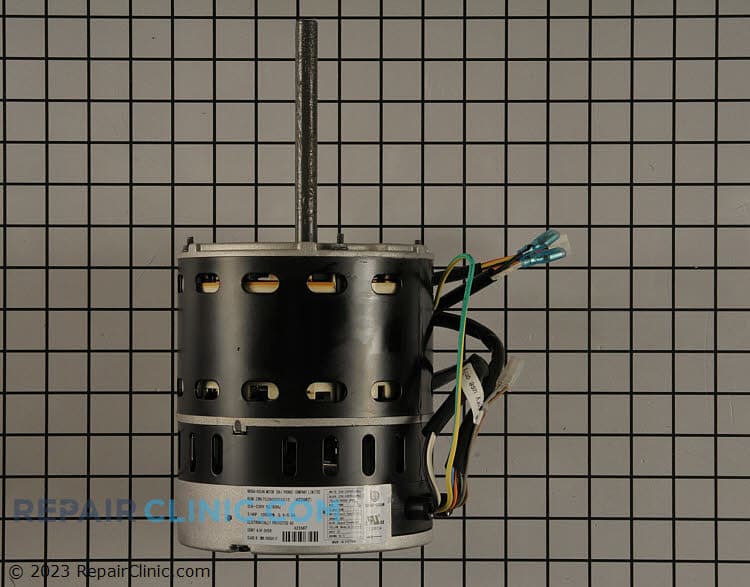
A blower that runs constantly on one speed, hums without turning, or fails to start points to either a worn blower motor or a failing control board relay. Confirm the motor spins freely by hand with power disconnected before replacing it, since a seized bearing feels very different from an electrical fault and changes which part actually needs to be ordered.
Control Board Issues on the B6BMMX60K-C
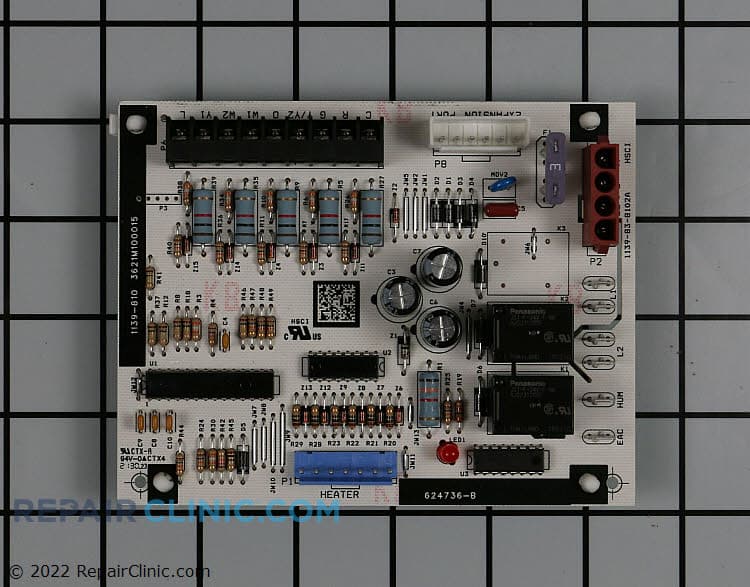
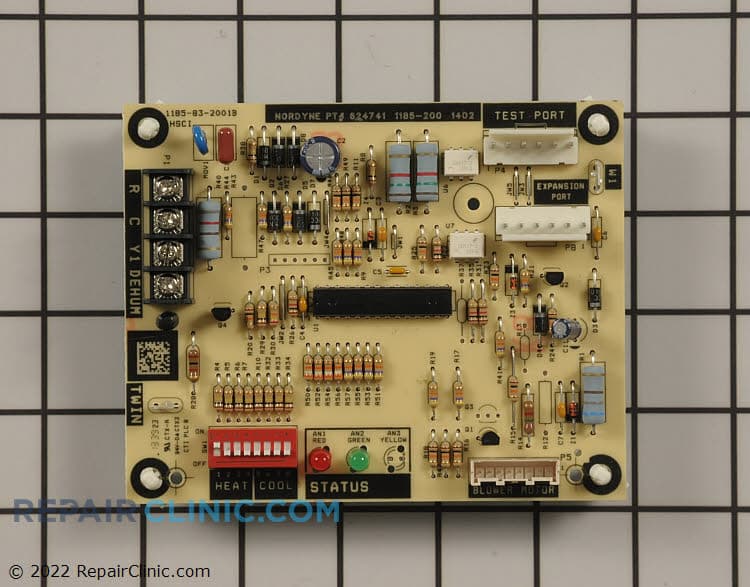
If the blower will not respond to thermostat calls at all, or cycles unpredictably, check the control board for a blown fuse or a stuck relay before assuming the thermostat itself has failed. Many boards include a diagnostic LED that flashes a fault pattern, which narrows down the failure before parts are ordered.
Drain Pan and Condensate Issues on the B6BMMX60K-C
Standing water in the drain pan or water stains beneath the cabinet usually trace back to a clogged condensate line rather than a cracked pan. Flush the drain line first, since a plastic drain pan rarely fails on its own and replacing one unnecessarily adds cost without fixing the underlying blockage.
TXV and Airflow Problems on the B6BMMX60K-C
Reduced cooling capacity paired with frost forming on the indoor coil often points to a restricted thermal expansion valve or a dirty filter starving the coil of airflow. Because the TXV is part of the sealed refrigerant circuit, diagnosis and replacement require an EPA 608 certified technician rather than a do it yourself repair.
Why Choose Repair Clinic for B6BMMX60K-C Parts
- Platform matched parts: We carry blower motors, control boards, and TXV components sized for the B6BMMX platform and its Frigidaire, Maytag, and Coleman HVAC siblings, so cross brand compatibility is not left to guesswork.
- Refrigerant safety: This air handler uses R-410A refrigerant. Any work on the sealed refrigerant circuit, including TXV replacement, requires EPA 608 certification and should not be attempted without the proper tools and training.
- Preventive maintenance guidance: Our repair help covers seasonal condensate line flushing and filter changes, two of the simplest habits that prevent water damage and restricted airflow over the life of the unit.
- 365 day returns: Order with confidence knowing every part is backed by our 365 day, no hassle return policy and helpful customer support.
B6BMMX60K-C Parts FAQ
What type of unit is this?
It is a 5 ton, multi poise indoor air handler with a factory installed thermal expansion valve, designed to pair with a matching R-410A outdoor heat pump or air conditioning condenser.
Why is there water pooling under the air handler?
A clogged condensate drain line is the most common cause. Flush the line before assuming the drain pan itself has cracked or failed.
Will parts from a Frigidaire or Maytag branded air handler fit this Nordyne unit?
Often yes, since Nordyne built this platform under several related brand names sharing the same cabinet and blower design, but confirm the exact model tag before ordering.
How often should the filter be changed?
Check it monthly during heavy use and replace it at least every one to three months to protect airflow across the coil and keep the blower motor from working harder than necessary.