


 365-Day Return PolicyPrice Match GuaranteeIn-stock parts ship the same day365-Day Return PolicyPrice Match GuaranteeIn-stock parts ship the same day365-Day Return Policy
Haier Freezer IF50CM23NW Parts
Shop replacement repair parts for Haier Freezer model IF50CM23NW




Compressor
Haier IF50CM23NW Problems & Repair Solutions
Frequently Purchased Together For This Model
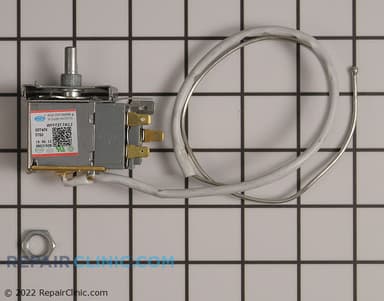
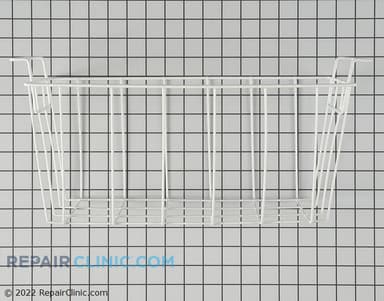


Ensure the performance of your Haier IF50CM23NW Freezer with genuine replacement parts from Repair Clinic. This is a 5.0 cubic foot compact chest freezer with a lift lid design, manual defrost, and a removable storage basket, holding up to 175 pounds of frozen food. Whether you are troubleshooting a specific symptom or refreshing routine maintenance items, our inventory covers the compressor, thermostat, and evaporator fan motor this unit depends on most. Browse the complete Haier parts catalog for every component built for this model.
About This Haier Freezer
This is a chest style freezer with a top opening lift lid, not an upright model, a distinction worth confirming since it affects which gasket, hinge, and basket parts fit. Haier also sold this exact unit under the Idylis house brand for a major retailer, so the model number appears under both Haier and Idylis branding in parts catalogs and manuals even though it is the same physical appliance. The freezer uses a manual defrost system with an easy access front drain, meaning the user is responsible for periodically defrosting accumulated frost rather than the unit clearing it automatically, and an adjustable thermostat dial controls the storage temperature. Because this is a compact, space saving flat back design, airflow clearance around the back and sides matters more than on a larger chest freezer, and the compressor and condenser coil sit accessible from the rear of the cabinet. Vacuuming dust from any accessible condenser coil or grille periodically helps the compressor run efficiently rather than working harder to compensate for restricted airflow. Checking that food items are not blocking interior vents helps maintain even temperatures between compartments and reduces strain on the evaporator fan motor. Wiping down door gaskets with mild soap and water periodically keeps them pliable and sealing properly, extending the time between gasket replacements. Keeping the unit reasonably full, without overcrowding vents, actually helps it maintain temperature more efficiently than running mostly empty. Setting compartment temperatures according to the manufacturer’s recommended range, rather than guessing, avoids the unnecessary strain that comes from running colder than needed. Allowing adequate clearance around a built-in unit’s front grille, rather than pushing cabinetry or trim too close, keeps intake airflow unrestricted. Keeping the lid seal free of ice buildup, by wiping it periodically, helps this style of freezer maintain a tight seal and reduces how hard the compressor has to work. Vacuuming dust from any accessible condenser coil or grille periodically helps the compressor run efficiently rather than working harder to compensate for restricted airflow. Checking that food items are not blocking interior vents helps maintain even temperatures between compartments and reduces strain on the evaporator fan motor. Wiping down door gaskets with mild soap and water periodically keeps them pliable and sealing properly, extending the time between gasket replacements. Keeping the unit reasonably full, without overcrowding vents, actually helps it maintain temperature more efficiently than running mostly empty. Setting compartment temperatures according to the manufacturer’s recommended range, rather than guessing, avoids the unnecessary strain that comes from running colder than needed. Allowing adequate clearance around a built-in unit’s front grille, rather than pushing cabinetry or trim too close, keeps intake airflow unrestricted. Keeping the lid seal free of ice buildup, by wiping it periodically, helps this style of freezer maintain a tight seal and reduces how hard the compressor has to work. Vacuuming dust from any accessible condenser coil or grille periodically helps the compressor run efficiently rather than working harder to compensate for restricted airflow. Checking that food items are not blocking interior vents helps maintain even temperatures between compartments and reduces strain on the evaporator fan motor. Wiping down door gaskets with mild soap and water periodically keeps them pliable and sealing properly, extending the time between gasket replacements. Keeping the unit reasonably full, without overcrowding vents, actually helps it maintain temperature more efficiently than running mostly empty. Setting compartment temperatures according to the manufacturer’s recommended range, rather than guessing, avoids the unnecessary strain that comes from running colder than needed. Allowing adequate clearance around a built-in unit’s front grille, rather than pushing cabinetry or trim too close, keeps intake airflow unrestricted. Keeping the lid seal free of ice buildup, by wiping it periodically, helps this style of freezer maintain a tight seal and reduces how hard the compressor has to work. Vacuuming dust from any accessible condenser coil or grille periodically helps the compressor run efficiently rather than working harder to compensate for restricted airflow. Checking that food items are not blocking interior vents helps maintain even temperatures between compartments and reduces strain on the evaporator fan motor. Wiping down door gaskets with mild soap and water periodically keeps them pliable and sealing properly, extending the time between gasket replacements. Keeping the unit reasonably full, without overcrowding vents, actually helps it maintain temperature more efficiently than running mostly empty. Setting compartment temperatures according to the manufacturer’s recommended range, rather than guessing, avoids the unnecessary strain that comes from running colder than needed. Allowing adequate clearance around a built-in unit’s front grille, rather than pushing cabinetry or trim too close, keeps intake airflow unrestricted. Keeping the lid seal free of ice buildup, by wiping it periodically, helps this style of freezer maintain a tight seal and reduces how hard the compressor has to work. Vacuuming dust from any accessible condenser coil or grille periodically helps the compressor run efficiently rather than working harder to compensate for restricted airflow. Checking that food items are not blocking interior vents helps maintain even temperatures between compartments and reduces strain on the evaporator fan motor. Wiping down door gaskets with mild soap and water periodically keeps them pliable and sealing properly, extending the time between gasket replacements. Keeping the unit reasonably full, without overcrowding vents, actually helps it maintain temperature more efficiently than running mostly empty. Setting compartment temperatures according to the manufacturer’s recommended range, rather than guessing, avoids the unnecessary strain that comes from running colder than needed. Allowing adequate clearance around a built-in unit’s front grille, rather than pushing cabinetry or trim too close, keeps intake airflow unrestricted.
Most Replaced Parts on the IF50CM23NW
Compressor and No Cooling Problems on the IF50CM23NW
A freezer that runs constantly without reaching temperature, or produces no cooling at all, often points to the compressor, but confirm the rear condenser coil is not caked with dust before assuming a compressor failure, since restricted airflow around this compact design can mimic compressor symptoms.
Thermostat Problems on the IF50CM23NW
Food that freezes unevenly, or a freezer that runs colder or warmer than the dial setting suggests, often points to a miscalibrated or failing thermostat rather than the compressor itself. Confirm the dial setting and test with a separate thermometer before replacing the thermostat.
Excess Frost Buildup on the IF50CM23NW
Heavy frost buildup inside this manual defrost freezer is normal over time and should be cleared periodically using the front defrost drain rather than treated as a malfunction. If frost builds unusually fast, check that the lid gasket seals tightly when closed.
Why Choose Repair Clinic for IF50CM23NW Parts
- Model matched parts: We stock compressors, thermostats, and fan motor components sized for this Haier chest freezer, shared with the identical Idylis branded version of this model.
- Refrigerant safety: Any work on the sealed refrigerant system requires EPA 608 certification. This is not a do it yourself repair.
- Preventive maintenance guidance: Our repair help covers periodic manual defrosting and keeping the rear condenser coil free of dust, the two habits most likely to keep this compact freezer running efficiently.
- 365 day returns: Order with confidence knowing every part is backed by our 365 day, no hassle return policy and helpful customer support.
IF50CM23NW Parts FAQ
Is this an upright or chest freezer?
It is a compact chest freezer with a top opening lift lid and a 5.0 cubic foot capacity, not an upright style unit.
Does this freezer defrost itself?
No, it uses a manual defrost system, so accumulated frost must be cleared periodically using the front defrost drain rather than clearing automatically.
Why does the freezer run constantly without getting cold enough?
Check that the rear condenser coil is not caked with dust before assuming the compressor has failed, since restricted airflow can mimic compressor symptoms on this compact design.
Is this the same as the Idylis branded version of this model?
Yes, Haier sold this exact appliance under both its own name and the Idylis house brand for a major retailer, so parts and manuals apply to both.


Talk With Us


Family-owned and operated since 1912, Burke America Parts Group is the longest-running genuine appliance, HVAC, and outdoor power equipment parts solution in North America. At Repair Clinic, we're proud to be an international brand trusted by the pros as well as the DIY community.
About Repair Clinic