


 365-Day Return PolicyPrice Match GuaranteeIn-stock parts ship the same day365-Day Return PolicyPrice Match GuaranteeIn-stock parts ship the same day365-Day Return Policy
Rheem Water Heater GE40M06AAG Parts
Shop replacement repair parts for Rheem Water Heater model GE40M06AAG



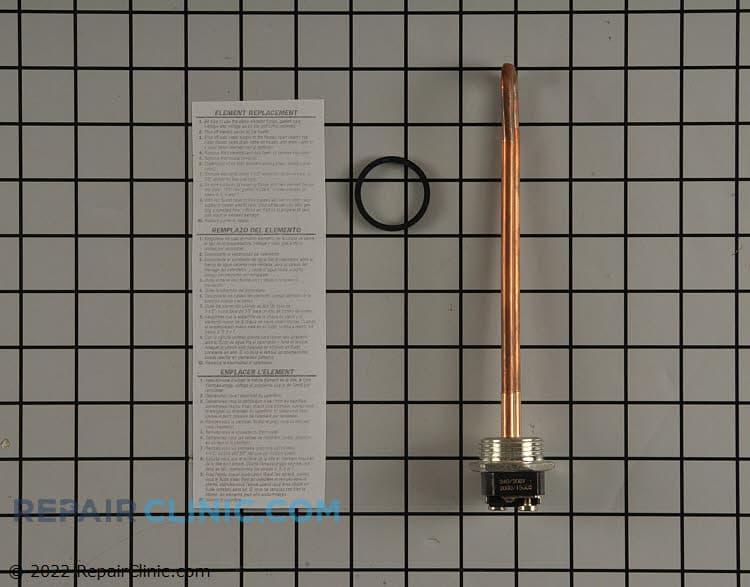
6000watt 240v heating element
Rheem GE40M06AAG Problems & Repair Solutions
Frequently Purchased Together For This Model


Ensure the performance of your GE GE40M06AAG Water Heater with genuine replacement parts from Repair Clinic. This is a 40 gallon electric water heater with double 4500 watt heating elements and a special porcelain lined tank. Whether you are troubleshooting a specific symptom or refreshing routine maintenance items, our inventory covers the thermostat, heating element, pressure relief valve, and anode rod this unit depends on most. Browse the complete GE parts catalog for every component built for this model.
About This GE Water Heater
This water heater is an electric model rather than a gas fired unit, a detail worth confirming up front since the model number alone does not make the fuel type obvious. It uses double 4500 watt heating elements, each controlled by its own thermostat so the upper and lower portions of the tank heat somewhat independently, and a patented resistor style element intended to reduce the sediment buildup that shortens element life on standard electric water heaters. GE branded water heaters like this one are manufactured under license by a major water heater producer rather than by GE’s own appliance division, which is why the gas control or electric heating components on GE branded tanks often share design roots with other brands from the same manufacturing group. This model carries a full 2 year in home warranty on parts and labor along with a longer limited warranty on the tank itself. Draining a few gallons from the tank’s bottom valve periodically helps remove loose sediment before it builds up enough to insulate the burner from the water above it and reduce efficiency. Keeping the area immediately around a gas water heater clear of stored boxes or flammable materials is a simple safety habit that also makes future service calls easier to perform. Listening for a popping or rumbling sound during heating cycles is worth noting, since it often signals sediment buildup on the tank floor well before any other symptom appears. Checking that the venting above a gas water heater remains clear and properly connected is worth a periodic look, since blocked venting is a safety issue as well as an efficiency one. Testing the pressure relief valve at least once a year, by briefly lifting the lever and confirming water flows freely and then stops, catches a stuck valve before it becomes a bigger problem. Setting the thermostat to a moderate temperature, typically around 120 degrees Fahrenheit, balances comfortable hot water delivery against the scald risk and energy cost of running the tank hotter than necessary. Draining a few gallons from the tank’s bottom valve periodically helps remove loose sediment before it builds up enough to insulate the burner from the water above it and reduce efficiency. Keeping the area immediately around a gas water heater clear of stored boxes or flammable materials is a simple safety habit that also makes future service calls easier to perform. Listening for a popping or rumbling sound during heating cycles is worth noting, since it often signals sediment buildup on the tank floor well before any other symptom appears. Checking that the venting above a gas water heater remains clear and properly connected is worth a periodic look, since blocked venting is a safety issue as well as an efficiency one. Testing the pressure relief valve at least once a year, by briefly lifting the lever and confirming water flows freely and then stops, catches a stuck valve before it becomes a bigger problem. Setting the thermostat to a moderate temperature, typically around 120 degrees Fahrenheit, balances comfortable hot water delivery against the scald risk and energy cost of running the tank hotter than necessary. Draining a few gallons from the tank’s bottom valve periodically helps remove loose sediment before it builds up enough to insulate the burner from the water above it and reduce efficiency. Keeping the area immediately around a gas water heater clear of stored boxes or flammable materials is a simple safety habit that also makes future service calls easier to perform. Listening for a popping or rumbling sound during heating cycles is worth noting, since it often signals sediment buildup on the tank floor well before any other symptom appears. Checking that the venting above a gas water heater remains clear and properly connected is worth a periodic look, since blocked venting is a safety issue as well as an efficiency one. Testing the pressure relief valve at least once a year, by briefly lifting the lever and confirming water flows freely and then stops, catches a stuck valve before it becomes a bigger problem. Setting the thermostat to a moderate temperature, typically around 120 degrees Fahrenheit, balances comfortable hot water delivery against the scald risk and energy cost of running the tank hotter than necessary. Draining a few gallons from the tank’s bottom valve periodically helps remove loose sediment before it builds up enough to insulate the burner from the water above it and reduce efficiency. Keeping the area immediately around a gas water heater clear of stored boxes or flammable materials is a simple safety habit that also makes future service calls easier to perform. Listening for a popping or rumbling sound during heating cycles is worth noting, since it often signals sediment buildup on the tank floor well before any other symptom appears. Checking that the venting above a gas water heater remains clear and properly connected is worth a periodic look, since blocked venting is a safety issue as well as an efficiency one. Testing the pressure relief valve at least once a year, by briefly lifting the lever and confirming water flows freely and then stops, catches a stuck valve before it becomes a bigger problem. Setting the thermostat to a moderate temperature, typically around 120 degrees Fahrenheit, balances comfortable hot water delivery against the scald risk and energy cost of running the tank hotter than necessary. Draining a few gallons from the tank’s bottom valve periodically helps remove loose sediment before it builds up enough to insulate the burner from the water above it and reduce efficiency. Keeping the area immediately around a gas water heater clear of stored boxes or flammable materials is a simple safety habit that also makes future service calls easier to perform. Listening for a popping or rumbling sound during heating cycles is worth noting, since it often signals sediment buildup on the tank floor well before any other symptom appears. Checking that the venting above a gas water heater remains clear and properly connected is worth a periodic look, since blocked venting is a safety issue as well as an efficiency one. Testing the pressure relief valve at least once a year, by briefly lifting the lever and confirming water flows freely and then stops, catches a stuck valve before it becomes a bigger problem. Setting the thermostat to a moderate temperature, typically around 120 degrees Fahrenheit, balances comfortable hot water delivery against the scald risk and energy cost of running the tank hotter than necessary.
Most Replaced Parts on the GE40M06AAG
Heating Element Problems on the GE40M06AAG
No hot water, or hot water that runs out quickly, often points to a failed heating element rather than the thermostat. Test each of the two 4500 watt elements for continuity individually, since one element failing while the other still works can produce lukewarm rather than completely cold water.
Thermostat Problems on the GE40M06AAG
Water that runs too hot, too cold, or inconsistently between uses often points to a miscalibrated or failed thermostat controlling one of the two heating elements. Confirm both upper and lower thermostat settings match before replacing either component.
Pressure Relief Valve Issues on the GE40M06AAG
A pressure relief valve that weeps water, even occasionally, must be replaced immediately rather than monitored, since it is a critical safety component that vents excess tank pressure. Test the valve annually by lifting the lever briefly and confirming water discharges and then stops cleanly.
Anode Rod and Tank Corrosion Problems on the GE40M06AAG
Rusty colored hot water or a rotten egg odor points to a depleted anode rod rather than a tank leak in most cases. Inspect the anode rod every 3 to 5 years and replace it once it has corroded to less than half its original diameter to protect the porcelain lining.
Why Choose Repair Clinic for GE40M06AAG Parts
- Tank matched parts: We stock heating elements, thermostats, and anode rods sized for this 40 gallon electric water heater’s double element design.
- Electrical safety: Always shut off power at the breaker before servicing either heating element or thermostat on this water heater, and confirm the circuit is de-energized before opening any access panel.
- Preventive maintenance guidance: Our repair help covers annual pressure relief valve testing and periodic tank flushing to remove sediment, two habits that extend the life of any electric water heater.
- 365 day returns: Order with confidence knowing every part is backed by our 365 day, no hassle return policy and helpful customer support.
GE40M06AAG Parts FAQ
Is this a gas or electric water heater?
It is an electric model with double 4500 watt heating elements, not a gas fired unit, despite some listings describing it inconsistently.
Why does hot water run out quickly?
A failed heating element is a common cause. Test each of the two elements individually, since one working element can still produce some hot water even if the other has failed.
How often should the anode rod be checked?
Inspect it every 3 to 5 years and replace it once it has corroded to less than half its original diameter to protect the tank lining.
What should I do if the pressure relief valve is leaking?
Replace it immediately. A weeping pressure relief valve is a safety component that should never be left unaddressed.


Talk With Us


Family-owned and operated since 1912, Burke America Parts Group is the longest-running genuine appliance, HVAC, and outdoor power equipment parts solution in North America. At Repair Clinic, we're proud to be an international brand trusted by the pros as well as the DIY community.
About Repair Clinic