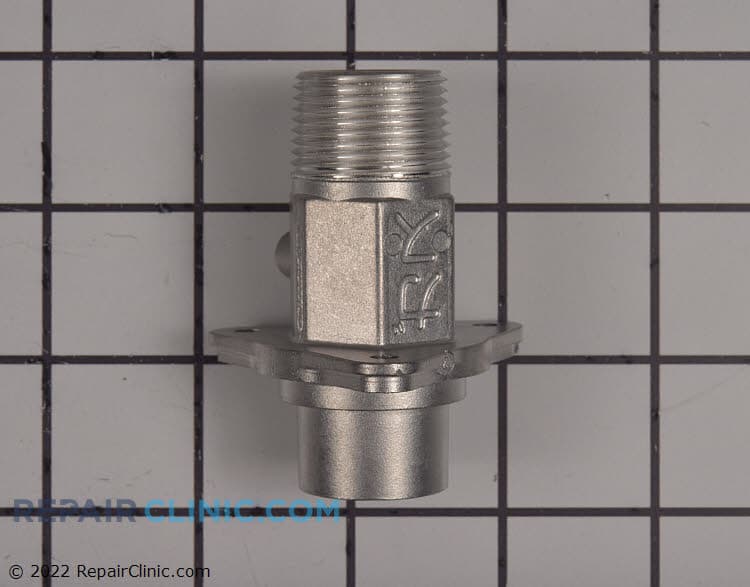
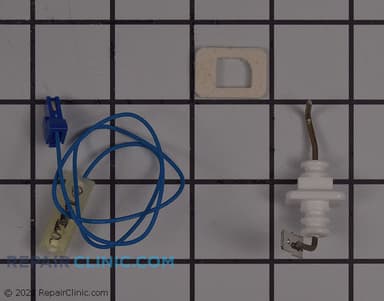
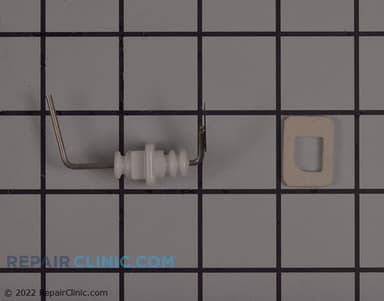
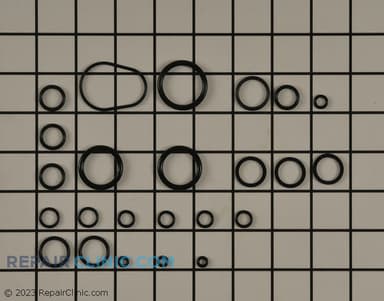
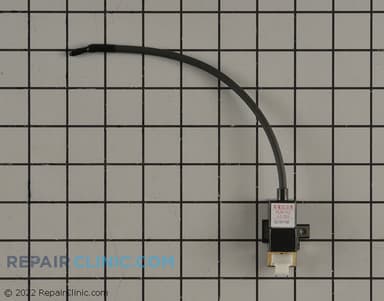
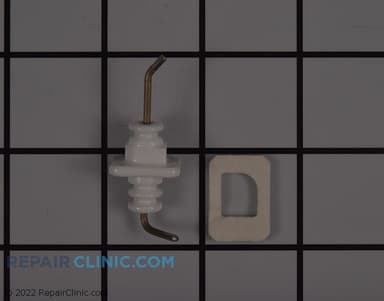
Keep hot water flowing from your Rheem RTGH-95DVLN-2 Tankless Water Heater with genuine OEM replacement parts from Repair Clinic. This is a Prestige series condensing tankless unit fueled by natural gas, rated up to 199,900 BTU input with a maximum flow of 9.5 gallons per minute. It is a direct vent indoor model with ultra low NOx burners and a stainless steel condensing heat exchanger. Because it heats water on demand with a modulating gas burner, its common repairs involve the flame rod, spark igniter, flow sensor, control board, and condensate components rather than the parts found in a storage tank heater. Browse the complete parts catalog for this model and confirm each part on the diagram before ordering.
Understanding Your RTGH-95DVLN-2 Tankless Water Heater
In the model number, RTGH identifies Rheem’s condensing tankless line, 95 reflects the 9.5 GPM maximum flow, DV indicates direct vent, LN indicates the low NOx natural gas version, and the 2 marks the product generation. When a hot water tap opens, the flow sensor detects water moving through the unit, and once flow passes the activation threshold of about 0.4 GPM, the control board starts the combustion fan, fires the spark igniter, and opens the gas valve. The flame rod confirms ignition, and the board modulates burner output to hold the set temperature as flow changes. Because the unit extracts enough heat to condense water from the exhaust, it produces acidic condensate that drains through a trap and, in most installations, a neutralizer. This unit has no tank, so it has no anode rod, dip tube, or electric heating element, and temperature is controlled by electronic sensors and the control board rather than a tank thermostat. When something goes wrong, the digital display shows an error code that points to the failed system. Record the code before replacing parts, and refer to the manual for its meaning.
Most Replaced Parts on the RTGH-95DVLN-2 Tankless Water Heater
Flame Rod and Ignition Faults
The flame rod proves that the burner has lit. If it is coated with deposits or its wire connection is loose, the control board will shut the gas valve moments after ignition and display an ignition or flame failure code. The spark igniter can also wear, producing a weak spark that fails to light the burner consistently. Check for low gas pressure first, since an undersized gas line is a common cause of ignition errors on a 199,900 BTU unit. Then inspect the flame rod and igniter electrodes for damage or buildup before replacing them.
Flow Sensor and Inlet Filter Problems
If the unit does not fire when a tap opens, or hot water cuts in and out at low flow, the flow sensor may not be detecting water movement correctly. Before replacing the sensor, remove and clean the cold water inlet filter screen, which traps sediment and can restrict flow below the activation point. A clogged screen produces the same symptoms as a failed sensor. If the screen is clean and the display shows no flow while water is clearly running, replace the flow sensor.
Condensate Drain and Neutralizer Service
Condensing tankless heaters produce acidic condensate during every heating cycle. If the condensate trap or drain line clogs, water can back up into the unit and trigger a shutdown error. Inspect the drain line for kinks or blockage and confirm it slopes properly to the drain. If a neutralizer is installed, its media is gradually consumed and should be checked and replenished on a regular schedule. Keeping this drain path clear protects the heat exchanger and the combustion fan from corrosion caused by standing condensate.
Heat Exchanger Scale and Descaling
Hard water leaves mineral scale inside the heat exchanger, which reduces heat transfer, causes temperature swings, and can trigger overheat errors. This unit includes a maintenance notice setting that can alert you when service is due. Flushing the heat exchanger with a descaling solution through the service valves restores performance in most cases. A heat exchanger replacement is only needed if it is leaking or severely damaged, so flush first and check for leaks before ordering this major component.
Why Choose Repair Clinic for RTGH-95DVLN-2 Parts?
- Genuine Rheem Tankless Parts: We carry OEM components for the Prestige condensing tankless platform, including flame rods, igniters, flow sensors, and control boards built for this unit’s modulating burner system.
- Accurate Part Identification: Model specific diagrams help separate tankless components from storage tank parts, so you order the sensor or control that actually fits this heater.
- Repair Help Resources: Our water heater repair guides explain inlet filter cleaning, descaling, and condensate drain checks that solve many problems without new parts.
- Fast Shipping and Easy Returns: Most in-stock parts ship the same business day, and eligible parts are backed by our 365 day return policy.
Frequently Asked Questions
Does this water heater have an anode rod or heating element?
No. This is a gas fired condensing tankless heater with no storage tank, so it has no anode rod, dip tube, or electric heating element. Temperature is regulated by electronic sensors and the control board.
Why does my tankless water heater show an ignition error?
Common causes include low gas pressure, a dirty or loose flame rod, a worn spark igniter, or a blocked vent. Check gas supply and venting first, then inspect the flame rod and igniter.
How often should a condensing tankless heater be descaled?
Most homes benefit from flushing the heat exchanger about once a year, and more often in hard water areas. The unit’s maintenance notice setting can remind you when service is due.
Why do I get no hot water at low flow?
The unit needs about 0.4 GPM of flow to activate. A clogged inlet filter screen, low flow fixture, or failing flow sensor can keep it from firing. Clean the inlet screen first.