


 365-Day Return PolicyPrice Match GuaranteeIn-stock parts ship the same day365-Day Return PolicyPrice Match GuaranteeIn-stock parts ship the same day365-Day Return Policy
Insinkerator 333 Garbage Disposer Parts
Shop replacement repair parts for Insinkerator Garbage Disposer model 333




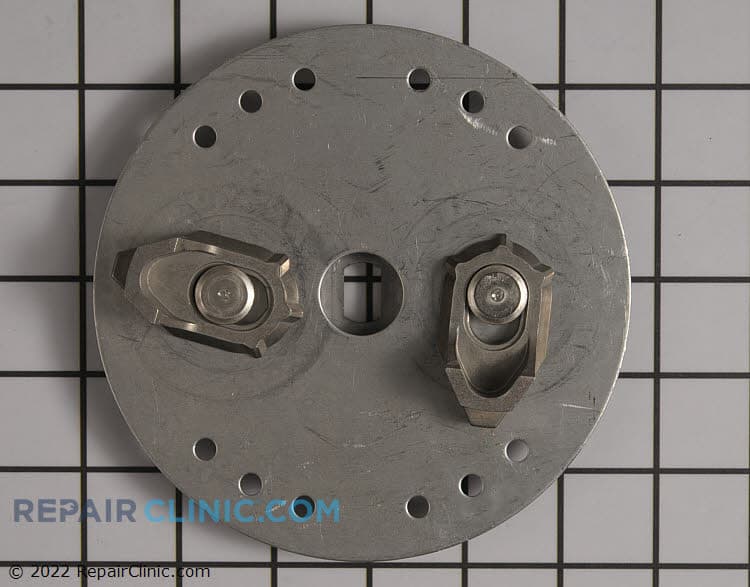
Grinding Disc with Blades
Insinkerator 333 Problems & Repair Solutions
Frequently Purchased Together For This Model
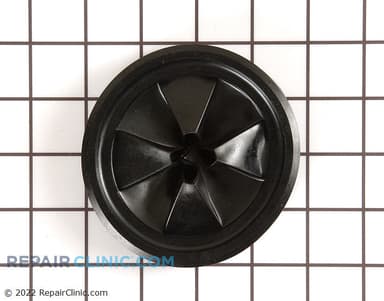
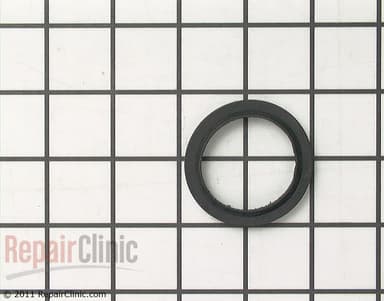
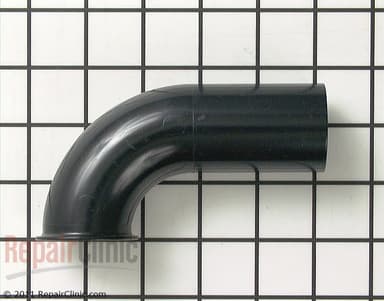
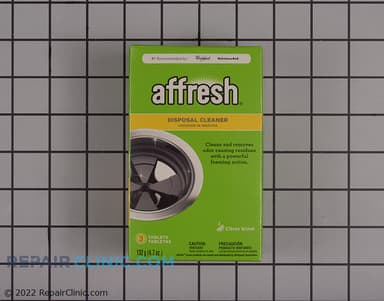
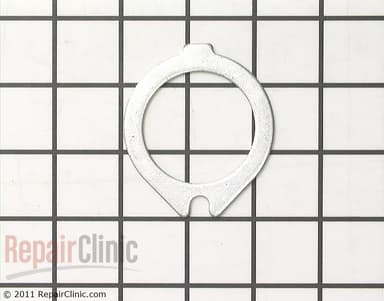
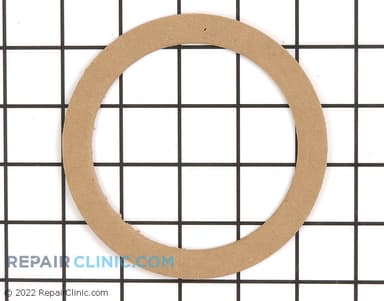
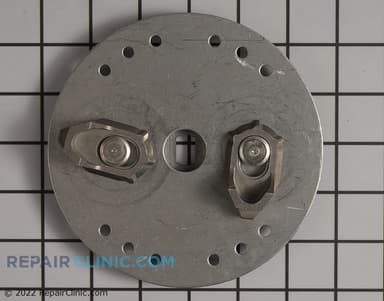
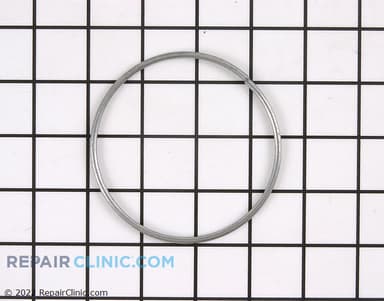
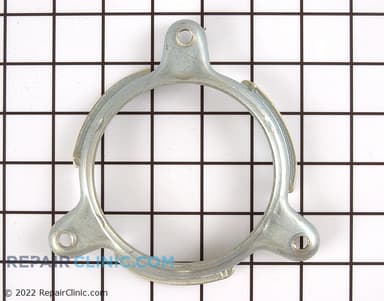
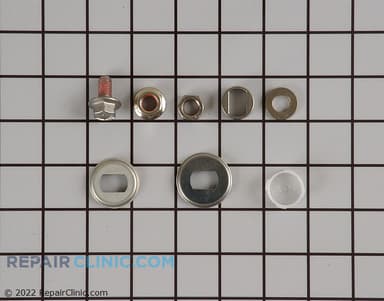

Ensure the performance of your InSinkErator 333 Garbage Disposer with genuine replacement parts from Repair Clinic. This is a residential garbage disposer from InSinkErator’s numbered series, using a direct drive or permanent magnet motor depending on the exact variant installed. Whether you are troubleshooting a specific symptom or refreshing routine maintenance items, our inventory covers the motor, and switch this unit depends on most. Browse the complete InSinkErator parts catalog for every component built for this model.
About This InSinkErator Garbage Disposer
InSinkErator’s numbered disposer lineup, including this model and its Pro and Contractor variants, uses either a permanent magnet or an induction motor depending on the specific model and horsepower tier, mounted beneath the sink and secured to the drain flange with a twist and lock mounting assembly common across most InSinkErator residential units. A jammed disposer, the most common service call for this style of unit, is almost always a mechanical obstruction rather than a true motor failure, and the manual reset button on the bottom of the unit is designed to protect the motor from a thermal overload rather than fix the jam itself. Splash guards and mounting gaskets wear out from repeated flexing and hot water exposure well before the grinding chamber or motor typically fail, which is why they are among the most frequently replaced parts on a disposer of this age. Running cold water, rather than hot, while the disposer operates helps solidify any grease passing through so it can be ground and flushed away rather than coating the inside of the drain line. Grinding a few ice cubes periodically helps dislodge minor buildup on the impellers and freshen the smell of the disposer without any special cleaning product. Avoiding starchy scraps like potato peels, which release a paste-like substance when ground, helps prevent the slow clogs that build up gradually rather than causing an immediate jam. Running the disposer briefly with cold water even on days it sees light use helps keep the internal components from sitting idle long enough to develop rust or mineral buildup. Keeping a small brush handy for cleaning the underside of the splash guard helps remove trapped food particles that are a common source of lingering odor. Running cold water, rather than hot, while the disposer operates helps solidify any grease passing through so it can be ground and flushed away rather than coating the inside of the drain line. Grinding a few ice cubes periodically helps dislodge minor buildup on the impellers and freshen the smell of the disposer without any special cleaning product. Avoiding starchy scraps like potato peels, which release a paste-like substance when ground, helps prevent the slow clogs that build up gradually rather than causing an immediate jam. Running the disposer briefly with cold water even on days it sees light use helps keep the internal components from sitting idle long enough to develop rust or mineral buildup. Keeping a small brush handy for cleaning the underside of the splash guard helps remove trapped food particles that are a common source of lingering odor. Running cold water, rather than hot, while the disposer operates helps solidify any grease passing through so it can be ground and flushed away rather than coating the inside of the drain line. Grinding a few ice cubes periodically helps dislodge minor buildup on the impellers and freshen the smell of the disposer without any special cleaning product. Avoiding starchy scraps like potato peels, which release a paste-like substance when ground, helps prevent the slow clogs that build up gradually rather than causing an immediate jam. Running the disposer briefly with cold water even on days it sees light use helps keep the internal components from sitting idle long enough to develop rust or mineral buildup. Keeping a small brush handy for cleaning the underside of the splash guard helps remove trapped food particles that are a common source of lingering odor. Running cold water, rather than hot, while the disposer operates helps solidify any grease passing through so it can be ground and flushed away rather than coating the inside of the drain line. Grinding a few ice cubes periodically helps dislodge minor buildup on the impellers and freshen the smell of the disposer without any special cleaning product. Avoiding starchy scraps like potato peels, which release a paste-like substance when ground, helps prevent the slow clogs that build up gradually rather than causing an immediate jam. Running the disposer briefly with cold water even on days it sees light use helps keep the internal components from sitting idle long enough to develop rust or mineral buildup. Keeping a small brush handy for cleaning the underside of the splash guard helps remove trapped food particles that are a common source of lingering odor. Running cold water, rather than hot, while the disposer operates helps solidify any grease passing through so it can be ground and flushed away rather than coating the inside of the drain line. Grinding a few ice cubes periodically helps dislodge minor buildup on the impellers and freshen the smell of the disposer without any special cleaning product. Avoiding starchy scraps like potato peels, which release a paste-like substance when ground, helps prevent the slow clogs that build up gradually rather than causing an immediate jam. Running the disposer briefly with cold water even on days it sees light use helps keep the internal components from sitting idle long enough to develop rust or mineral buildup. Keeping a small brush handy for cleaning the underside of the splash guard helps remove trapped food particles that are a common source of lingering odor. Running cold water, rather than hot, while the disposer operates helps solidify any grease passing through so it can be ground and flushed away rather than coating the inside of the drain line. Grinding a few ice cubes periodically helps dislodge minor buildup on the impellers and freshen the smell of the disposer without any special cleaning product. Avoiding starchy scraps like potato peels, which release a paste-like substance when ground, helps prevent the slow clogs that build up gradually rather than causing an immediate jam. Running the disposer briefly with cold water even on days it sees light use helps keep the internal components from sitting idle long enough to develop rust or mineral buildup. Keeping a small brush handy for cleaning the underside of the splash guard helps remove trapped food particles that are a common source of lingering odor. Running cold water, rather than hot, while the disposer operates helps solidify any grease passing through so it can be ground and flushed away rather than coating the inside of the drain line.
Most Replaced Parts on the 333
Jammed or Humming Disposer on the 333
A disposer that hums but will not spin almost always has an object lodged against the impeller rather than a failed motor. Turn off power at the switch, use the offset wrench that fits the reset hole on the bottom of the unit to manually rotate the flywheel, then clear any visible debris before restoring power.
Reset Button Tripping Repeatedly on the 333
If the reset button keeps tripping shortly after being pushed, the motor is overheating due to an obstruction or overload rather than a wiring fault in most cases. Clear any jam first and allow the motor to cool for several minutes before resetting again.
Leaking Splash Guard or Mounting Seal on the 333
Water leaking from around the sink flange or the rubber splash guard usually points to a worn gasket or a cracked splash guard rather than a cracked disposer housing. These rubber components degrade from age and hot water exposure well before the grinding chamber itself typically fails.
No Power or Dead Disposer Problems on the 333
If the disposer shows no sign of power at all, check the wall switch, the reset button, and the electrical connection at the unit before assuming the motor has failed outright. A tripped circuit breaker feeding the switch is also worth ruling out.
Why Choose Repair Clinic for 333 Parts
- Genuine matched parts: We stock splash guards, mounting gaskets, and switches sized for this InSinkErator model and its Pro and Contractor variants.
- Electrical and drain safety: Always disconnect power at the switch or breaker before reaching into the disposer to clear a jam, and never use bare hands to reach past the splash guard while the unit is connected to power.
- Preventive maintenance guidance: Our repair help covers avoiding fibrous scraps and running cold water during operation, two habits that prevent most jams on a disposer this size.
- 365 day returns: Order with confidence knowing every part is backed by our 365 day, no hassle return policy and helpful customer support.
333 Parts FAQ
Why does the disposer hum but not spin?
An object lodged against the impeller is the most common cause. Use the offset wrench in the reset hole to manually rotate the flywheel and clear the jam before restoring power.
Why does the reset button keep tripping?
The motor is overheating from an obstruction or overload in most cases. Clear any jam and let the motor cool for several minutes before resetting again.
Why is water leaking from around the sink flange?
A worn mounting gasket or a cracked splash guard is the most likely cause, since these rubber components wear out well before the disposer housing itself typically fails.
What should never go down this disposer?
Fibrous scraps like celery and corn husks, along with grease and bones, are common causes of jams and should be avoided regardless of disposer model.


Talk With Us


Family-owned and operated since 1912, Burke America Parts Group is the longest-running genuine appliance, HVAC, and outdoor power equipment parts solution in North America. At Repair Clinic, we're proud to be an international brand trusted by the pros as well as the DIY community.
About Repair Clinic