


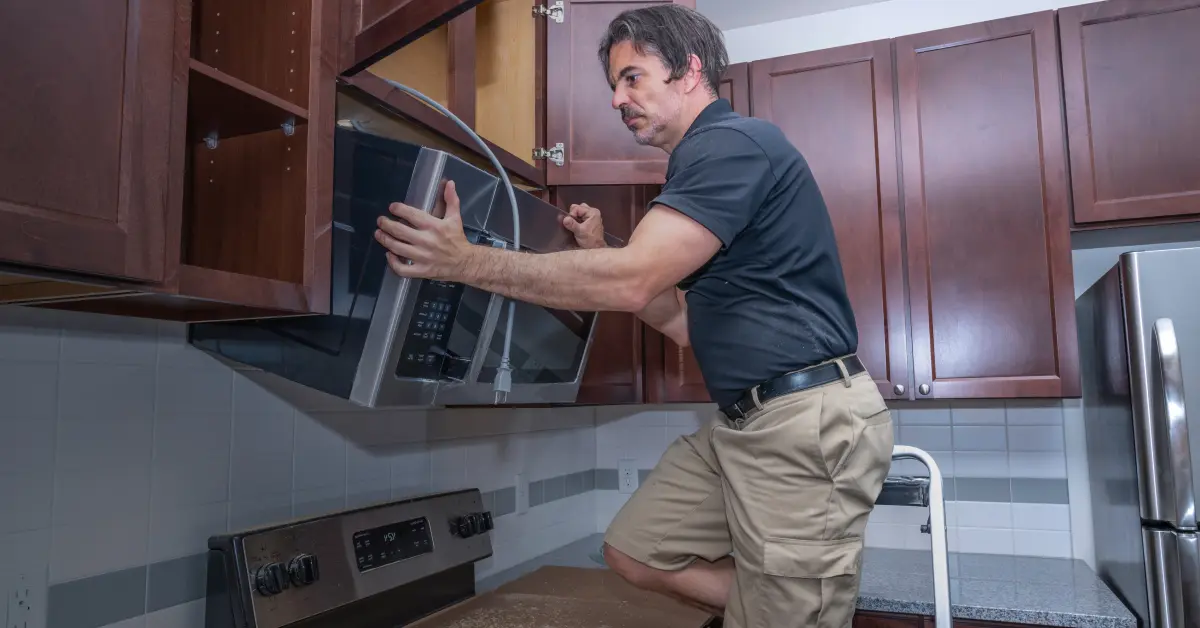
A microwave that stops working usually has one of three problems: a blown fuse, a faulty door switch, or a failed heating component like the diode or magnetron. Understanding which failure you are dealing with makes the repair more straightforward. This guide walks through common causes of a microwave not working, from simple power issues to high-voltage component failures, so you can diagnose the problem and find the right replacement part.
Why Did My Microwave Stop Working? Common Causes Explained
Most microwaves stop working because the electrical path was interrupted. A blown fuse cuts power to the entire unit. A failed door switch prevents the microwave from detecting a closed door, which the appliance requires before it will operate. A failed heating component, like the diode or magnetron, lets the microwave power on but stops it from producing heat. Each of these failures has specific symptoms that point you toward the right part.
For a full symptom-based diagnostic path, start with Repair ClinicÂ’s microwave not working troubleshooting page.
Microwave Runs But Will Not Heat: Causes and Fixes
If your microwave powers on, the turntable spins, and the timer counts down but the food stays cold, the issue is usually in the high-voltage heating circuit, not the main power path. Three components are responsible for many cases of a microwave that runs without heating:
- Diode: The high-voltage diode converts AC power to DC for the magnetron. A burned-out diode is one of the most common causes of a microwave that runs without heating. Diodes can sometimes show a crack or burn mark, but always test with a multimeter to confirm failure before replacing.
- Magnetron: The magnetron generates the microwave energy that heats food. A failed magnetron means the microwave will not heat at all. Magnetron replacement is a more involved repair and carries high-voltage risk.
- High-voltage capacitor: The capacitor works with the diode to supply the magnetron with voltage. A failed capacitor can cause the same symptom as a failed diode: the microwave runs but produces no heat.
High-voltage parts can retain a dangerous electrical charge even after the microwave is unplugged. If you are not trained to safely discharge and test the capacitor, have an experienced technician handle this part of the repair.
How to Check a Microwave Fuse and Other Safety Components
The most common cause of a microwave that will not work at all, with no display, no light, and no response, is a blown main fuse. The main fuse cuts the flow of electricity when current exceeds safe levels. When it blows, the microwave may go completely dark.
Before you test anything, follow these safety steps:
- Unplug the microwave from the wall outlet.
- Discharge the high-voltage capacitor before touching internal components.
- Remove the fuse from the appliance.
- Set your multimeter to the lowest Ohms setting or continuity mode.
- Touch the leads to each fuse terminal. A reading near zero Ohms or a continuity beep means the fuse is good. No continuity means the fuse is blown and needs replacement.
How do I know if my microwave fuse is blown?
A blown fuse usually means the microwave is completely dead: no display, no light, and no response at all. To confirm, unplug the unit, discharge the capacitor, remove the fuse, and test it with a multimeter. If the meter shows no continuity, the fuse is blown. Before replacing it, test the door switches because a shorted switch is a common reason a microwave repeatedly blows fuses.
If the line fuse has failed, replace it with the correct model-specific microwave line fuse. Do not install a higher-rated fuse or bypass the fuse, since it is part of the microwaveÂ’s safety system.
Thermal Fuses, Thermostats, and Thermoprotectors Can Also Stop a Microwave
Beyond the main line fuse, microwaves may also use thermal fuses, thermostats, and thermoprotectors to interrupt power when the appliance overheats. These parts protect the microwave from unsafe temperatures around the cavity, magnetron, or control area.
A failed microwave thermal fuse or microwave thermoprotector can stop the unit from powering on or heating. Test these parts with a multimeter for continuity. If one has opened and does not reset, replace it with the correct part for your model.
A Faulty Door Switch Can Stop Your Microwave
Microwaves have multiple door switches that confirm the door is fully closed before the appliance will operate. A faulty door switch can stop the microwave even when the door appears closed and latched. Door switches are also a common cause of repeated fuse failures because a shorted switch can send excess current through the fuse.
Can a bad door switch stop a microwave from working?
Yes. A microwave will not run unless its door switches confirm that the door is closed. A single failed switch can prevent the microwave from starting. A shorted switch can also blow the main fuse repeatedly, especially if the fuse fails again soon after replacement.
If the switch housing is cracked, loose, or misaligned, the switches may not actuate correctly even when the door closes. In that case, the microwave latch switch holder may need to be replaced along with the defective switch.
Why Does My Microwave Start Then Stop?
If your microwave runs for a few seconds and then shuts off, the most likely causes are a faulty door switch, a failing high-voltage transformer, a defective thermostat, or a control board fault. The door switch is the first thing to test because an intermittent connection can let the microwave start and then cut power mid-cycle.
A microwave thermostat can also stop operation if it senses an over-temperature condition or fails electrically. Test the thermostat for continuity and replace it if it does not match the expected reading for your model.
Microwave Made a Loud Pop and Stopped Working
A loud pop followed by a complete shutdown usually points to one of three components:
- High-voltage diode: A failed diode can arc and produce an audible pop before cutting power to the heating circuit.
- Main fuse: A fuse that blows under a sudden overcurrent spike can produce a sharp pop. The microwave may be completely unresponsive afterward.
- Magnetron: A shorted magnetron can fail loudly, especially if it arcs internally.
In all three cases, unplug the microwave and discharge the capacitor before testing any internal parts. If you are not comfortable working around high-voltage components, do not open the cabinet.
Can the Control Board Cause a Microwave to Stop Working?
Yes, but the control board should usually be checked after simpler parts have been ruled out. A failed board may prevent the microwave from starting, responding to keypad input, or sending voltage to other components. However, fuses, door switches, thermostats, power supply problems, and high-voltage components are more common causes of a microwave that suddenly stops working.
If the microwave has proper incoming power and the fuses, switches, and thermostats test correctly, compare model-specific options for the microwave control board. Some models may also use a separate microwave main control board.
Can a Bad Diode Stop a Microwave From Heating?
Yes. A failed diode can allow the microwave to run while preventing the high-voltage circuit from producing heat. You may hear normal fan or turntable operation, but the food stays cold. The diode often fails after a high-voltage surge or as other heating components wear.
If the microwave runs but does not heat, and the fuse and door switches test correctly, the microwave diode is one of the next parts to inspect. Because the diode is in the high-voltage circuit, discharge the capacitor before testing or replacing it.
Microwave Safety: Always Unplug and Discharge Capacitors First
Microwave repair carries a higher risk than many appliance repairs because of the high voltage stored in the capacitor. The capacitor can retain a dangerous charge even after the microwave is unplugged. Always discharge it before touching any internal component.
For high-voltage parts like the magnetron, capacitor, diode, and transformer, professional service is recommended. For fuses, thermostats, and door switch related repairs, DIY repair may be possible with basic tools, proper testing, and careful safety steps.
Can I use my microwave if it stopped heating but still turns on?
No. A microwave that runs but does not heat is still a failed appliance. The heating circuit is not working, which means it is using energy without doing its job. A failed diode, capacitor, or magnetron can also create unsafe operating conditions over time. Diagnose and repair the problem rather than continuing to run the unit.
Find the Right Microwave Parts at Repair Clinic
Repair Clinic stocks the parts commonly needed to fix a microwave that stopped working, including fuses, thermal fuses, thermoprotectors, latch switch holders, thermostats, diodes, control boards, and related components. Enter your microwaveÂ’s full model number to see compatible parts for your appliance.
Start with the main microwave repair help page if you are still narrowing down the symptom, or shop the full selection of microwave replacement parts by model number.
For a video-style overview of the same symptom, review Repair ClinicÂ’s microwave is not working troubleshooting guide.
Frequently Asked Questions About Microwave Repair
What would cause a microwave to suddenly stop working?
The most common causes are a blown line fuse, a faulty door switch, a failed thermal fuse, a bad thermostat, or a high-voltage component failure. Start by checking incoming power and the fuse, then test the door switches before replacing more expensive components.
Why is my microwave running but not heating food?
If the microwave powers on and the turntable spins but food stays cold, the problem is usually in the high-voltage heating circuit. Common causes include a burned-out diode, failed magnetron, bad capacitor, or related high-voltage wiring problem. These parts require extra caution because the capacitor can hold a dangerous charge.
Is it safe to repair a microwave yourself?
Some repairs, like replacing a fuse, thermostat, or door switch, may be manageable for experienced DIYers who know how to discharge the capacitor safely. High-voltage repairs involving the magnetron, capacitor, diode, or transformer are more dangerous and are better handled by a trained technician.
How do I reset a microwave that stopped working?
Most microwaves do not have a dedicated reset button. To attempt a soft reset, unplug the unit for 60 seconds and plug it back in. If a tripped breaker caused the outage, reset the breaker as well. If the microwave still does not respond, the issue is likely a failed fuse, switch, thermostat, control board, or other hardware component.
Why does my microwave keep blowing fuses?
A microwave that repeatedly blows fuses often has a shorted door switch, misaligned latch switch holder, failed monitor switch, or another electrical short. Do not keep replacing the fuse without finding the root cause. A new fuse should only be installed after the switches and related safety components test correctly.
What should I check before replacing the microwave control board?
Before replacing the control board, check the outlet, breaker, line fuse, thermal fuse, thermoprotector, door switches, latch switch holder, and thermostat. Control boards can fail, but they are commonly misdiagnosed when a simpler safety part has opened the circuit.




