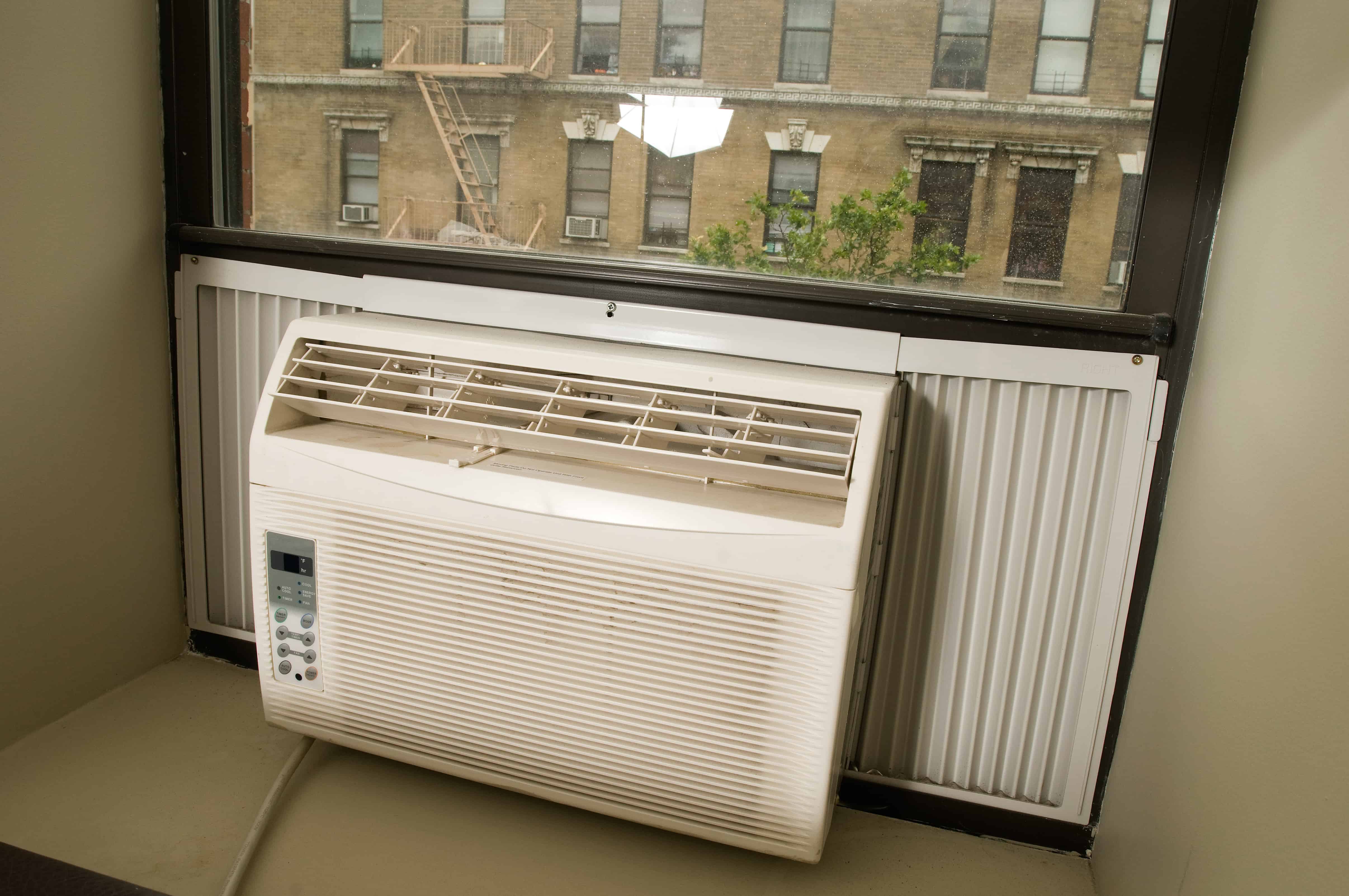
Cleaning a wall or window air conditioner is one of the most useful maintenance steps for preserving airflow and cooling performance. Dust, pollen, and grime build up on the filter, coils, and fins, which can make the unit work harder and cool less effectively. This guide covers how to clean a wall or window AC unit step by step, from the filter to the coils and fins, plus routine maintenance that helps prevent common airflow and drainage problems.
Why Cleaning Your Wall or Window AC Unit Matters
A wall or window air conditioner pulls indoor air across a set of cold coils, removes heat and moisture, and returns cooled air to the room. Every part of that path collects dust over a season. A clogged filter and dirty coils restrict airflow, which drops cooling performance, raises energy bills, and can cause the unit to freeze up or shut down. Regular cleaning keeps airflow strong and the coils able to do their job. If a part is worn beyond cleaning, you can match a replacement to your unit with your model number and the correct air conditioner parts for your exact model.
Check the filter about every 30 days during heavy cooling-season use, or follow the interval in the owner's manual. Dusty homes and homes with pets may need more frequent cleaning. Give the coils and fins a deeper inspection and cleaning at the start of the cooling season. If you are not sure where to find your model number, see how to find your air conditioner model number.
What You Will Need
Cleaning a wall or window AC unit takes about 45 to 60 minutes and needs only basic supplies:
- Screwdriver or nut driver, if the front cover is secured with screws
- Vacuum with a brush attachment
- Soft brush or fin comb
- Mild dish soap and warm water
- Spray bottle, and a no-rinse coil cleaner if the coils are heavily soiled
- Microfiber cloths or sponges
- Work gloves and a towel to catch drips
How to Clean the Air Conditioner Filter
The filter is the first component to check because it protects the airflow path behind the grille. Many wall and window AC units use a washable, reusable filter located directly behind the front grille, but the cleaning method varies by model.
- Unplug the unit or shut off power at the breaker.
- Remove or open the front grille. Some grilles snap off, others are held by a screw or two. On a through-the-wall unit, you may need to remove the front cover to reach the filter.
- Slide the filter out. Note which way it faces so you can reinstall it the same way.
- Vacuum loose dust from the filter, then wash it in warm water with a little mild dish soap.
- Rinse thoroughly and let the filter air dry completely. Never reinstall a damp filter, because moisture promotes mold and odor.
- If the filter is torn, brittle, or no longer sealing, replace it rather than reusing it.
A clean filter restores airflow immediately and is the fix for many "my AC is not cooling well" complaints. If the filter is damaged, match a replacement to your model with the correct air conditioner parts.
How to Clean the Coils and Fins
Behind the filter sit the evaporator coils (the cold coils facing the room) and, at the back of the unit, the condenser coils. Both collect dust that insulates them and blocks heat transfer. Cleaning them is what separates a quick filter rinse from a real deep clean.
- With the unit unplugged, vacuum the evaporator coils gently with a brush attachment to lift loose dust. Work in the direction of the fins so you do not bend them.
- For heavier buildup, apply a no-rinse coil cleaner made for AC coils and let it work according to the product directions. Avoid harsh household cleaners that can corrode the aluminum.
- Straighten any bent fins with a fin comb. Bent fins block airflow just like dust does.
- If you can access the rear condenser coils safely, vacuum and brush them the same way. On many wall and window units this means removing the unit from the sleeve or window, so only do this if you can handle the weight safely.
- Wipe out the base pan and clear the drain channel so condensate can drain freely.
Clean coils and straight fins let the unit move heat efficiently, which lowers runtime and energy use. If the fan blade or blower wheel behind the coils is cracked or clogged with debris, you can match a replacement air conditioner fan blade to your unit.
How to Clean the Housing, Grille, and Drain
The exterior cabinet and the front grille collect dust and can grow mildew where moisture sits. Wipe the housing and grille with a cloth dampened in warm, soapy water, then dry them. Clean the louvers and vents where dust settles. Check the drain channel and drain hole at the base of the unit, and clear any blockage so condensate flows out instead of pooling inside, which is a common cause of musty odor and water dripping into the room.
If the unit still smells musty after cleaning, moisture or buildup may remain in the drain pan, base pan, or on the coils. Recheck those areas and let the interior dry completely. If your model has a fan-only mode, running the fan for a short period after cleaning can help dry the interior before the next cooling cycle.
How to Reassemble and Test
Once every part is completely dry, reinstall the filter in the correct direction, close or reattach the front grille, and restore power. Set the unit to cool and confirm that airflow is strong and the unit begins cooling normally. If airflow is still weak, recheck filter installation, coil and fin condition, and fan operation before replacing parts.
Wall and Window AC Maintenance Tips
Cleaning is the core of wall and window AC maintenance, but a few habits keep the unit running longer:
- Check the filter about every 30 days during heavy use, or follow the owner's manual, and inspect the coils and fins at the start of each cooling season.
- Keep the exterior side of a through-the-wall or window unit clear of leaves, debris, and shrubbery so it can exhaust heat.
- Check the sleeve or window seal each season so cooled air is not leaking out around the cabinet.
- If the model has a fan-only mode, run the fan for a short period after cleaning or before seasonal shutdown to help dry the interior.
- Cover or remove a window unit in the off season, and confirm the drain stays clear.
If your unit is not cooling, cycling on and off, leaking, or making noise even after a full cleaning, the problem may be a worn part rather than dirt. Use the air conditioner repair help page to troubleshoot the symptom, then match the part to your model.
Frequently Asked Questions About Cleaning a Wall or Window AC Unit
How often should I clean my wall or window air conditioner?
Check the filter about every 30 days during heavy cooling-season use, or follow the owner's manual. Units in dusty environments or homes with pets may need more frequent filter cleaning. Inspect the coils, fins, and drain at least at the start of the cooling season and clean them when buildup is visible.
Can I clean a through-the-wall air conditioner without removing it?
Yes, for routine cleaning. You can remove the front grille, take out and wash the filter, and vacuum and clean the evaporator coils and fins while the unit stays in the wall sleeve. A full deep clean of the rear condenser coils may require removing the unit from the sleeve, so only do that if you can handle the weight safely.
What can I use to clean AC coils?
Use a vacuum with a brush attachment for loose dust, and a no-rinse coil cleaner made for air conditioner coils for heavier buildup. Avoid harsh household cleaners that can corrode the aluminum fins. Straighten any bent fins with a fin comb so airflow is not restricted.
Why does my wall AC smell bad after I turn it on?
A musty smell usually means moisture and organic buildup remain in the drain pan, base pan, or on the coils. Clean those areas, clear the drain channel, and let the unit dry completely. If the model has a fan-only mode, run the fan for a short period after cleaning to help dry the interior. If the odor persists, recheck the drain and coil areas for remaining buildup.
Why is my AC not cooling well even after cleaning?
If cooling is still weak after a full cleaning, check that the filter was completely dry when reinstalled and that the coils and fins are clean and straight. Persistent weak cooling can point to a worn fan blade, fan motor, or a sealed-system issue rather than dirt. Troubleshoot the symptom through the air conditioner repair help page and match any needed part to your model number.
Is it worth cleaning an old window air conditioner?
Yes, when dirt or restricted airflow is contributing to poor performance. Cleaning can restore airflow and help the unit operate more efficiently. If the unit still will not cool after a thorough cleaning and symptom check, compare the needed repair with the age and condition of the unit.
Find Wall and Window AC Parts for Your Model
When cleaning is not enough, use the model number to identify the right replacement part. Use the Air Conditioner Parts link above for model-specific filters and related components, or browse heating and cooling parts by category. If the unit still has a cooling, leaking, airflow, or noise problem after cleaning, use the linked Air Conditioner Repair Help path before replacing parts.