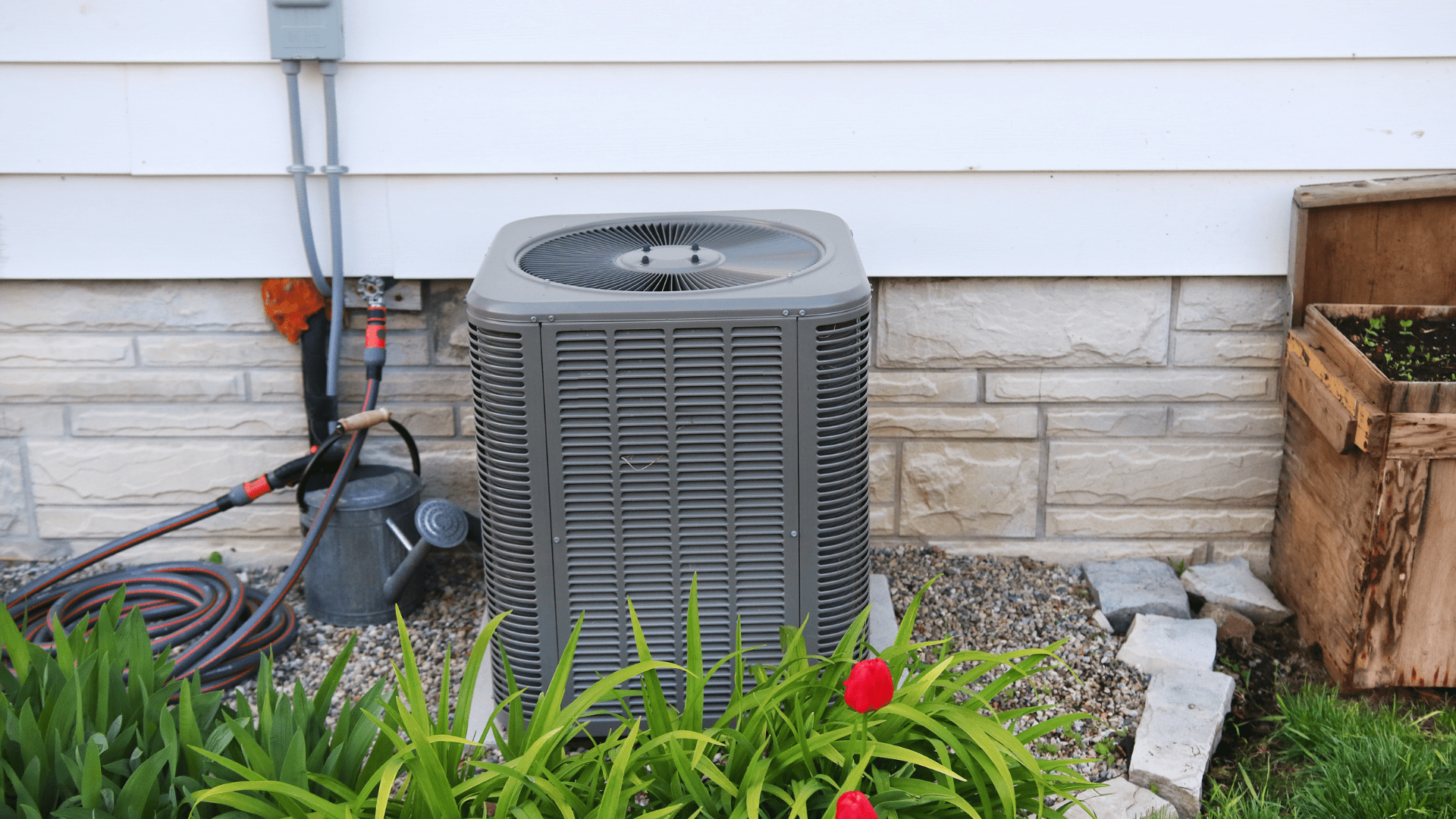
If you need to troubleshoot and fix a central air conditioning unit, start with the thermostat, Air Filter, airflow, outdoor unit condition, and power before replacing parts. This guide combines Repair Clinic troubleshooting with the most common central AC problems, likely solutions, and replacement parts so you can identify what you can fix safely and when to call an HVAC technician.
When repairing an air conditioner, the symptom should determine the diagnostic path. A system that will not turn on calls for different checks than one that runs but does not cool, leaks at the air handler, short cycles, freezes, or trips a breaker. The goal of central air conditioning repair is to rule out simple causes first, then test the part most directly tied to the symptom.
Start Here: How to Troubleshoot and Fix Central Air
To fix a central air conditioning unit efficiently, identify the exact symptom and use the full model number before ordering a replacement part. You can browse Central Air Conditioner Parts by model, and use the Central Air Conditioner model number guide if you are not sure where the model tag is located.
Safety: Disconnect power at the outlet or the circuit breaker before opening the appliance or testing electrical components. Central air condensing units use high voltage. If a diagnosis requires live-voltage testing and you are not trained to do it safely, stop and contact a qualified HVAC technician.
Key takeaways
- Start with thermostat settings, the Air Filter, registers, outdoor debris, and power before replacing electrical parts.
- If the system runs but does not cool, check airflow before the Contactor, Dual Run Capacitor, motors, controls, or sealed system.
- A noisy outdoor unit often points to debris, a loose panel, Fan Blade, or fan-motor bearing problem.
- A Condenser Fan Motor that will not run can be caused by a failed Capacitor or the motor itself.
- Repeated breaker trips, compressor failure, refrigerant leaks, and sealed-system work should be handled by a qualified technician.
On this page
How a Central Air Conditioner Works
A central air conditioning system uses an indoor furnace or air handler and an outdoor condensing unit. The indoor side moves air across the evaporator coil and through the home's ductwork. The outdoor unit contains the condenser coil, Condenser Fan Motor and Fan Blade, plus components such as the Compressor, Contactor and Capacitor.
When the Wall Thermostat calls for cooling, the furnace or air-handler controls send a low-voltage signal to the outdoor Contactor. The Contactor closes the high-voltage circuit that powers the Compressor and Condenser Fan Motor. Many systems use a Dual Run Capacitor that supports both the Compressor and fan motor. The Compressor circulates refrigerant through the condenser and evaporator coils, while the indoor Blower Motor moves cooled air through the home.
That sequence matters when you are fixing an air conditioner. If the thermostat is not calling for cooling, the outdoor unit may never receive the signal to start. If the indoor Blower Motor is not moving enough air, the system can lose cooling performance or ice the evaporator coil. If the Condenser Fan Motor, Capacitor, Contactor, or Compressor cannot operate, the outdoor unit may fail to run or cool properly.
Common Central AC Problems and Related Solutions
Start with the symptom that best matches what the system is doing, then use the linked repair path for the full list of causes and model-specific replacement parts.
| Central AC problem | What to check first | Common repair direction or parts |
|---|---|---|
| Central air conditioner not cooling properly | Airflow, thermostat setting, clean coils, and whether the indoor blower and outdoor unit are running. | Start with the Air Filter and airflow. If airflow is good, test the Contactor and Dual Run Capacitor before suspecting the sealed system. |
| Central air conditioner is noisy or loud | Debris inside the outdoor unit and loose or vibrating panels. | Inspect the Fan Blade and fan-motor bearings after power is disconnected. |
| Condenser Fan Motor does not run | Capacitor condition and whether the fan spins freely with power off. | A failed Capacitor or Condenser Fan Motor can keep the fan from running. |
| Condensing unit does not run | Thermostat call for cooling, circuit power, Contactor, Capacitor, and fan operation. | Check the Wall Thermostat and simpler electrical causes before the Compressor or sealed system. |
| Central air conditioner will not turn on | Thermostat batteries and settings, service switches, breaker, and low-voltage control power. | A transformer, control board, Wall Thermostat, or Fuse may be involved after the basic power checks. |
| Central air conditioner leaking at furnace or air handler | Whether condensate is reaching the drain correctly and whether the condensate pan is cracked or overflowing. | Correct drainage or replace a damaged condensate pan as directed by the model-specific repair path. |
| Central air conditioner not blowing enough | Dirty evaporator coil, Air Filter, Blower Wheel, registers, and duct airflow. | A clogged airflow path or failed Blower Motor can reduce airflow. |
| Central air conditioner coil icing up | Airflow, Air Filter, Blower Motor, and humidifier damper position if the system has a humidifier. | Correct airflow first. If the coil still freezes, move to the dedicated diagnostic path before assuming low refrigerant. |
| Central air conditioner will not turn off | Wall Thermostat operation and whether the outdoor Contactor is sticking closed. | A stuck thermostat contact, Contactor, or control board can keep the system running. |
| Central air conditioner Compressor will not run | Capacitor and Contactor first, then Compressor diagnosis. | Do not jump directly to Compressor replacement. Repair Clinic lists Start Capacitor, Contactor, Run Capacitor and Dual Run Capacitor among the related causes. |
| Central air conditioner frequently cycles or short cycles | Air Filter, airflow, dirty condenser coils, and thermostat operation. | Restore airflow and clean accessible outdoor coil debris before moving to controls. |
| Home humidity is too high while AC runs | Air Filter and airflow through the evaporator coil. | A clogged filter can reduce cooling and moisture removal. Correct airflow before assuming a larger system fault. |
| Central air conditioner has poor temperature control | Air Filter, Wall Thermostat, registers and ducts, then system sizing or insulation issues. | Replace a confirmed failed thermostat only after airflow and setting checks. |
| Central air conditioner circuit breaker keeps tripping | Stop repeatedly resetting the breaker. Look for a motor, Compressor, wiring, or control fault. | Condenser Fan Motor, Blower Motor, Compressor, control board, or wiring can create an electrical fault. Use a technician if the breaker trips again. |
| Central air conditioner Wall Thermostat not working properly | Thermostat power, batteries if used, display, settings, and low-voltage control circuit. | Replace the Wall Thermostat only after confirming it has power and is not sending the correct cooling signal. |
Fix the Simple Central AC Problems First
Repair Clinic HVAC repair help is most useful when you start with the least expensive, most likely checks. If you are trying to fix a central AC unit, work through these steps before replacing a major component:
- Confirm thermostat settings. Set the Wall Thermostat to Cool, set the fan as recommended for your system, and set the temperature below the current room temperature. Replace thermostat batteries if the display is blank and your model uses batteries.
- Check the Air Filter and airflow. Replace a dirty Air Filter. Make sure return grilles and supply registers are open and not blocked by furniture, rugs, or other objects.
- Inspect the outdoor unit for debris. With power disconnected, remove leaves, twigs, or other debris that can block airflow or contact the Fan Blade. Tighten visibly loose exterior panels.
- Check the breaker and service disconnect. Confirm the AC circuit has power. If a breaker has tripped, reset it once after checking for an obvious cause. If it trips again, stop troubleshooting and have the electrical fault diagnosed.
- Match the symptom before testing parts. A system that runs but does not cool points toward airflow, Capacitor, Contactor, motor, or sealed-system checks. A system that never starts points first toward thermostat and power problems.
- Use the model number before ordering. Similar central AC units can use different electrical ratings and replacement parts. Match the exact model before replacing a Capacitor, motor, Contactor, thermostat, Fuse, or control.
Condensing Unit Will Not Run: Safe Troubleshooting Order
If the condensing unit will not run, key diagnostic areas include the Contactor, Wall Thermostat, outdoor disconnect, and incoming power. Electrical testing should be performed with power disconnected unless you are trained and equipped for live-voltage HVAC diagnosis.
- Check the Wall Thermostat and basic power first. Confirm the thermostat is calling for cooling, then check the home breaker, service switch, and outdoor disconnect.
- Inspect the Contactor with power off. Look for burned, badly pitted, or damaged contacts. If you test continuity, follow the unit wiring diagram and keep power disconnected.
- Inspect the Capacitor without touching terminals. A visibly bulging or leaking Capacitor is a strong failure sign. If safe Capacitor testing is outside your experience, use a qualified technician.
- Check fan movement with power off. A Fan Blade should turn without obstruction. Binding, grinding, or bearing play can point to a Fan Blade or Condenser Fan Motor problem.
- Do not keep resetting a tripping breaker. Repeated trips can indicate a shorted motor, Compressor, control, or wiring fault that needs further electrical diagnosis.
Common Replacement Parts for Central Air Conditioner Repair
The replacement part should follow the symptom and test result, not the other way around. These parts appear repeatedly across the most common central AC repair paths:
- Air Filter: Restricted airflow can reduce cooling, contribute to coil icing, increase humidity, and contribute to short cycling.
- Capacitor or Dual Run Capacitor: A failed Capacitor can keep a fan motor or Compressor from starting and may cause humming, overheating, or no-run symptoms.
- Contactor: The Contactor closes the circuit that powers the outdoor unit. Burned or failed contacts can prevent the Condenser Fan Motor or Compressor from running.
- Condenser Fan Motor and Fan Blade: Failures can cause no fan operation, poor heat rejection, loud noise, vibration, and breaker trips.
- Blower Motor: A failed or weak indoor Blower Motor reduces airflow and can contribute to poor cooling or evaporator coil icing.
- Wall Thermostat: A failed thermostat can prevent a cooling call, cause poor temperature control, or keep the system running.
- Fuse: A blown disconnect or control Fuse can stop the system from receiving power. Replace only with the correct type and rating for the model.
- Compressor: A Compressor can fail, but it should be diagnosed after the more common and less expensive causes. Compressor replacement is not a typical DIY repair.
When to Call an HVAC Technician
Some central air conditioner repair is appropriate for an experienced DIYer, but not every problem should be handled at home. Call a qualified HVAC technician when the diagnosis points to the sealed system, refrigerant, Compressor replacement, repeated breaker trips, damaged high-voltage wiring, or any live-voltage test you are not trained to perform.
Refrigerant handling and sealed-system repairs require EPA 608 certification and specialized recovery equipment. Contact a licensed HVAC technician for refrigerant charging, leak diagnosis, and compressor replacement.
If your goal is to fix a central air Compressor, use the Compressor symptom guide to rule out Capacitors and the Contactor first, then refer confirmed Compressor or refrigerant work to a licensed technician.
Frequently Asked Questions About Central Air Conditioner Repair
How do I troubleshoot a central air conditioner?
Start with the Wall Thermostat, Air Filter, airflow, outdoor debris, breaker, and service disconnect. Then match the symptom to the correct Repair Clinic troubleshooting path before testing a Capacitor, Contactor, motor, control, or Compressor.
What should I check first if my central AC will not turn on?
Check the Wall Thermostat settings and batteries, the home circuit breaker, service switch, and outdoor disconnect. If basic power is present, the next checks may include low-voltage controls, the Contactor, transformer, Fuse, or control board.
Why is my central air conditioner running but not cooling?
Start with airflow. A dirty Air Filter, blocked register, dirty evaporator coil, or Blower Motor problem can reduce cooling. If airflow is good, the Contactor, Dual Run Capacitor, Condenser Fan Motor, Compressor, or sealed system may need diagnosis.
Can I fix a central AC unit myself?
You can handle basic checks such as thermostat settings, Air Filter replacement, clearing outdoor debris, checking registers, and some power-off inspections. Electrical component testing requires more experience, and refrigerant or sealed-system work should be handled by a licensed HVAC technician.
How do I fix my central air unit if the Condenser Fan Motor is not running?
Disconnect power, check for debris or a binding Fan Blade, then inspect the Capacitor. Repair Clinic lists the Run Capacitor and fan motor among the common causes. If the Capacitor is good and the motor is electrically defective or will not turn freely, replace the correct Condenser Fan Motor for the model.
Can I fix a central air Compressor myself?
Do not start with Compressor replacement. Check the more common related causes first, including the Start Capacitor, Run Capacitor, Dual Run Capacitor, and Contactor. Confirmed Compressor replacement and refrigerant work should be performed by a licensed HVAC technician.
Why does my central AC circuit breaker keep tripping?
A shorted Condenser Fan Motor, Fan Motor, Blower Motor, Compressor, control, or wiring problem can trip the breaker. Do not keep resetting it. Disconnect power and have the electrical fault diagnosed before running the system again.
How do I repair an air conditioning unit without replacing the wrong part?
Start with the symptom, complete the simple airflow and power checks, and use the full model number before ordering. Replace a part only after the symptom path and testing point to that component.
Central Air Conditioner Repair Help and Parts
For a complete symptom-by-symptom repair path, use Central Air Conditioner Repair Help. If testing points to an electrical or airflow component, compare model-specific Central Air Conditioner Motor Parts and Central Air Conditioner Capacitor Parts. Enter the full model number before ordering so the replacement matches the unit.