


 Price Match Guarantee
LG Washing Machine Drum & Tub Parts
Find the right part faster
Multiple models matched. Select your model to confirm fit.




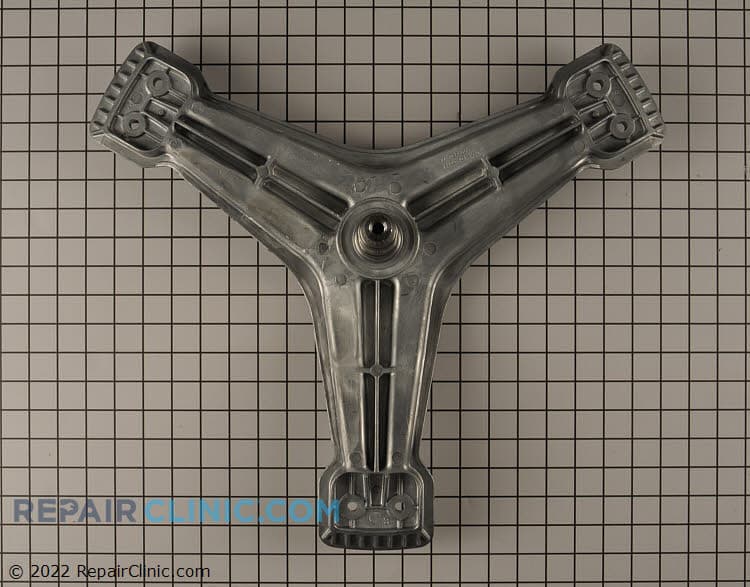
Washing machine rear drum support and shaft assembly (also called a spider).

Washing machine rear outer tub assembly with bearings. If the tub bearing system is defective the washer can become very noisy.

Front drum cover WITH drain port. *Original front drum cover did not have drain port. If cover is being used on a machine that did not have a drain port it will need to be plugged or Related Items below will be needed.
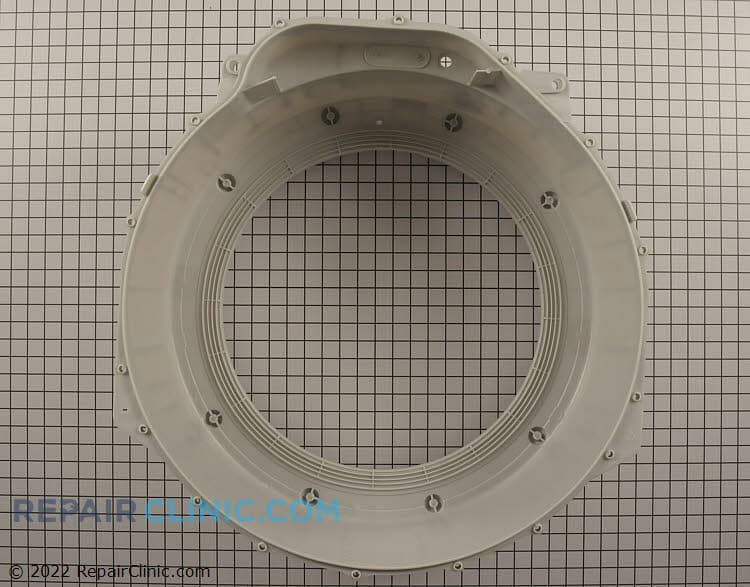
Tub Cover

Rear flange (also called a spider) and shaft for washing machine drum. This part supports the dryer drum. This drum support may appear to have cracks--this is due to the manufacturer's casting process and is not a defect.
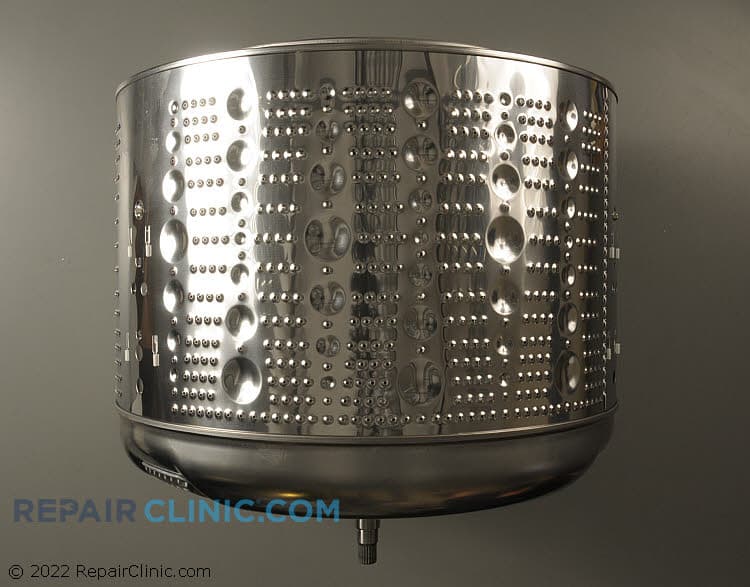
Inner tub assembly


Tub assembly,drum
Tub assembly,drum
Tub assembly,inner

Spider
Lifter
Inner Tub Hub Support
Tub assembly,inner
Tub assembly,drum(inner)
Tub assembly,drum(inner)


LG Washing Machine Drum and Tub Parts
The drum and tub are the heart of your LG washer — they hold the clothes, spin the load, and take the most stress cycle after cycle. When the drum develops a leak, the tub cracks, or bearings start grinding, the fix often comes down to one or more drum and tub assemblies. LG front-loaders are particularly prone to rear drum bearing failures, which show up as loud rumbling during the spin cycle. The good news: OEM LG drum and tub parts are engineered to your exact model and come with the right bearings, seals, and hardware.
Drum tub failures on LG machines usually fall into one of these categories: the rear drum bearing has worn out (loud grinding noise), the tub itself has cracked or developed a leak (water pooling under the machine), the door seal boot has torn and is leaking water around the door, or internal drum parts are damaged. Enter your model number below to see all drum, tub, bearing, and seal parts available for your LG washer — OEM fit help ensure.
- Rear drum bearing failure: Loud rumbling or grinding during spin cycle; vibration and noise increase over time
- Tub crack or hole: Water leaking from the bottom of the machine or pooling inside the tub
- Door boot seal tear: Water leaking from around the door; mold or mildew visible in the rubber gasket
- Drum spider or hub damage: Unusual noises, wobbling sensation, or visible damage to the drum center support
- Bearing seal failure: Water seeping into the bearing area; rust or corrosion visible on the drum exterior
Find Replacement LG Washing Machine Drum & Tub Parts Online by Model or Part Number
Popular LG Washing Machine Models
Related LG Washing Machine Drum & Tub Parts
- LG Washing Machine Inner Tub Parts
- LG Washing Machine Tub Assembly Parts
- LG Washing Machine Outer Tub Parts
- LG Washing Machine Tub Cover Parts
- LG Washing Machine Tub Support Parts
- LG Washing Machine Drum Baffle Parts
- LG Washing Machine Rear Drum Support Parts
- LG Washing Machine Drum Assembly Parts
- LG Washing Machine Front Drum Assembly Parts
- LG Washing Machine Rear Drum with Bearing Parts
- LG Washing Machine Drum Front Parts
- LG Washing Machine Drum Support Bearing Parts
- LG Washing Machine Front Bulkhead Parts
- LG Washing Machine Tub Ring Parts
LG Washing Machine Drum and Tub Parts — Frequently Asked Questions
Why is my LG front-load washer making a loud grinding noise during the spin cycle?
That grinding or rumbling sound is almost always the rear drum bearing wearing out. The bearing supports the drum as it spins at high speed — when the bearing races fail, the drum wobbles and grinds against the tub. On LG washers, the bearing is part of the rear drum assembly, which is the OEM way to replace it. Ignoring the noise will damage the tub and tub seal, so the sooner you replace the bearing assembly, the better. Enter your LG model number to find the exact rear drum and bearing kit for your machine.
My LG washer is leaking water from underneath — is it the tub or the pump?
Water pooling under the machine could be the tub (cracked or punctured), the drain pump (faulty seal), the water inlet valve, or the door boot seal. Check where the water is pooling: if it's directly under the tub, it's likely a cracked tub or failed bearing seal. If it's near the front of the machine, the door boot seal may be torn. If water appears during the drain cycle, the pump or drain hose is the culprit. Use your model number to identify which parts you need — most LG leaks are solved with a new door boot seal or a new rear drum and bearing assembly.
What's the difference between the drum, the tub, and the bearing assembly on my LG washer?
The drum is the perforated stainless steel cylinder that rotates and holds your clothes. The tub is the outer basket that surrounds the drum and holds the water. The bearing assembly includes the rear drum, the bearing races, the seals, and the spider (the support structure). On LG washers, these parts are sold as one assembly — you don't replace just the bearing; you replace the entire rear drum assembly. This is the OEM design and ensures all parts work together. Your model number will tell you the exact assembly you need.
Is it worth replacing the drum bearing on an older LG washer, or should I just buy a new machine?
Replacing the rear drum and bearing assembly on an LG front-loader is one of the most common washer repairs — the part typically costs $300 to $500 and the labor is a few hours. If your washer is less than 10 years old and the rest of the machine is functioning well, the repair is almost always worth it. LG washers are built to last, and a bearing replacement can extend the life another 5+ years. Use your model number to get the exact OEM bearing assembly and compare the cost to a new washer — you'll likely find the repair makes economic sense.
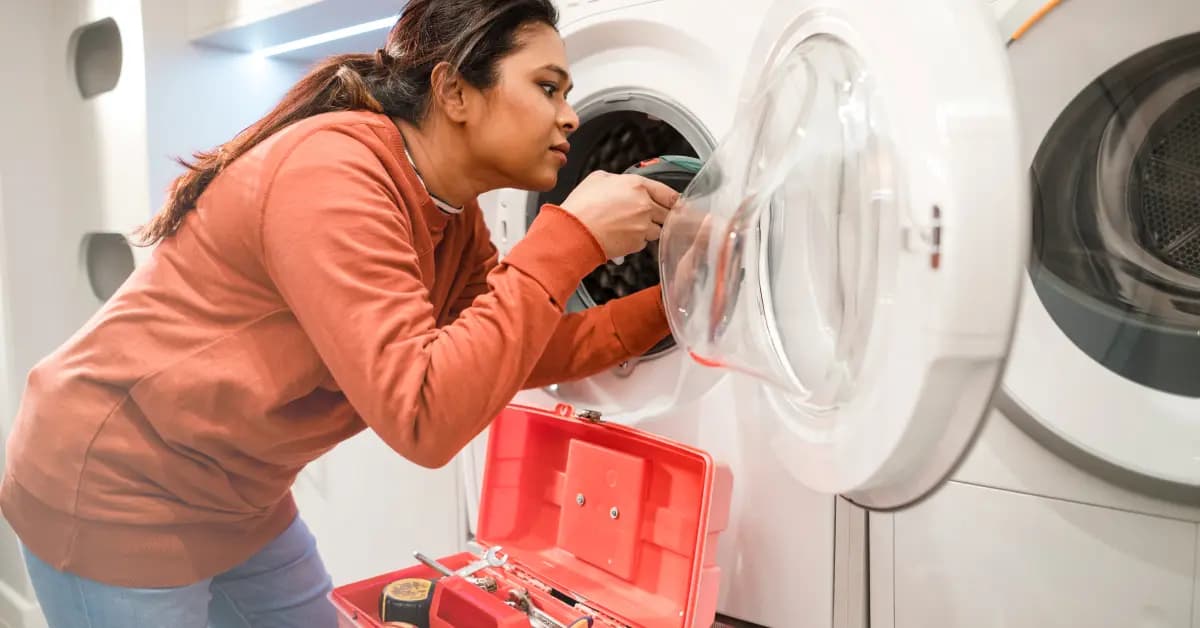
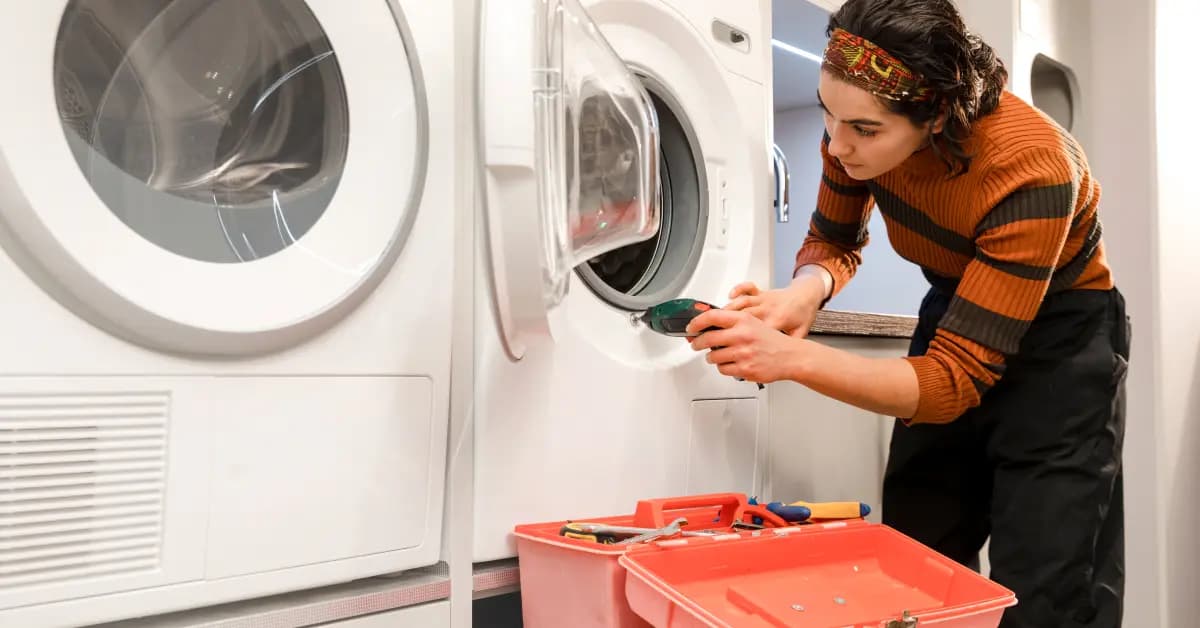
Order LG Washing Machine Drum & Tub Replacement Parts Online
Ordering LG washing machine drum and LG tub replacement parts online is simple and convenient with Repair Clinic. You can easily search by your washing machine's model or part number to find the exact replacement parts you need. Our full inventory includes LG washer drum parts, front load washer drum replacement, and LG washer tub assemblies designed for durability and high performance.
With our No-Hassle 365-Day Returns, you can return uninstalled parts within a year of purchase, supported by model-number lookup and return options. Plus, we offer a Price Match Guarantee so that you know you're getting competitive pricing on genuine OEM parts for your LG washer.
We understand the importance of a well-functioning washing machine, which is why we offer same-day shipping on orders placed by 9:00 PM ET. Whether you're a DIY enthusiast or a professional technician, our online repair library gives you the diagnostics, videos, and step-by-step guides to complete the repair efficiently.
LG Washing Machine Model Number: Where to Look
On LG washing machines, check the inside of the door frame or the back panel for the product label. Top-load models may also have the model number along the top edge of the tub opening, while front-load models commonly display it near the door opening. Look for a label listing "Model" or "Model No." and copy every letter, number, and hyphen exactly as shown. Type it into our model number lookup and the catalog narrows to parts made for your unit, including drum, tub, and every other associated washer part. Using the complete model number is the quickest way to be sure the part fits before you order.

Online Guides and Videos for LG Washing Machine
Repair Clinic makes LG Washing Machine repair straightforward with a deep online library of videos, guides, and diagnostic articles. Step-by-step written instructions cover disassembly, testing, and reassembly, and the video library shows the same work in action so you can follow along. Use the model number lookup to confirm the exact OEM part, and wiring diagrams and part testing walkthroughs support the more technical steps.
Related Articles: Washing Machine Parts
What Causes A Washing Machine To Stop Working?
What causes a washing machine to stop working? Learn common issues like power failures, faulty lid switches, broken drive belts, and more with troubleshooting tips from Repair Clinic.

Why Won't My Washing Machine Start?
Wondering why your washing machine won't start? Learn common causes like power issues, faulty lid switches, broken timers, and more with expert troubleshooting from Repair Clinic.
What Causes a Washing Machine To Not Spin or Drain?
Is your washing machine not spinning or draining? Learn about common issues like clogged drain pumps, faulty lid switches, and worn drive belts, plus expert repair tips from Repair Clinic.




Family-owned and operated since 1912, Burke America Parts Group is the longest-running genuine appliance, HVAC, and outdoor power equipment parts solution in North America. At Repair Clinic, we're proud to be an international brand trusted by the pros as well as the DIY community.
About Repair Clinic