


 Price Match Guarantee
GE Washing Machine Inverter Board Replacement
Find the right part faster
Multiple models matched. Select your model to confirm fit.





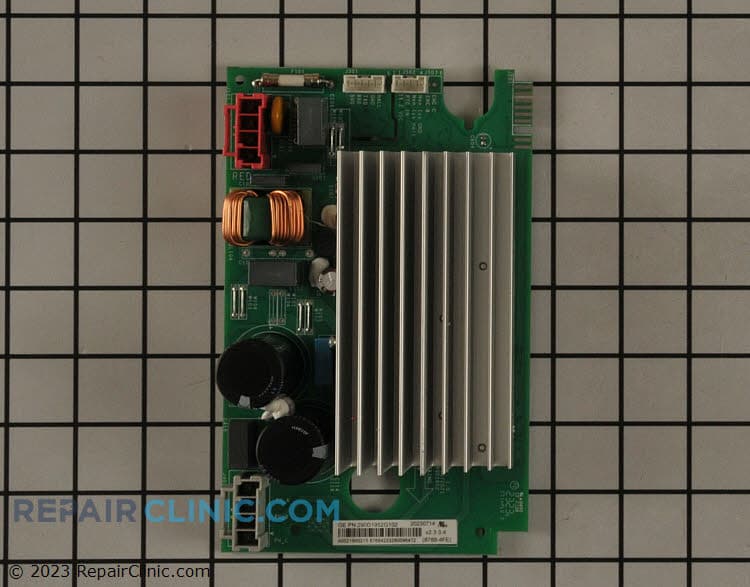
Washing machine control & inverter board

Inverter board
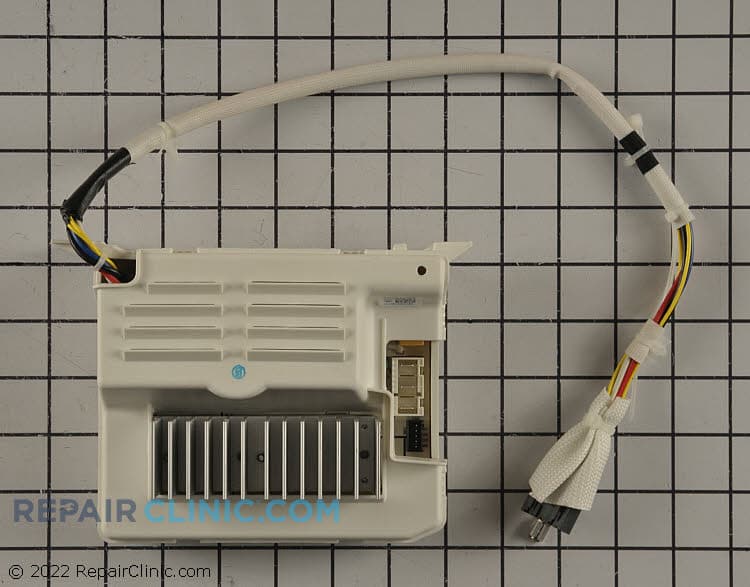
Inverter
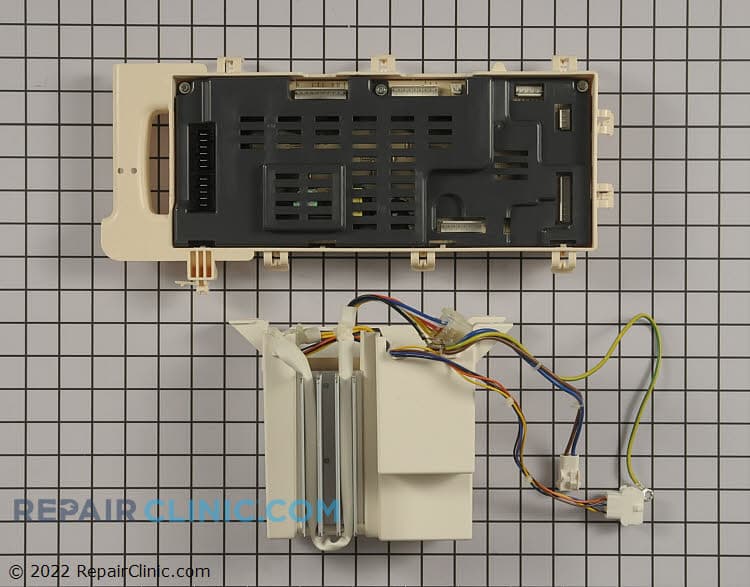
Power control board and motor control (inverter) kit
Inverter asm


GE Washing Machine Control Board Repairs
The control board is the brain of your GE washer — it manages fill cycles, water temperature, spin speeds, and safety interlocks. When your washer displays error codes, won't respond to button presses, or runs the wrong cycle, the control board is often the culprit. GE washers use different board types depending on the model: older machines have mechanical timers, while modern GE and GE washing machine parts rely on electronic inverter boards and main control modules.
An OEM GE control board comes pre-programmed for your exact model and maintains all factory safety parameters. Aftermarket boards can lead to compatibility issues, error codes, or unexpected cycle behavior. Always verify your full model number before ordering — GE control boards vary significantly across their product line.
- No response to buttons or knobs: Control board not receiving input signals
- Error codes displayed: Board detecting sensor or valve faults; verify codes against your manual first
- Wrong cycle running: Board memory or selector logic failure
- Washer stuck mid-cycle: Board cannot sequence to next step
- Lid won't lock or unlock: Board not communicating with lid lock solenoid
Find a Replacement GE Washing Machine Inverter Board Online by Model or Part Number
Popular GE Washing Machine Inverter Board Models
GE Washing Machine Control Board FAQs
What's the difference between a GE timer board and an inverter board?
Older GE washers use mechanical timers or simple timer boards that rotate through cycles mechanically. Modern GE washers (especially top-loaders with electronic displays) use inverter boards or main control boards that manage variable speeds, temperature blending, and sensor feedback electronically. Your model number tells you which type you have — enter it into our lookup tool to confirm the exact board your washer needs.
Can I use an aftermarket control board instead of an OEM GE board?
Not reliably. GE control boards are programmed with model-specific logic for water levels, motor speeds, and safety shutoffs. An aftermarket or mismatched board may cause error codes, incorrect water temperatures, or cycle failures. Genuine OEM boards are one reliable way to ensure your washer performs as designed.
How do I know if it's the control board and not something else?
If your GE washer displays error codes, won't start despite power and water supply being normal, or runs cycles that don't match your button selection, the control board is the prime suspect. Check that the lid switch, water inlet valve, and drain pump are responding first — but if all those are fine, the board is almost certainly the problem.
What's included with a GE control board replacement?
OEM GE control boards typically ship as the board assembly only — no wiring harnesses or mounting hardware unless specified. Verify your model number to confirm what's included and whether any additional adapters or connectors are needed for your specific washer.
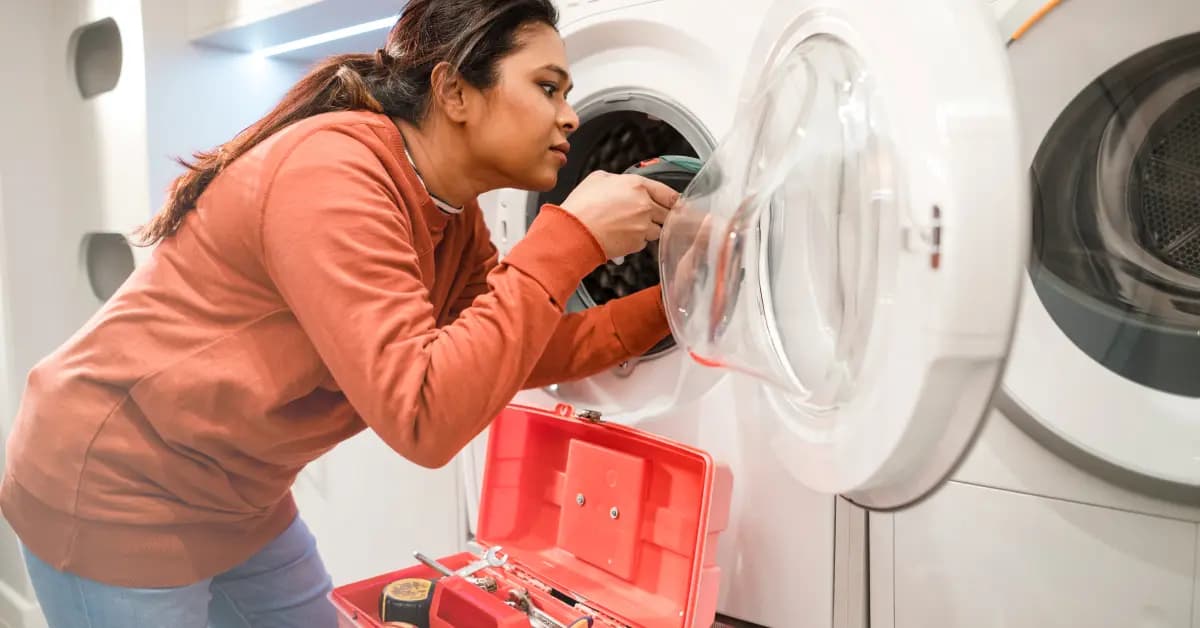
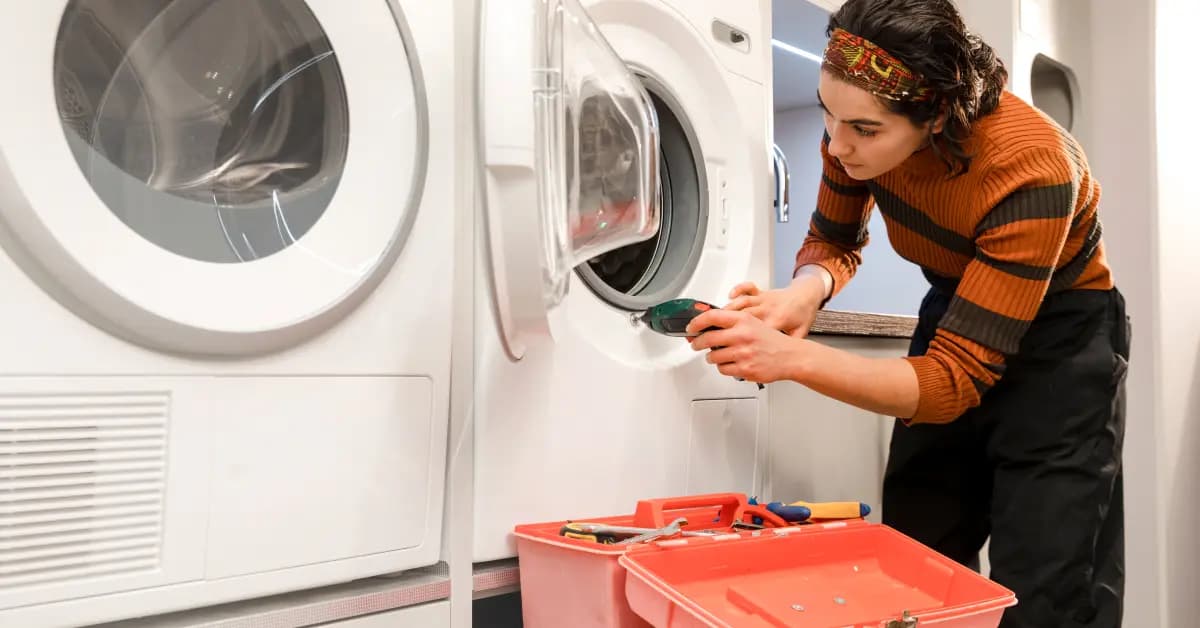
Order GE Washing Machine Inverter Board Replacement Parts Online
Ensure your GE washing machine operates efficiently with genuine OEM inverter board replacement parts from Repair Clinic. A functional inverter board is key for controlling motor speed and ensuring optimal washing performance. Use our model number lookup to find the precise inverter board for your appliance, and benefit from same-day shipping, a 365-day return policy, and our Price Match Guarantee. For troubleshooting and repair guidance, visit our Washing Machine Repair Help page. Additionally, browse related options like GE Washing Machine Drum & Tub Parts for more solutions.
GE Washing Machine Model Number: Where to Look
On GE washing machines, look for the model number on the inside of the lid or door frame, along the top edge of the tub opening, or on the back panel. The label may also list a serial number, so copy the model number exactly, including letters and trailing characters. Enter that number in the model number search bar to narrow the full catalog to parts that fit your GE washer. This filters every associated part category, not just the inverter board, to your specific unit. If the label is hard to read, use a flashlight and check the owner's manual for confirmation. With the complete model number, you can match compatible parts quickly and avoid ordering by appearance alone.

Diagnose and Repair Your GE Washing Machine Online
Repair Clinic's online resources are built to help you get your GE Washing Machine back in service without unnecessary trial and error. Start with the diagnostic article for your symptom, watch a repair video that shows the parts and tools involved, then follow the step-by-step written guide as you work. Part testing walkthroughs confirm the failed component, and the model number lookup confirms the exact OEM part before you order.
Related Articles: Washing Machine Parts
What Causes A Washing Machine To Stop Working?
Learn common reasons your washing machine suddenly stops working, from power issues to faulty parts, and how to troubleshoot the problem effectively.

Why Won't My Washing Machine Start?
If your washing machine won't turn on, find potential causes like door switch malfunctions, control board failures, or electrical issues, along with steps to fix them.
What Causes a Washing Machine To Not Spin or Drain?
Learn why your washer isn't spinning or draining properly, from clogged drain hoses to worn-out drive belts, and find solutions to restore its performance.




Family-owned and operated since 1912, Burke America Parts Group is the longest-running genuine appliance, HVAC, and outdoor power equipment parts solution in North America. At Repair Clinic, we're proud to be an international brand trusted by the pros as well as the DIY community.
About Repair Clinic