


 Price Match Guarantee
GE Washing Machine Gasket & Seal Parts
Find the right part faster
Multiple models matched. Select your model to confirm fit.




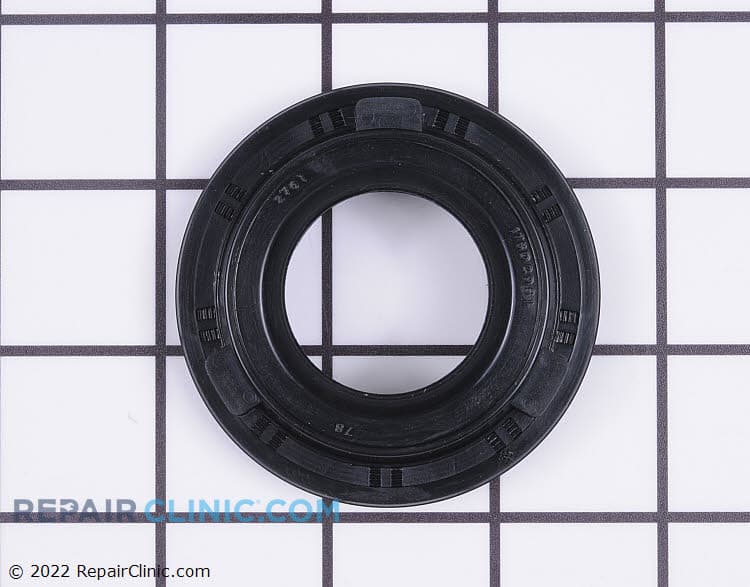
Washing machine main tub seal. If the washer leaks around the center shaft then the main tub seal is likely defective.
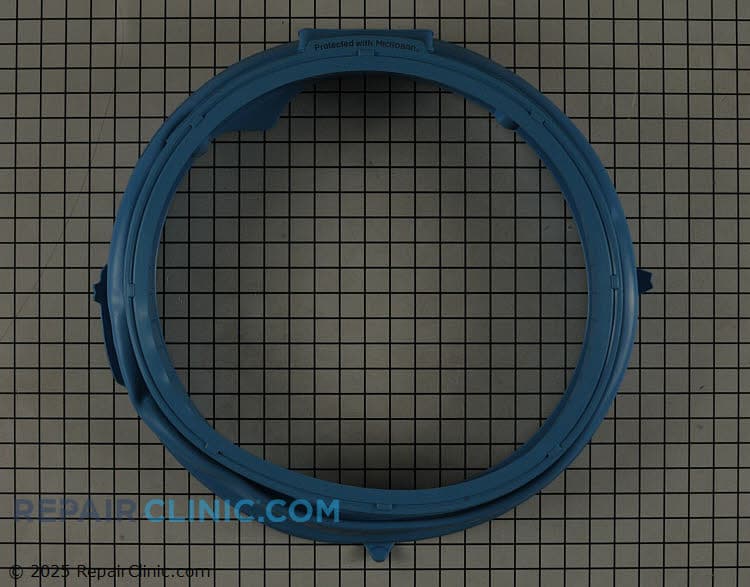
Door boot seal. If your experiencing water leaking from the front of the washer, check the door boor seal for damage or tears.
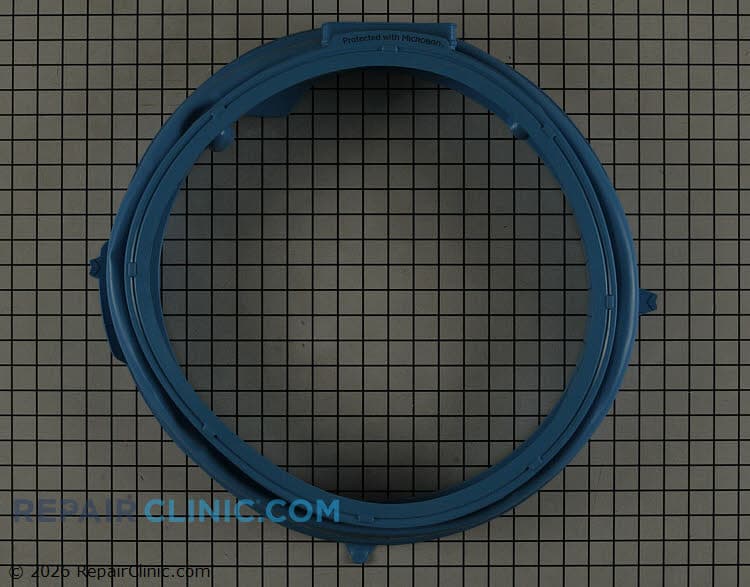
Door Boot Gasket
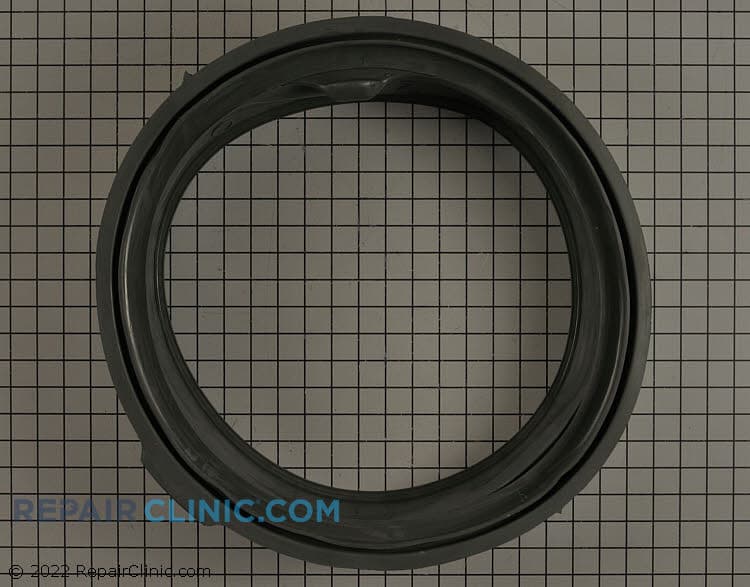
Door Boot Seal

Door Boot Seal
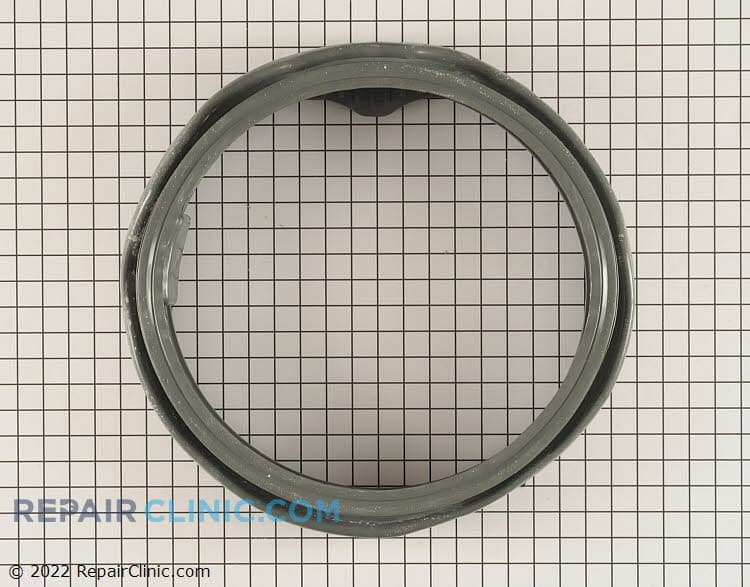
Washing machine door boot. If the washer is leaking, the door boot may have a tear in it. Overloading the washer is the most common cause for a torn door boot.
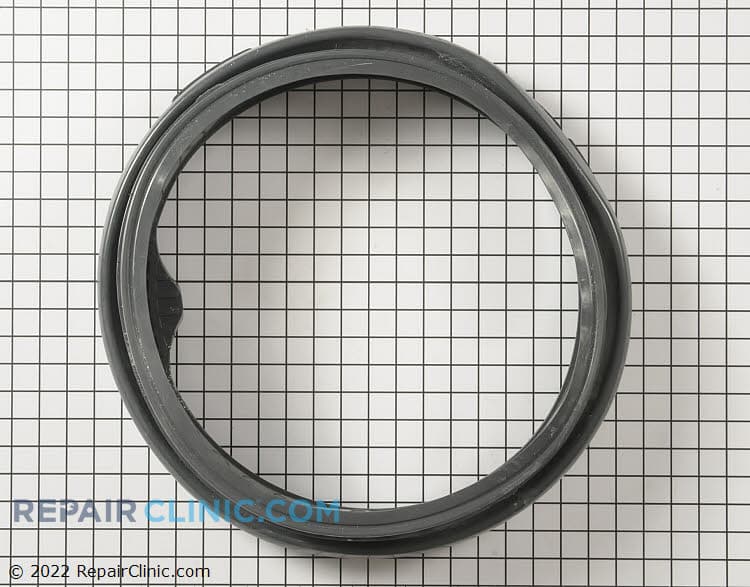
Door Boot Seal
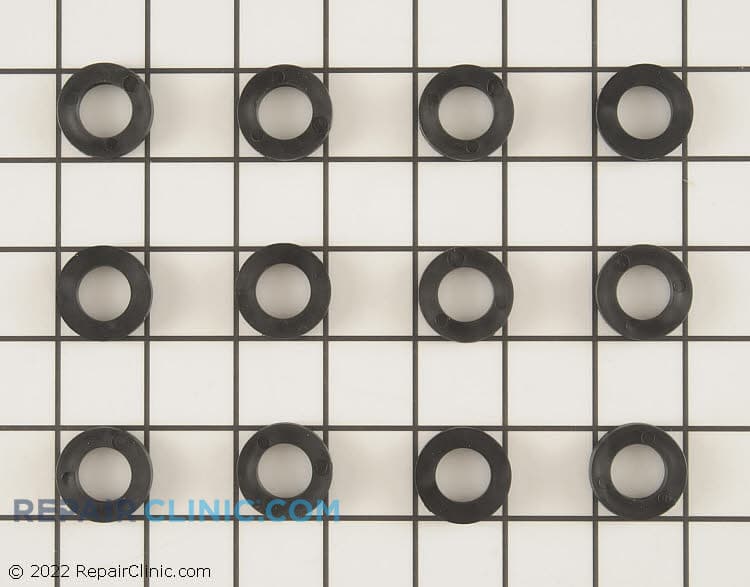
Hose Washer 12-Pk
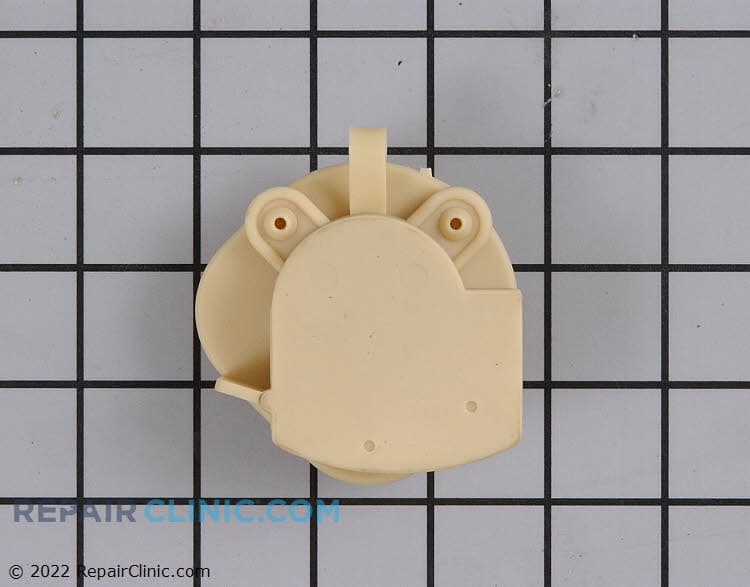
Flood hose to outer tub gasket
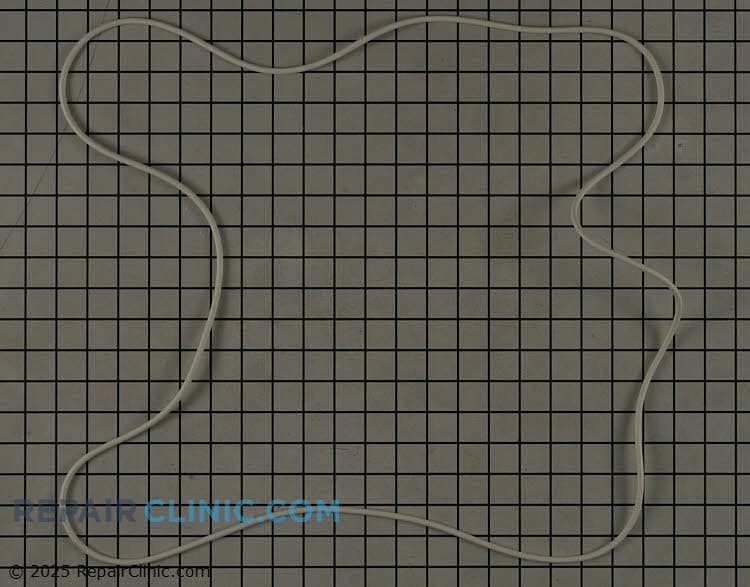
Tub gasket between front & rear tubs
RC Item #877655

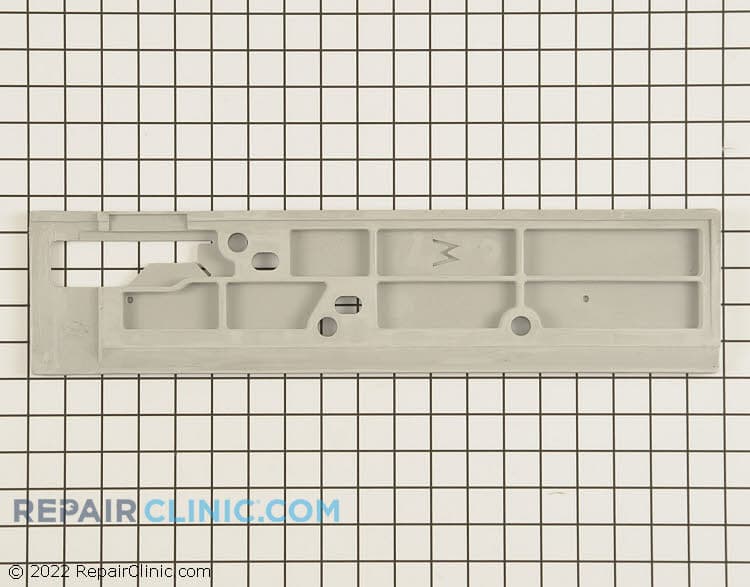
Gasket for a washing machine coin box
Seal
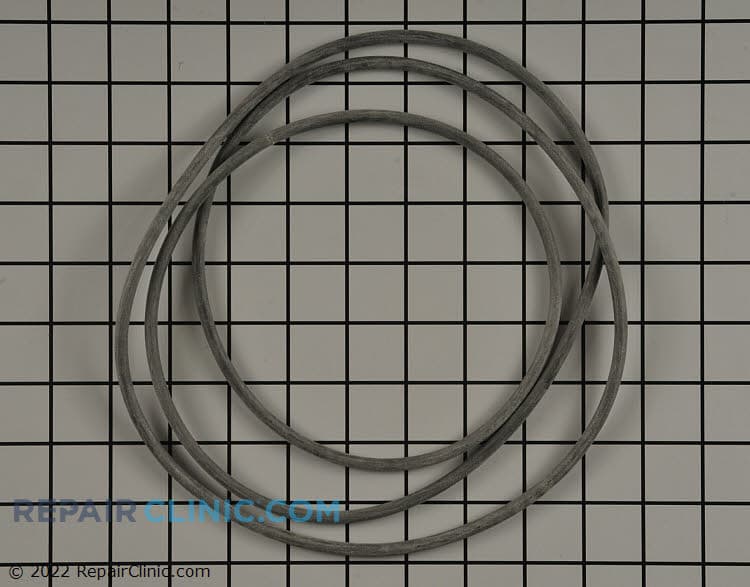
Tub seal
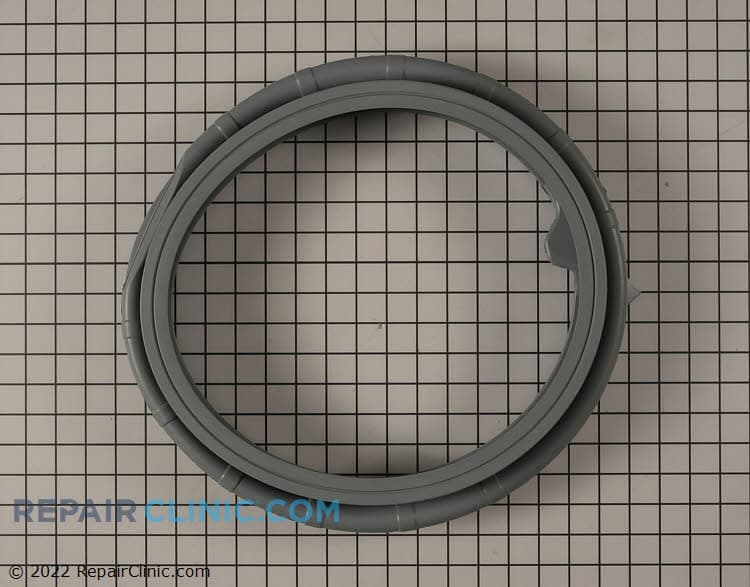
Door Boot Seal
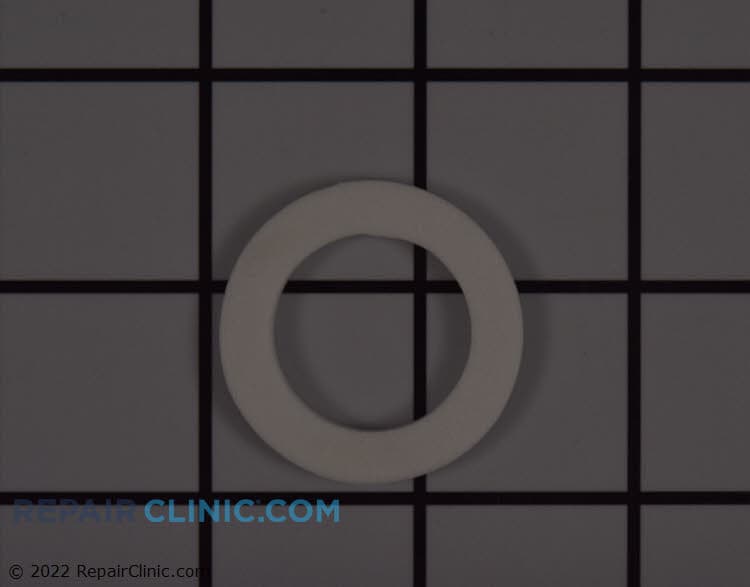
Water valve absorption gasket


GE Washing Machine Door Gasket & Seal Parts
A worn or cracked door gasket on your GE washer lets water escape during cycles and invites mold growth inside the tub seal. Front-load GE washers rely on that rubber boot seal to create a watertight closure — when it fails, you'll see puddles under the machine or black mold around the door rim. The good news: replacing the door gasket is one of the most straightforward washer repairs, and an OEM GE seal ensures a compatible fit and long life.
GE washing machine gaskets come as complete assemblies with the metal retainer ring. Measure your door opening or use your model number to confirm the exact gasket profile — profiles vary even within GE's product line. GE washing machine gasket and seal parts are in stock and ready to ship the same day.
- Water leaking from the door during wash or spin cycle
- Black mold or mildew visible around the rubber seal
- Musty odor coming from the washer tub
- Visible tears or cracks in the rubber gasket material
- Door won't seal completely or feels loose when closed
Find Replacement GE Washing Machine Gasket & Seal Parts Online by Model or Part Number
Popular GE Washing Machine Models
Related GE Washing Machine Gasket & Seal Parts
- GE Washing Machine Door Boot Seal Parts
- GE Washing Machine Tub Seal Parts
- GE Washing Machine Gasket Parts
- GE Washing Machine Seal Parts
- GE Washing Machine O-Ring Parts
- GE Washing Machine Hose Washer Parts
- GE Washing Machine Oil Seal Parts
- GE Washing Machine Pump Gasket Parts
- GE Washing Machine Upper Seal Parts
- GE Washing Machine Valve Stem Seal Parts
GE Washing Machine Gasket & Seal FAQs
How do I know if my GE washer door gasket has failed?
Water pooling under or around your GE washer, especially after spin cycles, is the clearest sign. You'll also spot black mold or mildew forming inside the rubber seal — that's moisture trapped in the folds. Some owners notice a sour smell even after cleaning. If you can see visible cracks, tears, or chunks missing from the rubber, replacement is overdue. Run your hand around the seal; if it's hardened, cracked, or doesn't spring back when you press it, the gasket has lost its elasticity and won't seal anymore.
Can I clean and reuse my GE washer gasket, or does it need to be replaced?
Light mold on the surface can be cleaned with a 1:1 white vinegar and water solution — wipe the folds carefully with a soft brush or cloth, then leave the door open to dry. However, if the gasket is cracked, torn, hardened, or the mold keeps coming back within weeks, cleaning won't save it. A failed gasket cannot be restored to full sealing capability. Replacement is the permanent fix and costs far less than water damage to your home.
How do I find the correct GE washer gasket for my model?
The easiest way is to enter your GE model number into Repair Clinic's lookup — it will show you the exact gasket assembly your machine needs. If you don't have your model number handy, look inside the door frame or on a sticker inside the cabinet. Write down the full model number (usually starts with GFW, GTW, or similar). Door gasket profiles vary between GE's different washer series, so using your model number ensures you get the right fit. Aftermarket gaskets sometimes fit loosely and don't seal as well as OEM parts.
Is replacing a GE washer door gasket a DIY job?
Yes — it's one of the most DIYer-friendly washer repairs. Most GE gaskets are held in place with a retainer ring that slides into a groove in the door. You'll need a screwdriver to remove the door, then pull the old gasket free and slide the new one in, usually taking 20 to 30 minutes start to finish. No special tools required. If your model uses a different retaining method, the manual or product video will walk you through it. Always order the OEM GE gasket — it fits the door opening perfectly and lasts longer than universal alternatives.
Order GE Washing Machine Gasket & Seal Parts Online
Ensure your GE washing machine remains leak-free with genuine OEM gasket and seal parts from Repair Clinic. Proper sealing is key for preventing water leaks and maintaining efficient washing performance. Use our model number lookup to find the exact gasket or seal for your GE machine, and benefit from same-day shipping, No-Hassle 365-Day Returns, and our Price Match Guarantee. If you need installation help, visit our Washing Machine Repair Help page for guidance. Browse other parts such as GE Washing Machine Drum & Tub Parts for comprehensive repair solutions.
GE Washing Machine Model Number: Where to Look
On GE washing machines, look for the model number on the back panel, inside the door frame, or along the top edge of the tub opening. Open the washer door or lid and check for a label containing the model and serial numbers. Copy the complete model number, including every letter and digit, because similar GE washers can use different parts. Enter it in the model number search to pull up the parts matched to your unit across the full catalog, not just gasket and seal parts. Using the model number helps you skip compatibility guesswork, compare the right options quickly, and order with confidence knowing the fit is right.

GE Washing Machine Repair Made Easier with Online Resources
The right online resources take the guesswork out of a GE Washing Machine repair. Repair Clinic's diagnostic articles, part testing videos, exploded-view diagrams, and step-by-step written repair guides walk owners and technicians through each stage from symptom identification to final reassembly. Look up your model number to confirm the correct OEM part before you order.
Related Articles: Washing Machine Parts
What Causes A Washing Machine To Stop Working?
Learn common reasons your washing machine suddenly stops working, from power issues to faulty parts, and how to troubleshoot the problem effectively.

Why Won't My Washing Machine Start?
If your washing machine won't turn on, find potential causes like door switch malfunctions, control board failures, or electrical issues, along with steps to fix them.
What Causes a Washing Machine To Not Spin or Drain?
Learn why your washer isn't spinning or draining properly, from clogged drain hoses to worn-out drive belts, and find solutions to restore its performance.




Family-owned and operated since 1912, Burke America Parts Group is the longest-running genuine appliance, HVAC, and outdoor power equipment parts solution in North America. At Repair Clinic, we're proud to be an international brand trusted by the pros as well as the DIY community.
About Repair Clinic