


 Price Match Guarantee
GE Washing Machine Drum & Tub Parts
Find the right part faster
Multiple models matched. Select your model to confirm fit.





This is a Genuine Replacement Part. General Electric (GENF0) WH45X10027 Drum Mounting Hub.
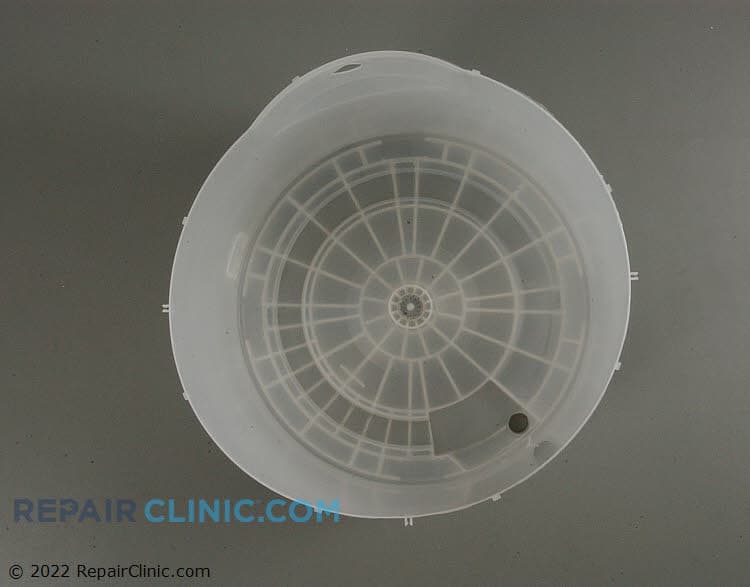
Washing machine outer tub. *For tub bearing see Related Items.


Cover-tub
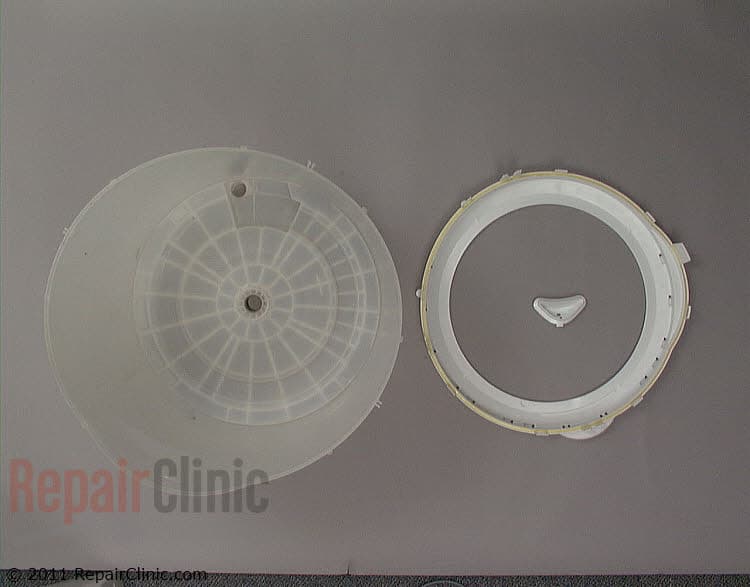
Washer outer tub, bearing and cover kit
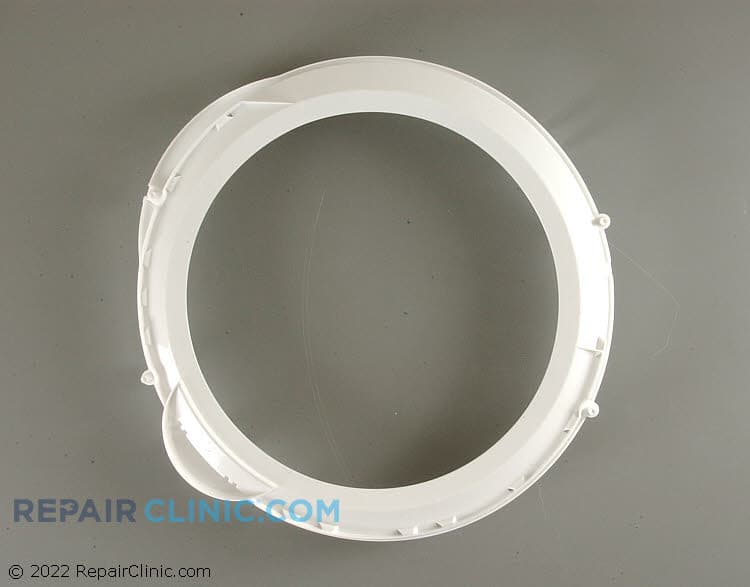
Outer tub kit
Inner Tub, Includes rear support and tub baffles
Basket 4.6
Basket
Rear tub
Rear tub
Inner tub
Tub cover
Basket
Kit tub 27 hub nut washers & agitator
Kit basket 27 hub nut washers & agitat


GE Washing Machine Drum and Tub Parts
The drum and tub assembly is the heart of your GE washer. When you notice loud grinding, rust spots, or water leaking from inside the tub, drum and tub parts are usually the culprit. GE front-load and top-load washers use different drum designs, so model number verification is key to get the right replacement.
Common drum and tub failures on GE machines include cracked porcelain, worn drum seals, and bearing deterioration. Whether your washer is a Harmony, Profile, or classic GE model, Repair Clinic carries OEM drum tubs, seals, bearings, and complete rear drum assemblies with exact fitment.
- Cracked or chipped drum porcelain: Visible damage inside the tub; rust spots developing; snags clothes
- Loud grinding or rumbling during spin: Worn drum bearing; tub rubbing on housing
- Water leaking from the tub: Cracked drum; failed tub seal; compromised drum gasket
- Drum won't rotate smoothly: Bearing failure; drum seal deterioration; foreign object inside tub
- Rust stains inside the tub: Porcelain coating damage; underlying metal corrosion
Find Replacement GE Washing Machine Drum & Tub Parts Online by Model or Part Number
Popular GE Washing Machine Models
Related GE Washing Machine Drum & Tub Parts
- GE Washing Machine Inner Tub Parts
- GE Washing Machine Tub Cover Parts
- GE Washing Machine Rear Drum with Bearing Parts
- GE Washing Machine Tub Assembly Parts
- GE Washing Machine Balance Ring Parts
- GE Washing Machine Outer Tub Parts
- GE Washing Machine Tub Ring Parts
- GE Washing Machine Front Drum Assembly Parts
- GE Washing Machine Basket Parts
- GE Washing Machine Drum Baffle Parts
- GE Washing Machine Drum Mounting Hub Parts
- GE Washing Machine Tub Base Parts
- GE Washing Machine Tub Support Parts
GE Washing Machine Drum and Tub: Frequently Asked Questions
What's the difference between a drum and a tub in a GE washer?
The drum is the inner rotating basket that holds your clothes. The tub is the outer stationary container that holds water. On GE front-load washers, the drum spins on bearings that sit in the tub. If the bearing wears out, you'll hear grinding — and if the tub itself cracks, water will leak. Both parts matter for a working washer.
How do I know if my GE washer drum bearing has failed?
A failing drum bearing produces a loud grinding, rumbling, or squealing noise that gets worse during the spin cycle. You may also feel vibration through the cabinet. On GE front-loaders especially, the rear drum bearing is a common failure around 5 to 8 years of use. The bearing often comes as part of the rear drum assembly — that's the OEM approach for GE machines.
Can I replace just the drum, or do I need the whole tub assembly?
It depends on the damage. If the drum itself is cracked or the porcelain is severely chipped, you need a replacement drum. If the tub is cracked or leaking, you need the tub. On GE front-loaders, the rear drum bearing assembly is usually the economical repair — replacing just the bearing without the drum. Always use your model number to confirm what assembly fits your specific GE washer.
Why is my GE washer tub leaking water, and is it the tub or the seal?
Leaks can come from a cracked tub, a failed drum seal, or a worn gasket. A slow leak from the bottom usually points to the tub itself or the seal between drum and tub. If water pools inside the drum after a cycle, the drum may be cracked. Enter your GE model number on Repair Clinic to see the exact tub, drum, and seal parts for your washer — that'll narrow down which part is the culprit.
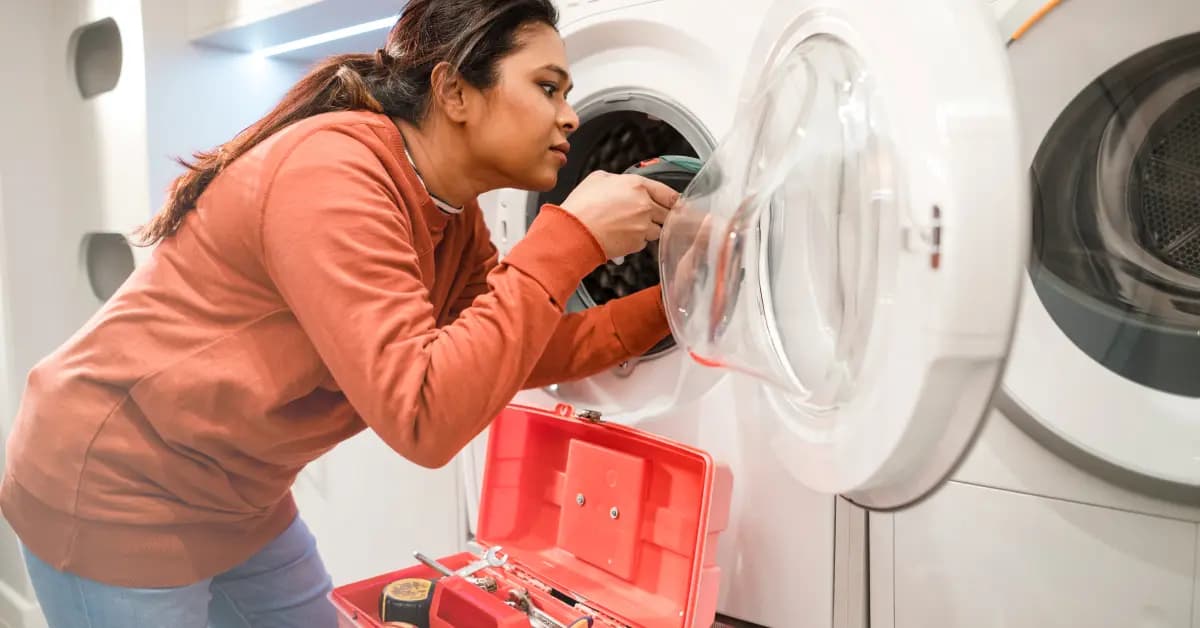
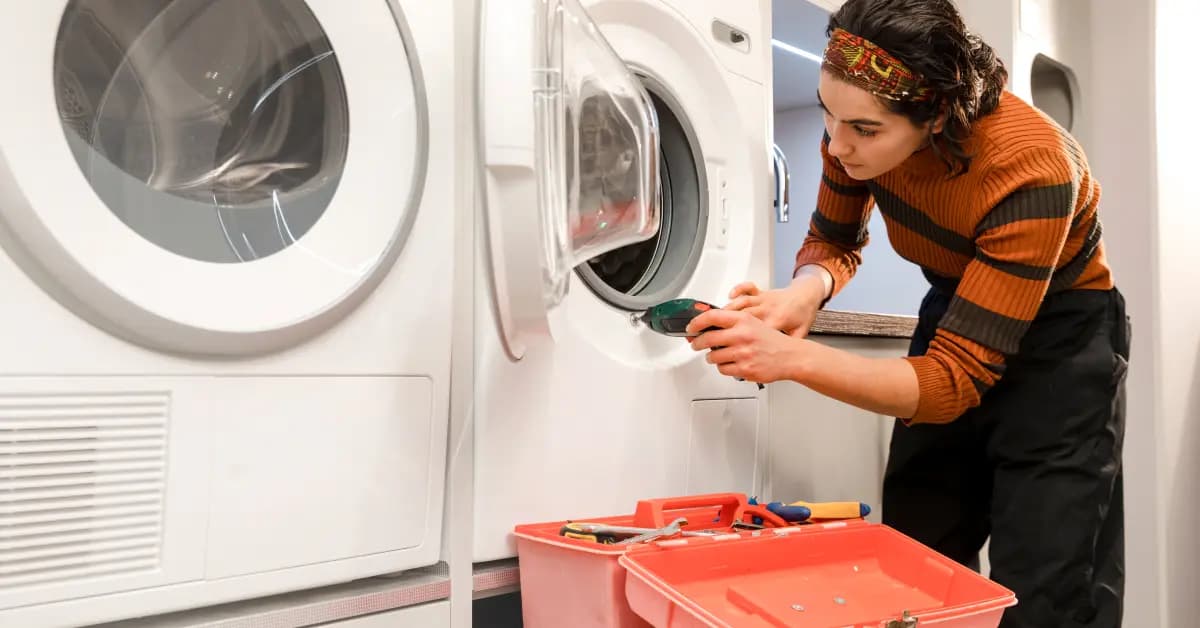
Order GE Washing Machine Drum Tub Replacement Online
Keep your GE washing machine running efficiently by replacing a faulty drum tub promptly. With same-day shipping on most in-stock items, you'll have your replacement part fast, minimizing downtime. Our model/part number lookup finds the exact OEM part for your unit, and every order is backed by our 365-day return policy and price-match guarantee. If your GE washing machine drum tub is failing — showing symptoms like reduced performance, unusual noise, or complete non-operation — replacement is typically the fastest fix. Browse our full library of GE repair resources for troubleshooting guides and installation videos.
Find the Model Number on Your GE Washing Machine
GE prints the model number on a label inside the washer's door frame or along the top edge of the tub opening; some models list it on the back panel. Open the lid or door and check the rim before moving the machine, since the label may be easy to miss. Enter that number in the search bar to narrow the full GE washing machine parts catalog to parts that fit your exact unit, not just drum and tub parts. Include the complete model number, including any letters and suffixes, exactly as shown. Matching the model first helps avoid comparing incompatible assemblies and gets your repair moving without wasted time.

DIY Repair Resources for GE Washing Machine
Whether you are new to appliance repair or a seasoned technician, GE Washing Machine repairs go smoother with the right online resources. Troubleshooting videos, common-symptom articles, part testing guides, and wiring diagrams cover the diagnostic and installation steps. Use the model number lookup to confirm the exact OEM part for your unit, then follow the matching video from start to finish.
Related Articles: Dishwasher Parts
Five Reasons Your Dishwasher is Making Noise
Learn common reasons your washing machine suddenly stops working, from power issues to faulty parts, and how to troubleshoot the problem effectively.
What Would Cause a Dishwasher To Stop Cleaning?
If your washing machine won't turn on, find potential causes like door switch malfunctions, control board failures, or electrical issues, along with steps to fix them.
How Do You Know If You Have a Bad Dishwasher Heating Element?
Learn why your washer isn't spinning or draining properly, from clogged drain hoses to worn-out drive belts, and find solutions to restore its performance.




Family-owned and operated since 1912, Burke America Parts Group is the longest-running genuine appliance, HVAC, and outdoor power equipment parts solution in North America. At Repair Clinic, we're proud to be an international brand trusted by the pros as well as the DIY community.
About Repair Clinic