


 Price Match Guarantee
GE Washing Machine Agitator Parts
Find the right part faster
Multiple models matched. Select your model to confirm fit.




Agitator cap


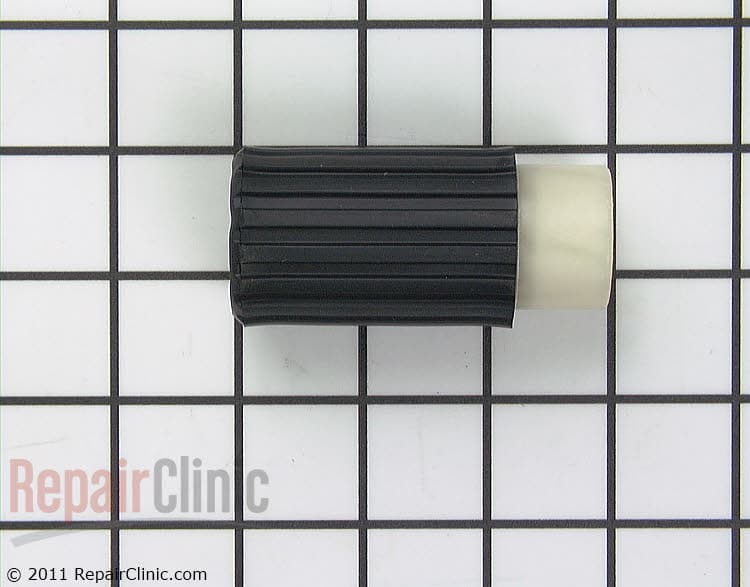
Washing machine agitator coupling, for 9 spline drive shaft transmissions
Agitator
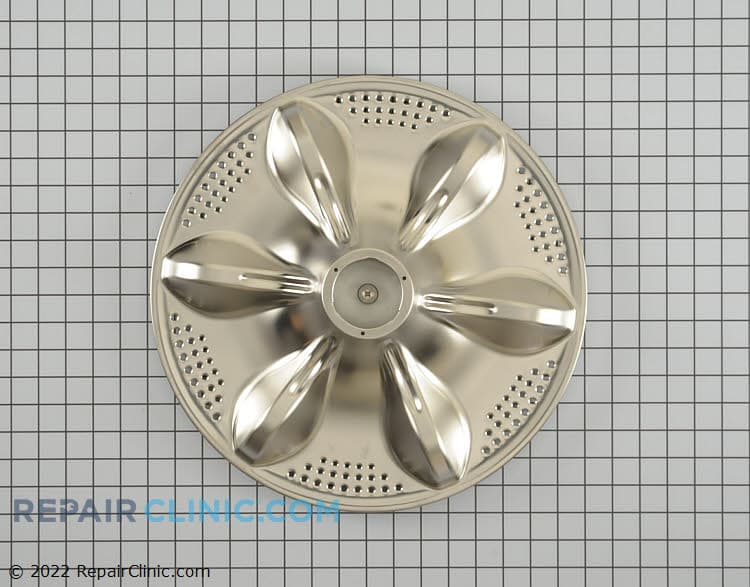
Washplate


GE Washing Machine Agitator Parts
The agitator is the heart of a top-load washer — it's what grabs, twists, and tumbles your clothes clean. When a GE washer agitates weakly or only moves in one direction, the agitator dogs (small cogs inside the agitator assembly) have worn flat. It's one of the most common GE washer repairs, and the fix is straightforward: replace the agitator dogs, or the complete agitator assembly if wear is severe.
GE makes several agitator styles across its washer lineup — from simple single-post designs to dual-action agitators on factory-certified models. Always verify your model number to get the exact agitator fit. A wrong agitator won't mount correctly or will rub the tub.
- Agitator dogs (cogs) worn: agitator moves only one direction or feels loose and sloppy
- Agitator shaft cracked or broken: agitator doesn't turn at all, even with motor running
- Agitator seal leaking: water seeping up into the agitator post during wash cycle
- Complete agitator assembly needed: dogs can't be replaced separately on some GE models; full assembly is the OEM solution
Find Replacement GE Washing Machine Agitator Parts Online by Model or Part Number
Popular GE Washing Machine Models
Related GE Washing Machine Agitator Parts
GE Washing Machine Agitator FAQs
What causes GE washer agitator dogs to wear out?
Agitator dogs are the small nylon or plastic cogs inside the agitator that engage with the drive shaft. Normal wear happens over years of use — the plastic friction surfaces flatten and lose grip. Overloading the washer accelerates wear. When dogs fail, the agitator spins freely without gripping clothes, or locks in one direction only. Replacing the dogs — or the full agitator assembly if integrated — restores proper washing action.
How do I know if my GE agitator is the right fit?
GE uses different agitator designs: single-post (traditional), dual-action (factory-certified models), and various heights. Enter your GE model number into Repair Clinic's lookup tool, and we'll show you the exact agitator that matches your tub dimensions and drive system. Mounting fit is critical — a wrong agitator will rock inside the tub or jam against the drum.
Can I replace just the agitator dogs, or do I need a full agitator assembly?
GE makes some agitators with replaceable dog kits — just the cogs pull out and swap for new ones. On other models, the dogs are molded into the agitator body, and you need the complete assembly. Check your parts diagram or call with your model number — we'll tell you which type you have and whether a dog kit or full assembly is the right call.
Is the agitator a hard DIY repair?
Agitator replacement is one of the easiest GE washer repairs. Unplug the washer, remove the fabric softener dispenser (if any) and agitator cap, unscrew the center bolt, and lift the agitator straight up. The new one slides down the same way. Most repairs take 15 to 20 minutes with an OEM part. Use your model number to confirm the exact assembly and mountings.
Order GE Washing Machine Agitator Replacement Online
Keep your GE washing machine running efficiently by replacing a faulty agitator promptly. With same-day shipping on most in-stock items, you'll have your replacement part fast, minimizing downtime. Our model/part number lookup finds the exact OEM part for your unit, and every order is backed by our 365-day return policy and price-match guarantee. If your GE washing machine agitator is failing — showing symptoms like reduced performance, unusual noise, or complete non-operation — replacement is typically the fastest fix. Browse our full library of GE repair resources for troubleshooting guides and installation videos.
GE Washing Machine Model Number: Where to Look
On GE washing machines, look for the model number label along the inside door frame, beneath the lid, or on the back panel. Top-load models may also have the label along the top edge of the tub opening. Copy the complete model number, including any letters at the end, then enter it in the search bar to narrow the full catalog to parts that fit your washer. The model number applies to the entire machine, so it helps match everything from agitators and pumps to controls and switches. With the correct number entered first, you can skip manual compatibility checks and order with confidence knowing the fit is right.

GE Washing Machine Troubleshooting and Repair Guides
GE Washing Machine problems usually trace back to a handful of common causes, and Repair Clinic's online resources help you find them fast. Symptom articles, diagnostic videos, and part testing walkthroughs guide you through the checks that isolate the failed part. Once identified, look it up by model number and follow the installation guide to complete the fix.
Related Articles: Dishwasher Parts
Five Reasons Your Dishwasher is Making Noise
Learn common reasons your washing machine suddenly stops working, from power issues to faulty parts, and how to troubleshoot the problem effectively.
What Would Cause a Dishwasher To Stop Cleaning?
If your washing machine won't turn on, find potential causes like door switch malfunctions, control board failures, or electrical issues, along with steps to fix them.
How Do You Know If You Have a Bad Dishwasher Heating Element?
Learn why your washer isn't spinning or draining properly, from clogged drain hoses to worn-out drive belts, and find solutions to restore its performance.




Family-owned and operated since 1912, Burke America Parts Group is the longest-running genuine appliance, HVAC, and outdoor power equipment parts solution in North America. At Repair Clinic, we're proud to be an international brand trusted by the pros as well as the DIY community.
About Repair Clinic