


 Price Match Guarantee
GE Washing Machine Dispenser Parts
Find the right part faster
Multiple models matched. Select your model to confirm fit.





Washing machine dispenser asm fsd
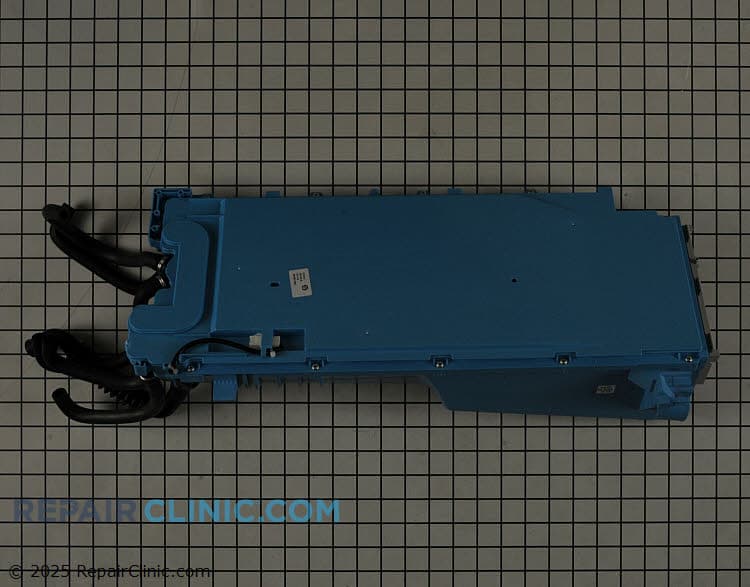
Dispenser drawer assembly, includes housing, drawer and connecting hoses for easy replacement. Drawer cover will need to be exchanged from old drawer.

The Fabric Softener Dispenser Cup by GE Appliances is a high-quality, genuine OEM part that holds fabric softener until it's dispensed into the water. It's located at the top of the agitator and should be installed with the appliance disconnected from all utilities.
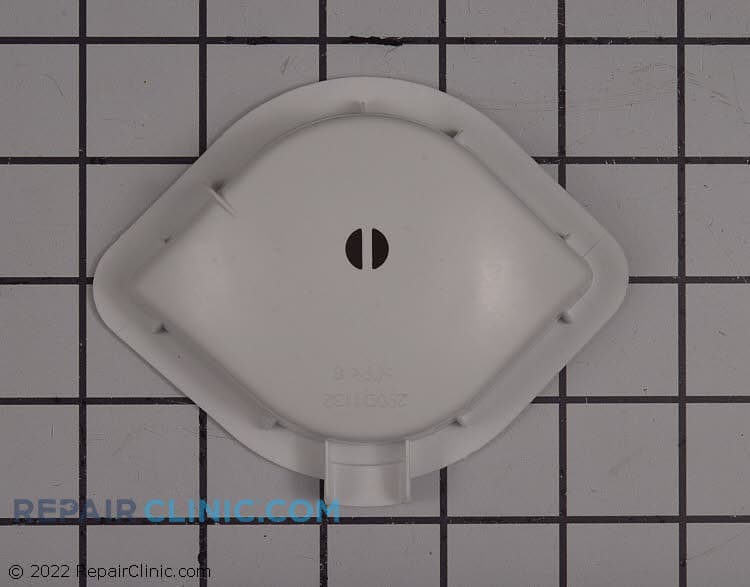
Bleach cup 2"

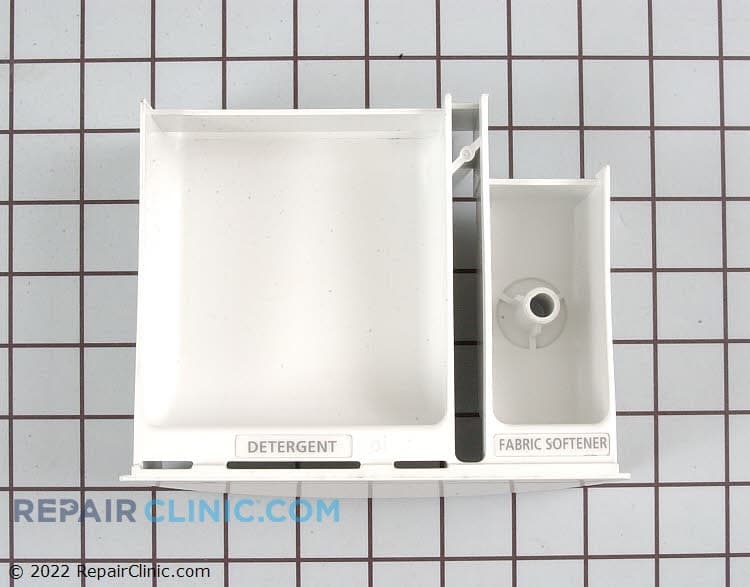
Assy-detergent
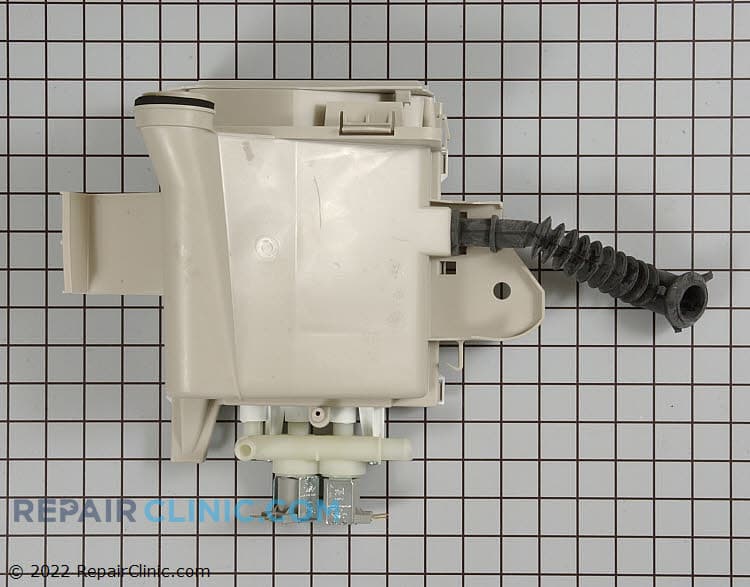
Dispenser assy
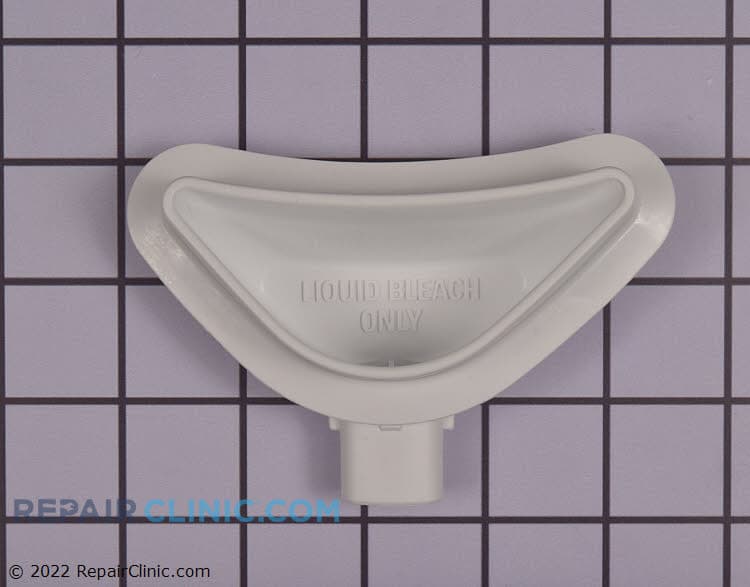
Funnel bleach

Dispenser tray handle
Box dispenser
Manual dispense drawer fl washer 550
Bulk tank aspirator
Dispenser drawer
Dispenser housing
Dispenser drawer handle
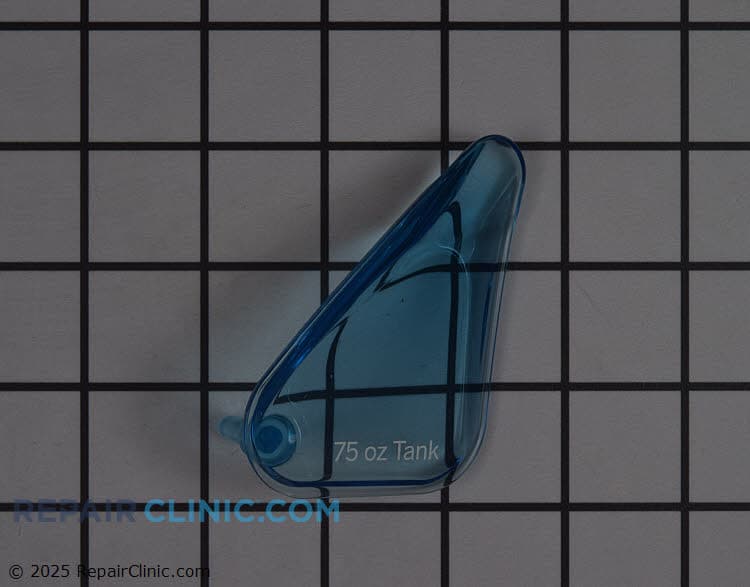
Dispenser lid bezel


GE Washing Machine Dispenser Parts
The detergent dispenser on your GE washer controls when and how much soap enters the tub during the wash cycle. When the dispenser fails — whether it's a stuck drawer, broken solenoid, or cracked plastic housing — clothes won't clean properly and detergent backs up or overflows. GE dispensers are straightforward repairs, and Repair Clinic stocks the exact OEM replacement parts for your model.
Common dispenser failures include stuck drawers that won't open, solenoid valves that don't release detergent at the right time, and cracked dispenser housings that leak water. Most repairs are quick fixes: a new dispenser drawer assembly, solenoid valve, or complete dispenser housing replacement. Always verify your GE model number before ordering — dispenser designs vary across GE's top-load and front-load platform.
- Dispenser drawer stuck or won't pull out: broken latch, warped plastic, or detergent buildup
- Detergent doesn't release or releases at wrong time: failed solenoid valve or control board signal
- Water leaks from dispenser area: cracked housing, loose fitting, or failed O-ring seal
- Dispenser drawer damaged or cracked: plastic fatigue, impact damage, or cleaning product corrosion
- Dispenser gasket or seal degraded: mold, hardening, or chemical damage preventing proper seal
Find your GE washer model number on the serial plate (inside the door jamb for front-loaders, under the lid for top-loaders) and browse GE dispenser parts by model to get the exact replacement assembly for your machine.
Find Replacement GE Washing Machine Dispenser Parts Online by Model or Part Number
Popular GE Washing Machine Models
Related GE Washing Machine Dispenser Parts
- GE Washing Machine Dispenser Drawer Parts
- GE Washing Machine Dispenser Drawer Handle Parts
- GE Washing Machine Dispenser Parts
- GE Washing Machine Bleach Dispenser Parts
- GE Washing Machine Dispenser Housing Parts
- GE Washing Machine Detergent Container Parts
- GE Washing Machine Detergent Dispenser Parts
- GE Washing Machine Dispenser Cup Parts
- GE Washing Machine Dispenser Funnel Guide Parts
- GE Washing Machine Fabric Softener Dispenser Parts
- GE Washing Machine Detergent Divider Parts
- GE Washing Machine Dispenser Actuator Parts
- GE Washing Machine Dispenser Drawer Magnet Parts
- GE Washing Machine Dispenser Lid Parts
GE Washing Machine Dispenser Questions
What's the difference between a dispenser drawer and a dispenser solenoid?
The dispenser drawer is the plastic cartridge you pull out and fill with detergent — it's the cosmetic part you interact with. Inside the dispenser housing is a solenoid valve that receives an electrical signal from the control board at the right time during the cycle, opening a port to let detergent flow into the tub. If the drawer itself is cracked or the latch is broken, replace the drawer assembly. If detergent isn't flowing at the right time (or not at all), the solenoid valve has likely failed. Some GE models use a two-in-one dispenser assembly that includes both drawer and solenoid; others are separate parts.
How do I know if my GE washer dispenser needs replacement versus cleaning?
First, try cleaning: run a damp cloth through the dispenser drawer and rinse the dispenser cavity with warm water to dissolve detergent buildup or mineral deposits. If the drawer still sticks, won't latch, or you see visible cracks, it needs replacement. If detergent releases but at the wrong time in the cycle, the solenoid or control board is the issue — cleaning won't fix it. If water leaks from the dispenser area, check the gasket seal first (sometimes it just needs re-seating), then replace if the seal is hardened or cracked.
Are GE washer dispensers model-specific, or can I use a universal dispenser?
GE washer dispensers are model-specific. The housing cavity, drawer size, solenoid connection, and control board signal all vary across GE's different washer platforms (top-load, front-load, Harmony series, etc.). Always enter your full model number into Repair Clinic's parts lookup to get the exact dispenser assembly — using the wrong model can result in poor fit, leaking, or non-functionality. GE's engineering ensures that OEM dispensers match your machine's design and fill volumes.
Can I replace just the solenoid valve, or do I have to buy the whole dispenser assembly?
On some GE models, the solenoid valve is replaceable as a separate part. On others, it's welded or permanently bonded into the dispenser housing, so you have to replace the entire assembly. Check your model number and parts diagram — if the solenoid is listed as a standalone part, you can save money by replacing just that part. If it's integrated into the housing assembly, an OEM dispenser assembly is your only option. Repair Clinic's parts lookup shows you exactly what's available for your model.
Order GE Washing Machine Dispenser Replacement Online
Keep your GE washing machine running efficiently by replacing a faulty dispenser promptly. With same-day shipping on most in-stock items, you'll have your replacement part fast, minimizing downtime. Our model/part number lookup finds the exact OEM part for your unit, and every order is backed by our 365-day return policy and price-match guarantee. If your GE washing machine dispenser is failing — showing symptoms like reduced performance, unusual noise, or complete non-operation — replacement is typically the fastest fix. Browse our full library of GE repair resources for troubleshooting guides and installation videos.
GE Washing Machine Model Number: Where to Look
GE prints the model number on the serial plate inside the door jamb on front-loaders or under the lid on top-loaders. Open the door or lid fully and check the frame or upper cabinet for a label listing the model and serial numbers. Enter the complete model number in the search bar to narrow Repair Clinic's full catalog to parts that fit your washer, not just the dispenser. That number identifies the whole machine and its associated parts, including controls, pumps, belts, and dispenser assemblies. Search the number on our site and the results filter to parts built for your model, helping you avoid mismatched parts and get the repair moving.

Fix Your GE Washing Machine with Online Repair Help
The online repair library at Repair Clinic covers GE Washing Machine diagnostics, part testing, and installation from start to finish. Symptom-based articles narrow the failing component, and matching repair videos or step-by-step written guides walk you through the fix. Use the model number lookup to confirm the exact OEM part before you order, then follow the exploded-view diagrams for a clean reassembly.
Related Articles: Dishwasher Parts
Five Reasons Your Dishwasher is Making Noise
Learn common reasons your washing machine suddenly stops working, from power issues to faulty parts, and how to troubleshoot the problem effectively.
What Would Cause a Dishwasher To Stop Cleaning?
If your washing machine won't turn on, find potential causes like door switch malfunctions, control board failures, or electrical issues, along with steps to fix them.
How Do You Know If You Have a Bad Dishwasher Heating Element?
Learn why your washer isn't spinning or draining properly, from clogged drain hoses to worn-out drive belts, and find solutions to restore its performance.




Family-owned and operated since 1912, Burke America Parts Group is the longest-running genuine appliance, HVAC, and outdoor power equipment parts solution in North America. At Repair Clinic, we're proud to be an international brand trusted by the pros as well as the DIY community.
About Repair Clinic