


 Price Match Guarantee
GE Washing Machine Tech Sheet
Find the right part faster
Multiple models matched. Select your model to confirm fit.
RC Item #1817325




Wbxr1060 20


GE Washing Machine Parts
GE washing machines are built to last, but when they need repair, the right OEM parts make all the difference. Whether you have a top-load or front-load GE washer, we stock genuine replacement parts that restore your machine to factory performance. Common failures like lid switches, drain pumps, water inlet valves, and control boards are frustrating — but fixable with the correct part.
Many GE washer repairs can be completed in an afternoon with basic tools. The key is matching your exact model number to the right part. Enter your GE model number above to find the specific parts your washer needs.
- Lid switch won't engage: Top-load washers need the lid switch to sense a closed door before agitation and spin cycles start. A broken switch leaves you stuck at the fill stage.
- Drain pump failure: Standing water after the cycle means the pump has failed or is clogged. Water pooling in the tub is a clear signal.
- Water inlet valve issues: Slow fill, no fill, or only cold water filling? The inlet valve controls water temperature and flow. Dual solenoid types are common on GE models.
- Drive belt snapped: No agitation or spin despite the motor running — the belt has broken. GE front-loaders and some top-loaders use flat or ribbed belts that stretch and snap over time.
- Control board malfunction: Error codes, unresponsive buttons, or random cycle failures usually point to the main control board or power supply board.
GE Washing Machine Repair FAQs
What's the most common GE washer repair?
Lid switch failure is the #1 reason a top-load GE washer stops working — it prevents the wash cycle from starting if the switch doesn't close properly. The switch itself is inexpensive ($15 to $40) but critical. Front-load models fail most often at the door latch assembly, which serves the same safety function. Both are straightforward replacement jobs if you have your exact model number.
How do I find my GE washing machine model number?
The model number tag is usually located inside the wash drum (top-loaders) or on the frame behind the door (front-loaders). Look for a white or silver label with a barcode. It starts with letters like GE or GEWA and includes a series of numbers. Write it down and use our model-number search tool — it will pull up every compatible part for your machine, eliminating guesswork.
Why should I use OEM parts instead of aftermarket for my GE washer?
OEM (original equipment manufacturer) parts are engineered to exact specifications for your GE model. Water inlet valves, for example, are calibrated for specific inlet pressure and flow rates. Aftermarket valves often undersized and cause slow fill or water temperature problems. Control boards are programmed for your exact washer — an aftermarket board may not recognize your model's sensors or cycles. When repair shops cut corners, you end up back in the repair queue.
Can I replace a GE washer belt myself?
Yes — the drive belt is one of the easiest GE washer repairs. You'll need to access the drum by removing the front or rear panel (model-dependent), unhook the old belt from the motor pulley and idler, slide the new belt on in reverse order, and reassemble. A replacement belt costs $25 to $60 and takes 30 to 60 minutes if you've got basic mechanical confidence. Always replace the idler pulley at the same time — it's cheap insurance against a repeat failure.
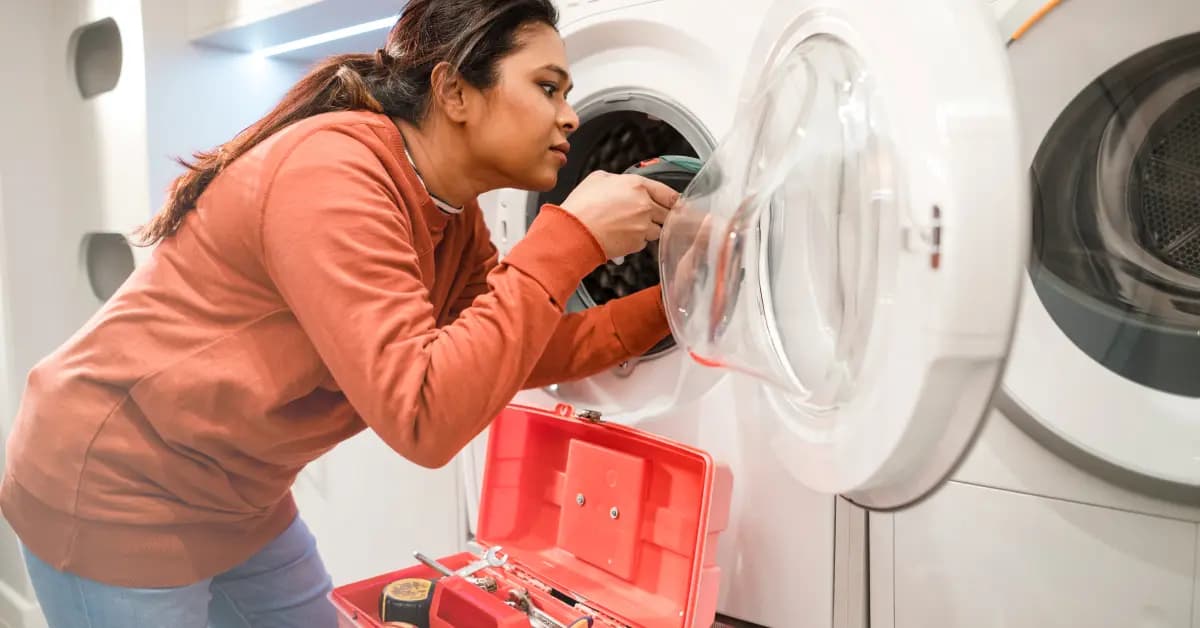
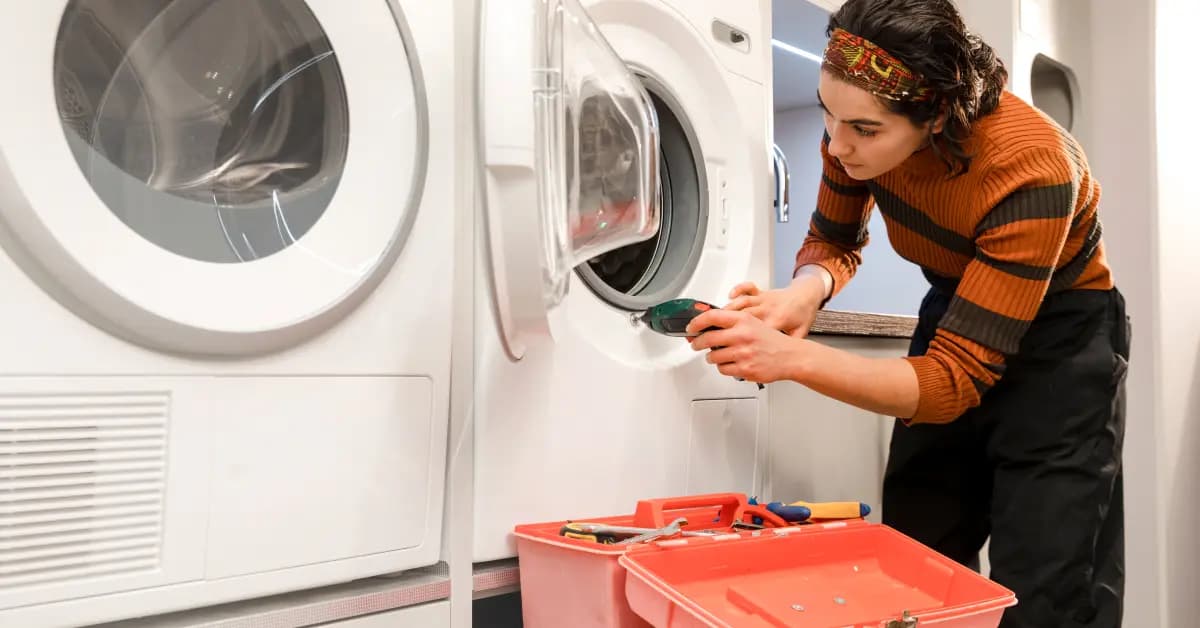
Convenient Online Ordering for GE Washing Machine Tech Sheet Repairs
Access the technical specifications and service information you need with GE washing machine tech sheets from Repair Clinic. These essential resources help diagnose and repair your appliance efficiently. Use our model number lookup to find the exact tech sheet for your GE washing machine to ensure the right fit and precision. Benefit from our same-day shipping and Price Match Guarantee for a reliable shopping experience. For expert repair guidance, visit our Washing Machine Repair Help page. Browse related options like GE Washing Machine Drum & Tub Parts for additional support and solutions.
GE Washing Machine Model Number: Where to Look
On GE washing machines, look for the model number on a label inside the lid or door frame, along the top edge of the tub opening, or on the back panel. Top-load models often place it beneath the lid, while front-load models commonly have it behind the door. The label may also include a serial number, so copy the model number exactly, including letters and numbers. Type it into our model number lookup and the catalog narrows to parts made for your unit. Using the complete model number filters the full GE washing machine parts selection, not just one part category, so you can identify compatible parts quickly and avoid ordering by appearance alone.

Diagnose and Repair Your GE Washing Machine Online
Repair Clinic's online resources are built to help you get your GE Washing Machine back in service without unnecessary trial and error. Start with the diagnostic article for your symptom, watch a repair video that shows the parts and tools involved, then follow the step-by-step written guide as you work. Part testing walkthroughs confirm the failed component, and the model number lookup confirms the exact OEM part before you order.
Related Articles: Washing Machine Parts
What Causes A Washing Machine To Stop Working?
Learn common reasons your washing machine suddenly stops working, from power issues to faulty parts, and how to troubleshoot the problem effectively.

Why Won't My Washing Machine Start?
If your washing machine won't turn on, find potential causes like door switch malfunctions, control board failures, or electrical issues, along with steps to fix them.
What Causes a Washing Machine To Not Spin or Drain?
Learn why your washer isn't spinning or draining properly, from clogged drain hoses to worn-out drive belts, and find solutions to restore its performance.




Family-owned and operated since 1912, Burke America Parts Group is the longest-running genuine appliance, HVAC, and outdoor power equipment parts solution in North America. At Repair Clinic, we're proud to be an international brand trusted by the pros as well as the DIY community.
About Repair Clinic