


 Price Match Guarantee
GE Washing Machine Bearing Parts
Find the right part faster
Multiple models matched. Select your model to confirm fit.




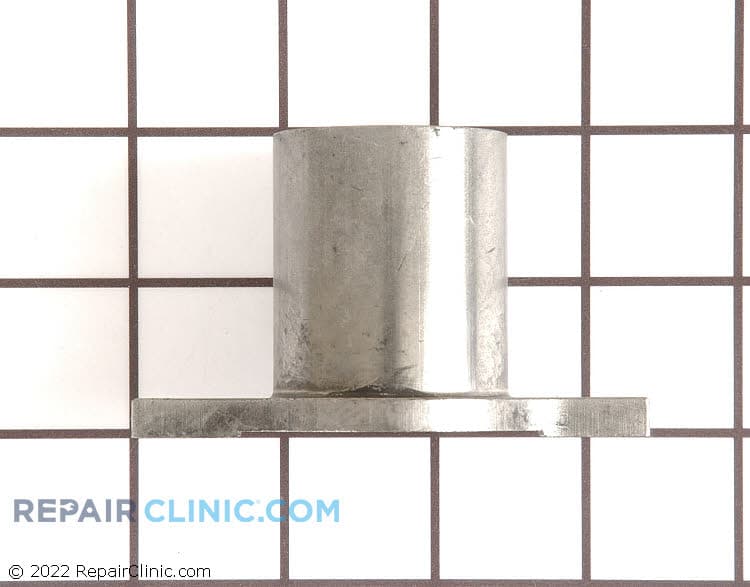
Washing machine main tub bearing. Located at bottom of outer tub. The tub bearing helps to keep the inner tub spinning smoothly.


Bushing
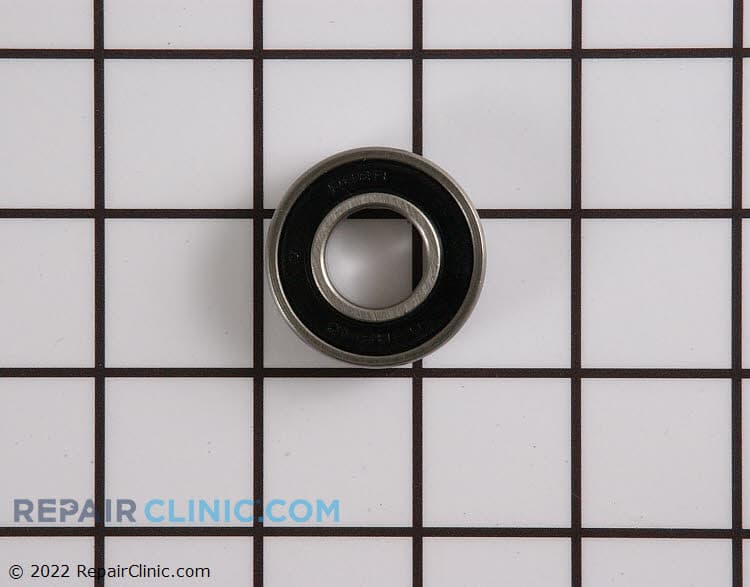
Ball bearing, clutch
Bearing
Bearings
Bushing


GE Washing Machine Tub Bearing Parts
A grinding or rumbling noise during the spin cycle is your GE washer telling you the tub bearing has worn out. The tub bearing supports the inner drum as it spins at high speed — when it fails, metal-on-metal contact creates that distinctive loud grinding sound. GE washers, especially Spectra and Harmony models, rely on precision bearings that eventually wear from years of friction and water exposure.
Replacing a GE washer tub bearing is one of the bigger washer repairs, but it's absolutely necessary to prevent further damage to the tub itself. Repair Clinic carries OEM GE bearing kits and complete rear drum assemblies that match your exact model. GE washing machine bearing parts include the bearing, seals, and sometimes the complete rear tub assembly depending on your model year and configuration.
- Loud grinding noise during spin cycle: Tub bearing has failed; metal-on-metal contact inside the drum
- Tub won't spin smoothly: Bearing friction increasing; repair urgent to prevent tub damage
- Water leaking from underneath the tub: Failed bearing seal allowing water to escape into the outer tub
- Tub wobbles or feels loose: Worn bearing no longer centers the inner drum correctly
- Burning smell during spin: Bearing friction generating heat; stop using immediately
Find Replacement GE Washing Machine Bearing Parts Online by Model or Part Number
Popular GE Washing Machine Models
Related GE Washing Machine Bearing Parts
GE Washing Machine Bearing Replacement: Common Questions
Why is my GE washer making a grinding noise?
The tub bearing supports the inner drum as it spins — typically at 700+ RPM during the spin cycle. When the bearing wears out, the drum loses its smooth rotation and grinds against the outer tub. GE washers with high spin speeds and frequent use tend to experience bearing failure between 5 to 10 years of operation. The noise will get progressively louder until you replace the bearing. Ignoring it risks damage to the outer tub and basket, which are far more expensive to replace.
Can I replace just the bearing, or do I need the whole rear drum assembly?
That depends on your GE model. Some washers have a bearing that can be pressed out and replaced individually, while others (particularly newer Spectra and Harmony models) come as a sealed rear drum assembly where the bearing is permanently installed. When you enter your model number, Repair Clinic will show you exactly what's available — individual bearing or complete assembly. OEM assembly kits always come with new seals and gaskets, which is the safest route for a long-lasting repair.
How do I know if it's the bearing and not something else?
A grinding noise that gets worse during the spin cycle is classic bearing failure. To confirm: stop the machine mid-cycle and manually spin the inner drum by hand (from inside the tub). If it's stiff, gritty, or makes noise when you turn it, the bearing is definitely the issue. If the drum spins freely and quietly by hand but grinds during the power spin, the bearing is worn but not yet seized. Either way, replacement is the fix.
How do I find my GE washer model number?
Your GE model number is on a sticker usually located on the back of the washer or inside the door frame. It starts with a letter (like W, G, or Z) followed by numbers. Write down the complete model number and enter it in the Repair Clinic search bar — we'll show you the correct bearing kit or rear drum assembly for your specific model, ensuring compatible fit and compatibility.
Order GE Washing Machine Bearing Parts Online
Maintain your GE washing machine's performance with genuine OEM bearing parts available at Repair Clinic. Bearings play a crucial role in reducing friction and supporting the drum during spin cycles. Ensure your washer operates quietly and efficiently by finding the right bearings using our model number lookup tool. Enjoy the convenience of same-day shipping, a No-Hassle 365-Day Returns policy, and our Price Match Guarantee. For troubleshooting tips and repair guidance, visit our Washing Machine Repair Help page. You might also want to browse related solutions like GE Washing Machine Drum & Tub Parts for comprehensive repairs.
GE Washing Machine Model Number: Where to Look
On GE washing machines, check the inside of the door frame, the back panel, or the top edge of the tub opening for the model number label. Copy the complete number, including any letters and additional digits, exactly as shown. Type it into the model number search to pull up the parts matched to your unit. Using the model number filters Repair Clinic's full GE washer parts selection, so you can compare the options made for your specific washing machine instead of relying on appearance alone. It is the quickest way to be sure the part fits before you order.

Online Diagnostic and Repair Help for GE Washing Machine
Repair Clinic's online resources cover GE Washing Machine diagnostic work, part testing, and installation in one place. Symptom articles help you understand what is likely going wrong, video walkthroughs show the disassembly and reassembly, and step-by-step written repair guides let you follow along in your own time. Use the model number lookup to confirm the exact OEM part, and wiring diagrams support the more involved jobs.
Related Articles: Washing Machine Parts
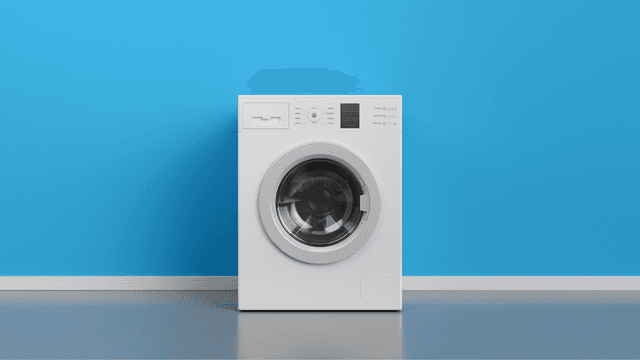
What Causes A Washing Machine To Stop Working?
Learn common reasons your washing machine suddenly stops working, from power issues to faulty parts, and how to troubleshoot the problem effectively.

Why Won't My Washing Machine Start?
If your washing machine won't turn on, find potential causes like door switch malfunctions, control board failures, or electrical issues, along with steps to fix them.
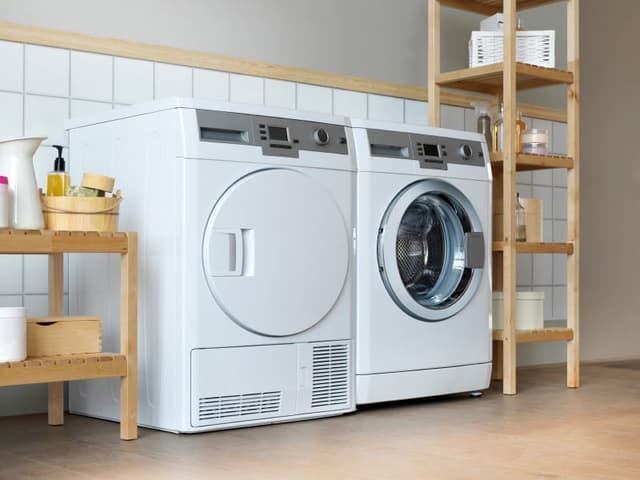
What Causes a Washing Machine To Not Spin or Drain?
Learn why your washer isn't spinning or draining properly, from clogged drain hoses to worn-out drive belts, and find solutions to restore its performance.




Family-owned and operated since 1912, Burke America Parts Group is the longest-running genuine appliance, HVAC, and outdoor power equipment parts solution in North America. At Repair Clinic, we're proud to be an international brand trusted by the pros as well as the DIY community.
About Repair Clinic