


 Price Match Guarantee
Maytag Centennial Washing Machine Parts
- Adhesive
- Agitator
- Axle, Roller, Shaft, Wheel
- Bearing
- Belt
- Bracket & Flange
- Cap, Lid & Cover
- Capacitor
- Circuit Board & Timer
- Cleaner & Deodorizer
- Dispenser
- Door
- Drip Bowl & Drip Pan
- Drum & Tub
- Duct & Venting
- Fastener
- Filter
- Gasket & Seal
- Handle
- Hinge
- Hose, Tube & Fitting
- Insulation
- Knob, Dial & Button
- Latch
- Leg, Foot & Caster
- Lighting & Light Bulb
- Lubricant
- Manuals, Care Guides & Literature
- Miscellaneous
- Motor
- Paint
- Panel
- Power Cord
- Pump
- Spring
- Suspension & Shock Absorption
- Switch
- Tool
- Touchpad
- Transmission, Brake & Clutch
- Trim
- Valve & Float
- Wire, Receptacle & Wire Connector
Find the right part faster
Multiple models matched. Select your model to confirm fit.





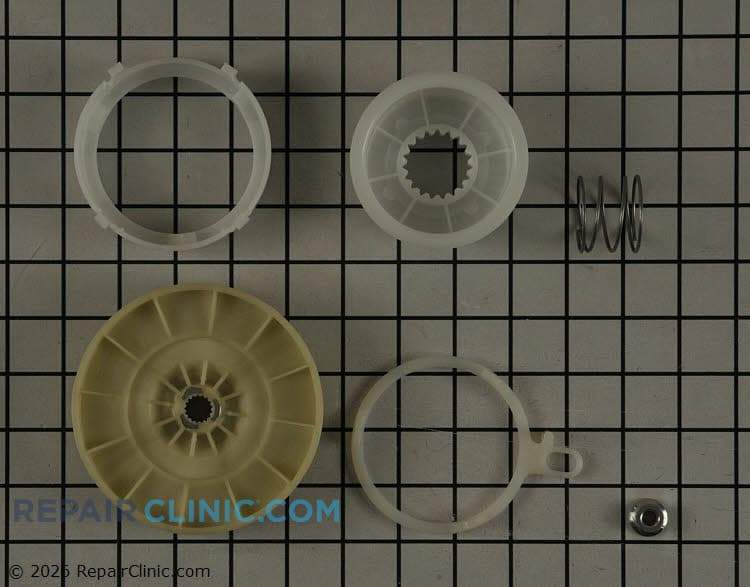
Drive Clutch (Splutch) Kit. This kit has 6 parts; a spring, housing, cam ring, basket drive gear, pulley, and nut. The pulley is driven by the belt and the splutch works with the mode shift actuator to drive the washplate and spin the inner basket. A worn splutch can cause spin or washplate problems
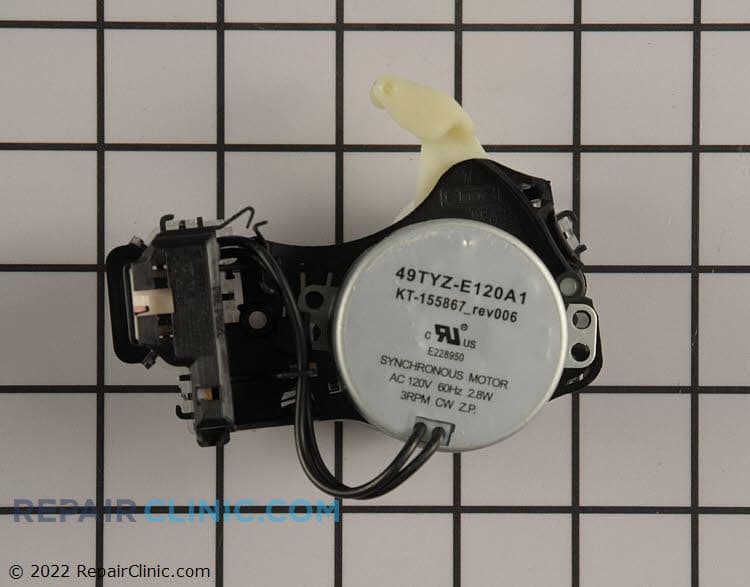
Mode shift actuator with 6 pin wire connection
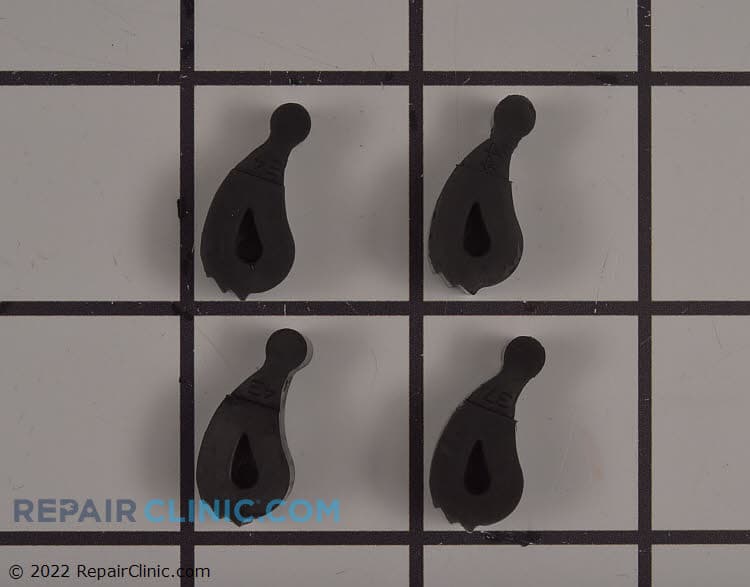
Agitator Dogs - High-quality replacement part from Whirlpool. This kit can be used if the top part of the agitator is not moving properly but the bottom part is.
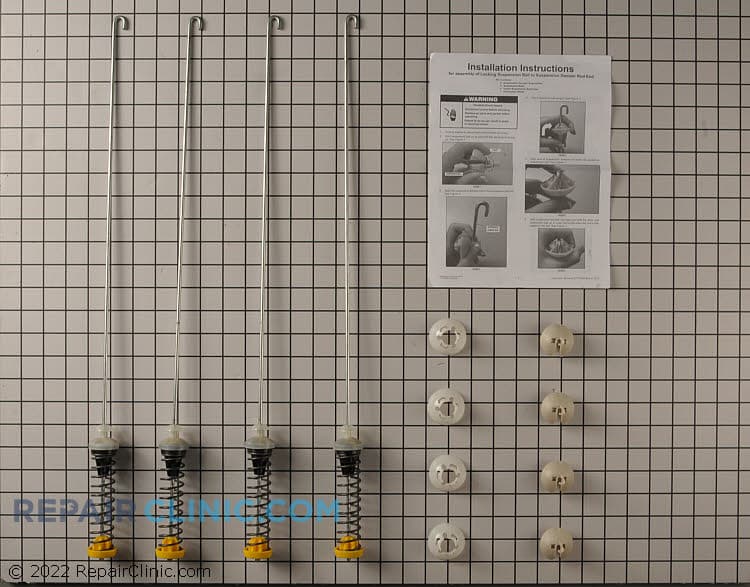
Suspension rod kit
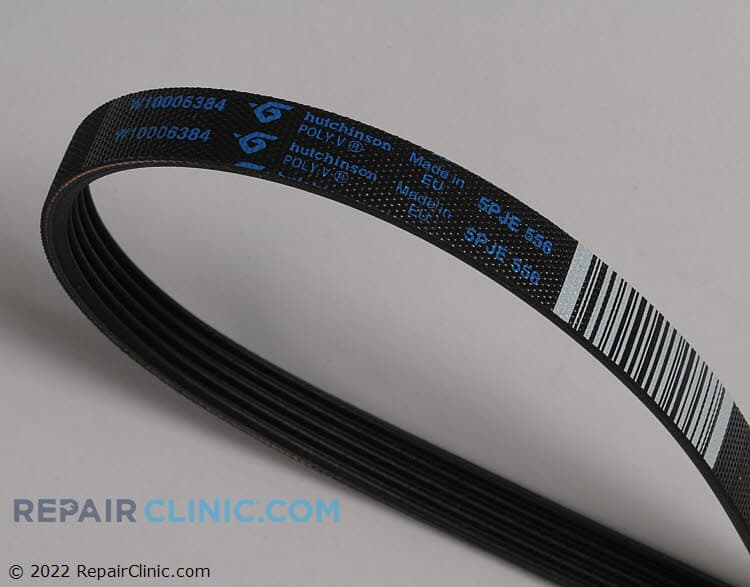
Washer main drive belt. This belt is located under the washing machine and is used to drive the splutch pulley. It goes around the motor & splutch pulleys. Worn or broken drive belt can cause spin or washplate problems.
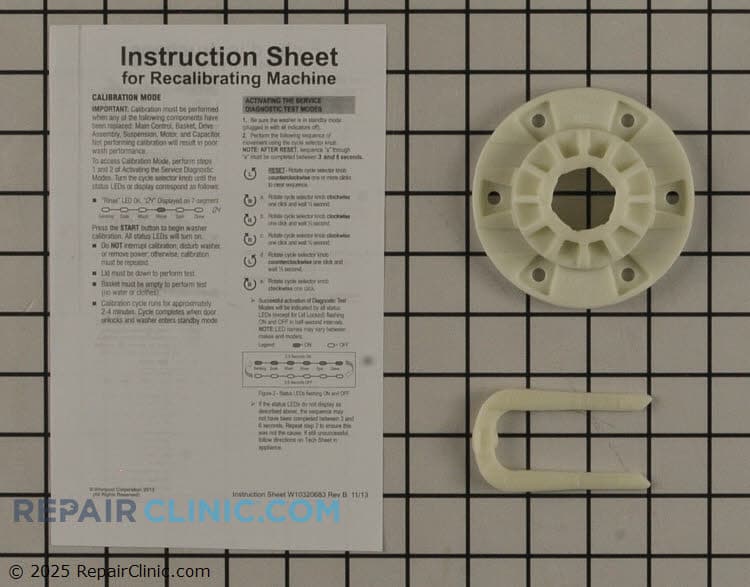
Inner tub drive hub kit
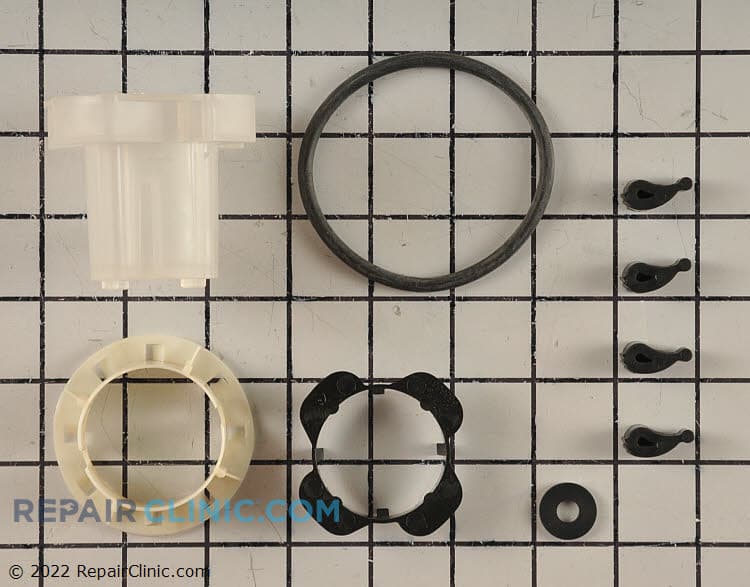
Washing machine agitator repair kit with a medium length cam (there are other kits available for different models). This kit should be used when the top part of the agitator is not moving properly but the bottom part is.
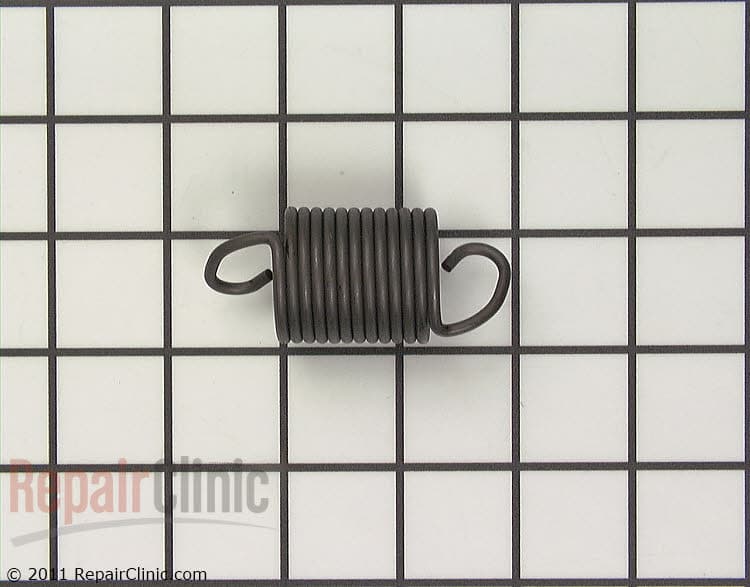
Suspension Spring
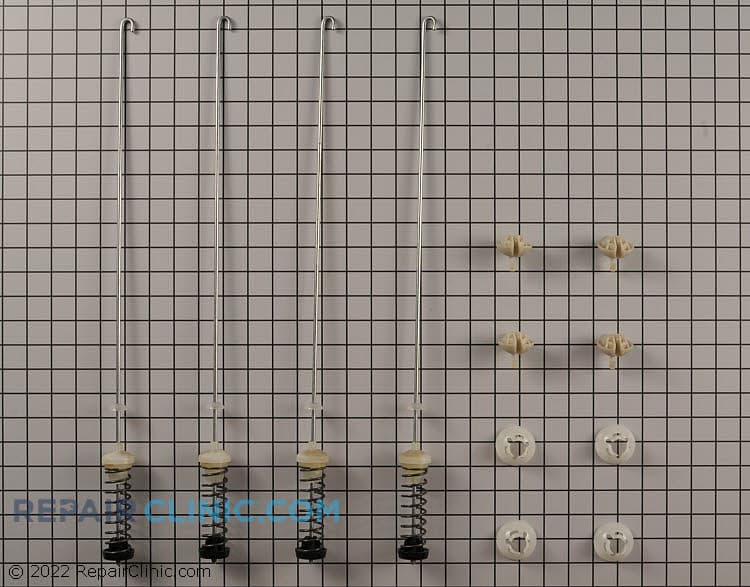
Washing machine tub suspension rod kit,. Set of 4 rods, 4 suspension balls and 4 bushings. The suspension rods help to dampen the movement of the washer tub. If one or more of the suspension rods are broken, the washer will vibrate or shake.
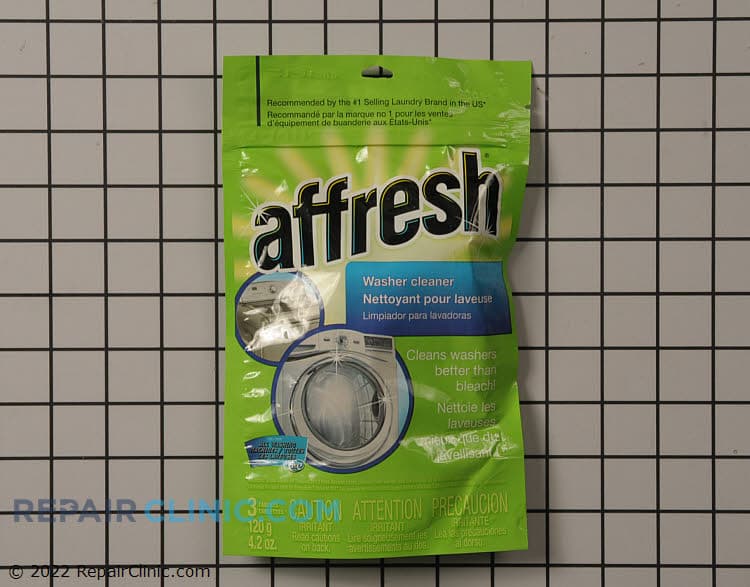
Affresh® Washing machine cleaner. This cleaner removes and prevents odor-causing residue in all brands of washers. To use, add one tablet to washer with no clothes and select hot water.
- Septic safe
- More effective than bleach.
- Three tablets per package.
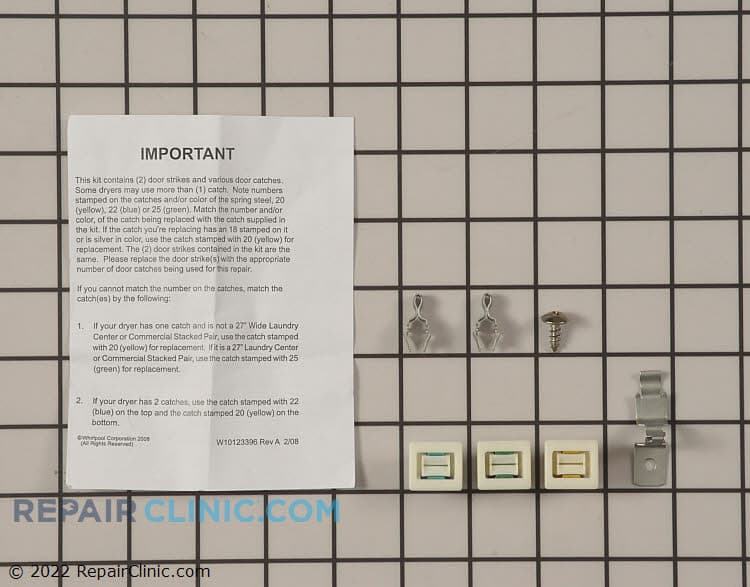
Dryer door catch kit
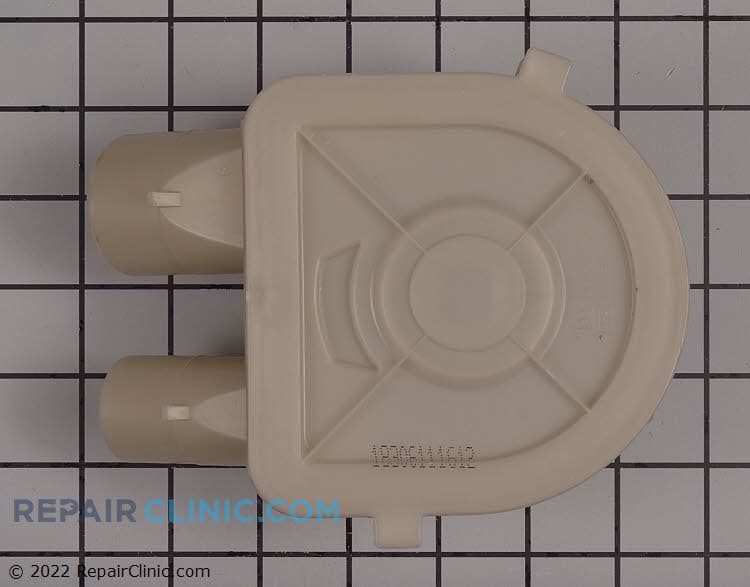
Washing machine drain pump. The pump mounts directly to the motor with two clips. If the washer does not drain then the pump could be locked up or a small object may be clogging it. A small leak in front of the washer could be caused by a defective pump.

Direct-drive washer lid switch assembly, If the washing machine does not spin the lid switch may have failed.
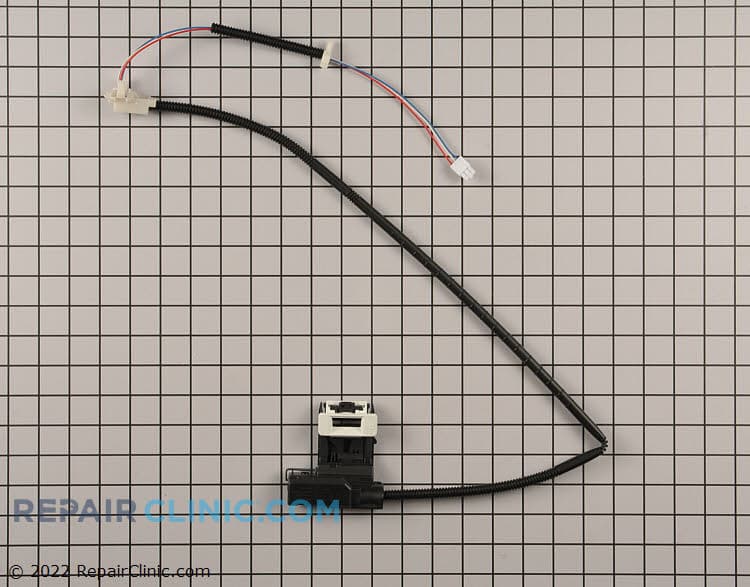
Lid lock latch assembly. The part might arrive in the locked position. Per the manufacturer install the lid lock & power up washing machine to reset lock to the open position.
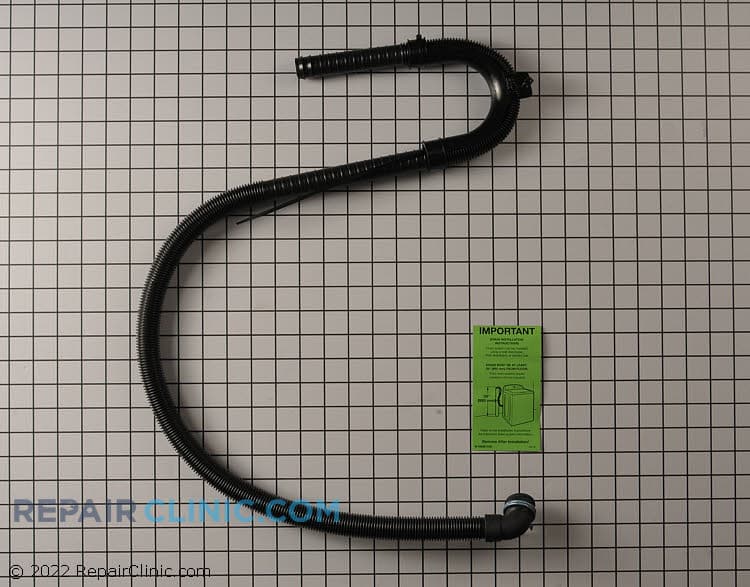
Washing machine drain hose kit. Includes clamp. 4 feet long


Maytag Centennial Washing Machine Parts
The Maytag Centennial is a no-frills top-load washer built to do one job well: clean clothes, day after day. It's a direct-drive machine, which means reliability, but it also means when something fails, you need the exact OEM part to get back to normal. The most common Centennial repairs involve the lid switch, drain pump, and water inlet valve — all straightforward fixes with the right parts and a basic tool kit.
Centennial washers are everywhere in laundromats, rental properties, and budget-conscious households because they last. That longevity means you'll find active parts demand even for units 10+ years old. When your Centennial won't drain, won't spin, or won't agitate, the fix is usually one of these five parts.
- Lid switch: Won't spin or agitate when lid is closed; switch contact worn or stuck open
- Drain pump: Standing water after cycle; pump motor burned out or impeller clogged
- Water inlet valve: Slow fill or won't fill; dual solenoid assembly fails in one position
- Drive belt: No agitation or spin but motor runs; flat multi-rib belt stretched or snapped
- Motor coupling: Maytag direct-drive coupling breaks under load; shear pin inside the coupling sacrifices to protect the motor
Use Maytag Washing Machine Centennial Parts and enter your model number to find the exact replacement for your machine. Most Centennial repairs are under $100 in parts.
Find Replacement Maytag Centennial Washing Machine Parts Online by Model or Part Number
Popular Maytag Centennial Washing Machine Models
Related Maytag Centennial Washing Machine Parts
- Maytag CENTENNIAL Washing Machine Fastener Parts
- Maytag CENTENNIAL Washing Machine Hose, Tube & Fitting Parts
- Maytag CENTENNIAL Washing Machine Wire, Receptacle & Wire Connector Parts
- Maytag CENTENNIAL Washing Machine Cap, Lid & Cover Parts
- Maytag CENTENNIAL Washing Machine Panel Parts
- Maytag CENTENNIAL Washing Machine Switch Parts
- Maytag CENTENNIAL Washing Machine Agitator Parts
- Maytag CENTENNIAL Washing Machine Transmission, Brake & Clutch Parts
- Maytag CENTENNIAL Washing Machine Drum & Tub Parts
- Maytag CENTENNIAL Washing Machine Bracket & Flange Parts
- Maytag CENTENNIAL Washing Machine Circuit Board & Timer Parts
- Maytag CENTENNIAL Washing Machine Gasket & Seal Parts
- Maytag CENTENNIAL Washing Machine Paint
- Maytag CENTENNIAL Washing Machine Knob, Dial & Button Parts
- Maytag CENTENNIAL Washing Machine Spring Parts
- Maytag CENTENNIAL Washing Machine Suspension & Shock Absorption Parts
- Maytag CENTENNIAL Washing Machine Valve & Float Parts
- Maytag CENTENNIAL Washing Machine Latch Parts
- Maytag CENTENNIAL Washing Machine Miscellaneous Parts
- Maytag CENTENNIAL Washing Machine Capacitor Parts
- Maytag CENTENNIAL Washing Machine Dispenser Parts
- Maytag CENTENNIAL Washing Machine Hinge Parts
- Maytag CENTENNIAL Washing Machine Leg, Foot & Caster Parts
- Maytag CENTENNIAL Washing Machine Motor Parts
- Maytag CENTENNIAL Washing Machine Bearing Parts
- Maytag CENTENNIAL Washing Machine Touchpad Parts
- Maytag CENTENNIAL Washing Machine Insulation Parts
- Maytag CENTENNIAL Washing Machine Axle, Roller, Shaft, Wheel Parts
- Maytag CENTENNIAL Washing Machine Door Parts
- Maytag CENTENNIAL Washing Machine Manuals, Care Guides & Literature
- Maytag CENTENNIAL Washing Machine Power Cord Parts
- Maytag CENTENNIAL Washing Machine Pump Parts
- Maytag CENTENNIAL Washing Machine Cleaner & Deodorizer
- Maytag CENTENNIAL Washing Machine Adhesive
- Maytag CENTENNIAL Washing Machine Belt Parts
- Maytag CENTENNIAL Washing Machine Drip Bowl & Drip Pan Parts
- Maytag CENTENNIAL Washing Machine Duct & Venting Parts
- Maytag CENTENNIAL Washing Machine Filter Parts
- Maytag CENTENNIAL Washing Machine Handle Parts
- Maytag CENTENNIAL Washing Machine Lighting & Light Bulb Parts
- Maytag CENTENNIAL Washing Machine Lubricant
- Maytag CENTENNIAL Washing Machine Tool
- Maytag CENTENNIAL Washing Machine Trim Parts
Maytag Centennial Washer Parts: FAQ
What is the most common Maytag Centennial washing machine repair?
The lid switch is the #1 Centennial failure. When the switch contact wears out or sticks, the machine won't enter spin or agitation even though the motor runs. You'll hear the motor humming but no action. It's a $15 to $40 part and a 10-minute fix — unscrew the console, slide off the old switch, and snap the new one in place.
How do I know if my Centennial washer needs a new drain pump?
Standing water after the cycle is the classic sign. If the tub fills and agitates but won't drain, the pump has likely failed. Before you replace it, check for clogs in the drain hose and pump intake — lint and coins get stuck regularly. If the hose is clear but water still won't drain, order the OEM drain pump for your model.
Where do I find my Maytag Centennial model number?
Open the lid and look inside the tub rim on the left side — you'll see a white label with the model and serial number. It starts with something like MVWC465HW or MVWC565FW. Write this number down before ordering parts. The model number tells you the exact water inlet valve, drain pump, and motor coupling your machine needs — never guess on these.
Can I use a universal washing machine belt on my Centennial?
Universal belts are a last resort. Centennial belts come in specific lengths and rib counts — a belt that's even half an inch too long or too short will slip or break again. Always enter your model number to get the OEM belt. It costs a few dollars more but saves you from a repeat repair in six months.
Order Maytag Washing Machine Centennial Replacement Online
Keep your Maytag washing machine running efficiently by replacing a faulty centennial promptly. With same-day shipping on most in-stock items, you'll have your replacement part fast, minimizing downtime. Our model/part number lookup finds the exact OEM part for your unit, and every order is backed by our 365-day return policy and price-match guarantee. If your Maytag washing machine centennial is failing — showing symptoms like reduced performance, unusual noise, or complete non-operation — replacement is typically the fastest fix. Browse our full library of Maytag repair resources for troubleshooting guides and installation videos.
Find the Model Number on Your Maytag Centennial Washing Machine
On Maytag Centennial washers, look along the top edge of the tub opening, especially the left side, for a label showing the model and serial numbers. Lift the lid and check this area before moving to less accessible spots such as the back panel. Once you have the complete model number, type it into the search bar to narrow the catalog to parts made for your entire washer, including controls, pumps, belts, switches, and suspension parts. Matching the full model first helps you avoid comparing parts that look similar but fit different Centennial machines. That means fewer wrong orders and a faster repair.

Maytag Washing Machine Troubleshooting Videos and Repair Articles
Repair Clinic's online repair library is where Maytag Washing Machine owners and technicians go to diagnose the problem and complete the fix. Video walkthroughs, symptom articles, part testing tutorials, and exploded-view diagrams cover the most common repairs from start to finish. Model number lookup confirms the exact OEM part before you order.
Related Articles: Washing Machine Parts
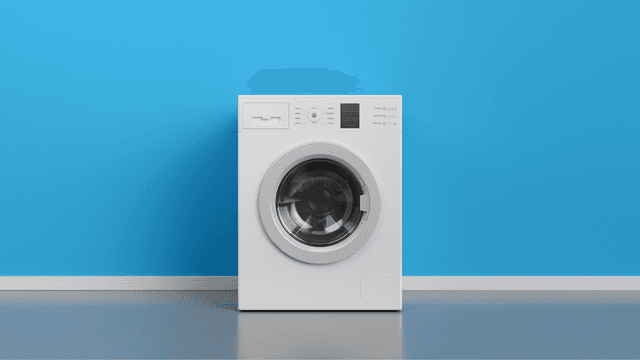
What Causes A Washing Machine To Stop Working?
Learn common reasons your washing machine suddenly stops working, from power issues to faulty parts, and how to troubleshoot the problem effectively.

Why Won't My Washing Machine Start?
If your washing machine won't turn on, find potential causes like door switch malfunctions, control board failures, or electrical issues, along with steps to fix them.
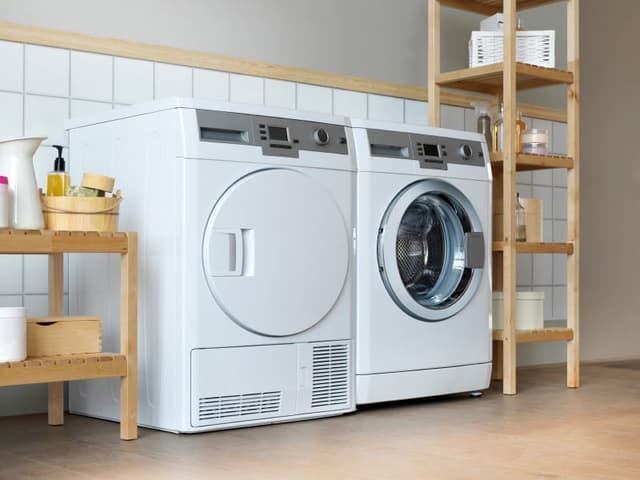
What Causes a Washing Machine To Not Spin or Drain?
Learn why your washer isn't spinning or draining properly, from clogged drain hoses to worn-out drive belts, and find solutions to restore its performance.




Family-owned and operated since 1912, Burke America Parts Group is the longest-running genuine appliance, HVAC, and outdoor power equipment parts solution in North America. At Repair Clinic, we're proud to be an international brand trusted by the pros as well as the DIY community.
About Repair Clinic