


 Price Match Guarantee
Hotpoint Washing Machine Agitator Parts
Find the right part faster
Multiple models matched. Select your model to confirm fit.





Agitator, top load washer

Washing machine agitator assembly.

Agitator drive bell

Washing machine agitator drive bell (also called the coupler). The drive bell connects the transmission drive shaft to the agitator base.

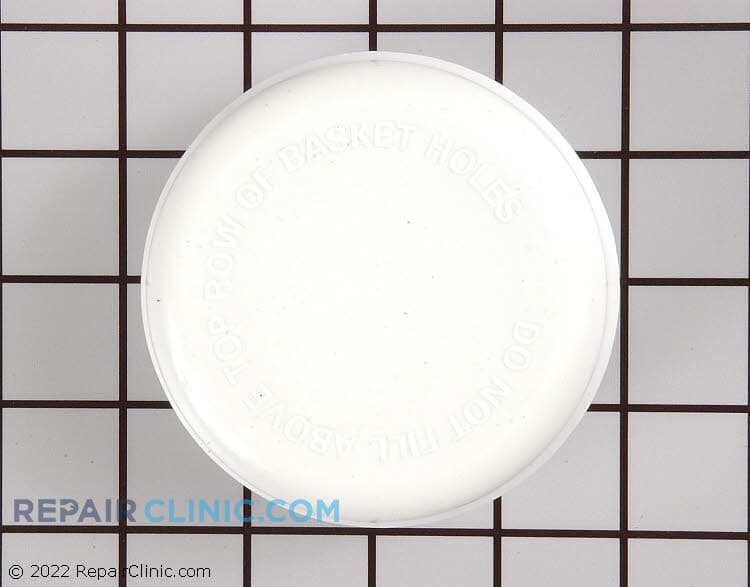
Cap agitator, short
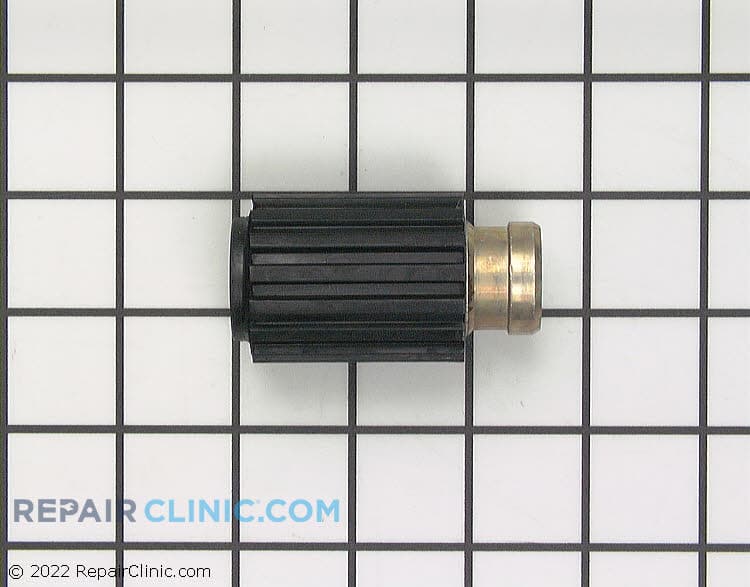
Washing Machine Agitator Coupling.
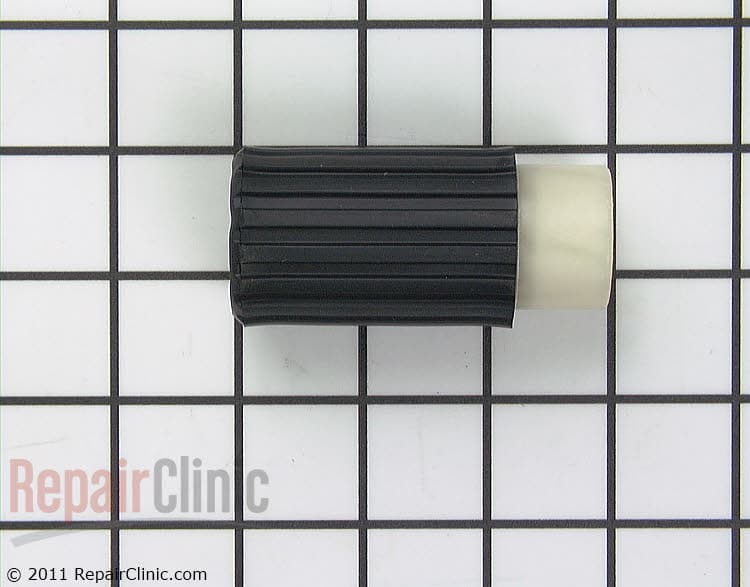
Washing machine agitator coupling, for 9 spline drive shaft transmissions


Hotpoint Washing Machine Agitator Parts
The agitator is the heart of a top-load washer — it twists back and forth to rub clothes clean. When your Hotpoint agitator stops working in one direction, makes grinding noises, or won't move at all, the agitator dogs (or cogs) have likely worn out. These are small plastic or metal clips inside the agitator that engage the transmission shaft. Once they're stripped, the agitator spins freely without gripping.
Hotpoint washing machines are built by Whirlpool, so parts are interchangeable across many Whirlpool-family models. Agitator repair is one of the most straightforward washer fixes — the part slides up and out with one bolt, and a new agitator assembly solves the problem. Hotpoint Washing Machine Agitator Parts are available for decades of models.
- Agitator won't turn one direction: Agitator dogs (plastic cogs) are stripped; the agitator spins but doesn't grip the transmission shaft
- Grinding noise during wash cycle: Worn or broken agitator dogs create friction and noise; replacement agitator stops the sound immediately
- Agitator moves but clothes don't wash: Severely worn dogs mean no scrubbing action; clothes come out as dirty as they went in
- Agitator is loose or wobbles: Drive coupling at the base has failed; the agitator assembly itself needs replacement
- Water leaks from agitator center during wash: Seal has failed inside the agitator; full replacement is the fix
Find Replacement Hotpoint Washing Machine Agitator Parts Online by Model or Part Number
Popular Hotpoint Washing Machine Models
Hotpoint Washer Agitator Questions
What's the difference between a Hotpoint agitator and other Whirlpool washers?
Hotpoint agitators are Whirlpool-built parts with the same dog design as Kenmore and Whirlpool models. The main difference is the mounting base and the transmission shaft it grips. Always enter your Hotpoint model number to confirm the exact agitator fit — even small variations in shaft diameter matter.
Can I replace just the agitator dogs instead of the whole agitator?
Some older Hotpoint agitators have removable dog assemblies sold separately. However, most modern Hotpoint agitators come as a complete unit — replacement is faster and more reliable than trying to swap individual cogs. Check your parts diagram to see if your model allows for a dog-only replacement.
How do I know if my agitator dogs are the problem and not the transmission?
Turn off the washer and try to twist the agitator by hand. If it spins freely in both directions with no resistance, the dogs are stripped. If the agitator is stuck or won't twist at all, the transmission shaft or coupling may be the issue. A grinding sound during the wash cycle is almost always the dogs.
Do I need a special tool to replace the Hotpoint agitator?
No — most Hotpoint agitators are held by a single bolt at the center base. You'll need a wrench or socket to remove the bolt, then the agitator slides straight up. No special pullers or transmission removal required. It's a 10 to 15 minute job with basic hand tools.
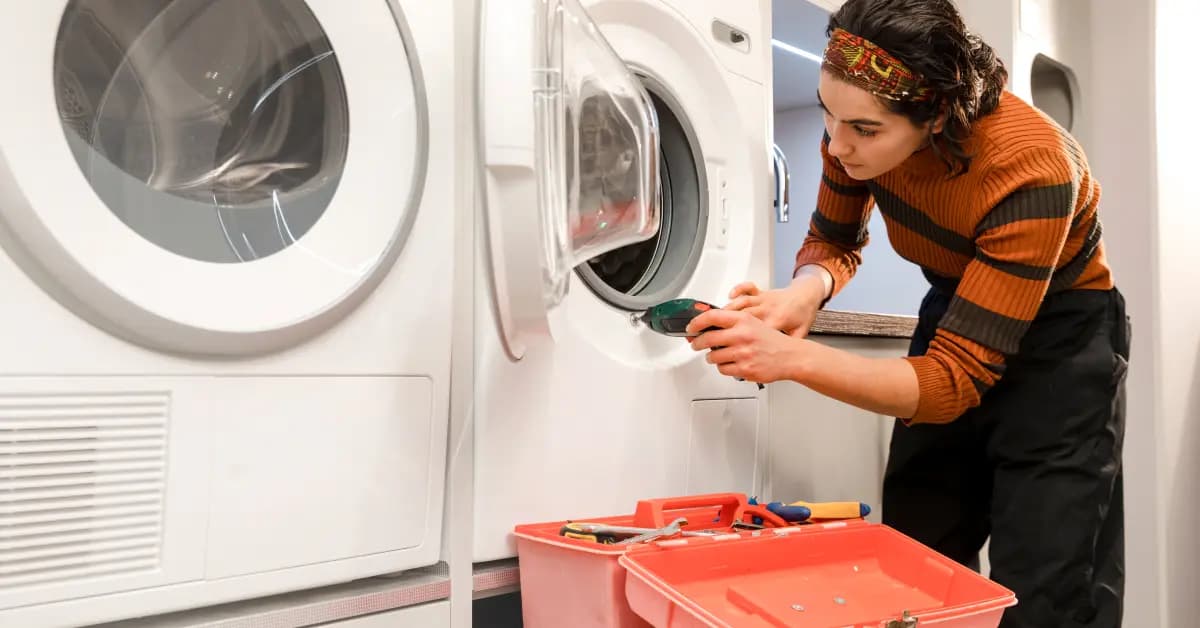
Order Hotpoint Washing Machine Agitator Parts Online
Ensure your Hotpoint washing machine operates at peak efficiency with genuine OEM agitator parts from Repair Clinic. The agitator plays a key role in the washing process by moving clothes during the wash cycle, ensuring a thorough clean. Utilize our model number lookup tool to find the exact agitator part you need, and benefit from our same-day shipping for immediate repairs. Our No-Hassle 365-Day Returns and Price Match Guarantee help you order with confidence. For guidance on installation, visit our Washing Machine Repair Help page. Additionally, browse related options like Hotpoint Washing Machine Agitator Parts to expand your repair solutions.
Hotpoint Washing Machine Model Number: Where to Look
Hotpoint places the model number on a label inside the lid or along the top edge of the tub opening on most washing machines. If you do not see it there, check the back panel, and look for a label listing "Model" or "Model Number," not just the serial number. Enter the complete model number in the search bar to narrow the catalog to parts made for your entire washer. Include every letter and number, along with any dashes, because small variations can change which parts fit. Using the full model number gives you a fast, accurate match and helps prevent ordering a part that is not compatible with your Hotpoint washer.

Hotpoint Washing Machine Repair Made Easier with Online Resources
The right online resources take the guesswork out of a Hotpoint Washing Machine repair. Repair Clinic's diagnostic articles, part testing videos, exploded-view diagrams, and step-by-step written repair guides walk owners and technicians through each stage from symptom identification to final reassembly. Look up your model number to confirm the correct OEM part before you order.
Related Articles: Washing Machine Parts
What Causes A Washing Machine To Stop Working?
Learn common reasons your washing machine suddenly stops working, from power issues to faulty parts, and how to troubleshoot the problem effectively.

Why Won't My Washing Machine Start?
If your washing machine won't turn on, find potential causes like door switch malfunctions, control board failures, or electrical issues, along with steps to fix them.
What Causes a Washing Machine To Not Spin or Drain?
Learn why your washer isn't spinning or draining properly, from clogged drain hoses to worn-out drive belts, and find solutions to restore its performance.




Family-owned and operated since 1912, Burke America Parts Group is the longest-running genuine appliance, HVAC, and outdoor power equipment parts solution in North America. At Repair Clinic, we're proud to be an international brand trusted by the pros as well as the DIY community.
About Repair Clinic