


 Price Match Guarantee
Hotpoint Washing Machine Motor Parts
Find the right part faster
Multiple models matched. Select your model to confirm fit.




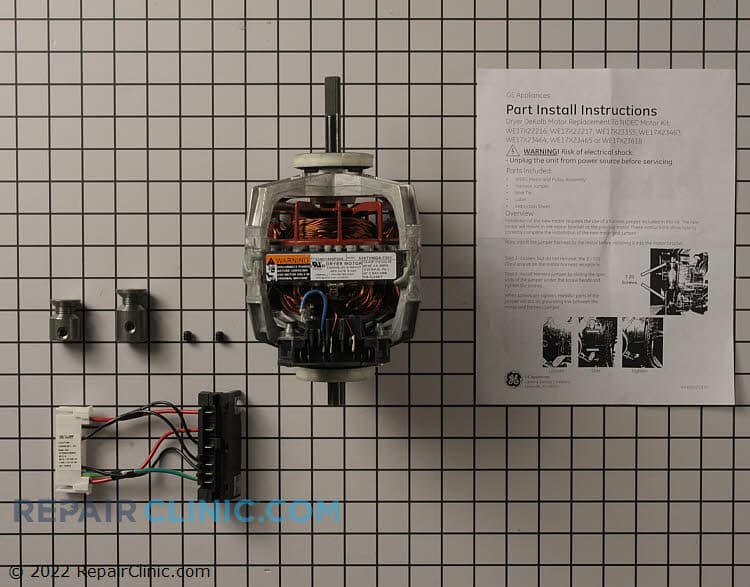
Dryer motor kit. Replaces old "T" & "V" style motors. Includes 2 motor pulleys and basic directions. Common symptoms of a bad drive motor are:
-Dryer stops turning during cycle
-Dryer won't start
-Dryer won't turn at al
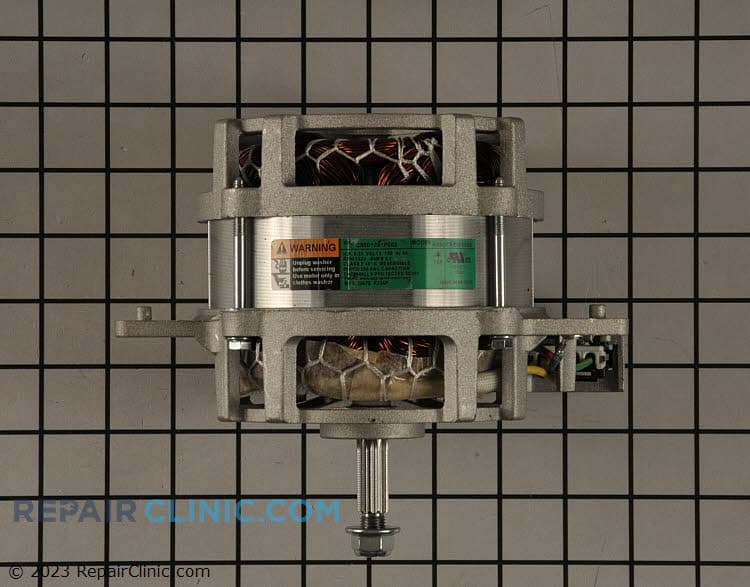
1/3 hp motor and nut
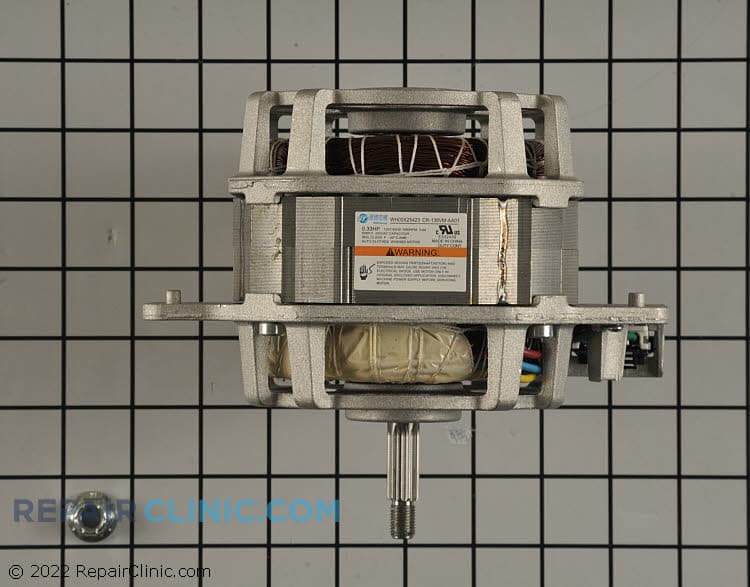
1/3 hp motor and nut

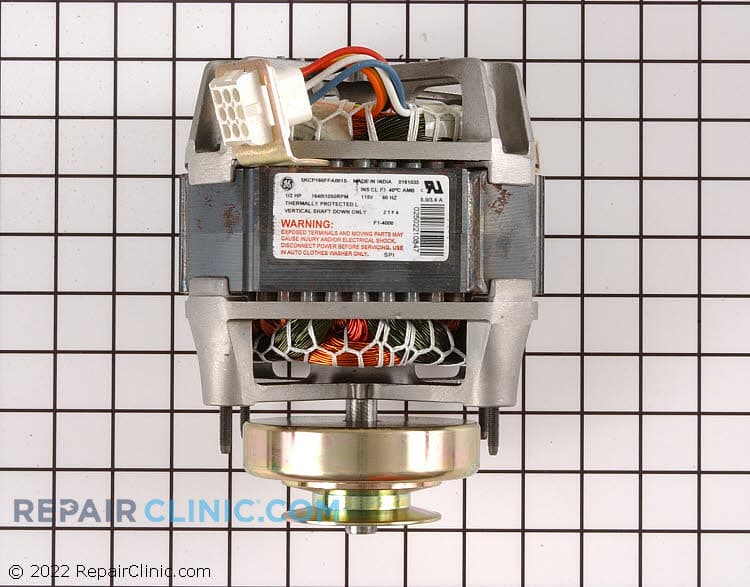
This is a Genuine Replacement Part. General Electric (GENF0) WH49X10035 Washing Machine Drive Motor.
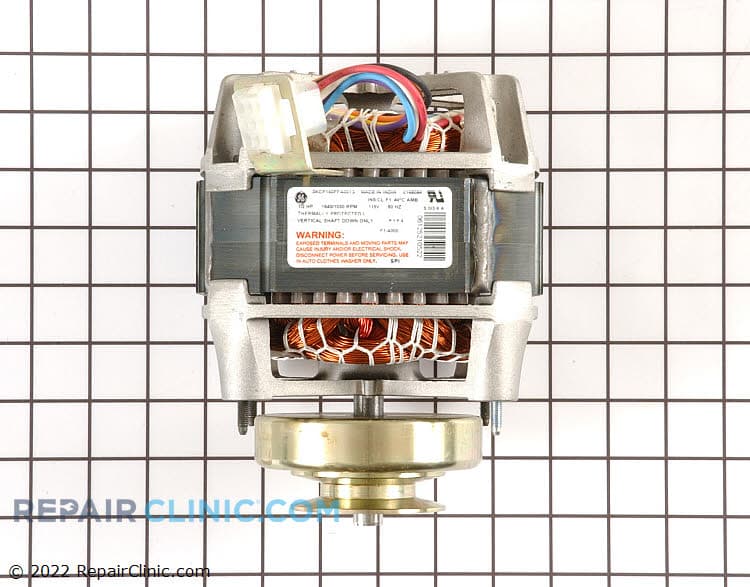
This is a Genuine Replacement Part. General Electric (GENF0) WH20X10019 Washing Machine Drive Motor.

Motor inverter 1 spd em
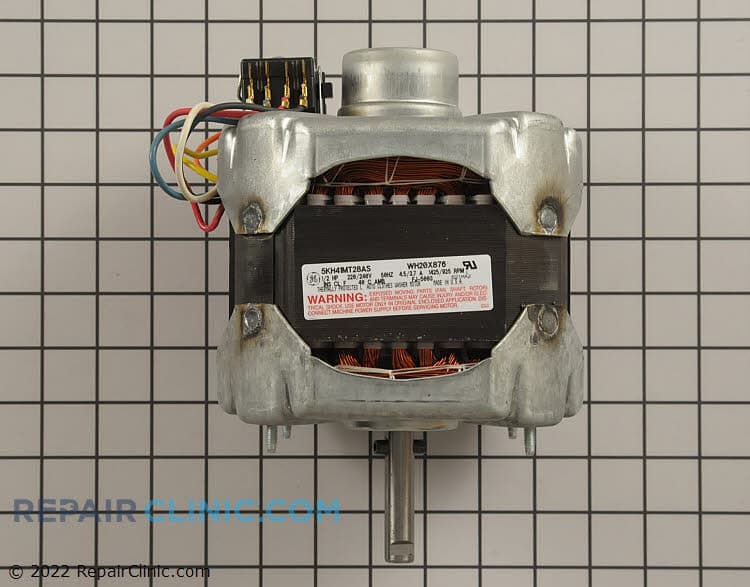
Motor, 220 Volts, 50 Hertz
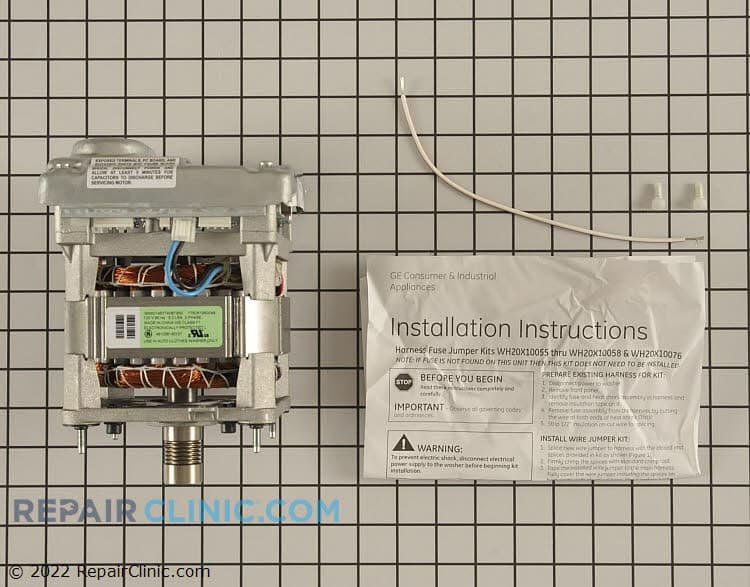
Motor with inverter
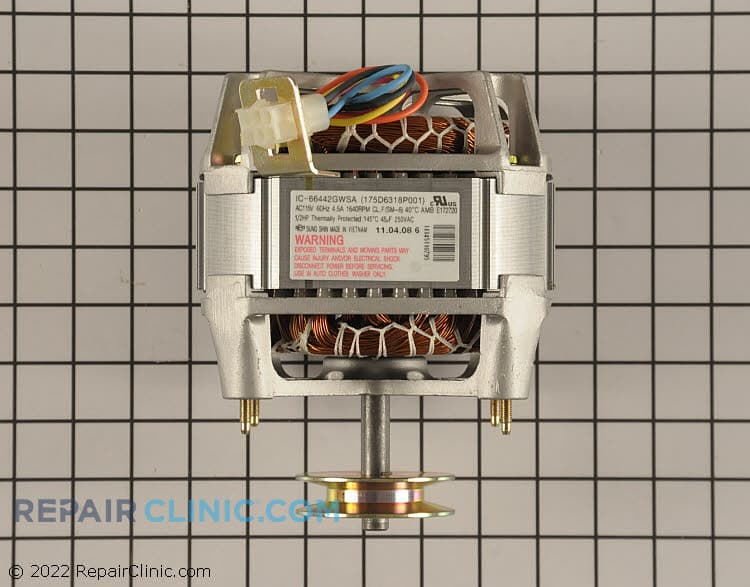
One speed motor, 1/2 horsepower
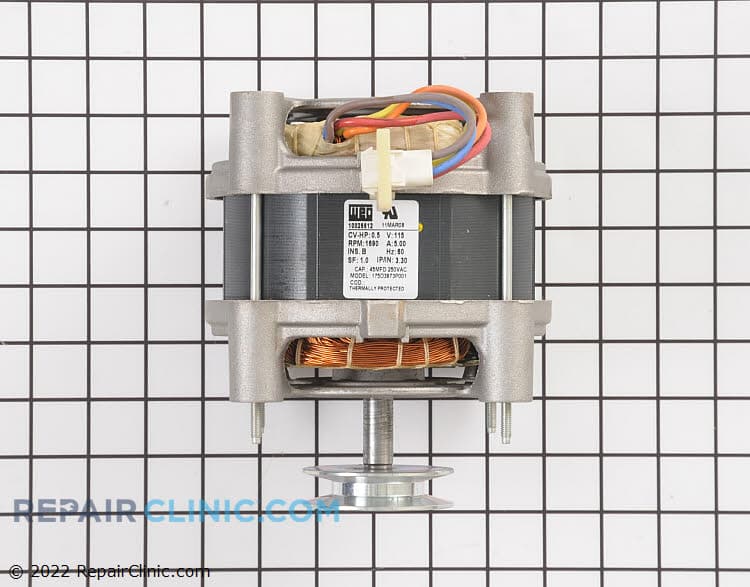
Drive Motor
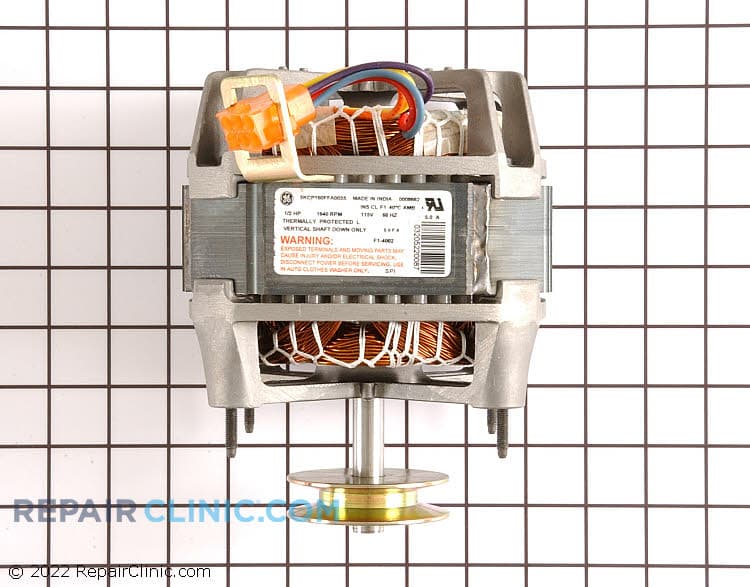
One speed motor kit


Hotpoint Washing Machine Motor Parts
The motor is the engine of your Hotpoint washer — whether it's driving the agitator, spinning the tub, or powering the pump. When your washer won't agitate, won't spin, or the motor hums but nothing moves, the motor itself or its supporting parts are usually the culprits. Hotpoint washers use direct-drive motors and belt-drive motors depending on the model, so identifying which type you have is the first step to the right repair.
Common motor-related failures include worn drive belts (no spin or agitation despite motor running), failed motor couplings that slip between motor and gearbox, and burnt-out motor windings. Capacitors that support motor starting also fail frequently, causing slow spin speeds or complete motor failure. Drain pumps — often motor-driven — are another frequent replacement.
- Motor won't run or runs slowly: Check the capacitor first; a failed run capacitor prevents motor startup
- No agitation or spin despite motor humming: Drive belt snapped, or motor coupling failed (direct-drive models)
- Drain pump won't empty water: Pump motor or pump assembly failure; often motor-driven on Hotpoint models
- Motor makes grinding noise during cycle: Internal motor bearing failure or debris in motor housing
- Thermal overload trips repeatedly: Motor overheating due to mechanical jam, bearing wear, or bad capacitor forcing motor to work harder
Enter your Hotpoint model number to find the exact motor assembly, capacitor, drive belt, pump motor, and coupling parts for your specific washer model. Repair Clinic carries genuine OEM Hotpoint motor parts — not aftermarket substitutes — ensuring your washer runs at full power and speed.
Find Replacement Hotpoint Washing Machine Motor Parts Online by Model or Part Number
Popular Hotpoint Washing Machine Models
Related Hotpoint Washing Machine Motor Parts
Hotpoint Washing Machine Motor Repair FAQ
Why does my Hotpoint washer motor hum but nothing spins or agitates?
When the motor runs (you hear it humming) but the agitator or drum doesn't turn, the motor itself is working but power isn't being transferred to the tub or agitator. This usually means the drive belt has snapped (you'll see a broken rubber belt if you open the cabinet), or on direct-drive Hotpoint models, the motor coupling has failed. The coupling is a flexible hub between the motor and the pump/transmission — when it wears out, the motor spins freely but the pump/drum doesn't engage. Both are straightforward repairs once you identify which failure mode you have.
What's the difference between a Hotpoint belt-drive and direct-drive washer motor?
Hotpoint manufactured both types. Belt-drive washers use a rubber V-belt or serpentine belt running between the motor pulley and the transmission pulley — if the belt breaks, you lose agitation or spin. Direct-drive washers connect the motor directly to the transmission via a flexible coupling; when that coupling fails, you lose power transfer. A belt-drive model is easier to diagnose (you can see the belt damage), while direct-drive requires checking the coupling and possibly the motor itself. Your model number determines which system you have — use the lookup tool to confirm.
How do I know if the motor capacitor is bad?
A run capacitor that's failed will prevent the motor from starting at all, or the motor will hum but struggle to reach full speed. You can test capacitor health with a multimeter set to capacitance mode — compare the reading to the µF rating printed on the capacitor (e.g., 45µF). If the reading is significantly lower or zero, the capacitor has failed. A simpler check: if the motor hums loudly on startup but the spin cycle is weak, the capacitor is usually the culprit. Capacitors are inexpensive ($10 to $25), so replacement is often worth trying before condemning the motor itself.
Can I replace just the motor coupling, or do I need to replace the whole motor?
On Hotpoint direct-drive washers, the motor coupling is a separate, replaceable part. You don't need to replace the entire motor if only the coupling has failed. However, always verify the motor itself is good before ordering a coupling. If the motor won't run at all (no hum, no power), the motor is likely bad. If the motor runs but power doesn't transfer, the coupling is the fix. Check your model number to confirm whether your washer uses a coupling — some Hotpoint models use a different drive system. Repair Clinic can help you identify the correct coupling for your exact model.
Order Hotpoint Washing Machine Motor Parts Online
Improve your Hotpoint washing machine's performance with genuine OEM motor parts from Repair Clinic. A reliable motor ensures your washing machine operates effectively, powering the drum to agitate and spin clothes efficiently. Use our model number lookup to find the exact motor part you need, guaranteeing compatibility and top performance. Benefit from our same-day shipping, No-Hassle 365-Day Returns, and Price Match Guarantee for a reliable shopping experience. For troubleshooting and repair assistance, visit our Washing Machine Repair Help page. Additionally, browse other options like Hotpoint Washing Machine Motor Parts for further maintenance solutions.
Hotpoint Washing Machine Model Number: Where to Look
On Hotpoint washing machines, look for the model number label along the top edge of the tub opening, inside the lid or door frame, or on the back panel. Open the lid or door and check the surrounding frame before moving the appliance, if needed, to inspect the rear. The model number identifies the whole washer, so it applies to every associated part, not just the motor. Enter it in the search bar to filter this page to the parts that fit your model. Compare the complete number, including letters, numbers, and suffixes, with the label rather than relying on the Hotpoint name alone. You order with confidence knowing the fit is right.

Repair Clinic's Online Resources for Hotpoint Washing Machine Owners
Repair Clinic gives Hotpoint Washing Machine owners and technicians everything they need to diagnose and repair the appliance online. The video library shows disassembly, testing, and reassembly for the most common repairs. Written repair guides pair with the videos, and diagnostic articles cover the likely causes for each symptom. Use the model number lookup to confirm the correct OEM part before you order.
Related Articles: Washing Machine Parts
What Causes A Washing Machine To Stop Working?
Learn common reasons your washing machine suddenly stops working, from power issues to faulty parts, and how to troubleshoot the problem effectively.

Why Won't My Washing Machine Start?
If your washing machine won't turn on, find potential causes like door switch malfunctions, control board failures, or electrical issues, along with steps to fix them.
What Causes a Washing Machine To Not Spin or Drain?
Learn why your washer isn't spinning or draining properly, from clogged drain hoses to worn-out drive belts, and find solutions to restore its performance.




Family-owned and operated since 1912, Burke America Parts Group is the longest-running genuine appliance, HVAC, and outdoor power equipment parts solution in North America. At Repair Clinic, we're proud to be an international brand trusted by the pros as well as the DIY community.
About Repair Clinic