


 Price Match Guarantee
Washing Machine Sensor & Thermistor Parts
Find the right part faster
Multiple models matched. Select your model to confirm fit.



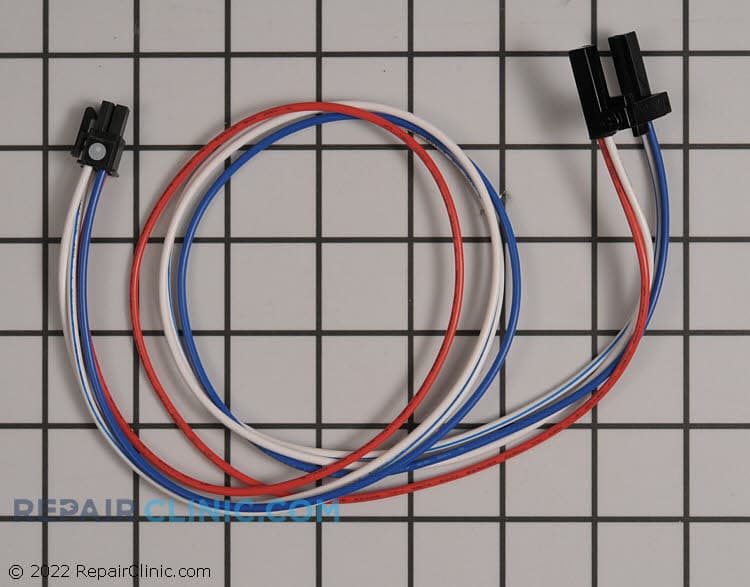
Sensor
RC Item #4382856

Flowmeter
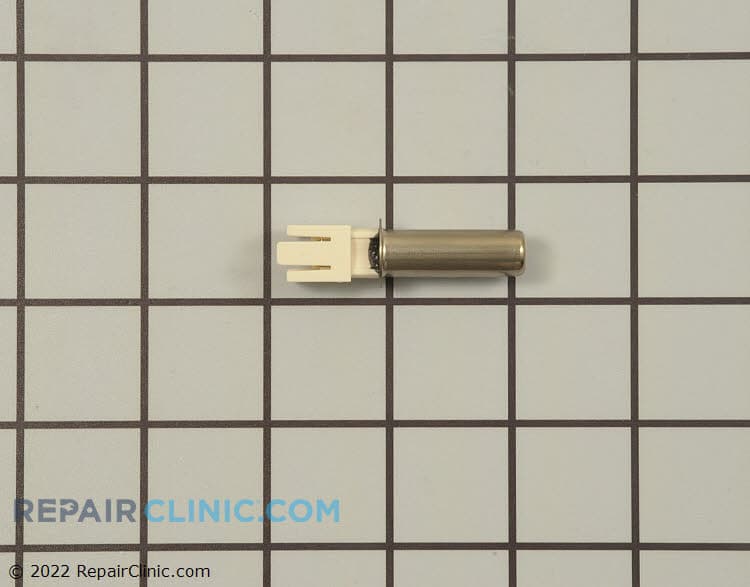
Sensor, NTC


Assy sensor

Washer Vibration Sensor
Gauge
Sensor assembly
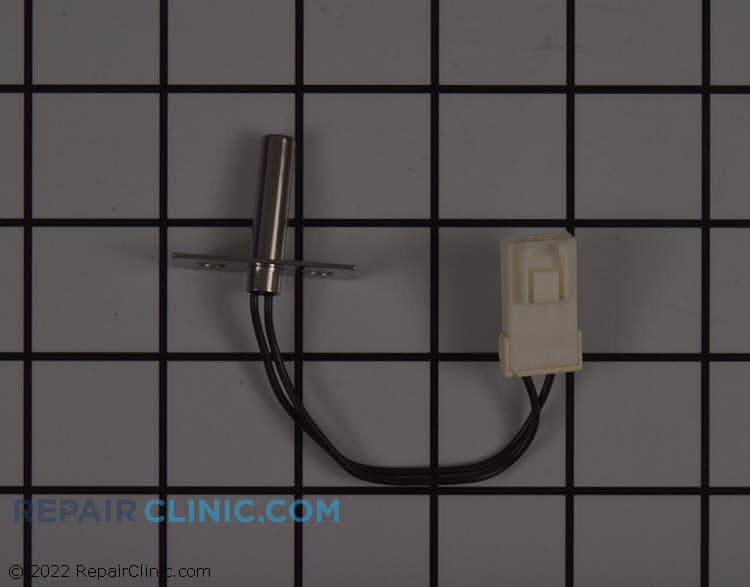
Thermistor
Antenna

Out-of-Balance Sensor
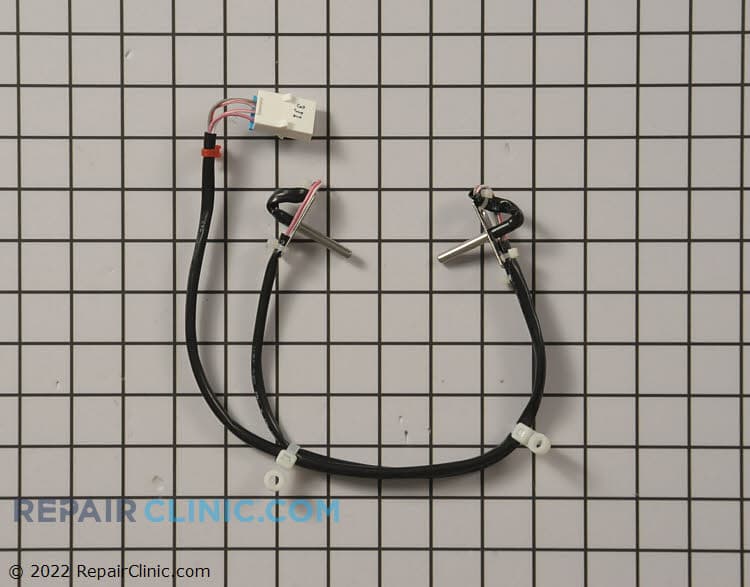
Thermistor assembly
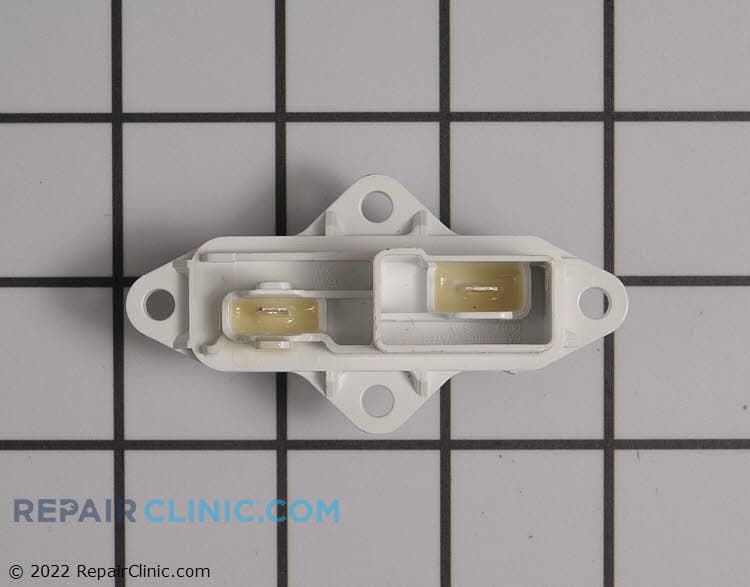
Water sensor
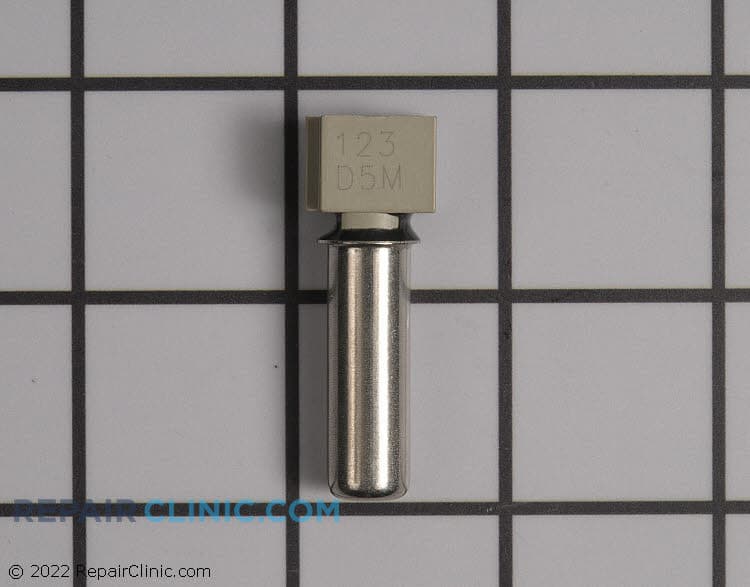
Thermistor
Thermistor
Overflow sensor


Washing Machine Temperature Sensor and Thermistor Parts
A washing machine thermistor (temperature sensor) tells your washer's control board what the water temperature actually is — so it can adjust fill cycles, heating, and rinse temperatures accordingly. When the thermistor fails, you'll see incorrect wash temperatures, water that won't heat, or cycles that run longer than normal while the machine tries to reach the right temp.
The thermistor is a small part with a big job: it measures water temperature in real-time and sends that data to the main control board. If your, or washer is running long cycles, not heating properly, or showing temperature-related error codes, the thermistor is worth checking. We carry OEM thermistors for all major brands — exact replacements that restore proper temperature control without guesswork.
- Water won't heat: thermistor failure prevents heating element activation
- Cycles run too long: control board can't confirm target temperature is reached
- Temperature error codes and other major brands and other smart washers flag bad sensor readings
- Cold water in warm wash: sensor fails, heating never engages
- Inconsistent water temperature: thermistor reading drifts, cycle repeats heating
Find Replacement Washing Machine Sensor & Thermistor Parts Online by Model or Part Number
Popular Washing Machine Models
Related Washing Machine Sensor & Thermistor Parts
- Washing Machine Thermistor Parts
- Washing Machine Rotor Position Sensor Parts
- Washing Machine Temperature Sensor Parts
- Washing Machine Humidity Sensor Parts
- Washing Machine Out-of-Balance Sensor Parts
- Washing Machine Defrost Sensor with Fuse Parts
- Washing Machine Flow Sensor Parts
- Washing Machine Flowmeter Parts
- Washing Machine Heat Probe or Gauge Parts
- Washing Machine Moisture Sensor Parts
- Washing Machine Adjustment Gauge Parts
- Washing Machine Antenna Parts
- Washing Machine Switch Parts
Washing Machine Thermistor & Sensor FAQs
How do I know if my washer thermistor has failed?
A bad thermistor usually shows up as temperature-related problems: wash water that stays cold, heating cycles that run indefinitely, or error codes related to temperature (like 's UE or tE codes, or 's error messages). You might also notice the control board trying to heat repeatedly in a single cycle. If you're seeing these symptoms, the thermistor is a prime suspect — it's one of the least expensive washer sensor fixes and usually the right call.
Does the thermistor need to match my exact washer model?
Yes. Even though thermistors look similar across brands, resistance values and connector types vary. Always use your washer's model number to find the correct OEM thermistor. A close-but-wrong thermistor will give false temperature readings and create the same problems you're trying to fix. Repair Clinic's model lookup finds the exact thermistor for your machine.
Can I clean a thermistor instead of replacing it?
Not really. Thermistors are solid-state sensors with no moving parts to clean. If it's reading incorrectly, the internal resistance has changed — cleaning won't fix that. Replacement is the solution. However, before you order, confirm the problem isn't a kinked fill hose, blocked inlet valve, or failed heating element by checking those first.
What's the difference between a thermistor and a temperature sensor?
In most modern washers, thermistor and temperature sensor are the same part — a resistive element that changes resistance based on water temperature, sending that signal to the control board. Older washers sometimes used mechanical thermostats (bimetallic strips), but OEM washers sold today use electronic thermistors. Your model number determines which you need.
Easy Online Ordering for Washing Machine Sensor & Thermistor Parts
Ensure your washing machine maintains reliable operation with genuine OEM sensor and thermistor parts available at Repair Clinic. These parts are important for regulating water temperature and cycle settings, contributing to efficient and reliable operation. Easily find the right sensor or thermistor for your model using our lookup tool, and benefit from same-day shipping, No-Hassle 365-Day Returns, and our Price Match Guarantee. For troubleshooting and installation guidance, visit our Washing Machine Repair Help page. Browse related parts like Washing Machine Bravos Parts for comprehensive repair solutions.
Filter Washing Machine Parts by Your Model Number
On many washing machines, the model number is printed on a label along the top edge of the tub opening. Check inside the door frame or lid, and look at the back panel if you do not see it there. The label may also list a serial number, so copy the model number exactly, including letters, numbers, and any dashes or slashes. Type it into our model number lookup and the catalog narrows to parts made for your unit. This filters the full washing machine parts selection, not just sensors or thermistors, to parts matched to your specific model. You get parts that fit the first time.

Washing Machine Repair Made Easier with Online Resources
The right online resources take the guesswork out of a Washing Machine repair. Repair Clinic's diagnostic articles, part testing videos, exploded-view diagrams, and step-by-step written repair guides walk owners and technicians through each stage from symptom identification to final reassembly. Look up your model number to confirm the correct OEM part before you order.
Related Articles: Washing Machine Parts
What Causes A Washing Machine To Stop Working?
Learn common reasons your washing machine suddenly stops working, from power issues to faulty parts, and how to troubleshoot the problem effectively.

Why Won't My Washing Machine Start?
If your washing machine won't turn on, find potential causes like door switch malfunctions, control board failures, or electrical issues, along with steps to fix them.
What Causes a Washing Machine To Not Spin or Drain?
Learn why your washer isn't spinning or draining properly, from clogged drain hoses to worn-out drive belts, and find solutions to restore its performance.




Family-owned and operated since 1912, Burke America Parts Group is the longest-running genuine appliance, HVAC, and outdoor power equipment parts solution in North America. At Repair Clinic, we're proud to be an international brand trusted by the pros as well as the DIY community.
About Repair Clinic