


 Price Match Guarantee
Samsung Range/Stove/Oven Heating Element Parts
Find the right part faster
Multiple models matched. Select your model to confirm fit.





Dual radiant surface element, 9 inches/6 inches, 3000 watts
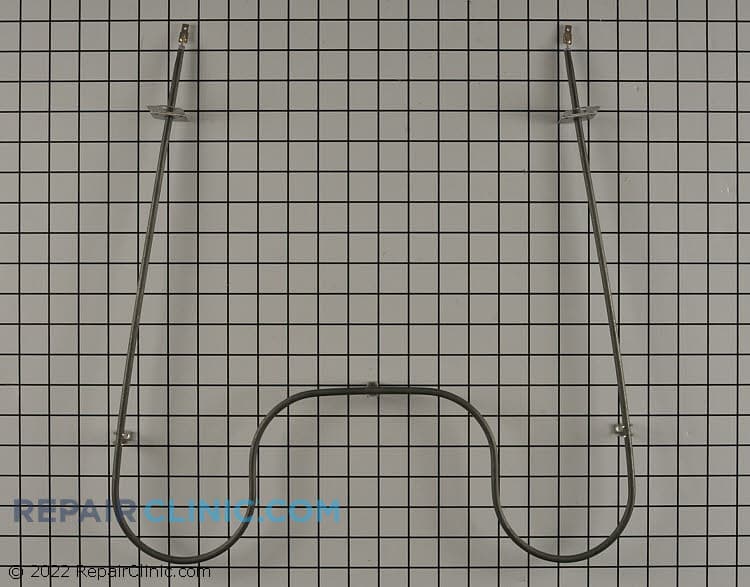
Oven bake element with push-on terminal ends. It is not unusual for a bake element to short out and arc in one spot. If this occurs, disconnect the power to the stove until the element has been replaced.
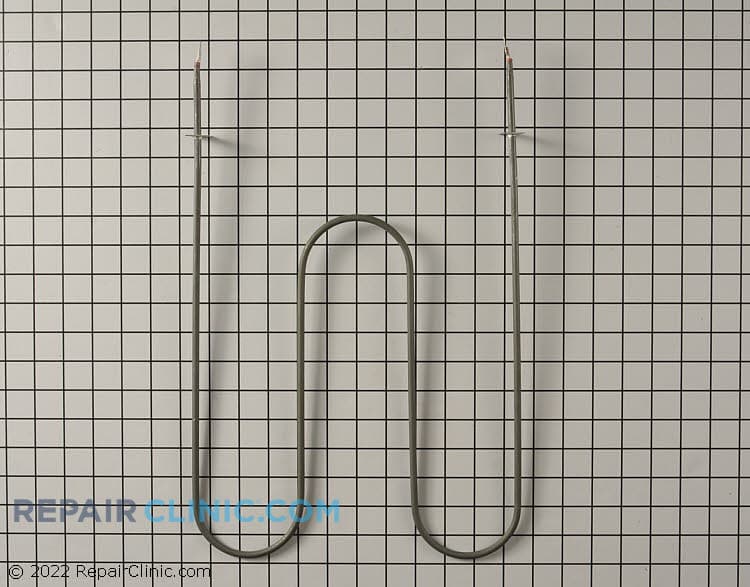
The Frigidaire Broil Element 316203200 is a high-quality replacement for electric ranges that supplies heat for broiling. It is located at the top of the oven

Surface element with limiter, 6 inch, 1200 watts

Radiant surface element

Dual Radiant Heater
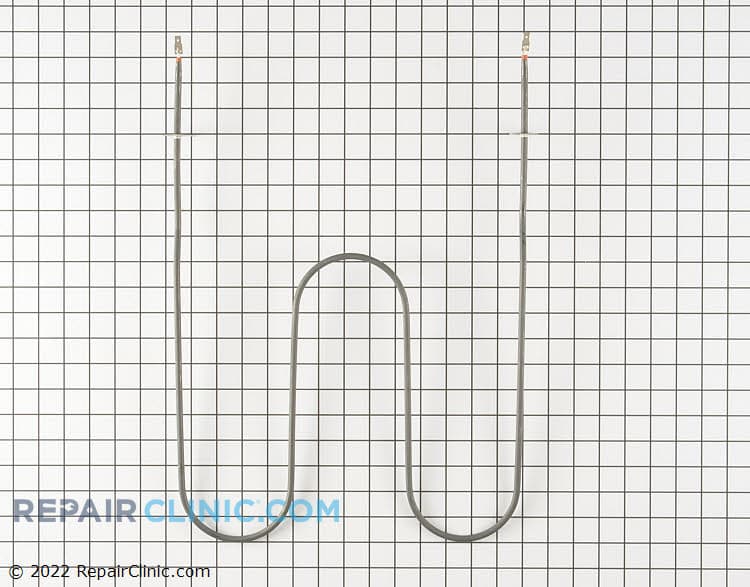
Oven broiler heating element

Single radiant heater
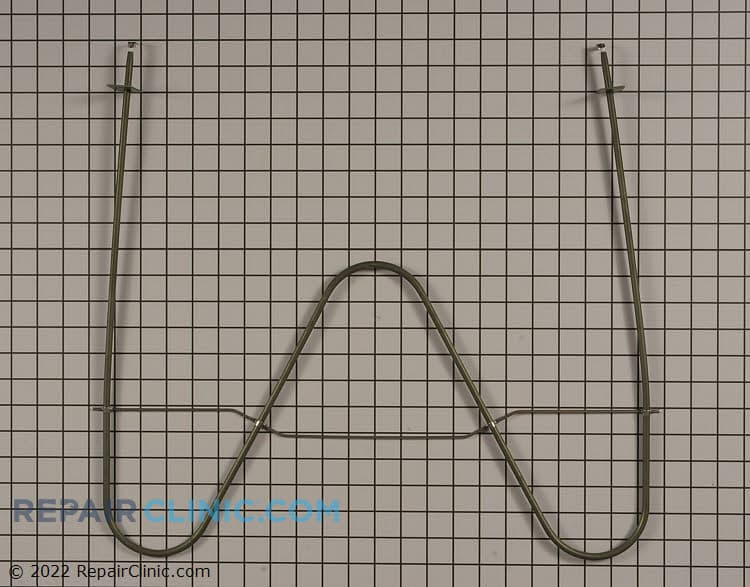
Bake Element
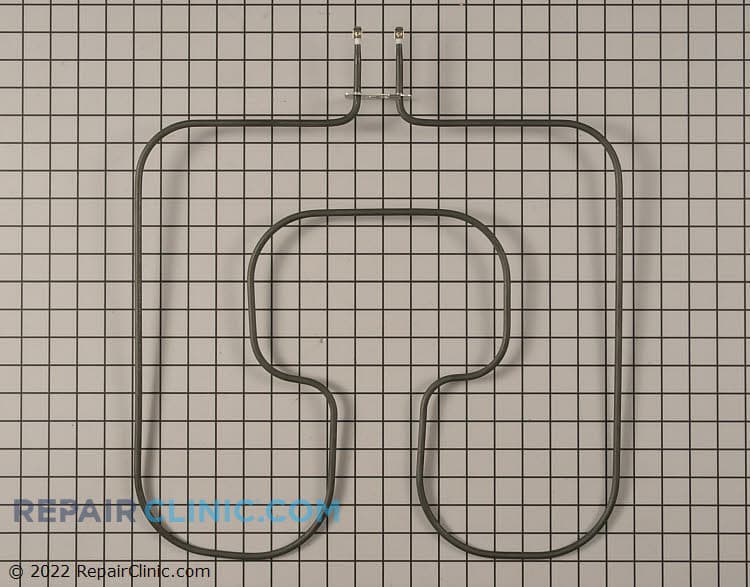
Broiler heater

Dual radiant surface element

Dual Radiant Surface Element

Element, surface (2200W)

Grill heating element
Heater radiant - dual


Samsung Range Heating Element & Bake/Broil Element Parts
Samsung electric ranges rely on reliable heating elements to deliver consistent oven temperatures and precise cooking control. When your oven stops heating or runs cold, the bake or broil element is often the culprit. These nichrome coil assemblies can burn out from age, power surges, or manufacturing defects — and when they do, food won't cook evenly or at all. A visible crack, burn mark, or complete loss of heat is your signal to replace.
Repair Clinic stocks genuine OEM Samsung heating elements for every model in their lineup. Whether your Samsung range uses a dual-element setup or single configuration, we'll help you find the exact replacement. Bake elements heat from the bottom of the oven; broil elements handle the top. Both can fail independently, and many Samsung owners find themselves needing replacements for one or both.
- Bake element won't heat: lower oven element has failed; most common Samsung range repair
- Broil element dead: upper element failure; broiler won't work
- Visible burn mark or crack in coil: element has burned through; replacement required
- Element glows orange but produces no heat: partial failure; heating power lost
- Both elements failed simultaneously: power surge or electrical fault; check wiring before installing new elements
Find your Samsung range model number on the back wall inside the oven or on the range's side panel. Use it in our Samsung heating element lookup to confirm the exact wattage and connector type for your oven.
Find Replacement Samsung Range/Stove/Oven Heating Element Parts Online by Model or Part Number
Popular Samsung Range/Stove/Oven Models
Related Samsung Range/Stove/Oven Heating Element Parts
- Samsung Range/Stove/Oven Radiant Surface Element Parts
- Samsung Range/Stove/Oven Broil Element Parts
- Samsung Range/Stove/Oven Convection Element Parts
- Samsung Range/Stove/Oven Bake Element Parts
- Samsung Range/Stove/Oven Warming Element Parts
- Samsung Range/Stove/Oven Grill Element Parts
- Samsung Range/Stove/Oven Heater Parts
- Samsung Range/Stove/Oven Heating Element Parts
- Samsung Range/Stove/Oven Induction Surface Element Parts
Samsung Range Heating Element Repair FAQs
How do I know which Samsung heating element I need — bake or broil?
The bake element is located at the bottom of your oven cavity and heats during standard baking. The broil element sits at the top and activates during broiling. If your oven bakes but the broiler doesn't work, the broil element has failed. If the oven won't heat at all during baking, the bake element is the problem. Look inside the oven — you can often see which element is visibly cracked or darkened. Both elements have different wattages and connector types, so use your Samsung model number to get the correct replacement for each position.
Can I replace just the bake element, or do I need to replace both at the same time?
You can replace just the failed element. However, if one element is old enough to fail, the other isn't far behind — many Samsung owners replace both while they have the oven apart. It's faster and prevents a second service call. OEM elements come with instructions for accessing the oven interior, and the actual swap is about a 20-minute job per element.
Why is my Samsung element glowing but not heating?
A glowing element that produces no heat typically means a break in the nichrome wire coil inside the sheath. The element can still draw current and glow orange, but the circuit is interrupted and no thermal output reaches the oven. This is a partial failure and requires replacement. Don't attempt to repair a cracked element — it's a safety hazard.
What's the difference between OEM Samsung elements and aftermarket or universal elements?
OEM Samsung elements are engineered to the exact wattage, terminal configuration, and thermal profile for your oven. They maintain proper heat distribution and oven temperature accuracy. Aftermarket or universal elements often differ slightly in wattage or connector geometry — even small differences can cause incorrect oven temperatures, uneven cooking, or premature element failure. Always use OEM elements for Samsung ranges to ensure performance and safety.
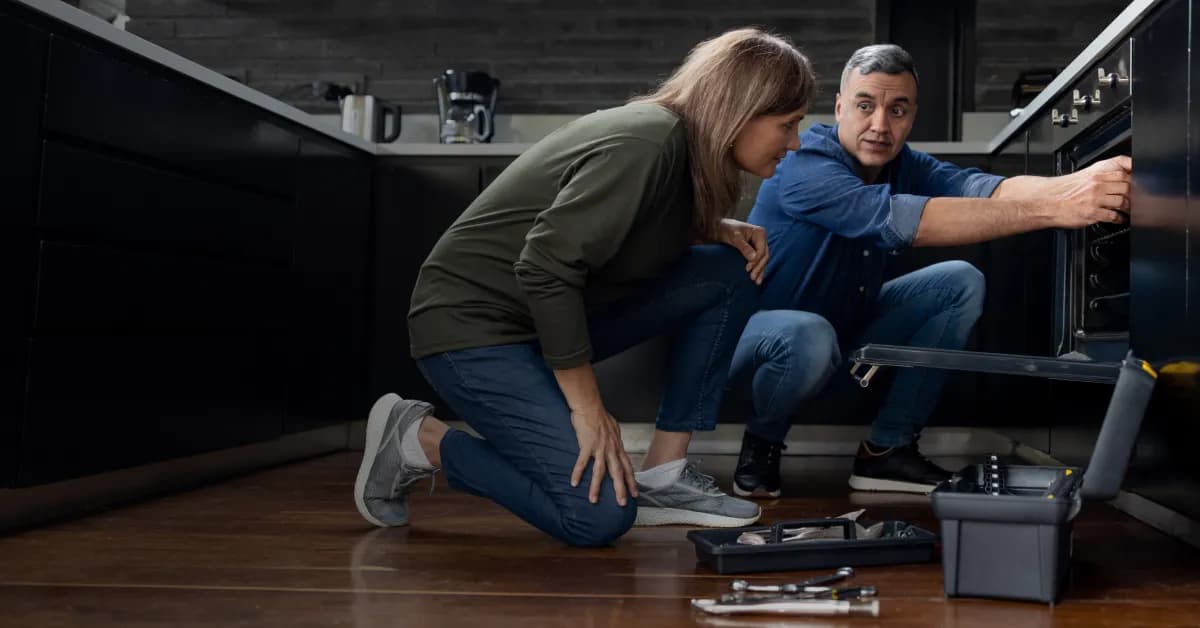

Order Samsung Oven Heating Element Replacement Parts Online
Finding high-quality Samsung oven heating element replacement parts. Use your model number to get the right part. At Repair Clinic, we offer a full range of genuine OEM Samsung stove heating elements designed to restore your appliance's performance. Whether you need a Samsung oven bake element, Samsung glass top stove element replacement, or a specific model like the DG47-00038B heating element, we've got you covered.
Enjoy our No-Hassle 365-Day Returns policy, allowing you to return uninstalled parts within a year of purchase. Plus, with our Price Match Guarantee, you can be confident that you're getting competitive pricing on your replacement parts. Need your parts fast? We offer same-day shipping on orders placed by 9:00 PM ET to help you get your Samsung oven heating element replaced quickly.
Whether you're a homeowner or a professional technician, Repair Clinic's online repair library gives you the videos, symptom articles, and step-by-step guides to complete the repair. Get your Samsung stove heating element from Repair Clinic today and restore your appliance to peak efficiency.
Why Choose Repair Clinic for Your Samsung Heating Element Parts?
- Genuine OEM Samsung oven heating elements
- Easy ordering with a large inventory of Samsung range heating elements
- No-Hassle 365-Day Returns
- Price Match Guarantee
- Same-day shipping for orders placed by 9:00 PM ET
Samsung Range/Stove/Oven Model Number: Where to Look
On Samsung ranges, stoves, and ovens, the model number is commonly printed on a label along the oven door frame, inside the oven near the back wall, or on the appliance's side panel. Open the door and check the frame first, then inspect the side if you do not see it. Copy the complete model number, including any letters, numbers, or suffixes, and enter it in the search bar to narrow the full catalog to parts made for your unit. This model-based search accounts for differences in heating elements, controls, wiring, and other parts across Samsung models. You order with confidence knowing the fit is right.

Samsung Range Stove Oven Repair Made Easier with Online Resources
The right online resources take the guesswork out of a Samsung Range Stove Oven repair. Repair Clinic's diagnostic articles, part testing videos, exploded-view diagrams, and step-by-step written repair guides walk owners and technicians through each stage from symptom identification to final reassembly. Look up your model number to confirm the correct OEM part before you order.
Related Articles: Oven Parts
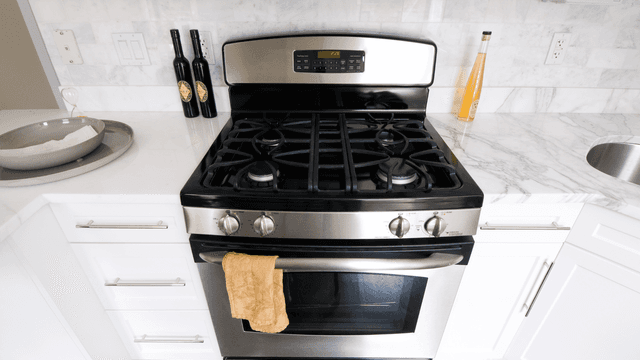
How To Test An Oven Temperature Control Thermostat
Learn how to test your oven's temperature control thermostat with a multimeter to diagnose heating issues. Follow step-by-step instructions to determine if a faulty thermostat is preventing your oven from maintaining the right temperature.

Range Has Persistent Gas Odor? Important Troubleshooting Tips
If your gas range has a lingering gas odor, it could indicate a leak or faulty part. Learn key troubleshooting steps to identify the source and ensure your kitchen stays safe.
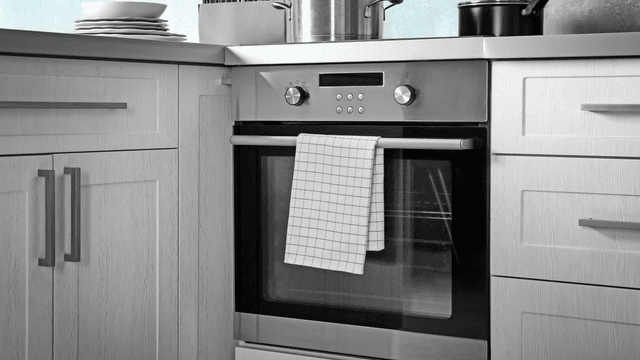
6 Reasons Why Your Electric Oven Is Failing To Self-Clean
If your electric oven won't self-clean, common culprits include faulty door locks, thermostats, or control boards. Find six possible reasons and how to fix them for a fully functional self-cleaning cycle.




Family-owned and operated since 1912, Burke America Parts Group is the longest-running genuine appliance, HVAC, and outdoor power equipment parts solution in North America. At Repair Clinic, we're proud to be an international brand trusted by the pros as well as the DIY community.
About Repair Clinic