


 Price Match Guarantee
GE Range/Stove/Oven Fuse, Thermal Fuse & Breaker Parts
Find the right part faster
Multiple models matched. Select your model to confirm fit.




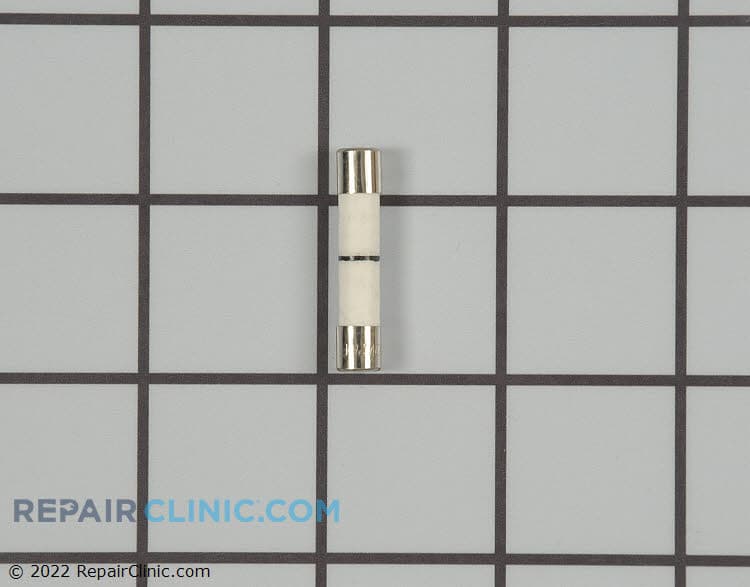
Line fuse 20a 250v
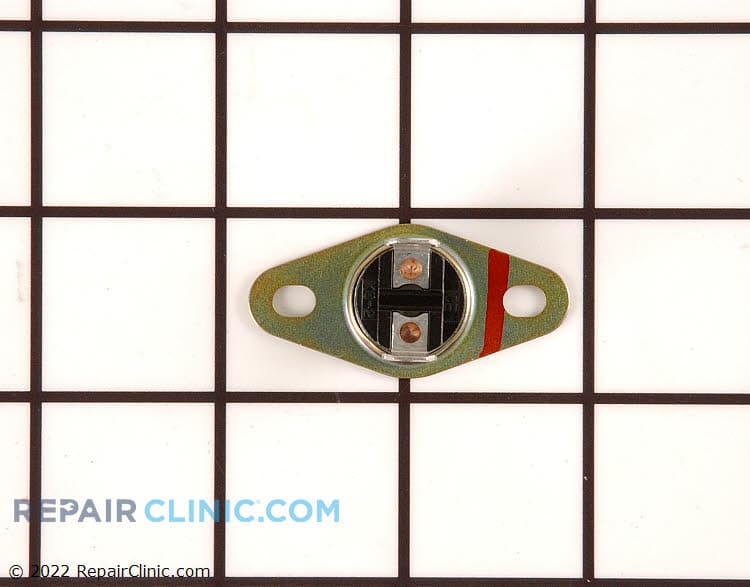
Limit switch-upper (lock)
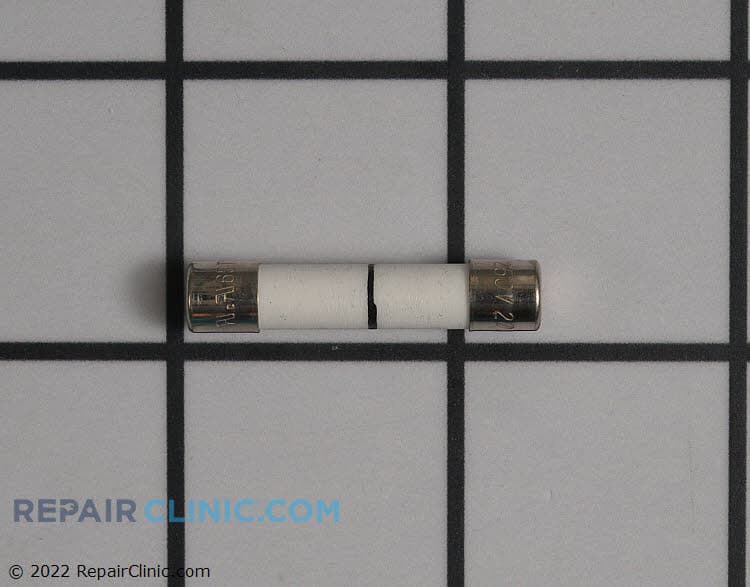
Line fuse 20a 250v
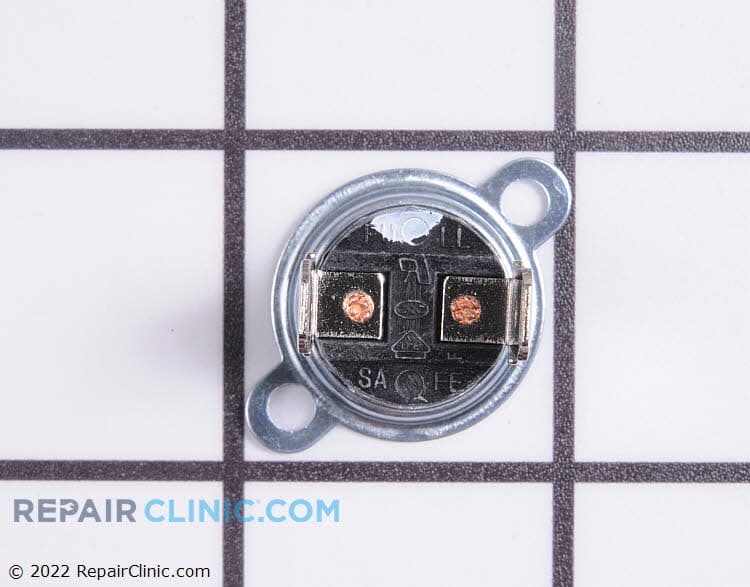
Microwave/range thermal fuse. If the appliance overheats, the thermal fuse blows to cut off power to the appliance. If the thermal fuse has blown, the appliance will no longer heat.
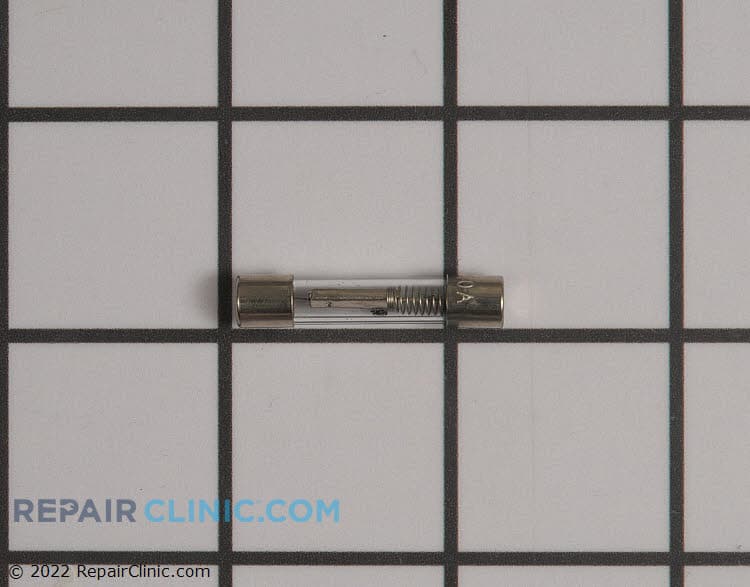
Fuse, time delay 10a 250v
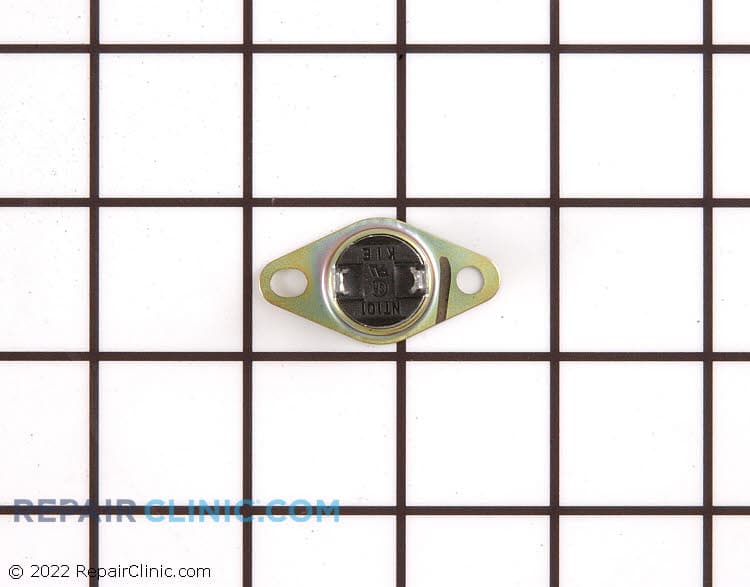
This is a Genuine Replacement Part. General Electric (GENF0) WB27X10195 Microwave Thermo protector.

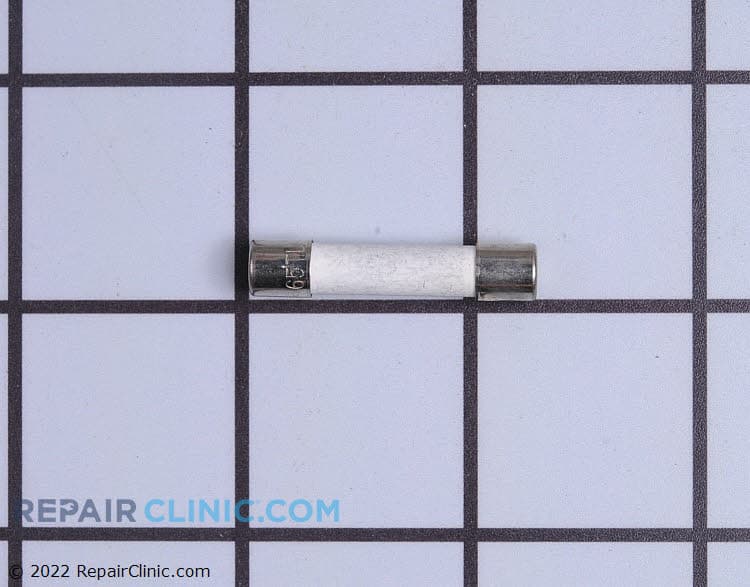
Line fuse 15a 250v
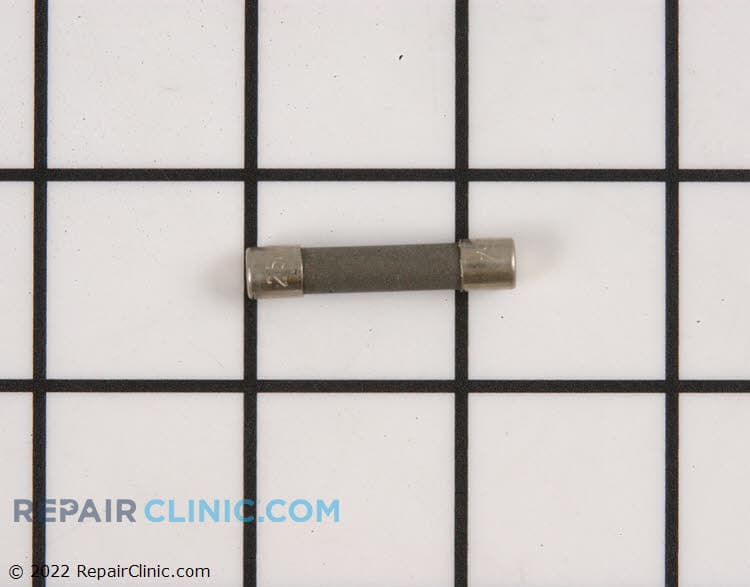
Line Fuse

Holder fuse
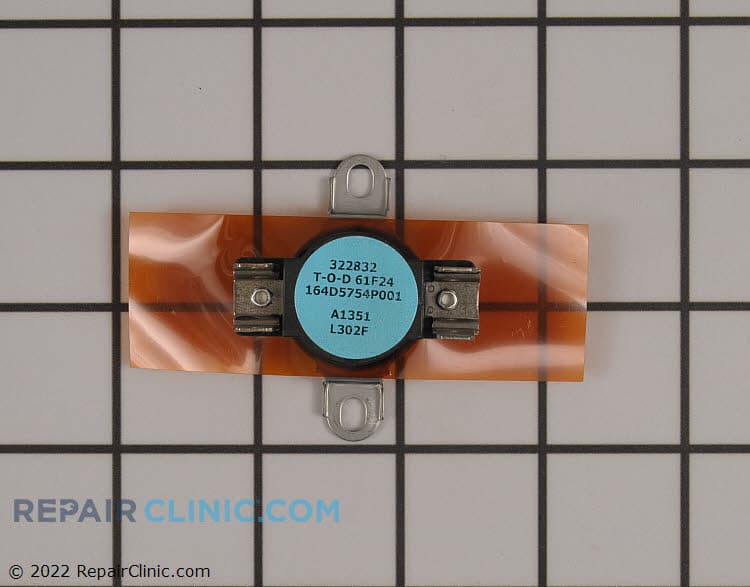
Thermal cut out fuse
Holder fuse mwa


GE Range Thermal Fuse and Oven Safety Parts
Your GE range's thermal fuse is a one-time safety device designed to shut down power to the oven if it overheats. When the fuse blows, the oven stops working completely — no heat, no broiler, sometimes no stovetop display. The thermal fuse is an inexpensive part (usually $10 to $25), and replacing it is a straightforward fix that takes just a few minutes. Always test continuity with a multimeter first to confirm the fuse has failed, not the element or control board.
GE ranges also use limit switches, oven control boards, and bake/broil elements that work together with the thermal fuse. If your thermal fuse blows repeatedly, the problem isn't the fuse — it's usually a stuck heating element, a blocked vent, or a failing control board. Browse GE range fuses and safety parts by entering your model number to find the exact thermal fuse, limit switch, or board your range needs.
- Thermal fuse blown, oven dead: One-time safety device; must be replaced. Check for stuck elements or airflow blockage to prevent repeat failure.
- Fuse blows repeatedly: The underlying cause is usually a heating element malfunction, control board fault, or internal oven obstruction — not the fuse itself.
- Broiler not working but bake works: Broil element failure or broil limit switch; separate from the thermal fuse.
- Oven runs but temperature is wrong: Oven sensor or control board issue, not the thermal fuse; the fuse is a binary on/off safety device.
- Stovetop works but oven is dead: Thermal fuse, oven control board, or wiring issue; model number lookup pinpoints the exact culprit.
Find Replacement GE Range/Stove/Oven Fuse, Thermal Fuse & Breaker Parts Online by Model or Part Number
Popular GE Range/Stove/Oven Models
Related GE Range/Stove/Oven Fuse, Thermal Fuse & Breaker Parts
GE Range Thermal Fuse and Safety Parts — Frequently Asked Questions
What does a thermal fuse do on a GE range, and why does it blow?
The thermal fuse is a single-use safety device that cuts power to the oven circuit if temperature exceeds the safety threshold — usually around 350°F above normal operating temperature. Once it blows, it must be replaced; it cannot be reset. A blown fuse is always a sign that the oven reached dangerous temperatures. Common causes include a stuck bake element (generating excessive heat), a blocked oven vent, a failed control board sending continuous power to the heating element, or poor airflow inside the oven cabinet. Always investigate why the fuse blew before simply replacing it — otherwise, it will blow again.
How do I know if my GE range thermal fuse is the problem?
The most reliable way is to test continuity with a multimeter. A good thermal fuse reads zero resistance; a blown fuse reads infinite resistance (open circuit). Visually, you may see a blackened or burned spot on the fuse cartridge, but not always. If your oven is completely dead and the rest of the range works, the thermal fuse is a primary suspect. However, if the fuse tests good but the oven still won't heat, the problem is likely the heating element, oven sensor, control board, or a blown circuit breaker — not the fuse. Use your GE model number to confirm which thermal fuse your range uses, and always verify continuity before ordering a replacement.
Can I prevent my GE range thermal fuse from blowing repeatedly?
Yes. After replacing the fuse, test the oven to ensure it heats normally and shuts off at the correct temperature. If the new fuse blows immediately or within a few uses, the underlying problem is still present. Common culprits: (1) Stuck bake element that won't cycle off — test the element for continuity and replace if it's always hot. (2) Failed oven sensor giving incorrect temperature readings to the control board. (3) Faulty control board sending continuous heat even after the oven reaches setpoint. (4) Blocked oven vent or poor air circulation inside the cabinet. A blocked or restricted vent is one of the most overlooked causes — ensure the rear vent opening on your range is clear. If the oven is in a recessed cabinet, verify there's adequate air clearance. Enter your model number to find the exact sensor, element, and board your GE range uses.
What's the difference between a thermal fuse, a limit switch, and an oven control board on a GE range?
All three are safety or control parts, but they work differently. The thermal fuse is a one-time automatic shutoff — it blows if temperature exceeds a fixed threshold, and it must be replaced. The limit switch (hi-limit) is a resettable thermostat that cycles the heating element on and off to maintain the setpoint temperature — if it fails, the oven may overheat or underheat, but it will try again on the next cycle. The oven control board is the electronic "brain" that reads the oven sensor, controls the heating element, and manages the timer and display — if it fails, the oven won't respond to button presses or may show error codes. A blown thermal fuse means the oven got dangerously hot; a failed limit switch means it's not maintaining temperature correctly; a failed board means it's not responding at all. Each requires a different replacement part. Use your GE model number to identify which part your range needs.
Order GE Range Fuse Thermal Fuse Breaker Replacement Online
Keep your GE range running efficiently by replacing a faulty fuse thermal fuse breaker promptly. With same-day shipping on most in-stock items, you'll have your replacement part fast, minimizing downtime. Our model/part number lookup finds the exact OEM part for your unit, and every order is backed by our 365-day return policy and price-match guarantee. If your GE range fuse thermal fuse breaker is failing — showing symptoms like reduced performance, unusual noise, or complete non-operation — replacement is typically the fastest fix. Browse our full library of GE repair resources for troubleshooting guides and installation videos.
GE Range/Stove/Oven Model Number: Where to Look
On GE ranges and ovens, look for the model number on a label along the oven door frame, behind the storage drawer, or on the back of the appliance. Open the door and check the frame first, then remove the drawer if the label is not there. The number usually combines letters and digits, so copy it exactly, including any suffix. Enter it in the model number search to pull up the parts matched to your unit. This filters the full GE range and oven catalog, not just the fuse or safety parts, so you can see parts built for your specific appliance. You order with confidence knowing the fit is right.

Online Guides and Videos for GE Range Stove Oven
Repair Clinic makes GE Range Stove Oven repair straightforward with a deep online library of videos, guides, and diagnostic articles. Step-by-step written instructions cover disassembly, testing, and reassembly, and the video library shows the same work in action so you can follow along. Use the model number lookup to confirm the exact OEM part, and wiring diagrams and part testing walkthroughs support the more technical steps.
Related Articles: Oven & Stove Parts
Do Electric Stove Burners Wear Out?
Glass in oven doors can sometimes break, causing inconvenience and potential safety hazards. In this article, we'll find the reasons behind oven door glass breakage, preventive measures, and steps for repair if it does occur.
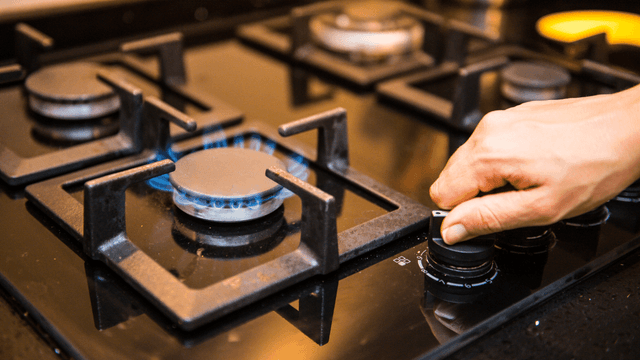
Troubleshooting Tips For A Gas Cooktop Burner Not Lighting
Has your gas oven stopped heating up? Repair Clinic has identified the top 6 causes of this common problem that routinely frustrates those of us who are now unable to bake those cookies or broil that roast.
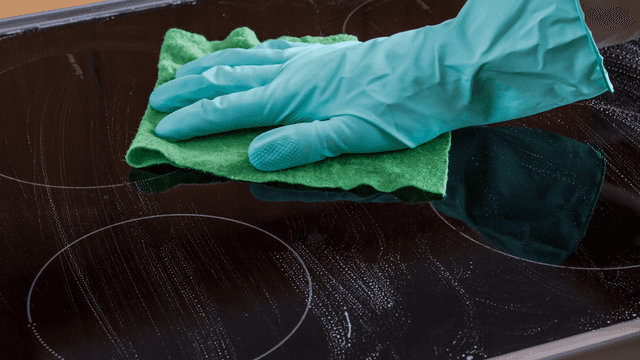
Range Cleaning & Maintenance 101
A burned-out bake or broil heating element is the number one cause for your electric oven failing to heat up. So, if your roast isn't sizzling, your bread isn't rising, or your soufflé isn't soufflé-ing, your first oven troubleshooting step should be testing the bake or broil element to determine if it is defective.




Family-owned and operated since 1912, Burke America Parts Group is the longest-running genuine appliance, HVAC, and outdoor power equipment parts solution in North America. At Repair Clinic, we're proud to be an international brand trusted by the pros as well as the DIY community.
About Repair Clinic