


 Price Match Guarantee
Kenmore Range/Stove/Oven Parts
- Adhesive
- Axle, Roller, Shaft, Wheel
- Bearing
- Blade
- Blower Wheel & Fan Blade
- Bracket & Flange
- Cap, Lid & Cover
- Capacitor
- Chassis
- Circuit Board & Timer
- Cleaner & Deodorizer
- Compressor & Sealed System
- Cooktop
- Deflector & Chute
- Diode, Magnetron & Resistor
- Door
- Drawer
- Drip Bowl & Drip Pan
- Duct & Venting
- Fastener
- Filter
- Fuse, Thermal Fuse & Breaker
- Gas Burner & Control Valve
- Gasket & Seal
- Glass Tray, Coupler & Support Roller
- Grate & Griddle
- Grille & Kickplate
- Handle
- Heating Element
- Hinge
- Hose, Tube & Fitting
- Igniter
- Ignition Controls
- Insulation
- Knob, Dial & Button
- Latch
- Leg, Foot & Caster
- Lighting & Light Bulb
- Lubricant
- Manuals, Care Guides & Literature
- Miscellaneous
- Motor
- Oven Rack & Broiler Pan
- Paint
- Panel
- Power Cord
- Pulley
- Pump
- Sensor & Thermistor
- Shelf & Shelf Support
- Spring
- Switch
- Tank & Container
- Thermostat
- Tool
- Touchpad
- Transformer
- Trim
- Tune-Up Maintenance Kit
- Valve & Float
- Wire, Receptacle & Wire Connector
Find the right part faster
Multiple models matched. Select your model to confirm fit.





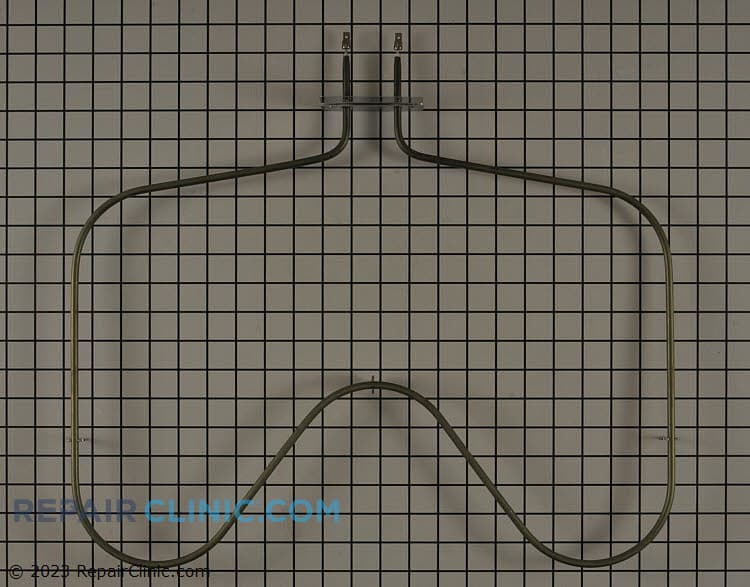
Oven bake element. If the oven won't heat, the bake element may have burned out. Often, if the bake element has burned out, it will be visibly damaged. Inspect the bake element for holes or blisters.

Surface element receptacle with wires, wire nuts, and heat-shrink tubing

Oven temperature sensor

8 Inch electric coil surface element with looped terminals, 2600 watts. 5 turns
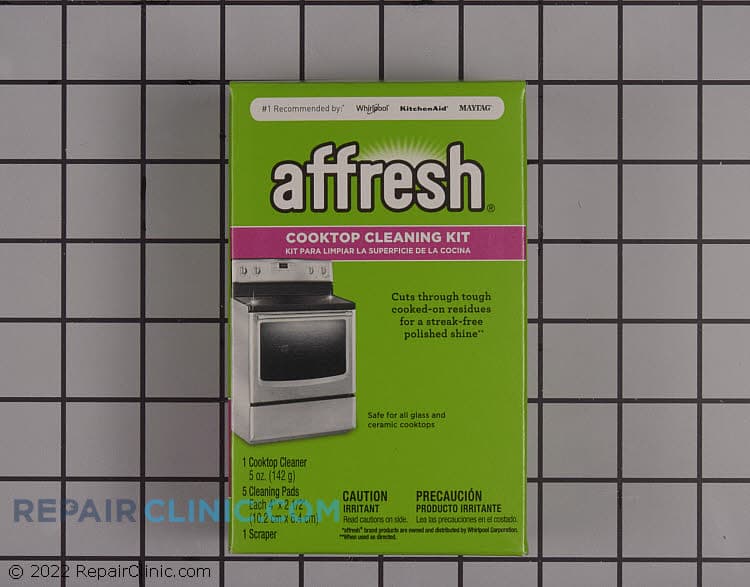
Affresh® Cooktop Cleaner Kit. Specially formulated to cut through tough, cooked-on residues that can linger on your cooktop. Non-abrasive cleaner is safe for all glass and ceramic cooktops. Contains Cooktop Cleaner, Razor Blade Scraper and 5 Scrub Pads.
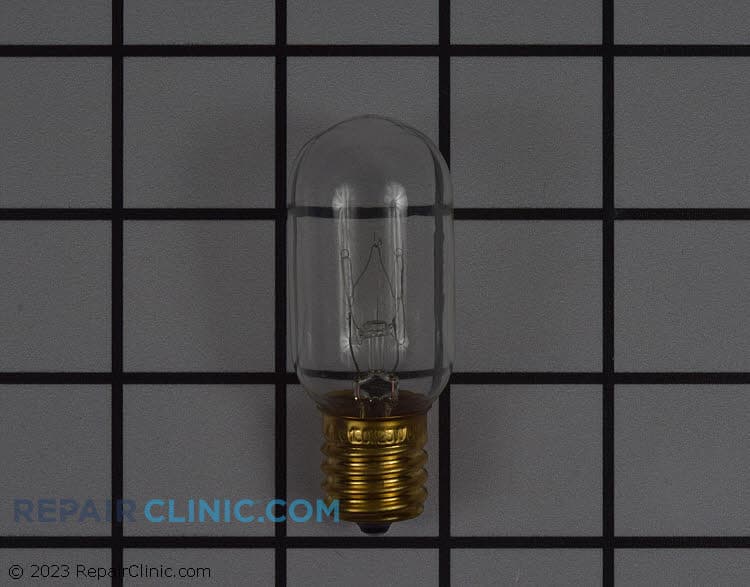
Light Bulb

Oven temperature sensor. The oven sensor works in conjunction with the oven control board to regulate the oven temperature

8 Inch electric coil surface element with looped terminals, 4 turns
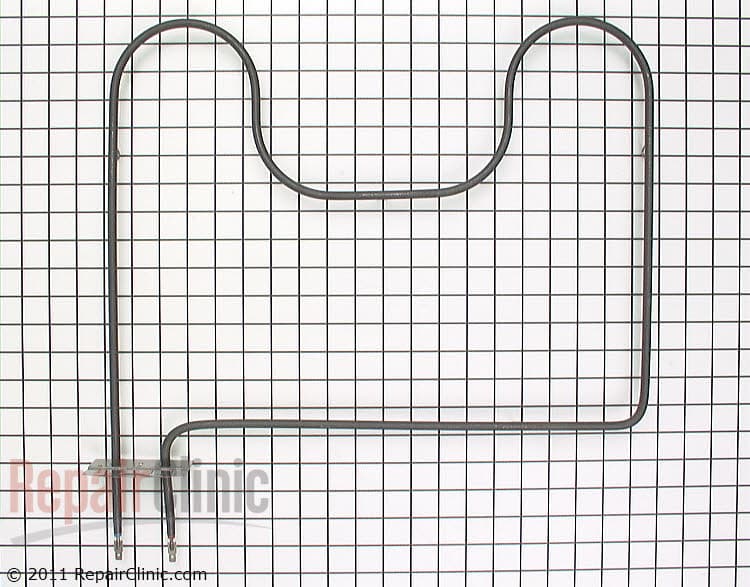
Oven bake heating element for lower oven. The terminals are male quarter inch spade connectors. The wires push onto the heating elements connectors. If the oven does not bake then the element could have burned out.
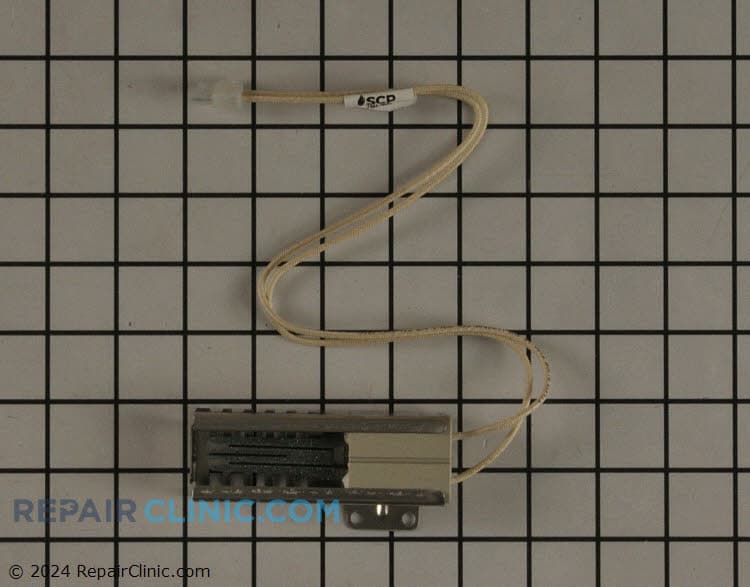
Bake or Broil Igniter. Match up the connector with old part. The plastic connector is male.

Dual radiant surface element, 9 inches/6 inches, 3000 watts
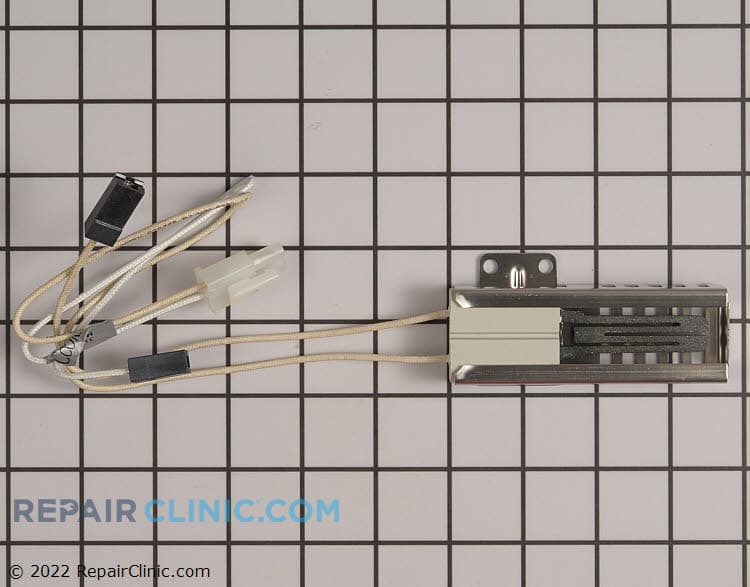
Oven igniter with wire harness
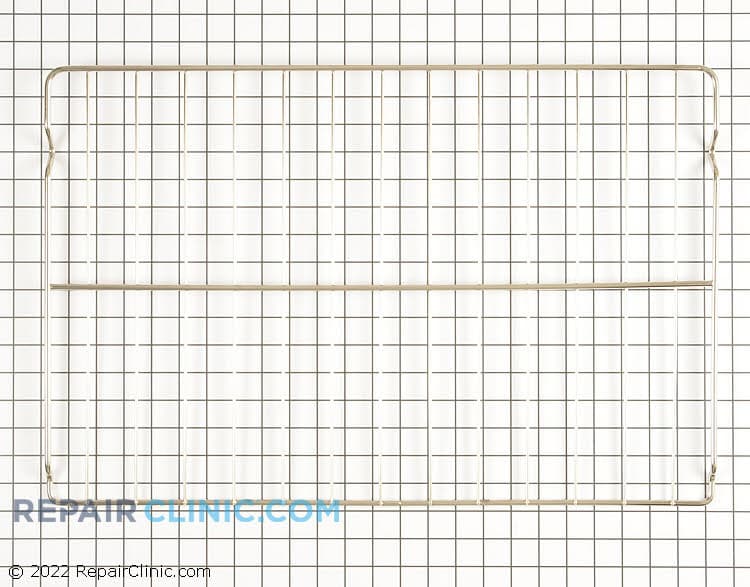
Oven rack
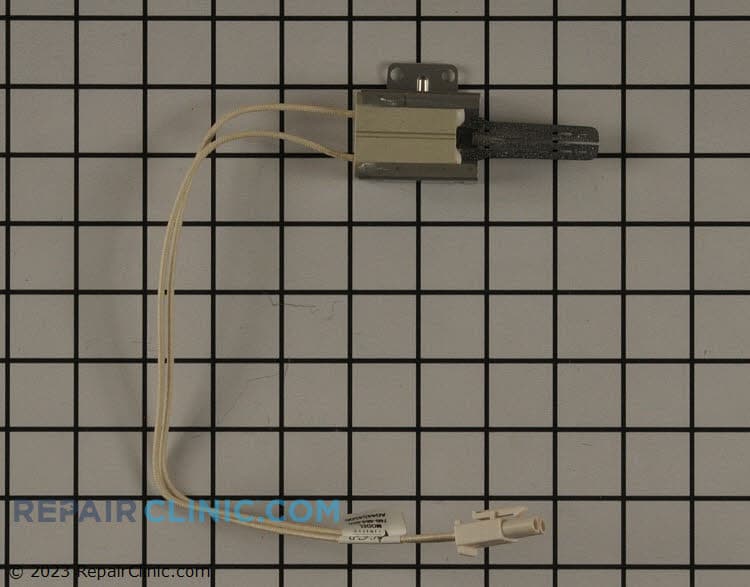
Oven bake or broil burner igniter. If the oven does not heat check if the igniter is glowing. If so, it is likely weak and should be replaced. A defective igniter is the most common cause for a gas oven to not heat.

Oven BAKE burner spark electrode, gas oven with Direct Spark Ignition (DSI)


Kenmore Range and Oven Parts
Kenmore ranges are built by multiple manufacturers — Whirlpool, Frigidaire, or LG depending on your model series. That's why your model number is critical: it tells us exactly which igniter, control board, or heating element will fit. Gas ranges need silicon carbide igniters; electric ranges need bake and broil elements. Both types fail regularly, and both are straightforward repairs with the right OEM part.
The most common Kenmore range failures are gas oven igniters that won't heat, electric bake elements that burn out, cooktop glass cracks on newer models, and oven control boards that stop responding. Knobs, door handles, and door gaskets are also high-volume replacements. Repair Clinic carries genuine OEM Kenmore parts for all these issues — enter your model number to find the exact fit for your range.
- Gas oven won't heat: Silicon carbide igniter failed; verify igniter type for your model
- Electric oven cold: Bake element burned out; lower element heats first; check for visible burn mark
- Cooktop glass cracked: Thermal shock or impact; main top assembly replacement; Kenmore built by LG/Frigidaire models especially prone
- Oven control board unresponsive: ERC (Electronic Range Control) board failure; error codes or dead display; OEM board pre-programmed for your model
- Burner won't ignite: Surface element switch failure (electric) or burner cap/igniter issue (gas); verify gas burner head alignment
Find Replacement Kenmore Range/Stove/Oven Parts Online by Model or Part Number
Popular Kenmore Range/Stove/Oven Models
Related Kenmore Range/Stove/Oven Parts
- Kenmore Range/Stove/Oven Miscellaneous Parts
- Kenmore Range/Stove/Oven Manuals, Care Guides & Literature
- Kenmore Range/Stove/Oven Fastener Parts
- Kenmore Range/Stove/Oven Panel Parts
- Kenmore Range/Stove/Oven Gas Burner & Control Valve Parts
- Kenmore Range/Stove/Oven Cap, Lid & Cover Parts
- Kenmore Range/Stove/Oven Bracket & Flange Parts
- Kenmore Range/Stove/Oven Wire, Receptacle & Wire Connector Parts
- Kenmore Range/Stove/Oven Switch Parts
- Kenmore Range/Stove/Oven Gasket & Seal Parts
- Kenmore Range/Stove/Oven Heating Element Parts
- Kenmore Range/Stove/Oven Knob, Dial & Button Parts
- Kenmore Range/Stove/Oven Circuit Board & Timer Parts
- Kenmore Range/Stove/Oven Insulation Parts
- Kenmore Range/Stove/Oven Door Parts
- Kenmore Range/Stove/Oven Trim Parts
- Kenmore Range/Stove/Oven Motor Parts
- Kenmore Range/Stove/Oven Touchpad Parts
- Kenmore Range/Stove/Oven Hose, Tube & Fitting Parts
- Kenmore Range/Stove/Oven Lighting & Light Bulb Parts
- Kenmore Range/Stove/Oven Cooktop Parts
- Kenmore Range/Stove/Oven Hinge Parts
- Kenmore Range/Stove/Oven Drawer Parts
- Kenmore Range/Stove/Oven Handle Parts
- Kenmore Range/Stove/Oven Spring Parts
- Kenmore Range/Stove/Oven Duct & Venting Parts
- Kenmore Range/Stove/Oven Latch Parts
- Kenmore Range/Stove/Oven Thermostat Parts
- Kenmore Range/Stove/Oven Drip Bowl & Drip Pan Parts
- Kenmore Range/Stove/Oven Filter Parts
- Kenmore Range/Stove/Oven Oven Rack & Broiler Pan Parts
- Kenmore Range/Stove/Oven Axle, Roller, Shaft, Wheel Parts
- Kenmore Range/Stove/Oven Grate & Griddle Parts
- Kenmore Range/Stove/Oven Bearing Parts
- Kenmore Range/Stove/Oven Tool
- Kenmore Range/Stove/Oven Igniter Parts
- Kenmore Range/Stove/Oven Power Cord Parts
- Kenmore Range/Stove/Oven Shelf & Shelf Support Parts
- Kenmore Range/Stove/Oven Fuse, Thermal Fuse & Breaker Parts
- Kenmore Range/Stove/Oven Sensor & Thermistor Parts
- Kenmore Range/Stove/Oven Valve & Float Parts
- Kenmore Range/Stove/Oven Capacitor Parts
- Kenmore Range/Stove/Oven Leg, Foot & Caster Parts
- Kenmore Range/Stove/Oven Paint
- Kenmore Range/Stove/Oven Blower Wheel & Fan Blade Parts
- Kenmore Range/Stove/Oven Adhesive
- Kenmore Range/Stove/Oven Diode, Magnetron & Resistor Parts
- Kenmore Range/Stove/Oven Deflector & Chute Parts
- Kenmore Range/Stove/Oven Grille & Kickplate Parts
- Kenmore Range/Stove/Oven Ignition Controls Parts
- Kenmore Range/Stove/Oven Compressor & Sealed System Parts
- Kenmore Range/Stove/Oven Cleaner & Deodorizer
- Kenmore Range/Stove/Oven Tank & Container Parts
- Kenmore Range/Stove/Oven Transformer Parts
- Kenmore Range/Stove/Oven Lubricant
- Kenmore Range/Stove/Oven Glass Tray, Coupler & Support Roller Parts
- Kenmore Range/Stove/Oven Pulley Parts
- Kenmore Range/Stove/Oven Tune-Up Maintenance Kit
- Kenmore Range/Stove/Oven Blade Parts
- Kenmore Range/Stove/Oven Chassis Parts
- Kenmore Range/Stove/Oven Pump Parts
Kenmore Range Parts — Frequently Asked Questions
Why does my Kenmore model number matter so much for range parts?
Kenmore ranges are manufactured by Whirlpool, Frigidaire, or LG, and each builder uses different igniter types, control boards, and part designs. A Kenmore range from the 1990s built by Whirlpool needs completely different parts than a newer Kenmore built by LG — even if they look similar on the outside. Your model number tells us exactly which OEM builder made your range and which parts will actually fit. Always look up your model before ordering.
How do I know if my Kenmore oven igniter or heating element needs replacement?
Gas igniter: If the oven won't heat but you hear the burner trying to ignite, or if the igniter glows orange but goes out immediately, the igniter has failed. Electric bake element: Look for a visible burn mark, break, or discoloration in the coil. If you can't see damage but the oven won't heat, check the broil element too — both can fail independently. Most igniter and element failures are one-way trips — replacement is the fix.
What's the difference between Kenmore gas range parts and electric range parts?
Gas ranges use igniter assemblies (flat silicon carbide type, verified by model), gas valve controls, and burner cap/head parts. Electric ranges use heating elements (bake and broil coils), surface burner switches, and electric-specific control boards. They're fundamentally different — always confirm whether your Kenmore is gas or electric before ordering heating parts. The cooktop glass and door parts work the same way on both types.
Can I replace a Kenmore range control board with an aftermarket board?
No. Kenmore oven control boards (ERC units) are model-specific and often come pre-programmed. Aftermarket boards can cause error codes, incorrect temperature sensing, or failure to start heating cycles. Stick with OEM Kenmore control boards for your exact model — they cost more upfront but they work the first time and last years longer than generic replacements.
Order Kenmore Range Parts Online
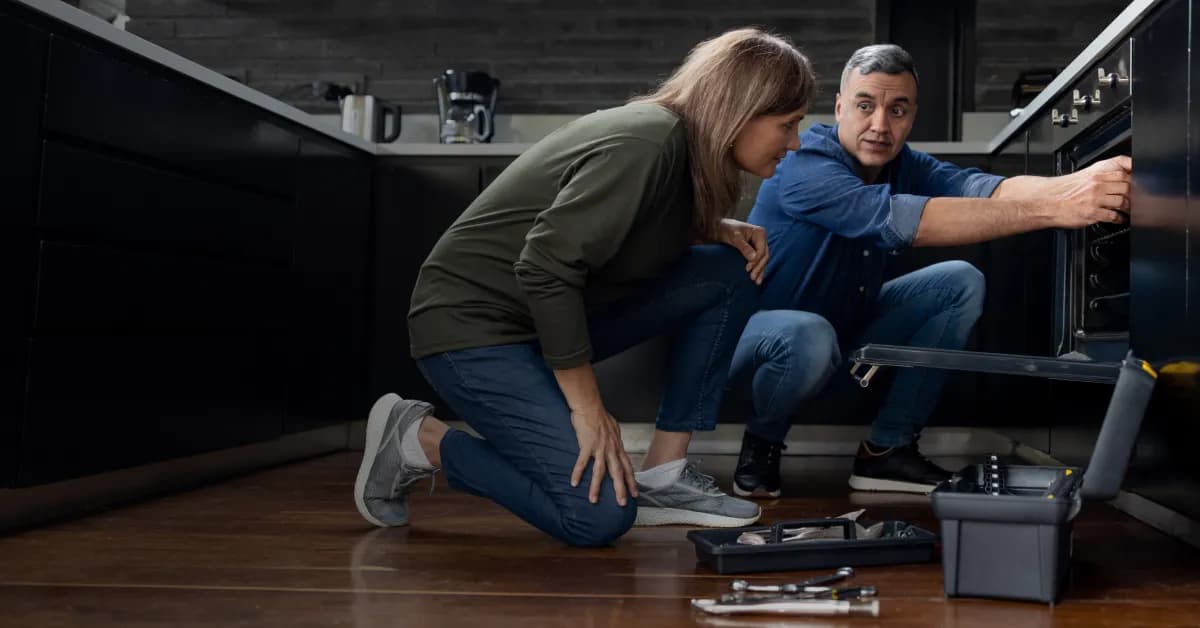
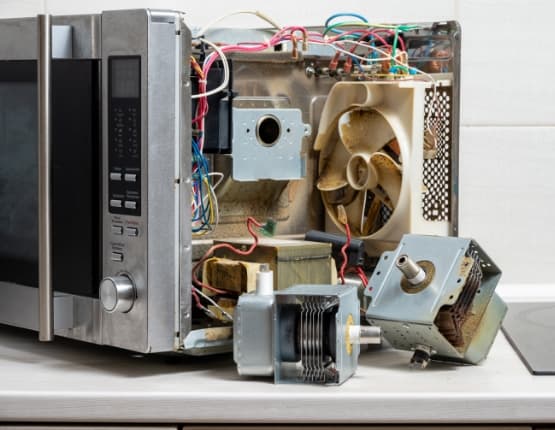
Ordering Kenmore range parts online is simple and helps you find genuine OEM parts for your unit. With same-day shipping on most in-stock items, you'll have your replacement part fast, minimizing downtime. Our model/part number lookup finds the exact OEM part for your unit, and every order is backed by our 365-day return policy and price-match guarantee. Browse our repair help section for troubleshooting tips, part testing guides, and step-by-step installation videos for your specific product.
Kenmore Range/Stove/Oven Model Number: Where to Look
On Kenmore ranges, stoves, and ovens, look for the model number on the frame behind the oven door or along the edge of the storage drawer. Open the door or pull out the drawer and check the label for a model number, not just the serial number. Type that model number into the search bar to narrow the full Kenmore parts catalog to parts made for your exact range, stove, or oven. Because the model identifies the entire unit, it helps match everything from controls and heating parts to doors and racks. That means fewer wrong orders and a faster repair.

Videos, Guides, and Diagrams for Kenmore Range Stove Oven Repairs
Diagnose and fix your Kenmore Range Stove Oven with Repair Clinic's online repair library. Video walkthroughs, step-by-step written guides, exploded-view diagrams, and part testing tutorials help you identify the failed part. Look up your model number to match the exact OEM replacement, then follow the installation video from start to finish.
Related Articles: Oven Parts
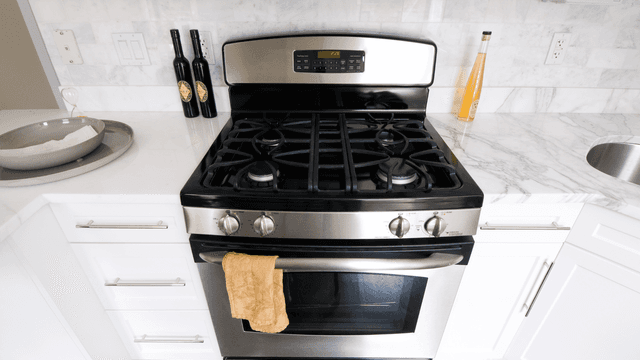
How To Test An Oven Temperature Control Thermostat
Learn how to test your oven's temperature control thermostat with a multimeter to diagnose heating issues. Follow step-by-step instructions to determine if a faulty thermostat is preventing your oven from maintaining the right temperature.

Range Has Persistent Gas Odor? Important Troubleshooting Tips
If your gas range has a lingering gas odor, it could indicate a leak or faulty part. Learn key troubleshooting steps to identify the source and ensure your kitchen stays safe.
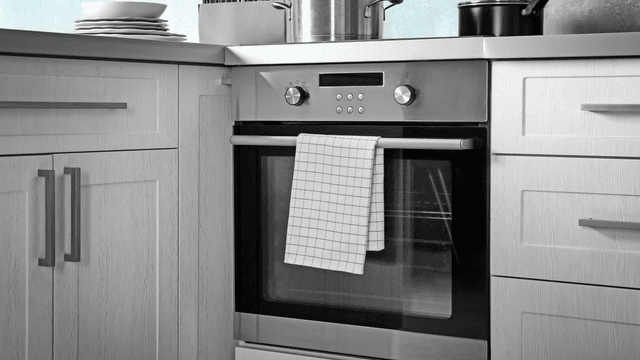
6 Reasons Why Your Electric Oven Is Failing To Self-Clean
If your electric oven won't self-clean, common culprits include faulty door locks, thermostats, or control boards. Find six possible reasons and how to fix them for a fully functional self-cleaning cycle.




Family-owned and operated since 1912, Burke America Parts Group is the longest-running genuine appliance, HVAC, and outdoor power equipment parts solution in North America. At Repair Clinic, we're proud to be an international brand trusted by the pros as well as the DIY community.
About Repair Clinic