


 Price Match Guarantee
GE Dehumidifier Parts
- Adhesive
- Axle, Roller, Shaft, Wheel
- Blower Wheel & Fan Blade
- Bracket & Flange
- Cap, Lid & Cover
- Capacitor
- Chassis
- Circuit Board & Timer
- Compressor & Sealed System
- Curtain & Accordian
- Fastener
- Filter
- Fuse, Thermal Fuse & Breaker
- Gasket & Seal
- Manuals, Care Guides & Literature
- Miscellaneous
- Motor
- Panel
- Power Cord
- Remote Control
- Switch
- Thermostat
- Touchpad
- Transformer
- Trim
- Valve & Float
- Wire, Receptacle & Wire Connector
Find the right part faster
Multiple models matched. Select your model to confirm fit.




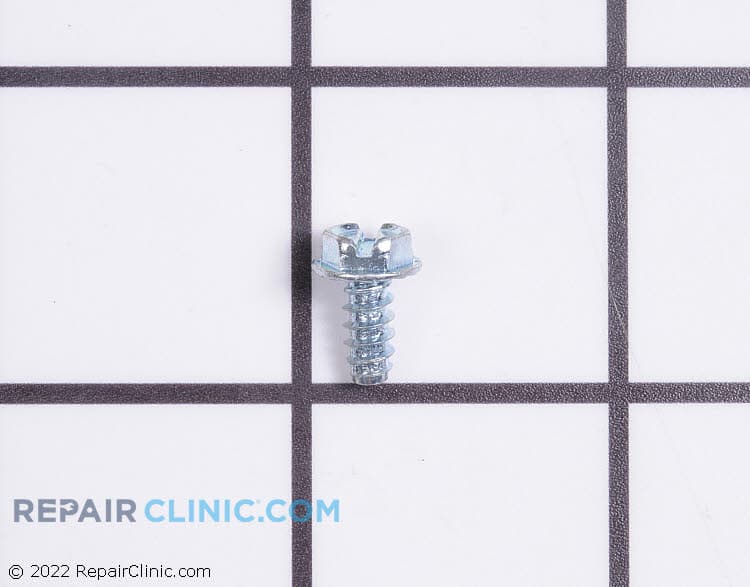
Screw, 10-24 3/8
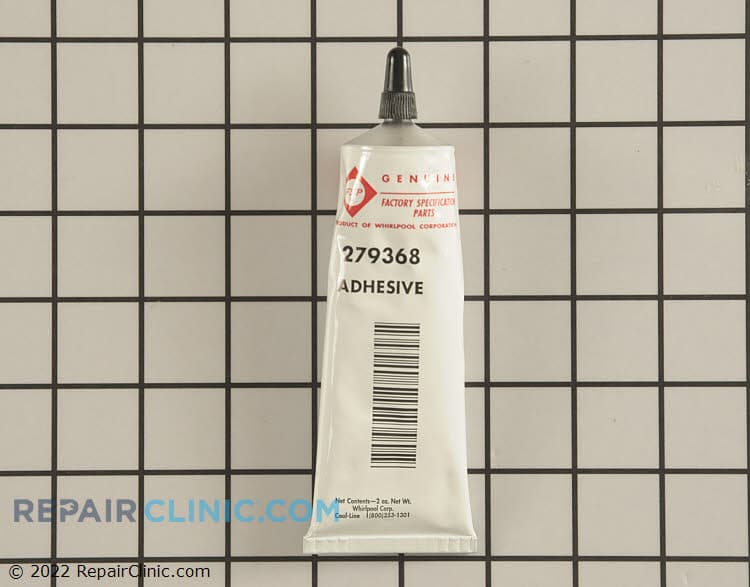
Silicone rubber adhesive and sealant for felt seals, door gaskets and more. 2 ounces
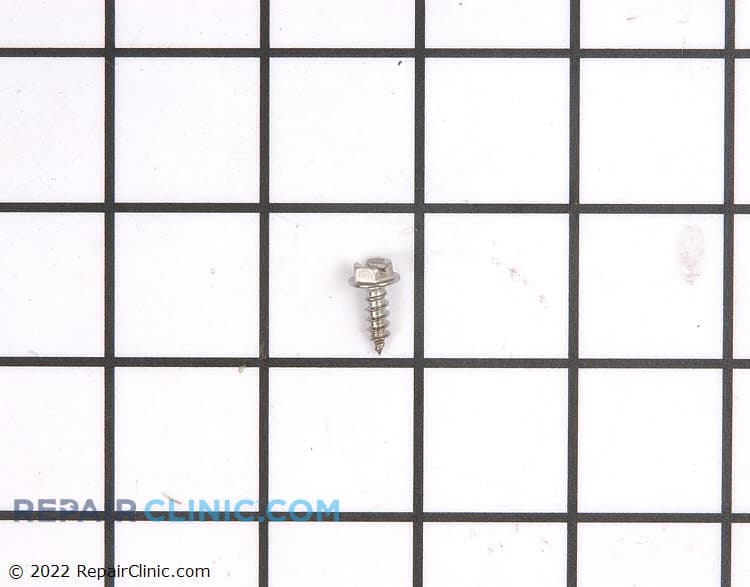
Screw 1/4" hex head, 10-12 x 1/2
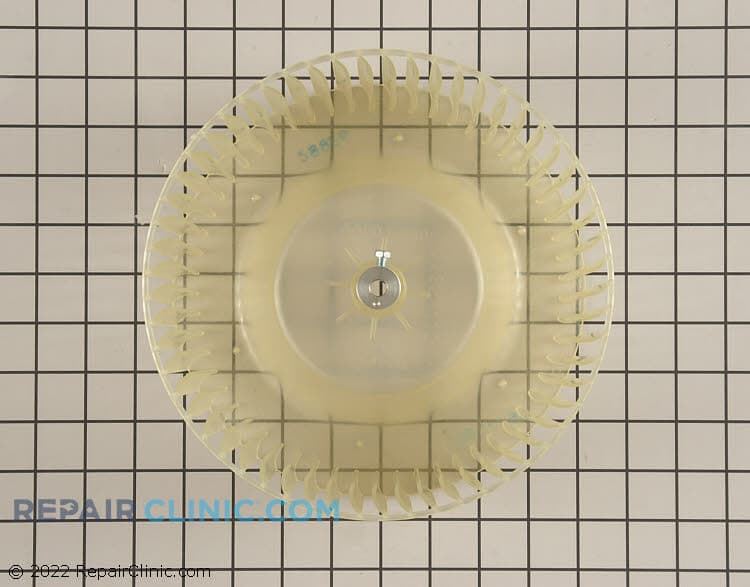
Blower wheel
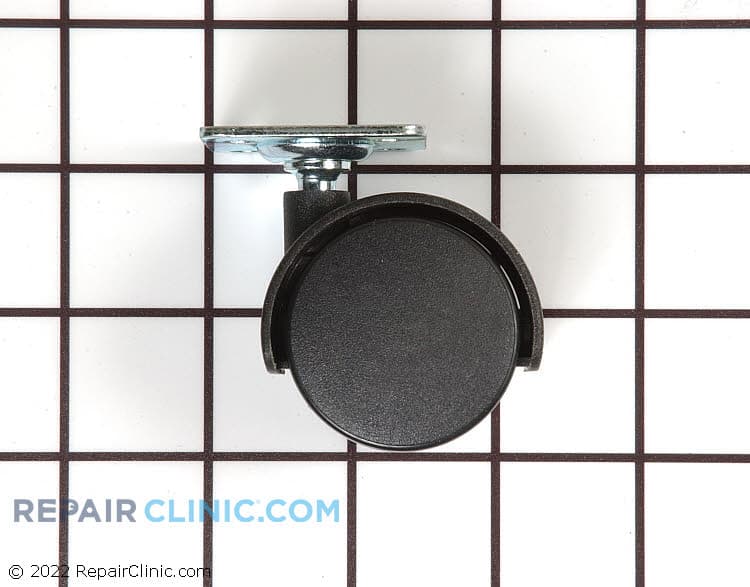
Caster
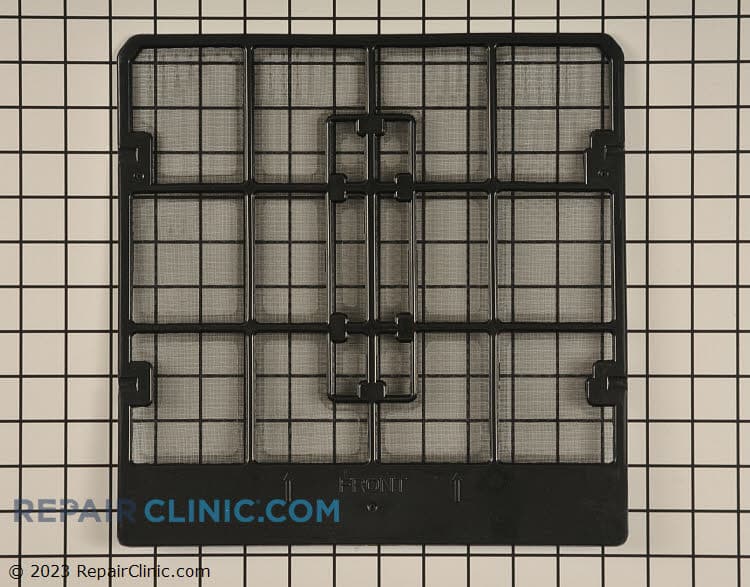
Filter assembly
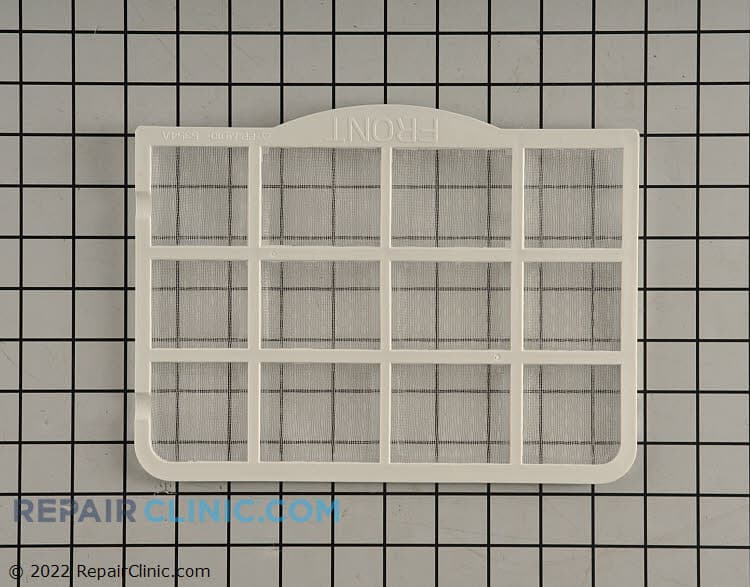
Filter assembly
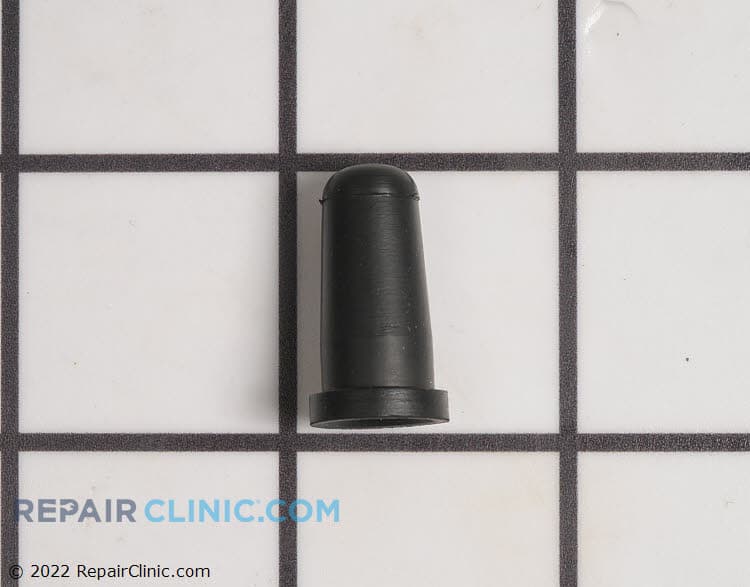
Drain plug
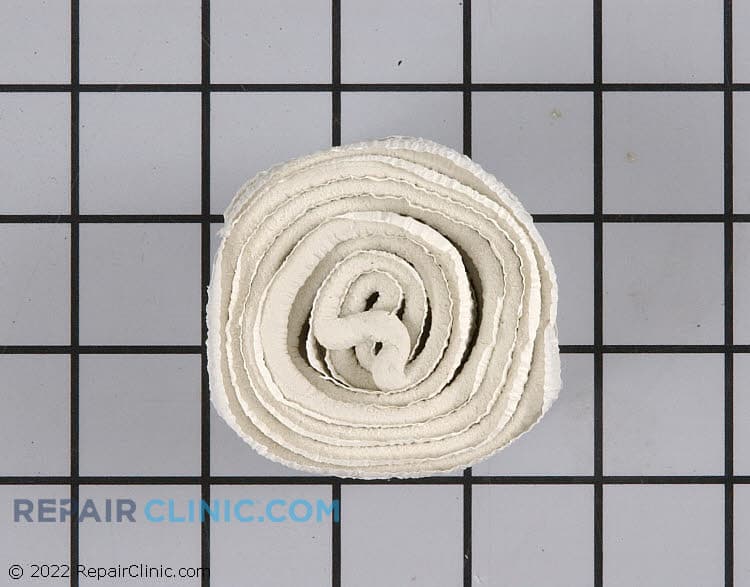
Sealer, permagum for refrigerant line insulation
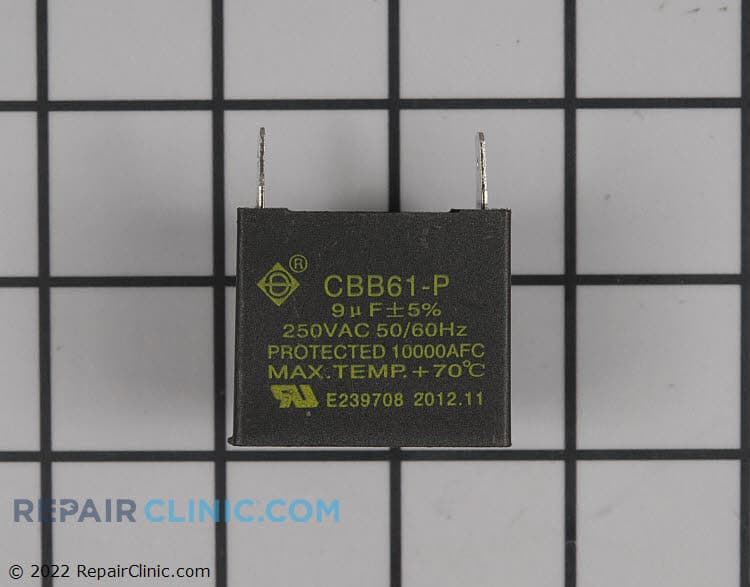
Run Capacitor 9 mfd
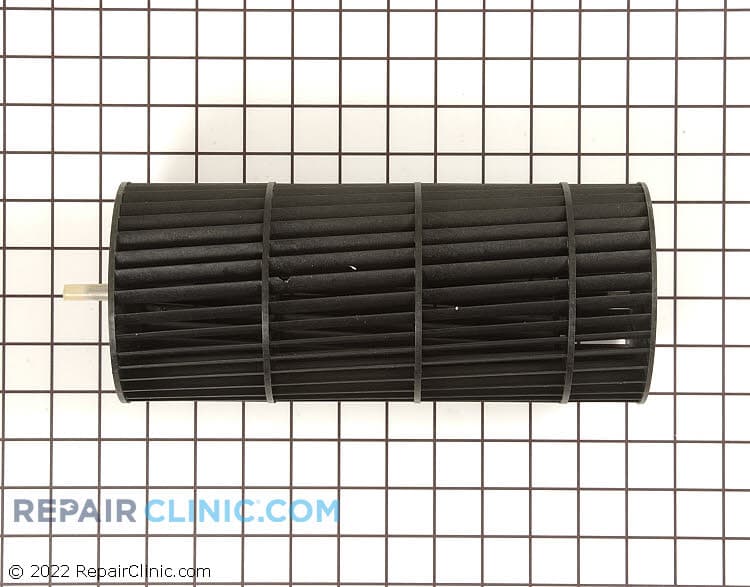
Fan Cross Flow


RC Item #944702
Condenser assy
RC Item #944701
Condenser assy
Evaporator assy


GE Dehumidifier Parts That Restore Performance
GE dehumidifiers work hard to keep moisture under control, but compressors, fan motors, and control boards can fail after years of service. When your GE unit stops pulling water or runs without dehumidifying, the right OEM replacement part gets it back online fast. Repair Clinic carries genuine GE parts designed to match your model's specifications exactly.
Most GE dehumidifier repairs come down to a handful of common parts. A failed compressor means no cooling and no moisture removal — that's a sealed system part that must be OEM. Fan motors that quit or run weakly stop airflow across the evaporator coil. Control boards govern humidity sensing and compressor cycling. Capacitors kick-start motors. Identifying your model number takes 30 seconds and ensures you get the exact part your unit needs.
- Compressor won't run or unit won't dehumidify: sealed system failure; start relay often the culprit first
- Fan motor dead or very slow: motor failure or bad capacitor; test capacitor voltage before replacing motor
- Humidity sensor readings wrong: thermistor/humidity control board issue; check sensor resistance
- Unit runs but produces no dehumidifying action: compressor sealed system or refrigerant charge loss
- Float switch keeps shutting unit off: overflow protection activated; empty bucket or check drain line
Find your GE dehumidifier model number on the rating label inside or on the back of the unit. Enter it into Repair Clinic's parts finder to see exactly which compressor, motor, capacitor, or control board fits your machine.
Popular GE Dehumidifier Models
Related GE Dehumidifier Parts
- GE Dehumidifier Miscellaneous Parts
- GE Dehumidifier Compressor & Sealed System Parts
- GE Dehumidifier Fastener Parts
- GE Dehumidifier Panel Parts
- GE Dehumidifier Filter Parts
- GE Dehumidifier Blower Wheel & Fan Blade Parts
- GE Dehumidifier Cap, Lid & Cover Parts
- GE Dehumidifier Circuit Board & Timer Parts
- GE Dehumidifier Capacitor Parts
- GE Dehumidifier Valve & Float Parts
- GE Dehumidifier Manuals, Care Guides & Literature
- GE Dehumidifier Trim Parts
- GE Dehumidifier Wire, Receptacle & Wire Connector Parts
- GE Dehumidifier Adhesive
- GE Dehumidifier Axle, Roller, Shaft, Wheel Parts
- GE Dehumidifier Motor Parts
- GE Dehumidifier Power Cord Parts
- GE Dehumidifier Remote Control Parts
- GE Dehumidifier Touchpad Parts
- GE Dehumidifier Bracket & Flange Parts
- GE Dehumidifier Chassis Parts
- GE Dehumidifier Curtain & Accordian Parts
- GE Dehumidifier Fuse, Thermal Fuse & Breaker Parts
- GE Dehumidifier Gasket & Seal Parts
- GE Dehumidifier Switch Parts
- GE Dehumidifier Thermostat Parts
- GE Dehumidifier Transformer Parts
GE Dehumidifier Repair Questions Answered
Why does my GE dehumidifier run but not remove moisture?
If the fan runs but humidity stays high, the compressor or refrigerant system has likely failed. A working compressor cools the evaporator coil so moisture condenses out of the air. No cooling = no dehumidifying, even though the motor spins. The start relay is the first thing to check — it kicks the compressor on. Shake it near your ear: a rattle means it's failed. If the relay tests good, the compressor sealed system itself may have lost charge or the compressor motor burned out. An OEM compressor or sealed system replacement is the fix.
What's the easiest GE dehumidifier part to replace myself?
The capacitor is the easiest and cheapest GE dehumidifier repair. A bad capacitor shows as a motor that won't start or runs very slowly. It's a cylindrical part mounted on the control board or near the fan motor. Unplug the unit, discharge the capacitor safely (touch the terminals with an insulated screwdriver), unscrew it, and plug the OEM replacement in. The part costs $15 to $30 and takes 5 minutes. Always match the microfarad (µF) rating exactly — it's printed on the old capacitor.
How do I know if my GE dehumidifier compressor is actually dead?
Test the start relay first — it's a $10 to $20 fix that saves the compressor from unnecessary replacement. Shake the relay; a rattle = failed relay. If the relay clicks but the compressor doesn't turn on, use a multimeter to check for 24V at the compressor terminals. No voltage = control board issue. Low voltage with the relay clicking = compressor motor burned out. For sealed system failures, you'll often hear the compressor try to start (relay clicks) but the motor doesn't turn. That's a compressor replacement. An OEM GE compressor matched to your model's specifications is a primary fix.
Where's the model number on a GE dehumidifier, and why does it matter?
The model number is on a white or silver label on the back of the unit or inside the bucket cover. It starts with a letter or two (like AHFD or AFGD) followed by numbers. GE makes several dehumidifier lines — portable, whole-home, and commercial units — and the parts vary by line. The compressor, motor, and control board are all model-specific. Enter your full model number into Repair Clinic's parts finder and you'll see exactly which capacitor, thermistor, hose fitting, or motor fits your GE dehumidifier.

Convenient Online Ordering for GE Dehumidifier Parts
Maintaining your GE dehumidifier in optimal working condition is easier than ever with access to a full range of replacement parts online. Whether you need specific parts for repairs or general maintenance parts, you can quickly find genuine GE dehumidifier parts to suit your needs. Our online platform offers a reliable experience where you can search using your model or part number to locate compatible parts, supporting proper fit and functionality. For comprehensive tips on troubleshooting and repair, visit our Dehumidifier Repair Help page. Spare yourself from unforeseen repairs by regularly inspecting and replacing parts such as fan motors and filters, available through our easy online ordering system.
GE Dehumidifier Model Number: Where to Look
On GE dehumidifiers, the model number is typically printed on a white or silver rating label on the back of the cabinet or inside the bucket cover. Check those areas for the complete model number, including every letter and digit, before searching. Enter it in the search bar to narrow the catalog to parts made for your specific unit. The model number applies to the entire dehumidifier, so it helps match everything from filters and capacitors to control boards and motors. Taking a moment to copy it accurately saves time and helps prevent ordering a part that does not fit.

Do-It-Yourself Repair Resources for GE Dehumidifier
Repair Clinic's online repair library gives DIYers and professional technicians the same reference material for GE Dehumidifier work. Start with a common-symptom article to narrow the cause, watch the matching part testing video, then follow the step-by-step written or video repair guide during the installation. Use the model number lookup to confirm the exact OEM part, and wiring diagrams and exploded-view illustrations are on hand for the more complex jobs.
Related Articles: Dehumidifier Repair
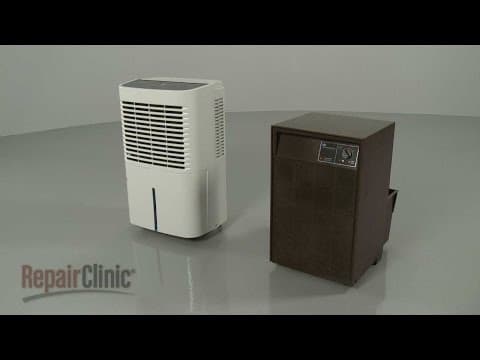
How A Dehumidifier Works
Learn how a dehumidifier works to remove moisture from indoor air using key parts like a fan, coils, and humidistat.
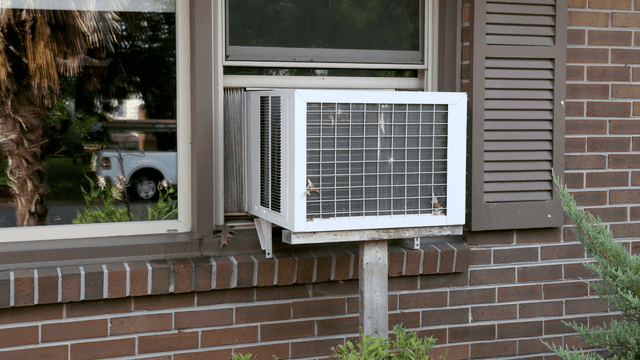
6 Things You Should Do When Not Using Your Air Conditioner
Tips to protect your air conditioner when it's not in use, including cleaning and part checks.

Why Your Pressure Washer Soap Injector Is Not Working
Learn the top two reasons your pressure washer?s soap injector might fail and how to fix it.




Family-owned and operated since 1912, Burke America Parts Group is the longest-running genuine appliance, HVAC, and outdoor power equipment parts solution in North America. At Repair Clinic, we're proud to be an international brand trusted by the pros as well as the DIY community.
About Repair Clinic