


 Price Match Guarantee
Dehumidifier Capacitor Parts
Find the right part faster
Multiple models matched. Select your model to confirm fit.




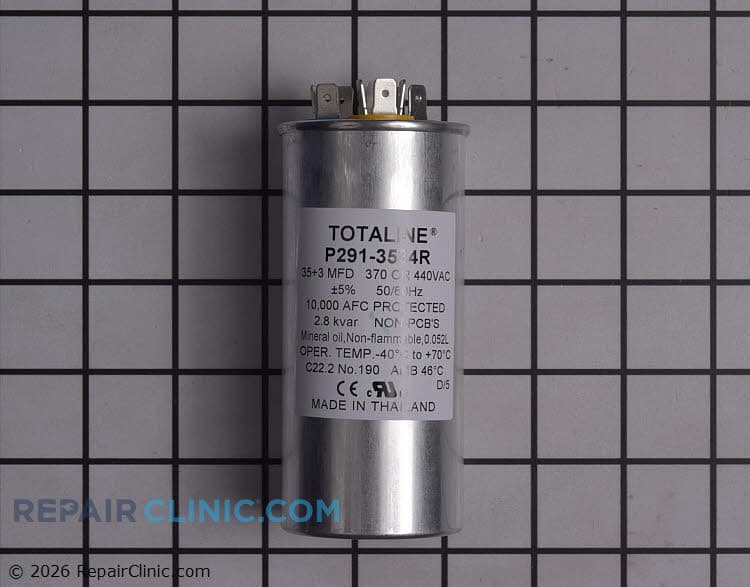
Cap rn rd 440v 3+35
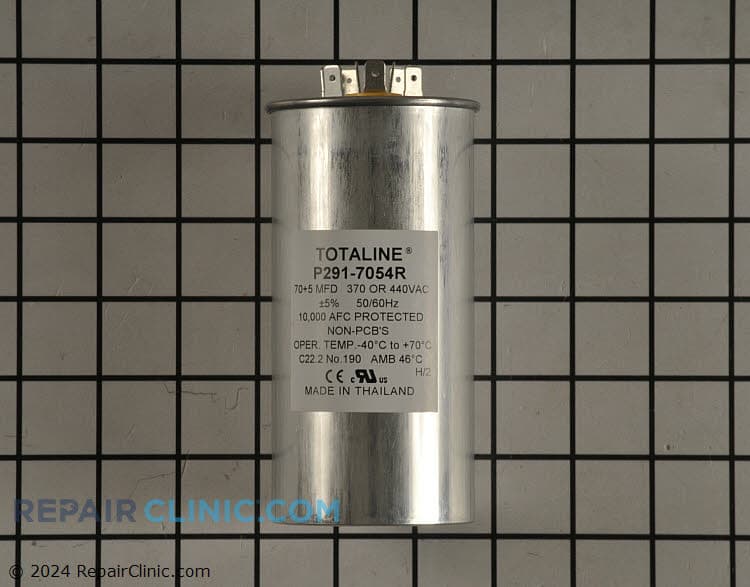
Dual run capacitor, round, 370 Volts, 70/5 Microfarads

Cap rn rd 440v 3+40
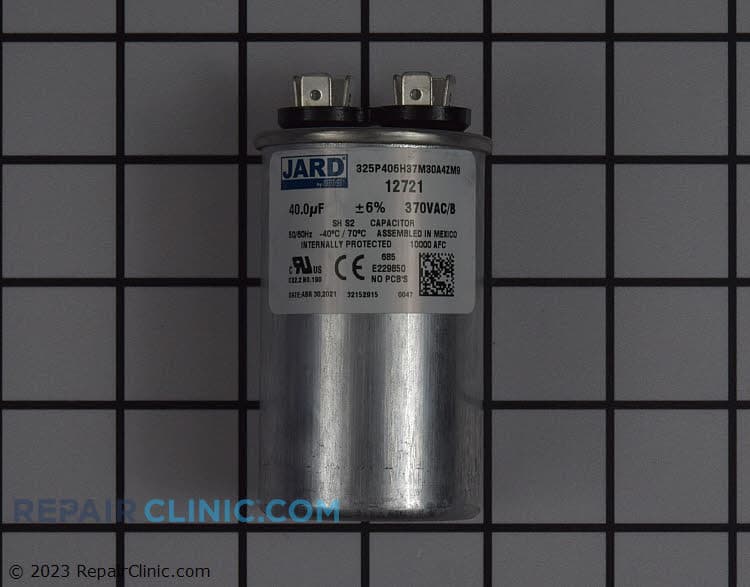
Run Capacitor 370 Volt Round Single 40 MFD
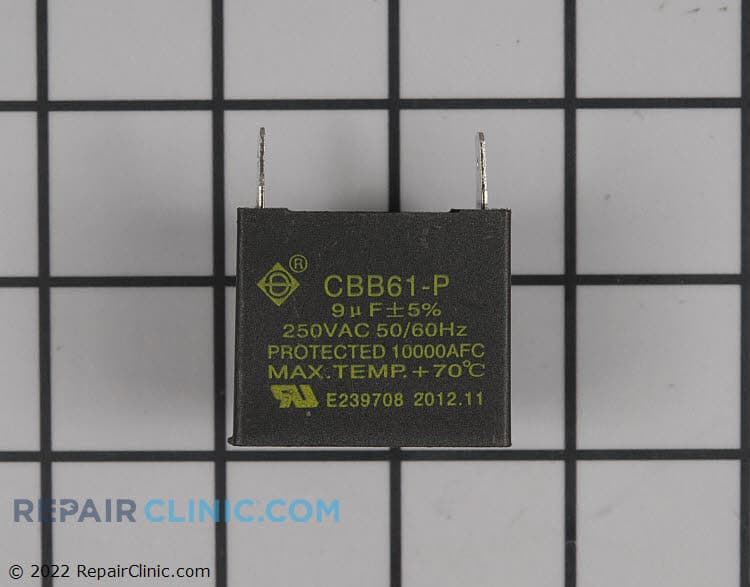
Run Capacitor 9 mfd

Capacitor
Capacitor
Capacitor
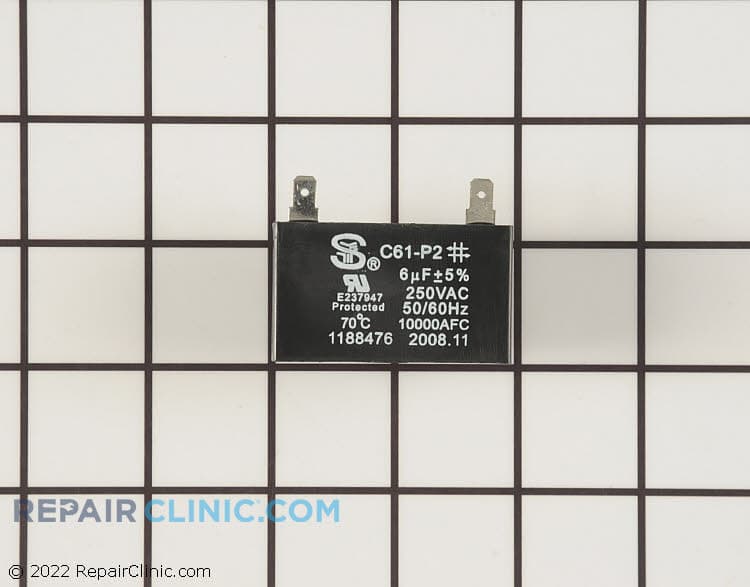
Fan capacitor 250 volt 6 mfd.
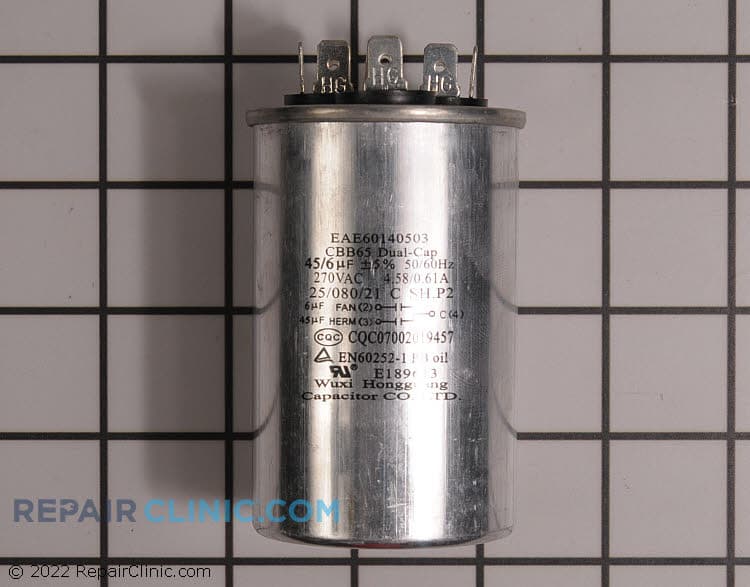
Film box capacitor
Capacitor
Capacitor asy
Cap rn rd 370v 20
Cap rn rd 370v 5
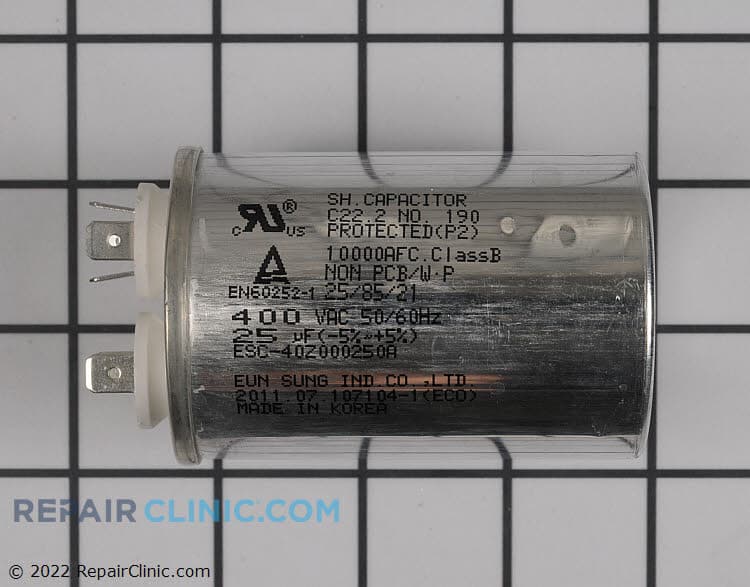
Run Capacitor 25 mfd 400 volt


Dehumidifier Capacitor Parts
The capacitor in your dehumidifier is a small but critical part that stores and releases electrical energy to start and run the fan motor and compressor. When a capacitor fails, your dehumidifier may hum without turning on, run slowly, or stop working entirely. A failed or weakening capacitor is one of the most common — and easiest — dehumidifier repairs.
Capacitor failure is usually an electrical issue, not a mechanical one. If you notice your dehumidifier struggling to start or the motor running slower than normal, the capacitor is often the culprit before the motor itself fails. Replacing it can extend your dehumidifier's life by years.
- Motor won't start: Compressor or fan motor hums but doesn't turn; capacitor has lost charge
- Motor runs slowly: Unit runs weak or struggles to maintain humidity control; capacitor weakening
- Intermittent operation: Dehumidifier works sometimes, dies other times; capacitor failing
- Tripped breaker: Unit draws excessive current on startup; weak capacitor strains the motor
- No cooling effect: Compressor won't engage due to capacitor failure; unit runs but doesn't dehumidify
Enter your dehumidifier model number to find the exact OEM capacitor. Match the microfarad (µF) rating and voltage exactly — capacitors within 10% tolerance may work but will reduce motor lifespan. Always unplug before servicing.
Find Replacement Dehumidifier Capacitor Parts Online by Model or Part Number
Popular Dehumidifier Models
Dehumidifier Capacitor FAQs
How do I know if my dehumidifier capacitor has failed?
A failed capacitor typically causes the motor to hum loudly without turning on, or the fan/compressor to run very slowly. If you hear the motor struggling but nothing spins, the capacitor has likely lost its charge. You can also test the capacitor with a multimeter set to capacitance mode, but the simplest approach is to replace it — capacitors are inexpensive ($15 to $40 OEM) and a common dehumidifier fix.
What's the difference between µF ratings on dehumidifier capacitors?
Microfarads (µF) measure the capacitor's ability to store electrical charge. Your dehumidifier requires a specific µF rating — usually between 5 µF and 30 µF depending on the motor size. Using a capacitor with the wrong µF rating will either fail to start the motor or damage it over time. Always match the rating on your old capacitor or use your model number to confirm the correct spec.
Can I use a replacement capacitor in my dehumidifier?
capacitors exist, but OEM capacitors are the safer choice. The µF and voltage rating must match your motor exactly. If you use a capacitor with close — but not exact — specs, you risk reduced motor lifespan, frequent replacements, or damage to the compressor. Enter your dehumidifier model number in our lookup tool to get the exact OEM capacitor for your unit.
Why is my dehumidifier breaker tripping after the capacitor failed?
When a capacitor weakens, it can't properly reduce the startup current demand on the motor. The motor draws excessive current on startup, causing the breaker to trip as a safety measure. Replacing the capacitor restores normal startup current and will stop the tripping — assuming the motor and compressor are still healthy.
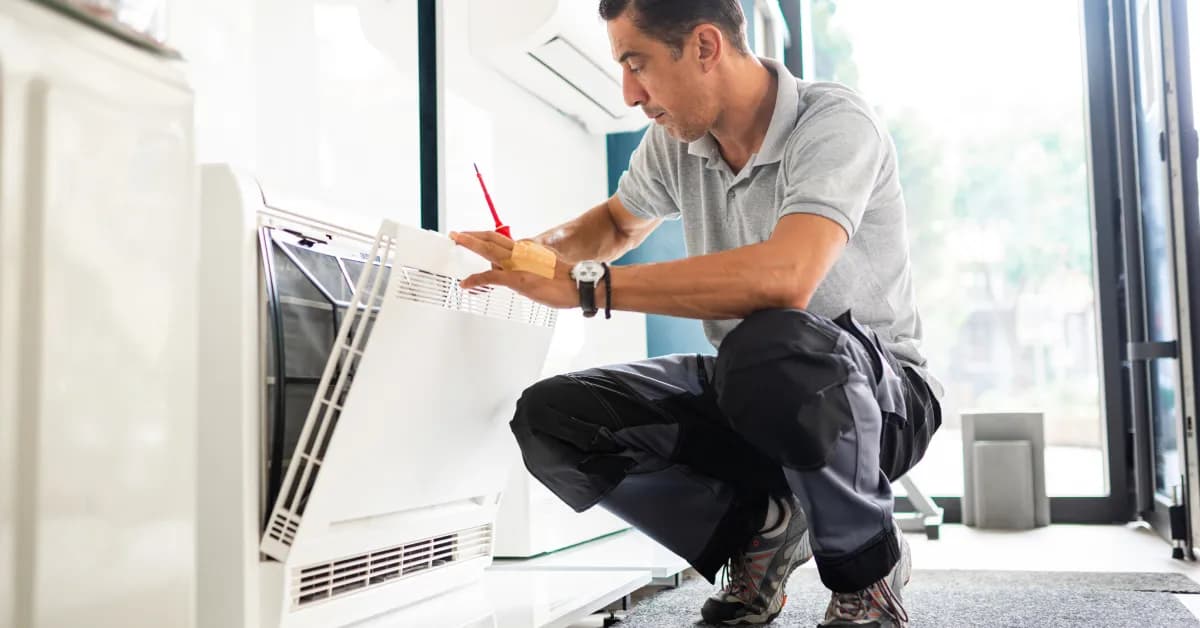
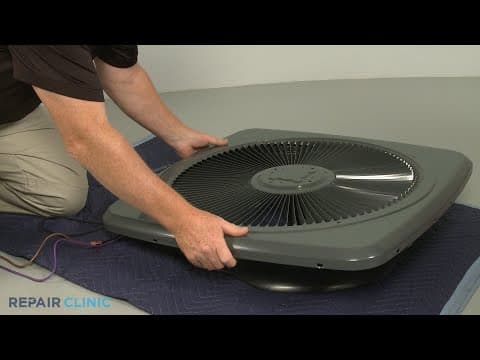
Easy Online Ordering for Dehumidifier Capacitor Parts
Dehumidifier capacitor parts are required for regulating electric current, ensuring your appliance runs smoothly. When a capacitor fails, your dehumidifier may struggle to start or not operate at all. Access a wide range of genuine dehumidifier capacitor replacement parts with our user-friendly online platform. Use our model or part number lookup tool to find the exact match for your repair needs. We offer a Price Match Guarantee, ensuring you get the best price available, coupled with No-Hassle 365-Day Returns for your convenience. Thanks to our same-day shipping feature, you'll experience minimal downtime, enabling quick and efficient repairs. Troubleshoot common issues like faulty capacitors that can cause a dehumidifier to not work and choose the right part to get your appliance back to its best. For additional guidance, visit our Dehumidifier Repair Help page. For other parts like blower wheels or sensors, browse our pages on Dehumidifier Touchpad Parts.
Filter Dehumidifier Parts by Your Model Number
Check the label on the back or side of your dehumidifier first. If it is not there, look behind the filter panel or inside the cabinet near the controls. Model and serial numbers may appear together, so copy the model number exactly, including letters, numbers, and hyphens. Enter it in the search bar to narrow the full catalog to parts that fit your dehumidifier model. This filter applies across the unit's associated parts, not just one repair category. A precise model match helps you skip incompatible options and order with confidence knowing the fit is right.

Dehumidifier Repair Guides and Videos
Fixing your Dehumidifier starts with the right diagnostic information. Repair Clinic's online library includes common-symptom articles, part testing walkthroughs, and repair videos that help you pinpoint what needs replacing. Once identified, the model number lookup confirms the correct OEM part, and the matching installation video guides you through the swap.
Related Articles: Dehumidifier Repair
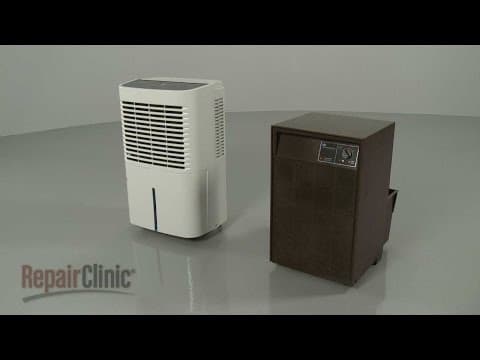
How A Dehumidifier Works
Learn how a dehumidifier works to remove moisture from indoor air using key parts like a fan, coils, and humidistat.
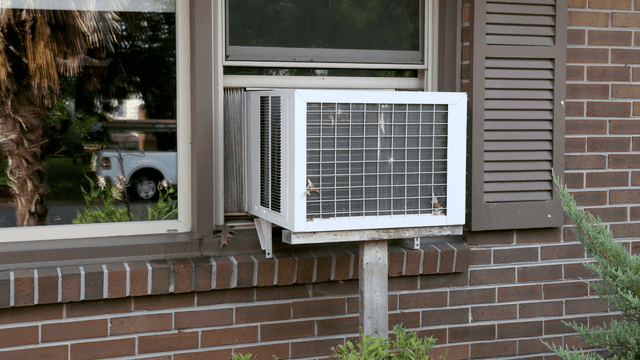
6 Things You Should Do When Not Using Your Air Conditioner
Tips to protect your air conditioner when it's not in use, including cleaning and part checks.

Why Your Pressure Washer Soap Injector Is Not Working
Learn the top two reasons your pressure washer?s soap injector might fail and how to fix it.




Family-owned and operated since 1912, Burke America Parts Group is the longest-running genuine appliance, HVAC, and outdoor power equipment parts solution in North America. At Repair Clinic, we're proud to be an international brand trusted by the pros as well as the DIY community.
About Repair Clinic