


 Price Match Guarantee
Dehumidifier Sensor & Thermistor Parts
Find the right part faster
Multiple models matched. Select your model to confirm fit.




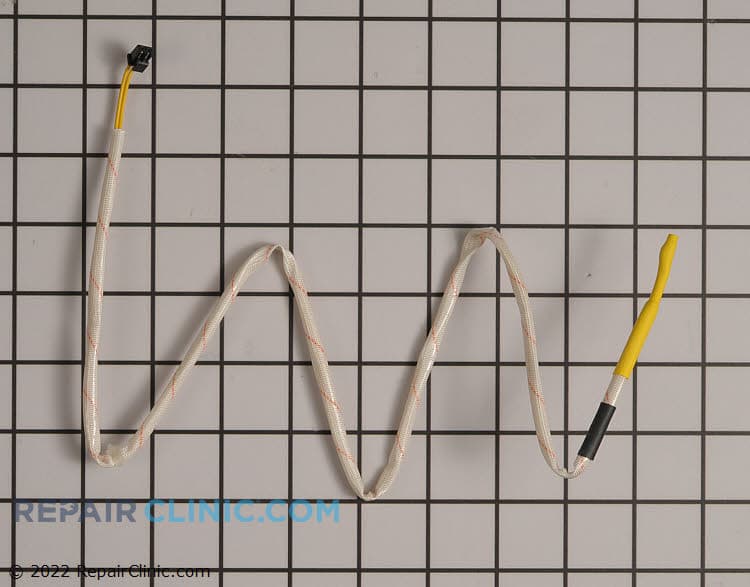
Ambient temp sensor
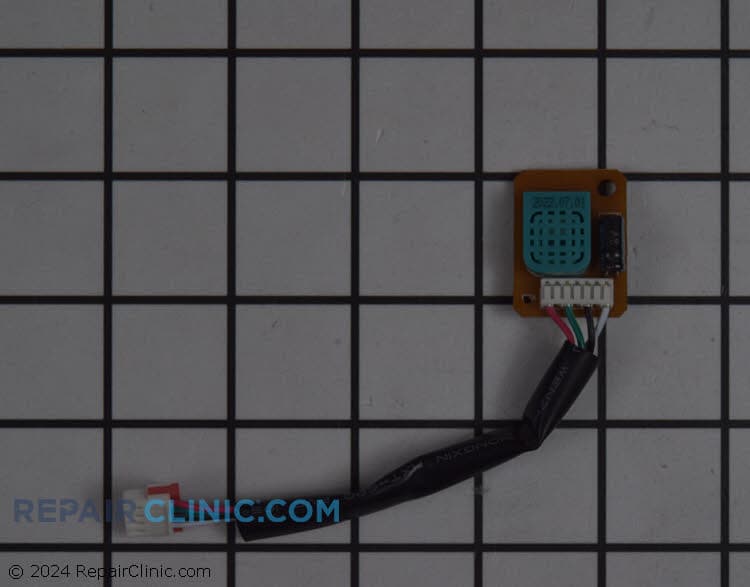
Sensor,humidity

Humidstat sensor

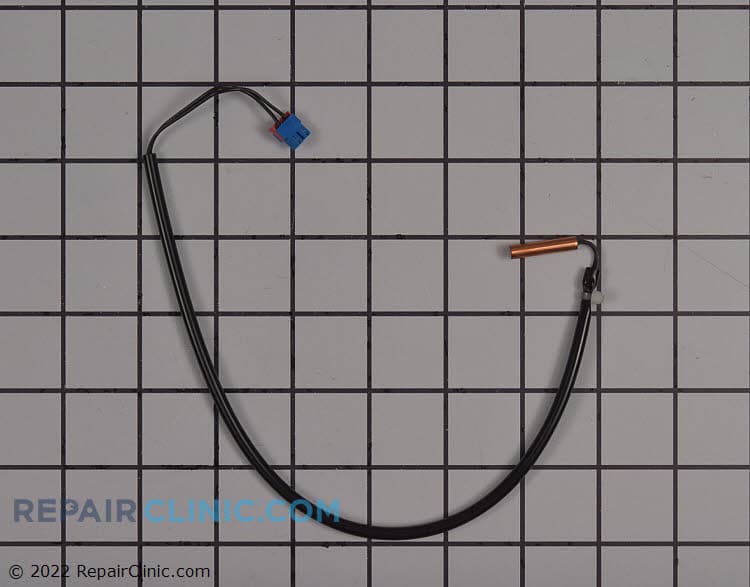
Thermistor assembly,ntc
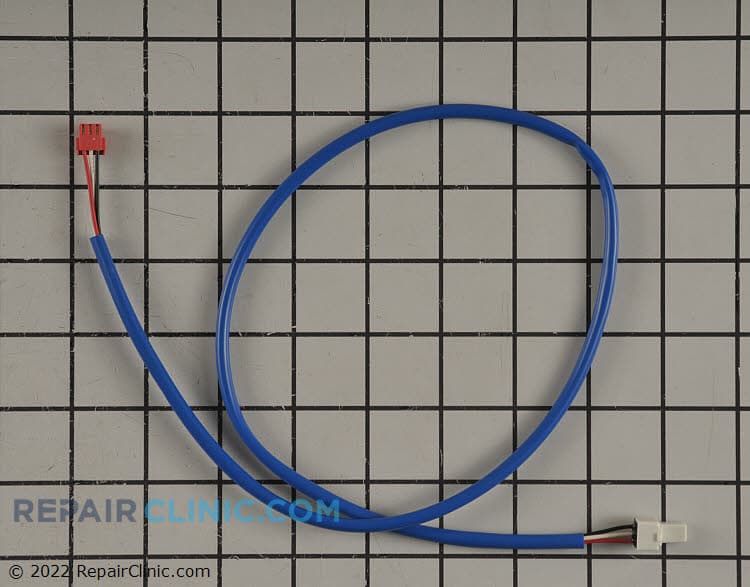
Sensor,position

Temperature sensor

Sensor, temp

Sensor
Gauge
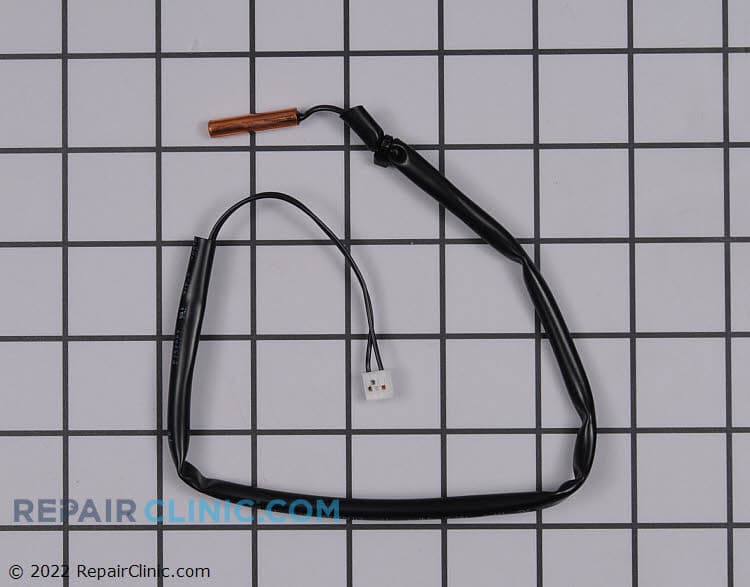
Thermistor assembly
Sensor,humidity


Dehumidifier Thermistor and Humidity Sensor Parts
When your dehumidifier stops pulling moisture from the air or shows wildly incorrect humidity readings, a failed thermistor or humidity sensor is often the culprit. These small electronic parts tell your dehumidifier's control board what the current temperature and humidity levels are — when they fail, the unit either won't cycle properly or runs constantly without dehumidifying. Repair Clinic stocks OEM dehumidifier sensors and thermistors for every major brand.
Thermistors measure temperature; humidity sensors (also called humidistats or humidity switches) detect moisture levels. Together, they control when the compressor and fan motor run. A thermistor measuring 10,000 ohms at 70°F will read differently at other temperatures — that's normal. But if readings jump around or stay stuck, the thermistor has failed. Humidity sensors that trigger the float switch too early or too late indicate a sensor failure.
- No dehumidifying but compressor runs: Humidity sensor not signaling the control board to cycle the compressor
- Constant running with no moisture removal: Thermistor giving false cold readings, triggering non-stop frost protection
- Compressor won't start: Humidity sensor stuck in "dry" mode, preventing any cycles
- Bucket fills too quickly or too slowly: Float switch triggered by faulty humidity sensor reading
- Display shows wrong humidity percentage: Defective humidity sensor sending incorrect signal to control board
Find Replacement Dehumidifier Sensor & Thermistor Parts Online by Model or Part Number
Popular Dehumidifier Models
Dehumidifier Sensor and Thermistor FAQ
What's the difference between a thermistor and a humidity sensor in a dehumidifier?
A thermistor measures air temperature and helps the control board manage frost protection — if the evaporator coil gets too cold, it shuts down to prevent ice buildup. A humidity sensor (humidistat) measures moisture in the air and tells the control board when to run dehumidifying cycles. Both must work correctly for your dehumidifier to pull moisture efficiently. Thermistors are resistive parts; humidity sensors are often capacitive or switch-type devices.
How do I know if my dehumidifier sensor has failed?
Look for these signs: the unit runs but doesn't reduce humidity, the display shows humidity readings that don't match how the room feels, the compressor won't cycle on even though the air is visibly damp, or the unit cycles constantly without actually removing moisture. You can test a thermistor with an ohm meter — compare its resistance at room temperature to the OEM specification for your model. A humidity sensor stuck in the "satisfied" position will prevent the compressor from starting.
Can I clean a dehumidifier thermistor or humidity sensor instead of replacing it?
Thermistors and humidity sensors are solid-state electronic parts — they don't benefit from cleaning like a carburetor or air filter does. If a sensor or thermistor has failed electrically, replacement is a primary fix. You can dust around the sensors to prevent blockage, but once they fail, an OEM sensor replacement is required. Check your model number to get the exact thermistor or humidity sensor assembly for your brand and model.
Are dehumidifier sensors brand-specific, or can I use a replacement?
Thermistors and humidity sensors are brand and model-specific. The resistance values, connector types, and mounting locations vary widely — even within the same brand's different lines. Always enter your dehumidifier model number to find the correct OEM sensor. Using the wrong sensor will result in incorrect readings and poor dehumidifying performance.
Easy Online Ordering for Dehumidifier Sensor & Thermistor Parts
Find a full range of Dehumidifier Sensor and thermistor parts that cater to both homeowners and technicians. Ensuring your dehumidifier operates efficiently, it's important to have reliable sensors and thermistors replacing any faulty parts. With our online portal, finding compatible, genuine dehumidifier replacement parts. Use your model number to get the right part. Benefit from our same-day shipping on in-stock parts, enabling speedy repairs. Utilize our intuitive model and part number lookup tool to source the exact parts you need. Find various dehumidifier repair solutions for troubleshooting tips and repair guides.
Where to Find Your Dehumidifier Model Number
Check the back, side, or bottom of your dehumidifier for a label showing the model number. You may need to move the unit or look near the power cord, so unplug it first if you need to turn it around. The model number is usually a mix of letters and numbers and may appear near the serial number, but do not substitute the serial number when searching. Enter the model number in the search bar to filter the full catalog to parts that fit your dehumidifier, including parts across every part category. Using the complete model number gives you a fast, accurate match and helps prevent ordering a part that is not compatible with your unit.

Repair Resources for Dehumidifier Owners
Repair Clinic backs Dehumidifier owners with a full online repair library. Troubleshooting videos, common-symptom articles, part testing walkthroughs, exploded-view diagrams, and step-by-step installation guides cover the diagnostic and repair work for the most common problems. Confirm your part with the model number lookup, follow the video, and complete the repair the first time.
Related Articles: Dehumidifier Repair
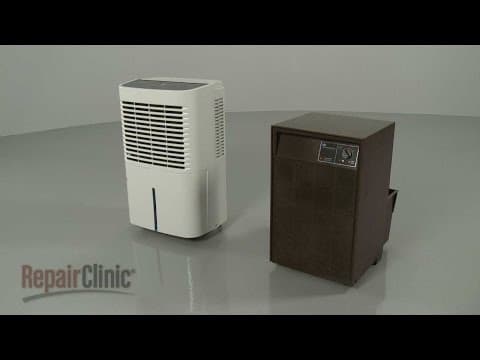
How A Dehumidifier Works
Learn how a dehumidifier works to remove moisture from indoor air using key parts like a fan, coils, and humidistat.
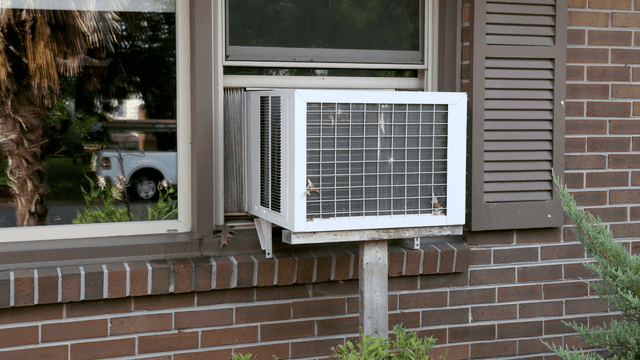
6 Things You Should Do When Not Using Your Air Conditioner
Tips to protect your air conditioner when it's not in use, including cleaning and part checks.

Why Your Pressure Washer Soap Injector Is Not Working
Learn the top two reasons your pressure washer?s soap injector might fail and how to fix it.




Family-owned and operated since 1912, Burke America Parts Group is the longest-running genuine appliance, HVAC, and outdoor power equipment parts solution in North America. At Repair Clinic, we're proud to be an international brand trusted by the pros as well as the DIY community.
About Repair Clinic