


 Price Match Guarantee
Bosch Vacuum Cleaner Parts
- Attachment
- Axle, Roller, Shaft, Wheel
- Bag
- Bearing
- Belt
- Blade
- Blower Wheel & Fan Blade
- Bracket & Flange
- Brushroll
- Cap, Lid & Cover
- Capacitor
- Circuit Board & Timer
- Dirt cup
- Door
- Fastener
- Filter
- Gasket & Seal
- Grille & Kickplate
- Handle
- Hose, Tube & Fitting
- Knob, Dial & Button
- Latch
- Lighting & Light Bulb
- Manuals, Care Guides & Literature
- Miscellaneous
- Motor
- Panel
- Power Cord
- Spring
- Switch
- Tank & Container
- Touchpad
- Trim
- Wire, Receptacle & Wire Connector
Find the right part faster
Multiple models matched. Select your model to confirm fit.


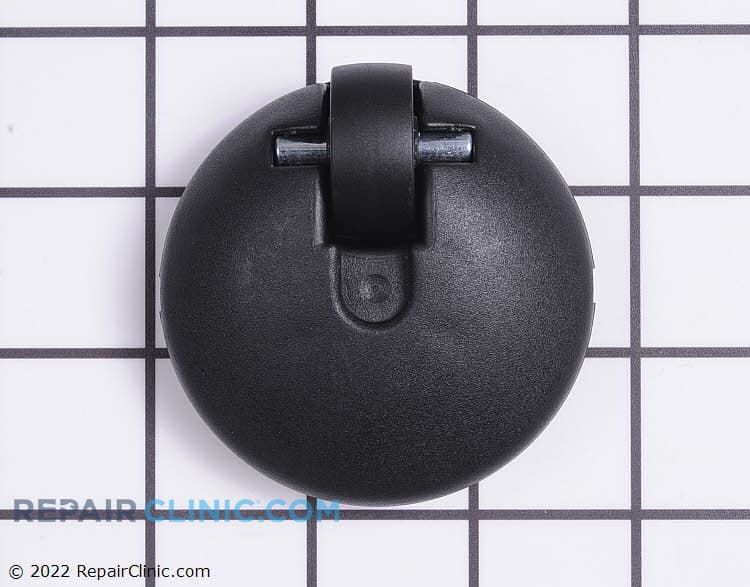
Wheel



Floor nozzle
RC Item #4961978
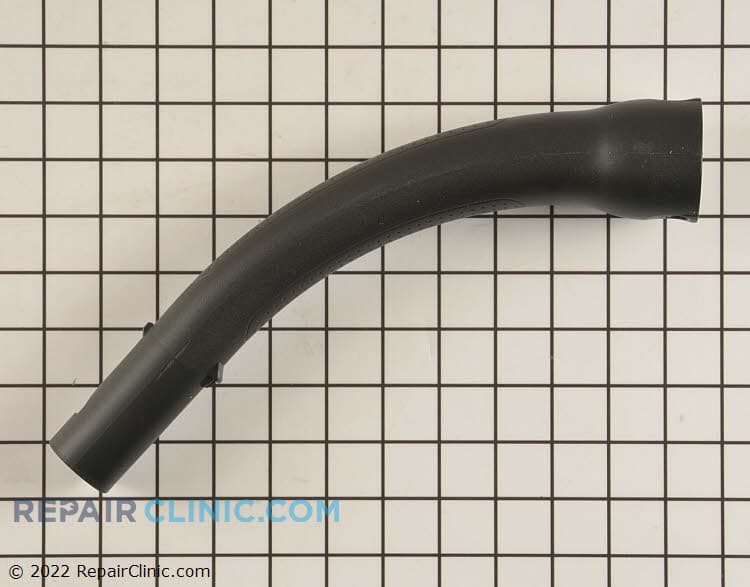
Handle
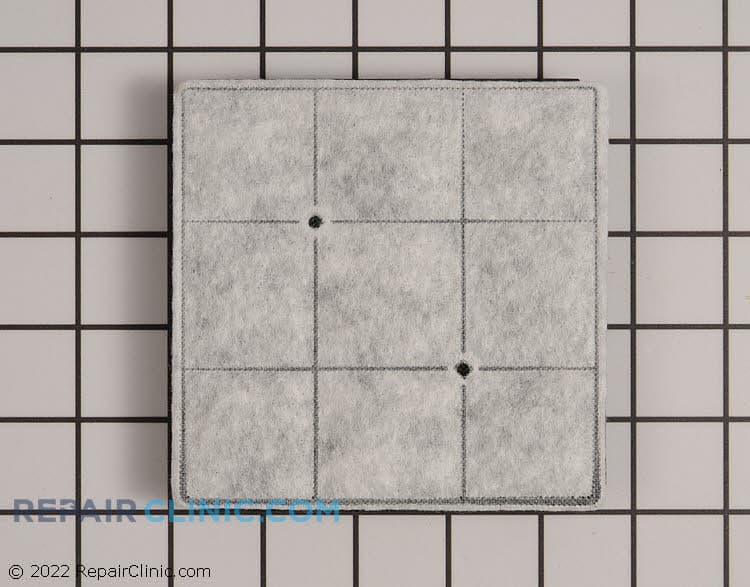
Filter
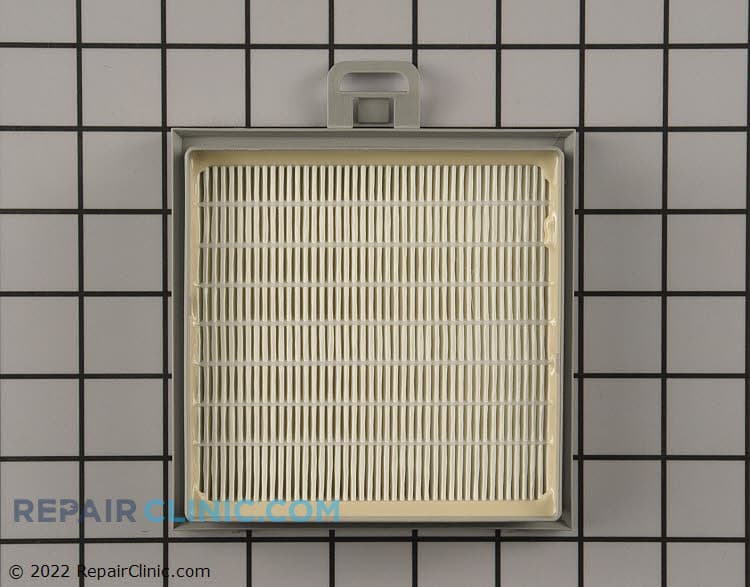
Filter
RC Item #4502731


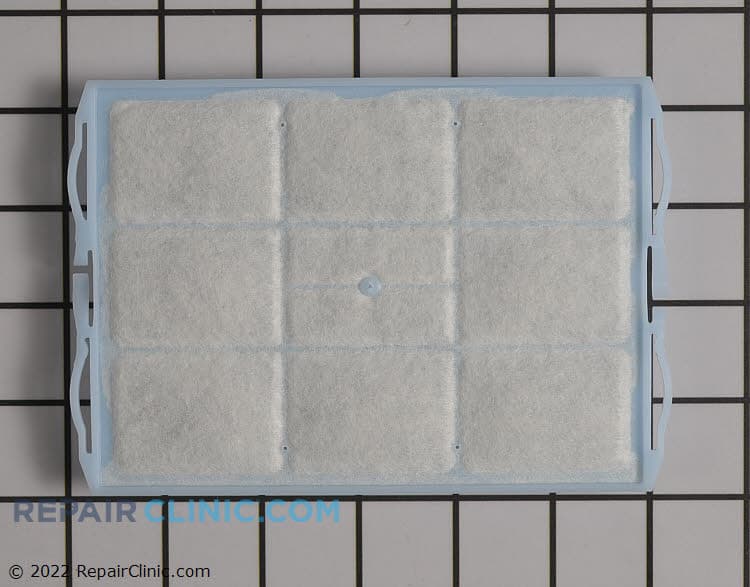
Filter
Container
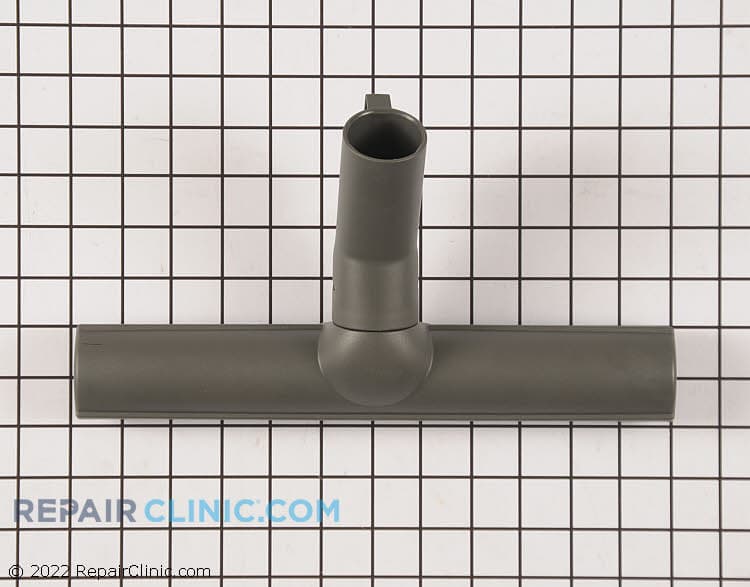
Hard floor nozzle
Lid
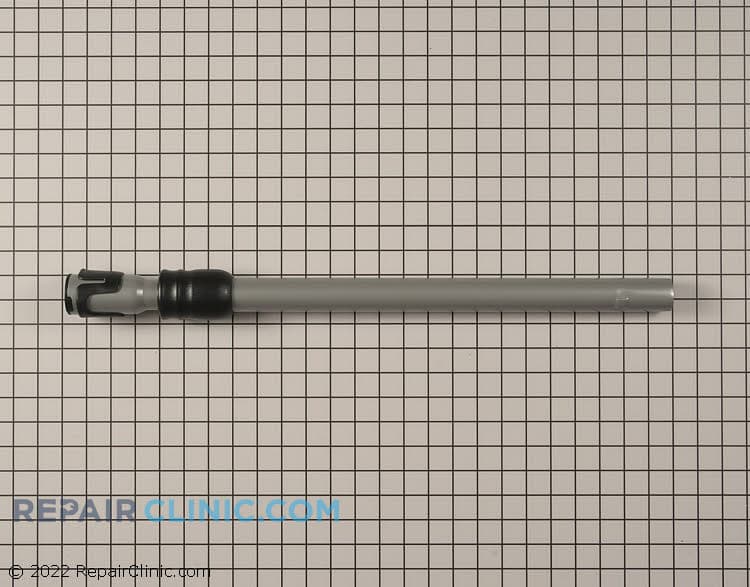
Tube


Bosch Vacuum Cleaner Parts
Bosch vacuum cleaners are built for German engineering standards — quiet operation, reliable suction, and long-lasting performance. When your Bosch stops picking up dirt, loses suction, or the brush roll won't spin, we have the exact OEM parts to get it back to work. Common failures include worn belts, clogged filters, failed motors, and worn brush rolls — all straightforward repairs with the right parts.
Bosch vacuums are made to last, and so are our replacement parts. Enter your model number below to find the exact motor, belt, filter, or brush roll assembly for your machine. We carry genuine OEM Bosch parts, same as the factory used.
- Motor failure or weak suction: Bosch vacuum motor assembly
- Brush roll won't spin: Drive belt replacement; check for blockages first
- Poor cleaning performance: Brush roll / agitator bristles worn flat
- Airflow reduced or rattling: Filter clogged or damaged; Bosch Vacuum Cleaner Parts
- Power cord brittle or frayed: Replacement power cord assembly
Find Replacement Bosch Vacuum Cleaner Parts Online by Model or Part Number
Popular Bosch Vacuum Cleaner Models
Related Bosch Vacuum Cleaner Parts
- Bosch Vacuum Cleaner Panel Parts
- Bosch Vacuum Cleaner Miscellaneous Parts
- Bosch Vacuum Cleaner Cap, Lid & Cover Parts
- Bosch Vacuum Cleaner Filter Parts
- Bosch Vacuum Cleaner Attachment Parts
- Bosch Vacuum Cleaner Bracket & Flange Parts
- Bosch Vacuum Cleaner Latch Parts
- Bosch Vacuum Cleaner Hose, Tube & Fitting Parts
- Bosch Vacuum Cleaner Fastener Parts
- Bosch Vacuum Cleaner Axle, Roller, Shaft, Wheel Parts
- Bosch Vacuum Cleaner Lighting & Light Bulb Parts
- Bosch Vacuum Cleaner Spring Parts
- Bosch Vacuum Cleaner Handle Parts
- Bosch Vacuum Cleaner Circuit Board & Timer Parts
- Bosch Vacuum Cleaner Gasket & Seal Parts
- Bosch Vacuum Cleaner Knob, Dial & Button Parts
- Bosch Vacuum Cleaner Bearing Parts
- Bosch Vacuum Cleaner Belt Parts
- Bosch Vacuum Cleaner Dirt cup Parts
- Bosch Vacuum Cleaner Power Cord Parts
- Bosch Vacuum Cleaner Tank & Container Parts
- Bosch Vacuum Cleaner Brushroll Parts
- Bosch Vacuum Cleaner Door Parts
- Bosch Vacuum Cleaner Switch Parts
- Bosch Vacuum Cleaner Blade Parts
- Bosch Vacuum Cleaner Grille & Kickplate Parts
- Bosch Vacuum Cleaner Manuals, Care Guides & Literature
- Bosch Vacuum Cleaner Motor Parts
- Bosch Vacuum Cleaner Touchpad Parts
- Bosch Vacuum Cleaner Wire, Receptacle & Wire Connector Parts
- Bosch Vacuum Cleaner Bag Parts
- Bosch Vacuum Cleaner Blower Wheel & Fan Blade Parts
- Bosch Vacuum Cleaner Capacitor Parts
- Bosch Vacuum Cleaner Trim Parts
Bosch Vacuum Cleaner Parts — Frequently Asked Questions
What's the most common Bosch vacuum repair?
Motor failure and belt wear are the top two Bosch vacuum issues. If suction is weak but the brush roll still spins, the motor is likely weakening. If the brush roll won't turn at all, the drive belt has snapped. Both are straightforward fixes with OEM parts — motors run $40 to $80, belts are $15 to $30.
How do I find my Bosch vacuum model number?
The model number is printed on a label on the motor housing or bottom of the chassis — look for a sticker that starts with "BSN" or a product designation like "BSGL" (Bosch Relaxx). Write down the full model number and search it in our parts finder. If you can't locate the label, describe the machine — upright, canister, or handheld — and we can narrow down the most common parts for that style.
Can I replace just the brush roll, or do I need the entire agitator assembly?
Bosch typically sells the brush roll as part of the agitator head assembly. Replacing just the bristles is not practical — the OEM assembly (which includes the roller bearing and housing) is the correct approach. It's usually $25 to $50 and takes five minutes to swap in.
Are Bosch vacuum filters washable or do they need replacement?
Most Bosch vacuum filters are foam or pleated paper and are washable in cool water — no soap. However, after repeated washing (typically 6 to 12 months of regular use), the filter degrades and loses efficiency. Keep a spare OEM filter on hand — it's $15 to $25 and ensures you always have peak suction. A clogged filter is the #1 reason for weak suction on Bosch machines.
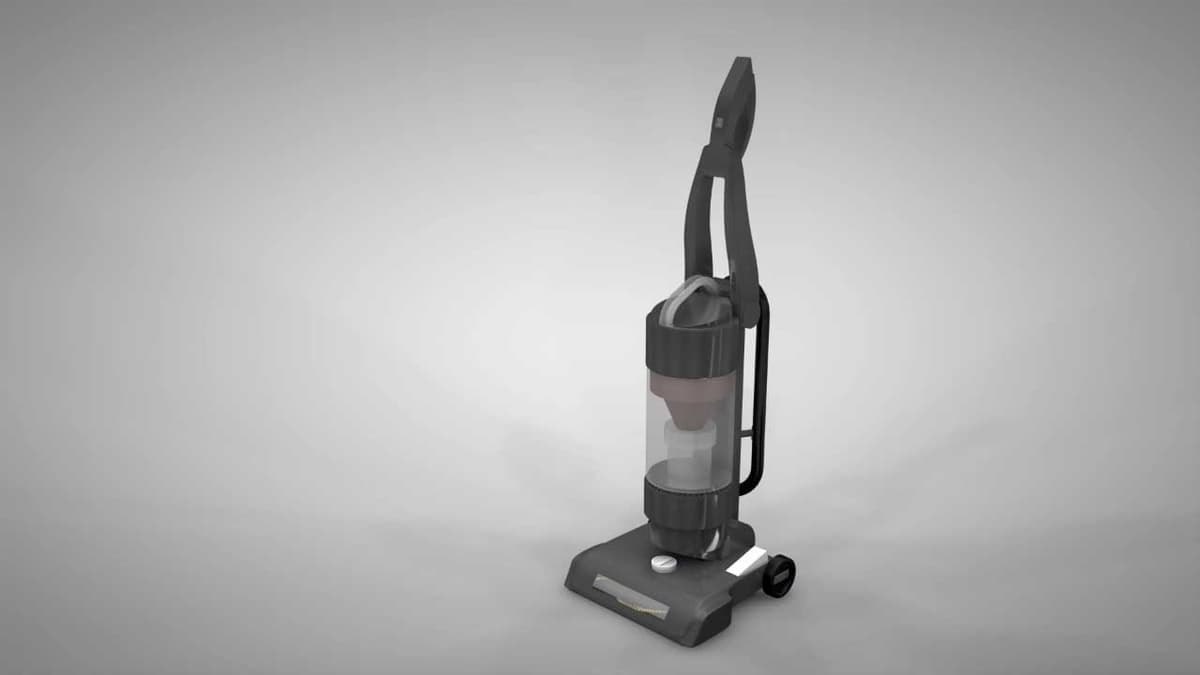
Shop Bosch Vacuum Cleaner Parts Online
Find the exact Bosch vacuum cleaner parts you need online. Our extensive inventory of genuine Bosch parts ensures compatibility and reliable operation for your vacuum cleaner. Whether you're a homeowner tackling DIY repairs or a professional technician, sourcing original Bosch vacuum parts is simple and straightforward. Benefit from model number/part number lookup to quickly locate the right part. All orders ship the same day, offering added convenience with our price match and no-hassle 365-day return policy. For more help with repairing your vacuum, find the Vacuum Cleaner Repair Help section.
Bosch Vacuum Cleaner Model Number: Where to Look
On Bosch vacuum cleaners, look for the model number on a label at the rear or underside of the unit, often on the motor housing or bottom of the chassis. The label may include a full product designation such as BSG or BSGL, so copy every letter, number, and slash exactly as shown. Enter that information in the model number search to pull up the parts matched to your unit. The model number applies to the entire vacuum, narrowing the full Bosch parts catalog across motors, filters, hoses, brushrolls, cords, and other parts. Using it before you order helps prevent mix-ups between similar machines and gets you the correct fit faster.

Cleaners and Deodorizers for Bosch Vacuum Cleaner
The right cleaner keeps your Bosch Vacuum Cleaner hygienic and helps prevent buildup that reduces performance over time. Repair Clinic stocks OEM-recommended cleaners, detergents, and deodorizers along with application tips for the best results. Use the model number lookup to confirm the correct product for your unit.
Related Articles: Vacuum Cleaner Repair

5 Reasons Why Your Vacuum Cleaner Has Lost Its Suction
Find out the five most common causes of lost suction in your vacuum cleaner and how to troubleshoot each from clogged filters and full bags to blockages, fan obstructions, or a failing blower motor.
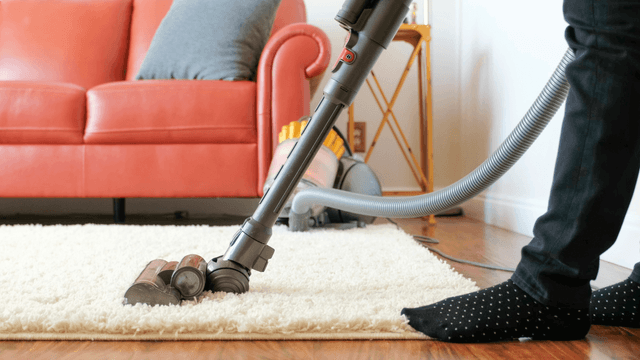
Three Reasons Why Your Vacuum Cleaner's Motor Isn't Working
Find out three common reasons why your vacuum cleaner motor is not working—seized bearings in the suction or brushroll motor, or damaged motor brushes—and how to check and address each issue.
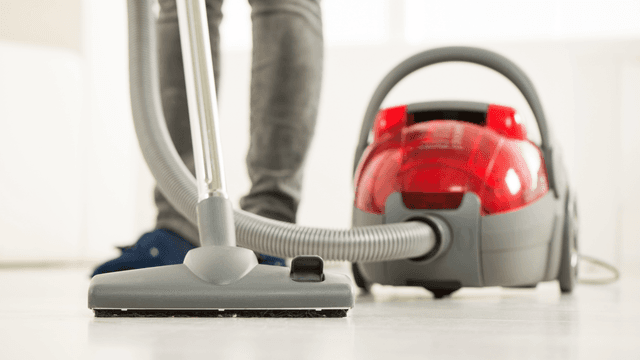
How It Works: Vacuum Cleaner
Learn how a vacuum cleaner creates suction using a motor-driven fan to draw air and debris through filters or bags and into a canister or bag for collection based on fundamental pressure differences and airflow design.




Family-owned and operated since 1912, Burke America Parts Group is the longest-running genuine appliance, HVAC, and outdoor power equipment parts solution in North America. At Repair Clinic, we're proud to be an international brand trusted by the pros as well as the DIY community.
About Repair Clinic