


 Price Match Guarantee
LG Vacuum Cleaner Shaft Replacement
Find the right part faster
Multiple models matched. Select your model to confirm fit.



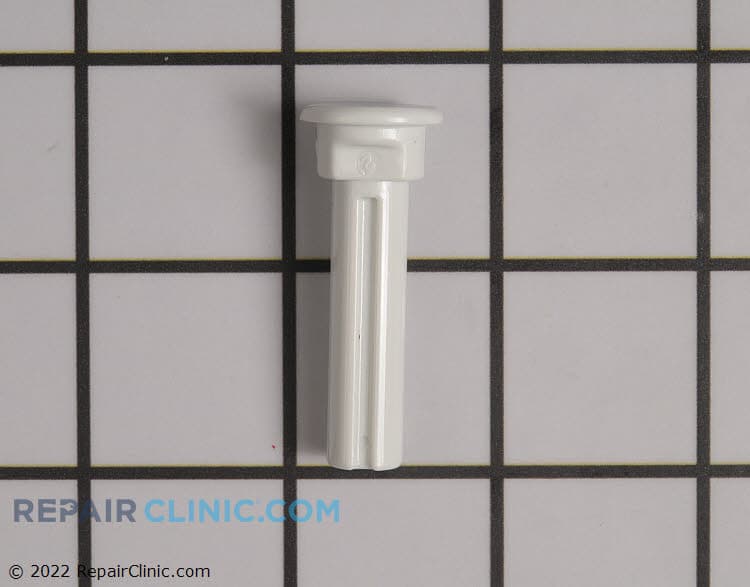
Shaft


Reliable LG Vacuum Cleaner Shaft Replacement with OEM Parts
Maintaining your LG vacuum cleaner's performance is crucial, and a worn or damaged shaft can hinder its efficiency. At Repair Clinic, we offer genuine OEM LG vacuum cleaner shaft replacements, ensuring a precise fit and helping to maintain your manufacturer's warranty. Our extensive inventory of vacuum cleaner parts online includes original spare parts for LG models, enabling seamless vacuum cleaner repair. A malfunctioning vacuum cleaner shaft can lead to issues such as brush roll not spinning or poor suction power. By choosing our replacement vacuum cleaner parts, you can address these problems effectively. Explore our replacement parts online to restore your vacuum's functionality. For seamless operation, considering replacement for other components like LG fastener parts can further extend the life of your appliance.
FAQs about LG Vacuum Cleaner Shaft Replacement
If you're looking to repair your LG vacuum cleaner, understanding the importance of replacing or maintaining its shaft is essential. This component is vital for maintaining the vacuum's optimal performance.
How do I know if my LG vacuum cleaner shaft needs replacing?
Signs of a worn shaft include unusual noises, reduced suction, or difficulty in rolling the vacuum smoothly. Inspect for visible wear or bending, which could affect performance.
How can I replace the shaft in my LG vacuum cleaner?
Replacing the shaft involves disassembling specific vacuum parts. Always follow the manufacturer's guidelines. If unsure, consult a professional or refer to Repair Clinic’s online resources for guidance.
Where can I purchase LG vacuum cleaner replacement parts?
Purchase genuine LG vacuum cleaner parts through Repair Clinic for guaranteed compatibility and quality. Our platform offers fast shipping and price matching on OEM parts.
For other LG vacuum cleaner parts like power cords, visit Repair Clinic.
Order LG Vacuum Cleaner Shaft Replacement Online
Finding original LG vacuum cleaner shaft replacements is essential for optimal performance and durability. Whether you're a homeowner or a professional technician, sourcing the right shaft parts is convenient with online ordering. Utilize model or part number lookup to ensure compatibility with your vacuum. Enjoy the benefits of same-day shipping, ensuring your replacement parts arrive promptly. Our no-hassle 365-day returns and price match policy ensure you get the best deal without any stress. A common issue with vacuum shafts is wear and tear, which can affect rotation and efficiency. Replacing the damaged parts can restore your vacuum's functionality quickly. Visit our LG Vacuum Cleaner Power Cord Parts page for related repairs. Repair Clinic helps you confidently tackle vacuum cleaner repairs with our extensive resources. Discover more tips on Vacuum Cleaner Repair Help for DIY guidance.
Guide to Finding Vacuum Cleaner Model Numbers
When searching for replacement parts for your LG vacuum cleaner, the model number is essential. This number, typically located on a label or tag on the rear or bottom of your vacuum, allows you to easily order replacement shafts and other essential components online. Verifying this number ensures you purchase the correct vacuum cleaner parts needed for repairs. Whether your vacuum requires a new shaft or other replacement parts, finding the model number expedites the process and guarantees compatibility with your machine. For more on LG vacuum cleaner fastener parts, visit the LG Fastener Parts page.

Contact Us for Expert Help with Vacuum Cleaner Parts
At Repair Clinic, we prioritize finding the perfect vacuum cleaner parts for your needs. Whether you're searching online for replacement vacuum cleaner parts, repair tools, or original LG vacuum parts, our dedicated support team is available seven days a week to guide you. Easily look up your vacuum's model or part number to find what you need effortlessly. Enjoy our friendly live chat for immediate troubleshooting help and discover the ease of ordering genuine OEM parts backed by our price match. If you encounter issues like a non-working motor, continually breaking belt, or brush roll not spinning, we provide expert advice. Don't hesitate to Contact Us with any questions. Repair Clinic empowers homeowners and professionals with no-hassle 365-day returns and helpful resources. You can confidently fix your equipment in no time.
Related Articles: Vacuum Cleaner Repair
How It Works: Vacuum Cleaner
Learn how a vacuum cleaner creates suction using a motor-driven fan to draw air and debris through filters or bags and into a canister or bag for collection based on fundamental pressure differences and airflow design.

5 Reasons Why Your Vacuum Cleaner Has Lost Its Suction
Find out the five most common causes of lost suction in your vacuum cleaner and how to troubleshoot each from clogged filters and full bags to blockages, fan obstructions, or a failing blower motor.
Three Reasons Why Your Vacuum Cleaner’s Motor Isn’t Working
Find out three common reasons why your vacuum cleaner motor is not working—seized bearings in the suction or brushroll motor, or damaged motor brushes—and how to check and address each issue.




Family-owned and operated since 1912, Burke America Parts Group is the longest-running genuine appliance, HVAC, and outdoor power equipment parts solution in North America. At Repair Clinic, we're proud to be an international brand trusted by the pros as well as the DIY community.
About Repair Clinic