


 Price Match Guarantee
Whirlpool Vacuum Cleaner Gasket & Seal Parts
Find the right part faster
Multiple models matched. Select your model to confirm fit.




Seal, vac switch
Seal, cleanout cover
Seal, diffuser
``o`` ring
Gasket, 1-3/4``
Seal, overload
Gasket
Seal, motor (top)
RC Item #554896
Gasket
RC Item #554495
Gasket
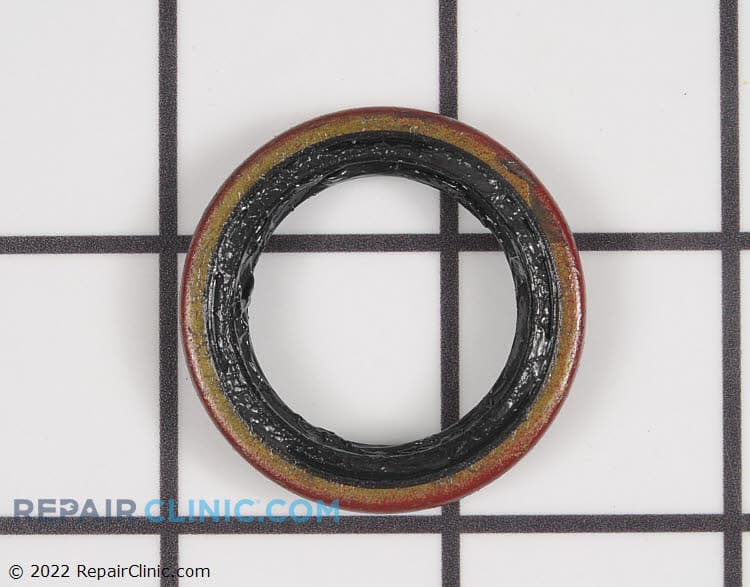
Oil seal
Gasket
Gasket
Gasket
Lid gasket


Reliable Whirlpool Vacuum Gasket & Seal Parts
To ensure that your Whirlpool vacuum cleaner operates at its best, using genuine OEM gasket and seal parts is crucial. These parts maintain the manufacturer's warranty and provide an exact fit tailored to your specific model number. Genuine Whirlpool gaskets and seals prevent air leaks, which can severely impact suction and overall cleaning performance. If you suspect that your vacuum cleaner's seals are worn out, it's essential to inspect and replace them to restore full functionality. Check out our range of genuine Whirlpool vacuum cleaner gasket and seal parts available from Repair Clinic. You can also explore our extensive selection of replacement parts online to find exactly what you need.
Find Replacement Whirlpool Vacuum Cleaner Gasket & Seal Parts Online by Model or Part Number
Popular Whirlpool Vacuum Cleaner Models
Related Whirlpool Vacuum Cleaner Gasket & Seal Parts
FAQs about Whirlpool Vacuum Cleaner Gasket & Seal Parts
Explore these frequently asked questions about selecting and replacing Whirlpool vacuum cleaner gasket and seal parts to ensure optimal performance and longevity of your vacuum cleaner.
How can I identify a damaged gasket or seal on my Whirlpool vacuum cleaner?
If your vacuum exhibits reduced suction or airflow, it may have a worn or damaged gasket or seal. Inspect the vacuum for cracks or gaps around seals and gaskets and replace them if needed to restore performance.
What is the cost of replacing a Whirlpool vacuum cleaner gasket or seal?
Replacement gaskets and seals for Whirlpool vacuums can vary in price. Economical options are available at Repair Clinic, where you can find genuine OEM parts at competitive prices. Check our Vacuum Cleaner parts page for details.
Can I replace the gasket or seal on my Whirlpool vacuum cleaner myself?
Yes, replacing a gasket or seal is typically straightforward. Use Repair Clinic's extensive repair resources and genuine parts to guide your DIY repair. Ensure compatibility and consult our resources to confidently replace your Whirlpool vacuum cleaner gaskets and seals.
For additional Whirlpool parts, visit Whirlpool Fastener parts.
Order Whirlpool Vacuum Cleaner Gasket & Seal Parts Online
Ensure the optimal performance of your Whirlpool vacuum cleaner with genuine gasket and seal parts. Finding the right Whirlpool vacuum cleaner gasket seal parts online is crucial for maintaining airtight seals and preventing dust leakage. Enjoy the convenience of same-day shipping on all spare vacuum parts, helping you tackle repairs quickly. Use our model number/part number lookup to easily locate compatible whirlpool vacuum cleaner parts. If a competitor offers a better price, we'll match it. With Repair Clinic's No-Hassle 365-Day Returns, order with confidence. For further guidance on vacuum cleaner repairs, explore our vacuum cleaner troubleshooting guide and our dedicated Whirlpool fastener parts section for additional parts. Let Repair Clinic help you keep your vacuum cleaner running smoothly and efficiently.
Finding Your Vacuum Cleaner’s Model Number for Replacement Parts
To locate your Whirlpool vacuum cleaner's model number, check common areas such as the base, side, or bottom of the unit. The model number is essential for ordering exact replacement parts, like gaskets and seals, ensuring optimal performance and fit. Using the model number, you can easily access a wide range of vacuum cleaner parts online. Repair Clinic offers a user-friendly platform to look up model or part numbers, facilitating hassle-free purchasing with benefits such as price match and 365-day returns. For other Whirlpool vacuum cleaner parts, visit the Whirlpool Vacuum Cleaner Cap, Lid, & Cover Parts page.

Expert Customer Service for Vacuum Cleaner Repairs and Orders
At Repair Clinic, our dedicated customer service team is here to help you find and order genuine OEM vacuum cleaner gasket and seal parts seven days a week. Whether you're a homeowner or a professional technician, you can easily locate the right parts by entering your vacuum's model or part number through our straightforward lookup system. Should you encounter issues like vacuum motor problems, brush roll not spinning, or poor suction, our team offers expert troubleshooting support along with a price match promise on all parts. Enjoy DIY-friendly guides, live chat assistance, and a no-hassle 365-day return policy. Visit our Contact Us page for more information or assistance.
Related Articles: Vacuum Cleaner Repair

New Year’s Appliance Maintenance Resolutions
Learn simple appliance maintenance resolutions to start the New Year right with DIY tips like cleaning your dishwasher spray arm, refrigerating coil upkeep, oven care, and dryer lint vent cleaning.
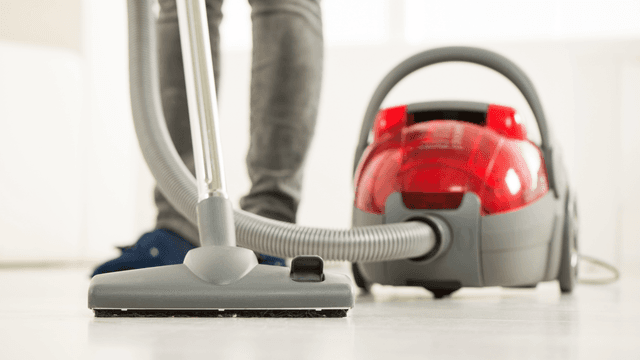
How It Works: Vacuum Cleaner
Learn how a vacuum cleaner creates suction using a motor-driven fan to draw air and debris through filters or bags and into a canister or bag for collection based on fundamental pressure differences and airflow design.

5 Reasons Why Your Vacuum Cleaner Has Lost Its Suction
Find out the five most common causes of lost suction in your vacuum cleaner and how to troubleshoot each from clogged filters and full bags to blockages, fan obstructions, or a failing blower motor.




Family-owned and operated since 1912, Burke America Parts Group is the longest-running genuine appliance, HVAC, and outdoor power equipment parts solution in North America. At Repair Clinic, we're proud to be an international brand trusted by the pros as well as the DIY community.
About Repair Clinic