


 Price Match Guarantee
Husqvarna Lawn Mower Tie Rod Replacement
Find the right part faster
Multiple models matched. Select your model to confirm fit.




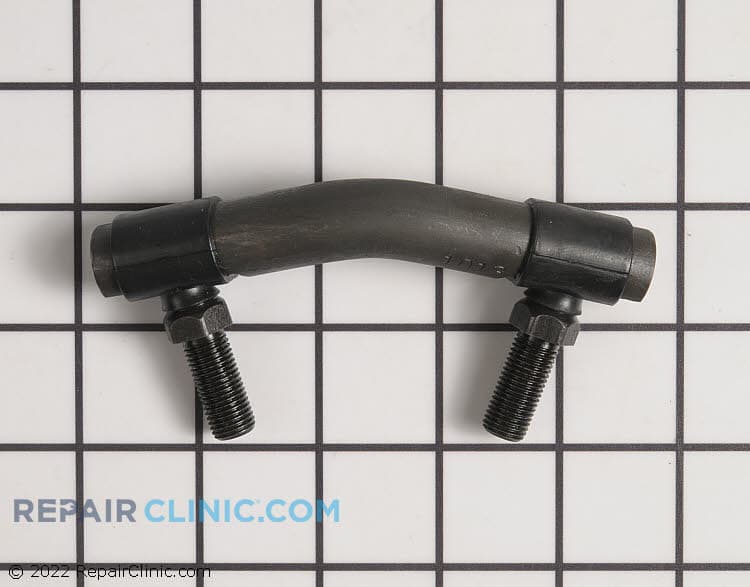
Cross link rod
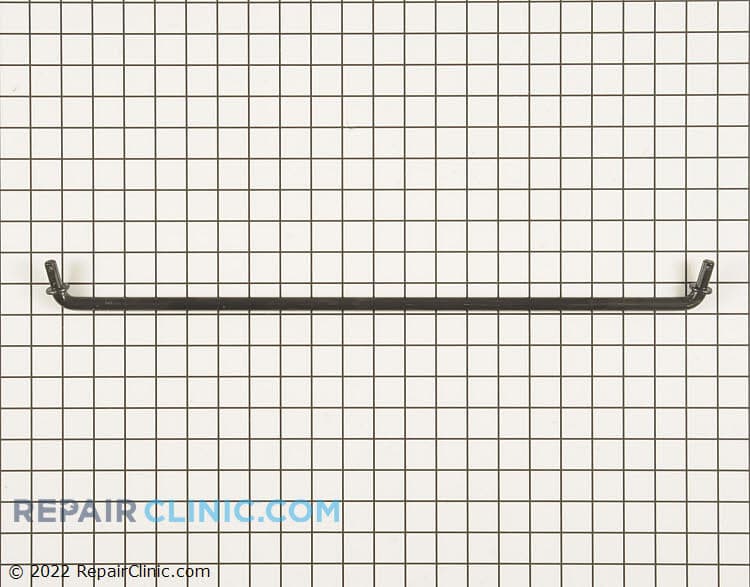
Tie rod
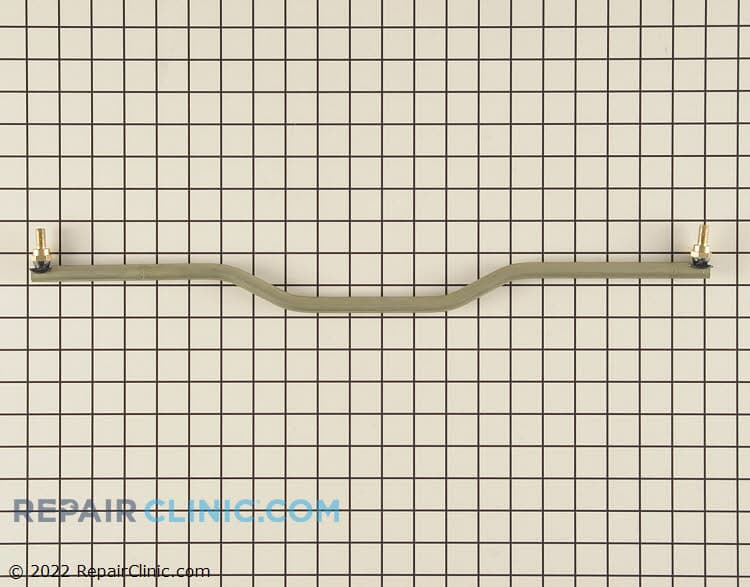
Tie rod


Rod tie
Tie rod
Tie rod
Rod tie
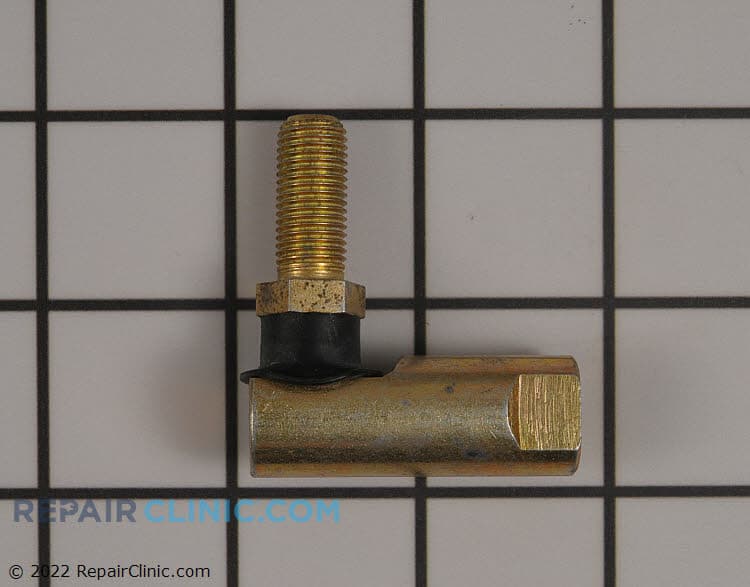
Joint rh
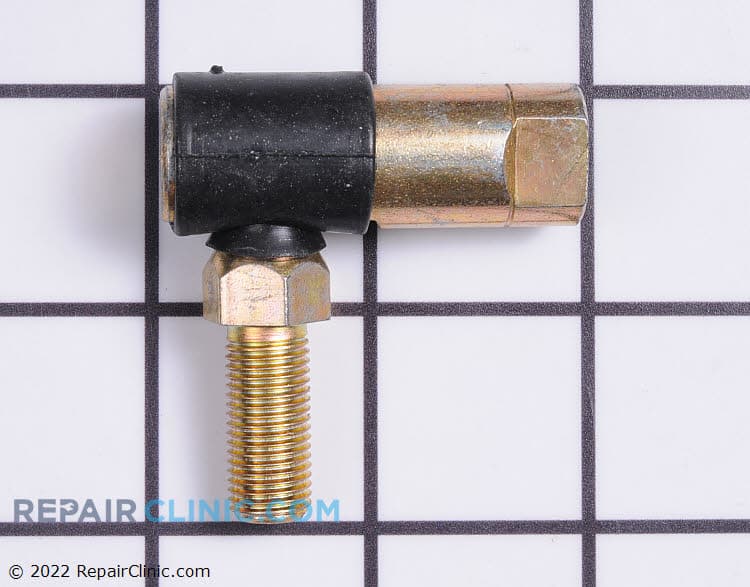
Joint lh
Rod tie
Rod tie


Genuine Husqvarna Lawn Mower Tie Rod Steering Parts
Loose or bent tie rods make your Husqvarna drift, pull to one side, or become difficult to steer—a safety hazard and sign of steering system wear. Repair Clinic supplies OEM tie rods and drag link assemblies engineered to restore precise steering geometry. Exact-fit parts help ensure proper wheel alignment and responsive handling every time you mow.
Find the correct Husqvarna lawn mower steering tie rod parts for your model by entering your equipment number. Genuine OEM parts maintain your mower's structural integrity and keep model-specific fit and performance intact.
- Steering pulls hard to one side: Bent or worn tie rod throwing off wheel alignment
- Excessive play in steering wheel: Loose connections at tie rod ball joints or drag link
- Clunking noise when turning: Worn tie rod ends or missing cotter pins and fasteners
- Uneven tire wear: Misaligned wheels from damaged steering linkage parts
- Steering feels stiff or unresponsive: Corrosion or binding in tie rod assembly connections
Find a Replacement Husqvarna Lawn Mower Tie Rod Online by Model or Part Number
Popular Husqvarna Lawn Mower Tie Rod Models
Husqvarna Lawn Mower Tie Rod & Steering FAQs
How do I tell if my tie rod is bent or just loose?
Park on level ground, turn the steering wheel fully left and right, and listen for clunks. Grab the front wheel and rock it side-to-side. If you feel play and hear noise, the tie rod ball joint is likely worn. A bent tie rod will cause one-sided drift even when steering straight. A Husqvarna steering tie rod that's bent won't correct alignment with tightening alone—replacement is needed.
Can I just tighten my tie rod or does it need replacement?
Tightening helps only if the fasteners are loose. If the ball joint rattles or the rod itself is bent, tightening won't fix the problem—you'll need a new tie rod. Check for cracks or kinks in the rod before assuming it's just loose connections.
What's the easiest way to find the right tie rod for my Husqvarna?
Locate your model number on the frame—usually near the engine or under the seat. Use Repair Clinic's search to pull your parts diagram, which shows the exact tie rod and related steering parts. Some models have left-hand and right-hand versions, so confirm which side you need before ordering.
Do I need to adjust anything after replacing a tie rod?
After installing a new Husqvarna tie rod, check your mower's tracking by mowing in a straight line on level ground. Minor steering drift is normal and often corrects with a simple cotter pin adjustment at the connection points. If drift persists, both tie rods may be worn and need simultaneous replacement for balanced steering.

Order Husqvarna Lawn Mower Tie Rod Replacement Parts Online
Ensure your Husqvarna Lawn Mower remains agile and responsive with genuine OEM tie rod replacement parts from Repair Clinic. Lawn mower tie rods are important for maintaining proper steering alignment and control, which is required for navigating your lawn efficiently. Quickly locate the correct tie rod for your specific Husqvarna model using our model number lookup tool. Benefit from our same-day shipping, No-Hassle 365-Day Returns, and Price Match Guarantee for a reliable shopping experience. Visit our Lawn Mower Repair Help page for expert guidance or find additional Husqvarna Lawn Mower Parts to keep your mower in top condition.
Husqvarna Lawn Mower Model Number: Where to Look
Husqvarna prints the model number on a label or plate in several places, including the frame near the blade deck, under the seat, or on the engine housing. Check these areas for a tag that may also list the product or serial number, then copy the model number exactly as shown. Enter it in the model number search to pull up the parts matched to your unit. The model number filters the full Husqvarna lawn mower catalog, not just steering parts, so you can narrow every associated part category to your specific machine. That means fewer wrong orders and a faster repair.

Online Repair Library for Husqvarna Lawn Mower
Repair Clinic's online repair library gives you the tools to diagnose and fix your Husqvarna Lawn Mower without a service call. Common-symptom articles cover the most likely causes, part testing videos confirm the failed component, and step-by-step written guides walk you through the installation. Use the model number lookup to confirm the exact OEM part, and exploded-view diagrams and wiring illustrations support the more involved jobs.
Related Articles: Lawn Mower Repair

The 5 Ways You Can Stop Your Lawn Mower From Leaking Gas
Repair Clinic has five ways for you to stop your lawn mower from leaking gas. Before we get to those, let's review how the gasoline you pour into the tank powers the mower.

Why Does My Lawn Mower Battery Keep Dying?
Why does your lawn mower battery keep dying? Repair Clinic has done the research and this article will provide some answers, starting with what a battery's purpose is on a gas-powered lawn mower.
Lawn Mower Maintenance: No Smoking Allowed
What's causing that black smoke to billow out of the engine? There are three likely reasons and they are all related to how a gas-powered lawn mower engine operates.




Family-owned and operated since 1912, Burke America Parts Group is the longest-running genuine appliance, HVAC, and outdoor power equipment parts solution in North America. At Repair Clinic, we're proud to be an international brand trusted by the pros as well as the DIY community.
About Repair Clinic