


 Price Match Guarantee
Bolens Lawn Mower Air Filter Replacement
Find the right part faster
Multiple models matched. Select your model to confirm fit.




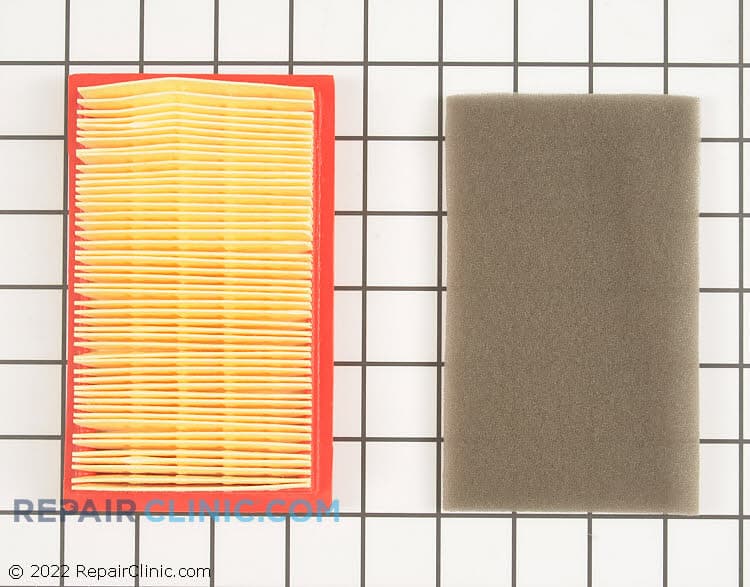
Air filter
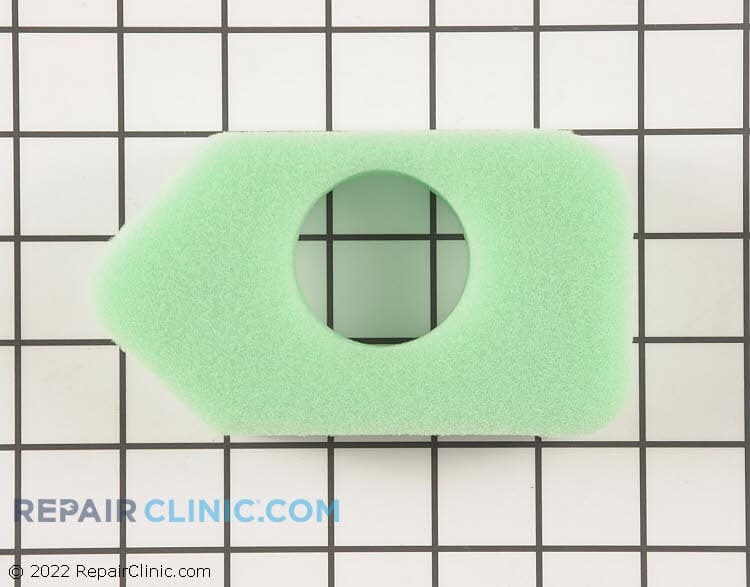
Air filter-briggs
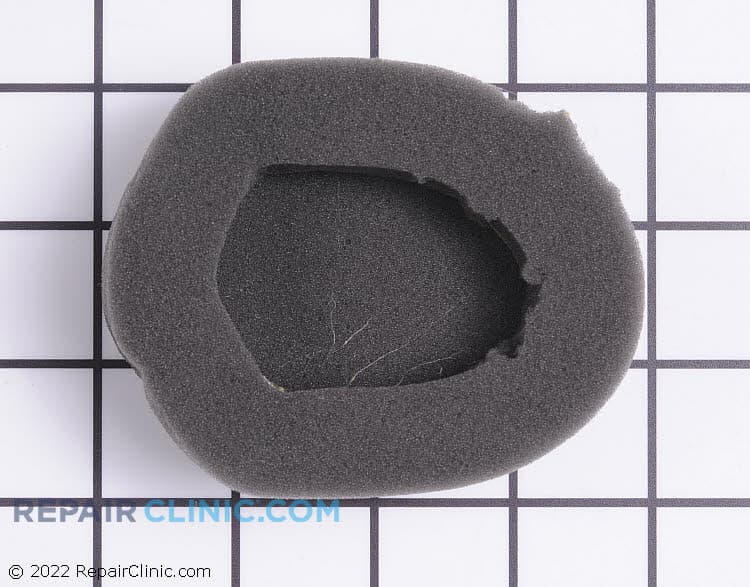
Air cleaner

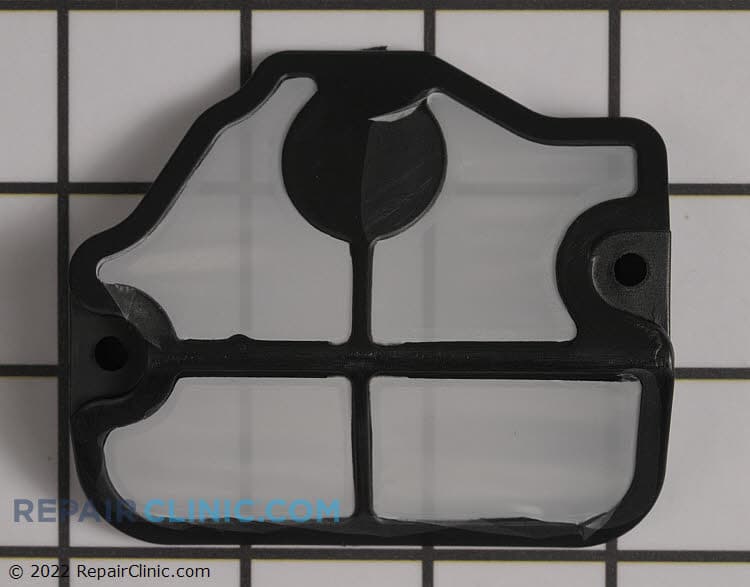
Filter-air (nylon)


OEM Bolens Lawn Mower Air Filter Parts
A clogged air filter forces your Bolens mower's engine to work harder, cutting power and fuel efficiency. Repair Clinic supplies genuine OEM air filters and filter housings that restore clean airflow to your engine's carburetor. Regular replacement keeps your Bolens mower starting easily and running strong throughout the season.
Bolens air filters trap grass clippings, dirt, and debris—over time they restrict the engine's breathing. Our Bolens Lawn Mower air filter parts fit precisely into your mower's intake system, maintaining OEM airflow rates and engine performance.
- Paper air filters – Standard foam or pleated cartridges clogged with dust
- Air filter housings – Cracked or damaged filter covers
- Foam filter elements – Reusable inserts for high-dust conditions
- Filter mounting brackets – Loose or corroded hardware
- Air intake tubes – Cracks allowing unfiltered air into carb
Check your Bolens model number on the deck or engine block to find the correct OEM air filter assembly and housing for your specific mower.
Find a Replacement Bolens Lawn Mower Air Filter Online by Model or Part Number
Bolens Lawn Mower Air Filter FAQs
How often should I replace my Bolens air filter?
Replace your OEM Bolens air filter every 50 hours of mowing or once per season, whichever comes first. If you mow in dusty conditions, check the filter every few weeks. A heavily clogged filter starves the engine of air and causes hard starting, rough idle, and black smoke.
Can I clean and reuse my Bolens air filter instead of replacing it?
Some foam or pleated filters can be gently tapped clean or rinsed in soapy water, then air-dried. Disposable paper filters should be replaced, not cleaned. OEM Bolens filters are designed for single-season use; investing in a fresh filter ensures reliable engine breathing and prevents debris from reaching the carburetor.
What happens if I run my Bolens mower without an air filter?
Unfiltered air carries dust and grass particles directly into the carburetor and engine, causing accelerated wear on pistons and cylinders. You'll see power loss, fouled spark plugs, and shortened engine life. Always use a genuine OEM Bolens air filter—it's one of the cheapest maintenance items and one of the most important.
How do I know if my air filter housing is damaged?
Cracks or loose seals around the filter housing allow unfiltered air to bypass the filter element. Look for dust streaks around the cover or a hissing sound near the filter. Replace your OEM Bolens housing if you see cracks or if it no longer seals tightly to the engine's intake.


Order Bolens Lawn Mower Air Filter Replacement Parts Online
Ensure reliable operation of your Bolens Lawn Mower with genuine OEM air filter replacement parts from Repair Clinic. Air filters are important for maintaining a clean engine, preventing dirt and debris from entering, and ensuring efficient lawn mower operation. Use our model number lookup to find the exact air filter for your Bolens mower. Enjoy fast, same-day shipping, No-Hassle 365-Day Returns, and our Price Match Guarantee for a reliable shopping experience. For installation tips, visit our Lawn Mower Repair Help page or browse our selection of Bolens Lawn Mower Parts for additional options.
Bolens Lawn Mower Model Number: Where to Look
Bolens typically prints the lawn mower model number on a label or metal plate on the mower deck, engine housing, or near the handle. Clean off grass and dirt so you can read every letter, number, and slash accurately, and record the complete model number rather than the engine serial number. Type it into the model number lookup, and the catalog narrows to parts made for your entire mower. This filters the full selection, including maintenance and repair parts, to parts matched to your specific Bolens model. You can work through the repair faster without comparing parts that belong to a different mower.

Stock Up on Bolens Lawn Mower Filters
Regular filter replacement is one of the simplest ways to keep your Bolens Lawn Mower running efficiently. Repair Clinic stocks OEM filters for a wide range of appliances, ready to ship, along with installation videos and part diagrams. Use the model number lookup to confirm the exact filter for your unit, then order a few to keep on hand for scheduled service intervals.
Related Articles: Lawn Mower Repair

The 5 Ways You Can Stop Your Lawn Mower From Leaking Gas
Repair Clinic has five ways for you to stop your lawn mower from leaking gas. Before we get to those, let's review how the gasoline you pour into the tank powers the mower.
Why Does My Lawn Mower Battery Keep Dying?
Why does your lawn mower battery keep dying? Repair Clinic has done the research and this article will provide some answers, starting with what a battery's purpose is on a gas-powered lawn mower.
Lawn Mower Maintenance: No Smoking Allowed
What's causing that black smoke to billow out of the engine? There are three likely reasons and they are all related to how a gas-powered lawn mower engine operates.




Family-owned and operated since 1912, Burke America Parts Group is the longest-running genuine appliance, HVAC, and outdoor power equipment parts solution in North America. At Repair Clinic, we're proud to be an international brand trusted by the pros as well as the DIY community.
About Repair Clinic