


 Price Match Guarantee
Craftsman Lawn Mower Brake Cable Replacement
Find the right part faster
Multiple models matched. Select your model to confirm fit.




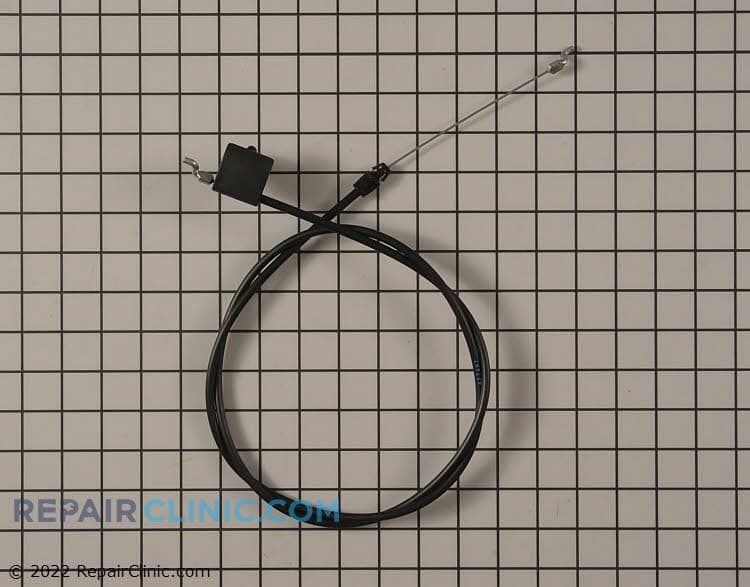
Cable, Engine Zone Control cable
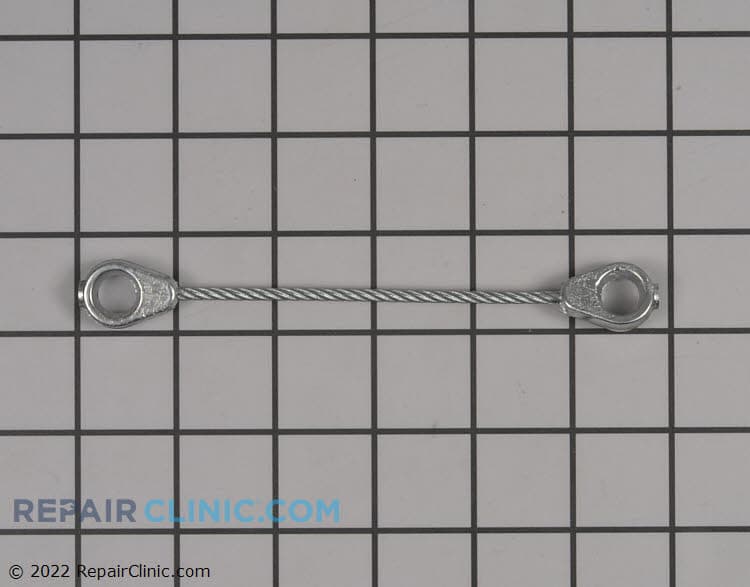
Cable-brake

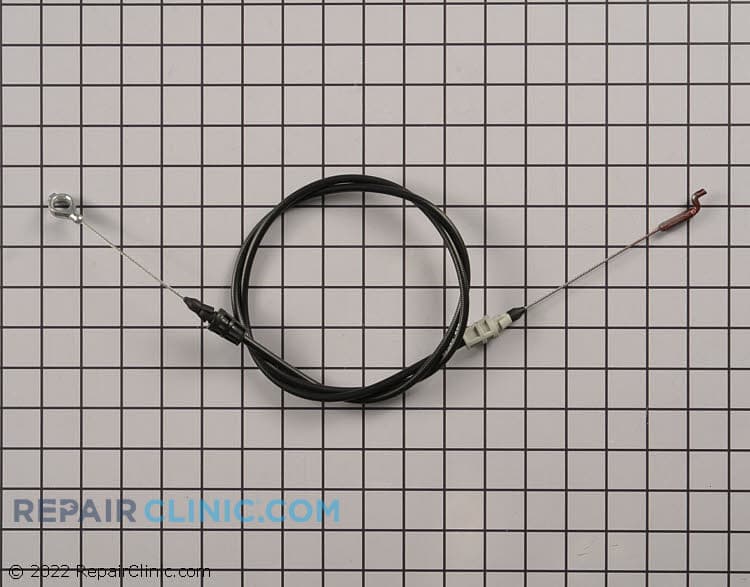
Control cable brake-rh
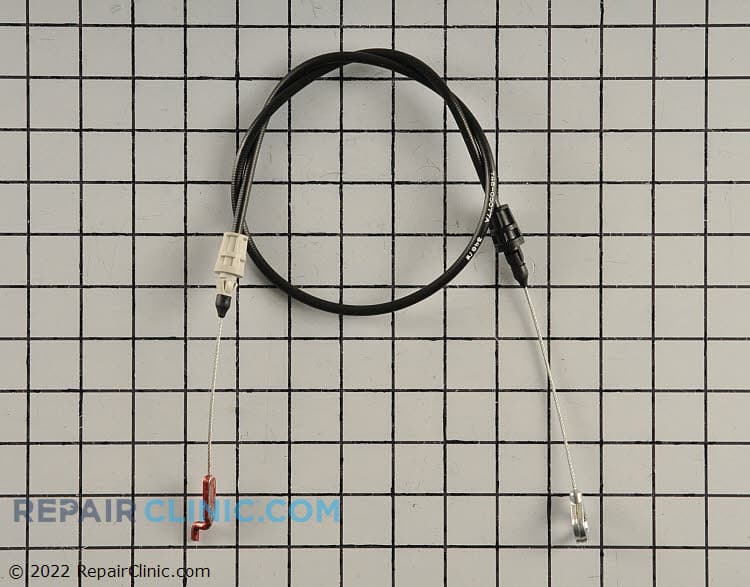
Control cable brake-lh
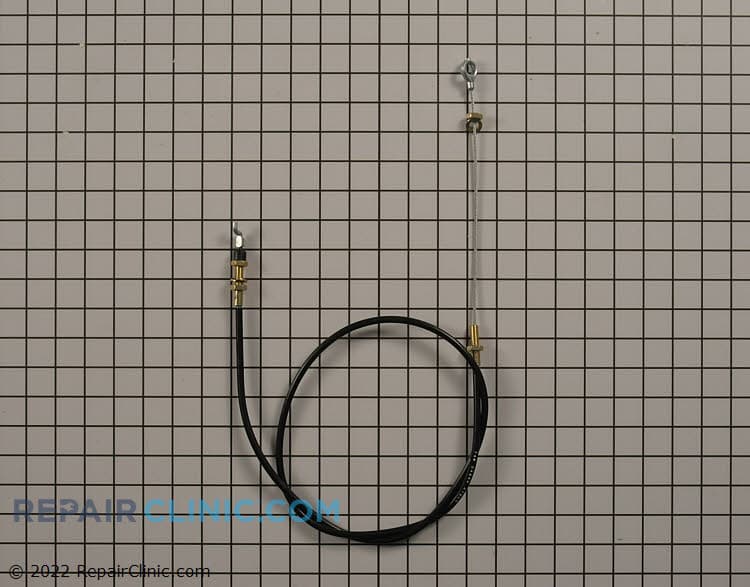
Cable-trans brake rh

2 cycle brake cable
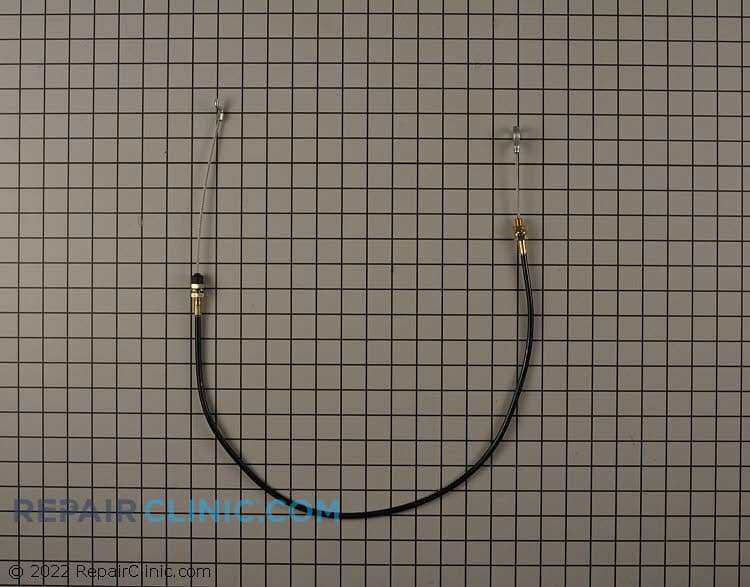
Cable-trans brake lh


Craftsman Lawn Mower Brake & Control Cables
A worn or frayed brake cable is one of the fastest ways to lose safe mower control. Craftsman mowers rely on precise cable tension to engage the blade brake and stop the deck quickly—when that cable snaps or stretches, you're left with a dangerous, uncontrollable machine. Genuine OEM Craftsman cables are engineered to the exact specifications your mower needs, ensuring smooth operation and restoring the safety features you depend on.
We stock the full range of Craftsman lawn mower parts you need this season. Don't compromise on control—weak cables lead to poor performance and injury risk.
- Blade brake cable: Won't engage, blade keeps spinning after release
- Throttle control cable: Rough idle, surging, or difficulty adjusting engine speed
- Clutch engagement cable: Loss of self-propel, jerky transmission response
- Bail arm cable: Loose blade control, safety lever feels spongy
- Discharge chute cable: Deflector won't stay in position
Find a Replacement Craftsman Lawn Mower Brake Cable Online by Model or Part Number
Popular Craftsman Lawn Mower Brake Cable Models
Craftsman Lawn Mower Control Cable Questions
Why does my Craftsman mower's blade keep spinning after I release the handle?
A stretched or broken brake cable is the #1 culprit. The cable should pull the brake lever tight enough to stop blade rotation quickly when you let go. If there's slack or fraying in the cable, the blade won't stop. This is a safety hazard—replace the cable immediately with a genuine Craftsman part to restore proper braking.
How do I know which cable I need for my Craftsman mower?
Locate your mower's model number (usually found on the frame or under the seat) and cross-reference it on our site. Craftsman makes dozens of cable configurations depending on engine type, deck size, and transmission. The right part number matters—don't guess. Use our model lookup tool to match your exact mower.
Can I adjust a loose brake cable instead of replacing it?
You can adjust cable tension at the engine or blade lever connection to tighten it slightly, but if the cable is frayed, kinked, or noticeably stretched, adjustment won't hold. A compromised cable will fail mid-mow. Replacement is safer and more cost-effective than repeated adjustments.
What's the difference between Craftsman control and brake cables?
Brake cables engage the blade stop—critical for safety. Control cables manage throttle speed, self-propel engagement, or chute positioning. Both must be in good condition for your mower to run reliably. A single worn cable can make the whole machine feel unpredictable.
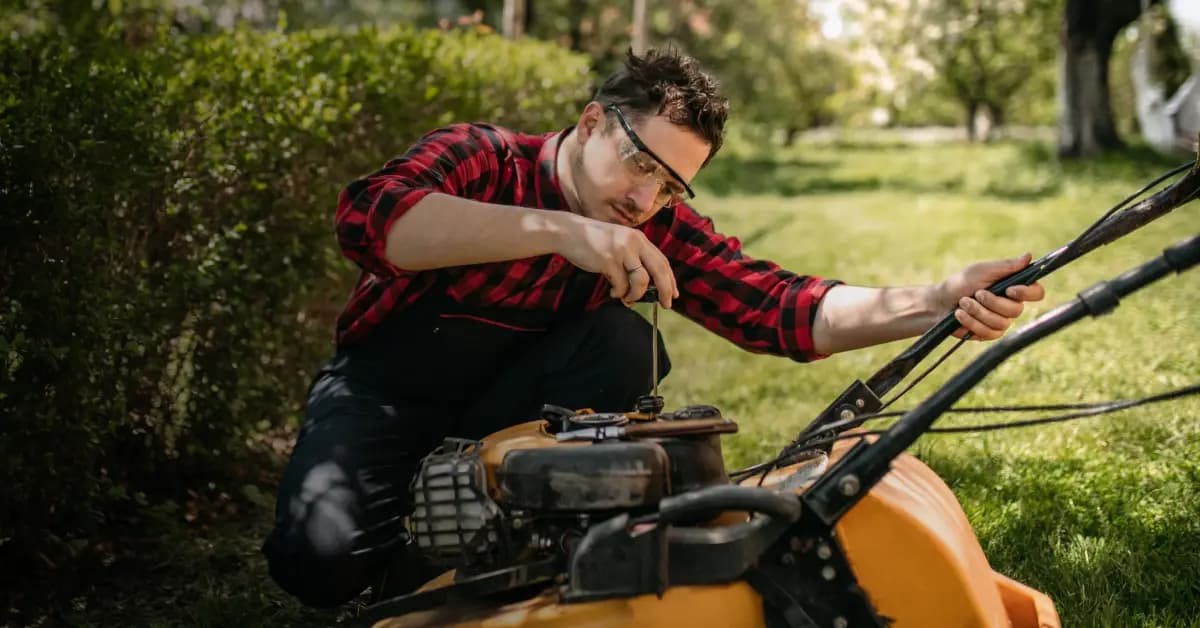
Order Craftsman Lawnmower Brake Cable Replacement Parts Online
Ensure your Craftsman Lawnmower operates safely with genuine OEM brake cable replacement parts from Repair Clinic. Lawn mower brake cables are important to replace because they provide the necessary tension to stop the mower effectively, ensuring operator safety. Use our model number lookup to find the exact brake cable part for your Craftsman mower. Enjoy the convenience of same-day shipping, a No-Hassle 365-Day Returns policy, and our Price Match Guarantee for the best shopping experience. For installation guidance, visit our Lawn Mower Repair Help page or browse other Lawn Mower Switch Parts for additional repair needs.
Craftsman Lawn Mower Model Number: Where to Look
Craftsman prints the model number on a label on many lawn mowers, often on the frame near the blade deck, under the seat, or on the engine housing. Look for a tag or sticker showing the model number, not the serial number, and copy every letter and digit exactly. Enter it in the model number search bar to narrow the complete Craftsman lawn mower parts catalog to parts that fit your specific machine. This model lookup accounts for differences in deck size, engine, and controls, so you can order with confidence knowing the fit is right.

Diagnose and Repair Your Craftsman Lawn Mower Online
Repair Clinic's online resources are built to help you get your Craftsman Lawn Mower back in service without unnecessary trial and error. Start with the diagnostic article for your symptom, watch a repair video that shows the parts and tools involved, then follow the step-by-step written guide as you work. Part testing walkthroughs confirm the failed component, and the model number lookup confirms the exact OEM part before you order.
Related Articles: Lawn Mower Repair

The 5 Ways You Can Stop Your Lawn Mower From Leaking Gas
Repair Clinic has five ways for you to stop your lawn mower from leaking gas. Before we get to those, let's review how the gasoline you pour into the tank powers the mower.
Why Does My Lawn Mower Battery Keep Dying?
Why does your lawn mower battery keep dying? Repair Clinic has done the research and this article will provide some answers, starting with what a battery's purpose is on a gas-powered lawn mower.
Lawn Mower Maintenance: No Smoking Allowed
What's causing that black smoke to billow out of the engine? There are three likely reasons and they are all related to how a gas-powered lawn mower engine operates.




Family-owned and operated since 1912, Burke America Parts Group is the longest-running genuine appliance, HVAC, and outdoor power equipment parts solution in North America. At Repair Clinic, we're proud to be an international brand trusted by the pros as well as the DIY community.
About Repair Clinic