


 Price Match Guarantee
Craftsman Lawn Mower Rear Door Assembly Replacement
Find the right part faster
Multiple models matched. Select your model to confirm fit.



Door.rear.22plus.mb.fgd.safety

Kit door assembly


Rear door kit

Door assembly
Mulch door


OEM Craftsman Lawn Mower Rear Door Assembly Parts
The rear door assembly on your Craftsman mower isn't just cosmetic—it directs clippings safely away from you and your property while containing debris. A cracked or missing door forces you to bag grass manually or risk uneven discharge patterns. Repair Clinic stocks genuine OEM Craftsman rear door assemblies, deflector chutes, and mounting brackets designed to fit your exact model and restore proper discharge function.
Damaged rear doors are common after years of vibration and impact. Get back to clean mowing with Craftsman lawn mower deflector and rear door parts from our OEM collection.
- Rear door assemblies — cracked or missing doors cause uncontrolled clipping discharge, safety issues
- Deflector chutes — bent or broken chutes redirect grass unevenly or into operator path
- Door hinge brackets — worn hinges result in poor door closure, rattling during operation
- Mounting fasteners and clips — loose or missing hardware allows assembly to separate
- Mulch plugs — damaged plugs disrupt airflow and clipping containment
Find a Replacement Craftsman Lawn Mower Rear Door Assembly Online by Model or Part Number
Popular Craftsman Lawn Mower Rear Door Assembly Models
Craftsman Lawn Mower Rear Door Assembly Replacement: Questions & Troubleshooting
The rear discharge system on Craftsman mowers varies by model, but replacement principles are consistent. Here's what you need to know before ordering parts.
How do I know if my Craftsman rear door needs replacement?
Look for visible cracks, dents, or warping. If the door won't latch firmly or hangs open during mowing, the hinges are worn. Clippings spraying sideways or backward (instead of to the right) suggest a bent deflector chute. Any of these warrant a replacement for safe, clean operation.
Is the rear door assembly easy to replace myself?
Yes—most Craftsman rear doors bolt on with four to six fasteners and require no special tools beyond a socket set or screwdrivers. Remove the old assembly, align the new one with mounting holes (sometimes a helper makes this easier), and bolt it down. The entire job takes under 30 minutes.
Do all Craftsman mower rear doors fit the same deck?
No. Craftsman uses different decks and discharge systems across their product line. Always confirm your model number before ordering—a rear door designed for a 42-inch deck won't fit a 50-inch model. Check your mower's frame or engine shroud for the model tag.
Can I buy just the deflector chute, or must I replace the whole door?
Some Craftsman models allow chute replacement separately, but many have the chute molded or welded to the door assembly. Check your parts diagram before ordering; buying the full assembly helps support proper fit and model-specific fit and performance if the chute proves integral to the door.
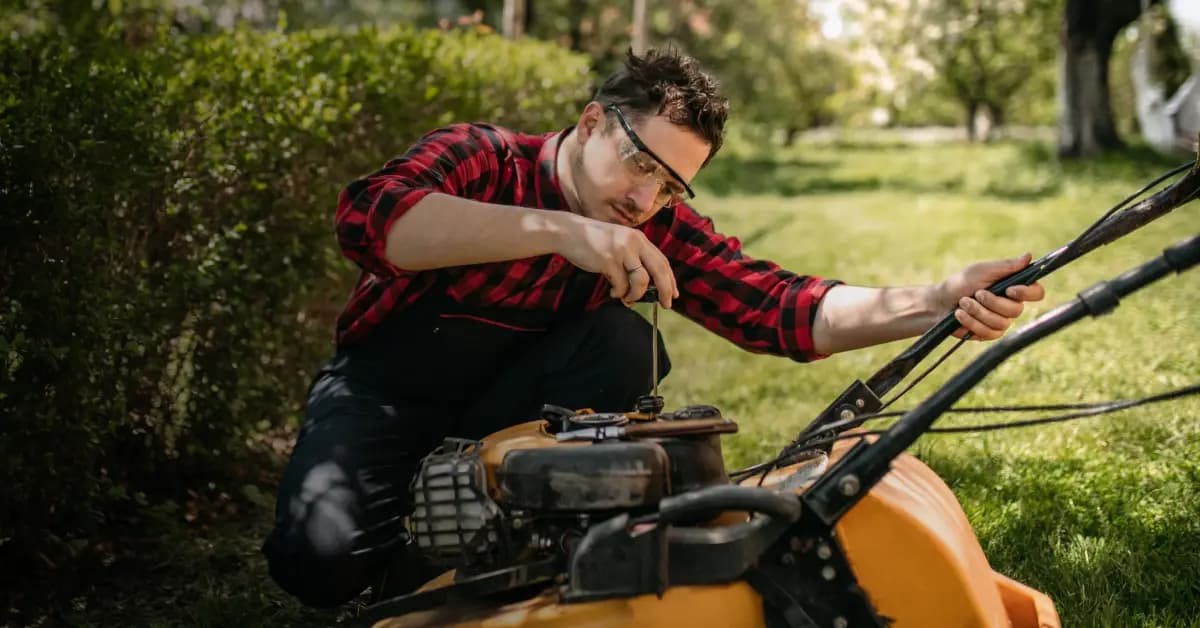

Order Craftsman Lawn Mower Rear Door Assembly Replacement Parts Online
Ensure your Craftsman Lawn Mower operates efficiently with genuine OEM rear door assembly replacement parts from Repair Clinic. Replacing the rear door assembly is key for maintaining safety and functional grass collection, preventing debris from exiting the mower. Use our model number lookup to find the precise part for your Craftsman mower, and take advantage of our same-day shipping, 365-day returns, and Price Match Guarantee for a reliable shopping experience. For installation guidance, visit our Lawn Mower Repair Help page. Find additional Craftsman Lawn Mower Parts to keep your equipment running right.
Craftsman Lawn Mower Model Number: Where to Look
On Craftsman lawn mowers, look for a model number label or metal plate on the frame near the blade deck, under the seat, or on the engine housing. If grass or dirt covers the tag, clean it gently so every letter and number is readable. Enter that complete number in the search bar to narrow the catalog to parts made for your exact Craftsman mower, across all associated part categories. This model lookup keeps you from sorting through mismatched assemblies and hardware. You get a fast, accurate match and can order with confidence.

Diagnose and Repair Your Craftsman Lawn Mower Online
Repair Clinic's online resources are built to help you get your Craftsman Lawn Mower back in service without unnecessary trial and error. Start with the diagnostic article for your symptom, watch a repair video that shows the parts and tools involved, then follow the step-by-step written guide as you work. Part testing walkthroughs confirm the failed component, and the model number lookup confirms the exact OEM part before you order.
Related Articles: Lawn Mower Repair

The 5 Ways You Can Stop Your Lawn Mower From Leaking Gas
Repair Clinic has five ways for you to stop your lawn mower from leaking gas. Before we get to those, let's review how the gasoline you pour into the tank powers the mower.
Why Does My Lawn Mower Battery Keep Dying?
Why does your lawn mower battery keep dying? Repair Clinic has done the research and this article will provide some answers, starting with what a battery's purpose is on a gas-powered lawn mower.
Lawn Mower Maintenance: No Smoking Allowed
What's causing that black smoke to billow out of the engine? There are three likely reasons and they are all related to how a gas-powered lawn mower engine operates.




Family-owned and operated since 1912, Burke America Parts Group is the longest-running genuine appliance, HVAC, and outdoor power equipment parts solution in North America. At Repair Clinic, we're proud to be an international brand trusted by the pros as well as the DIY community.
About Repair Clinic