


 Price Match Guarantee
Craftsman Lawn Mower Pedal Parts
Find the right part faster
Multiple models matched. Select your model to confirm fit.




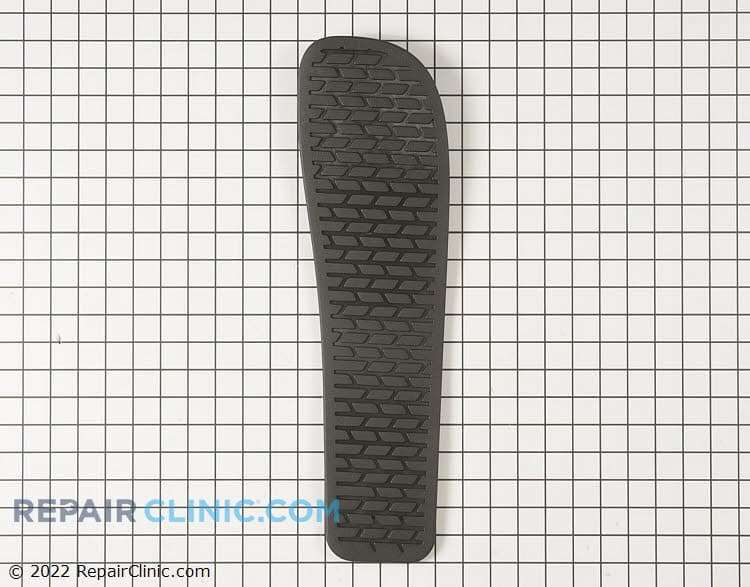
Pad footrest right black
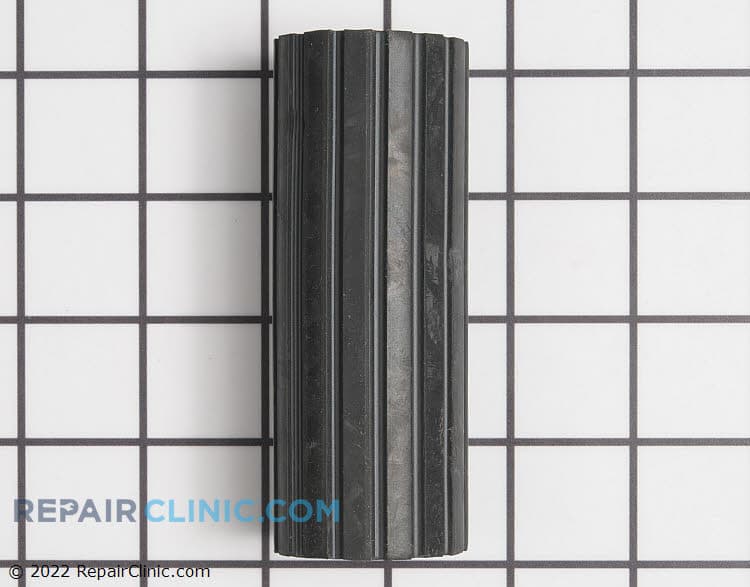
Pad.foot.ped

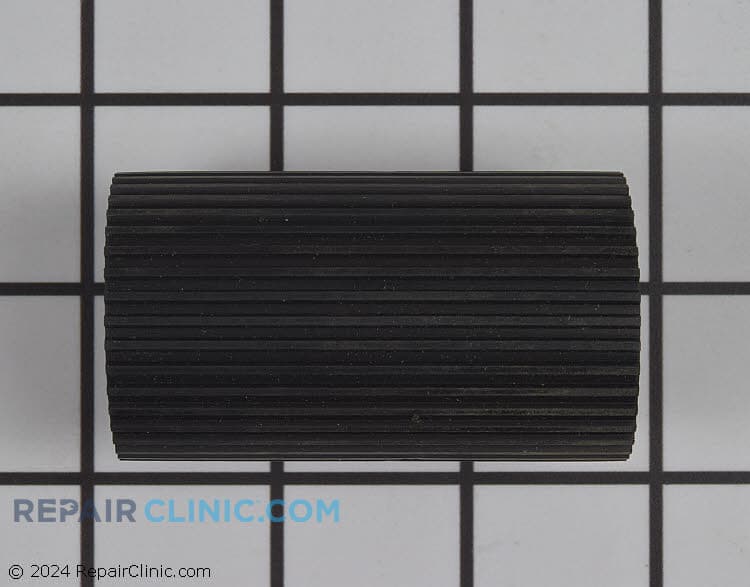
Pad-foot 2.5 lg
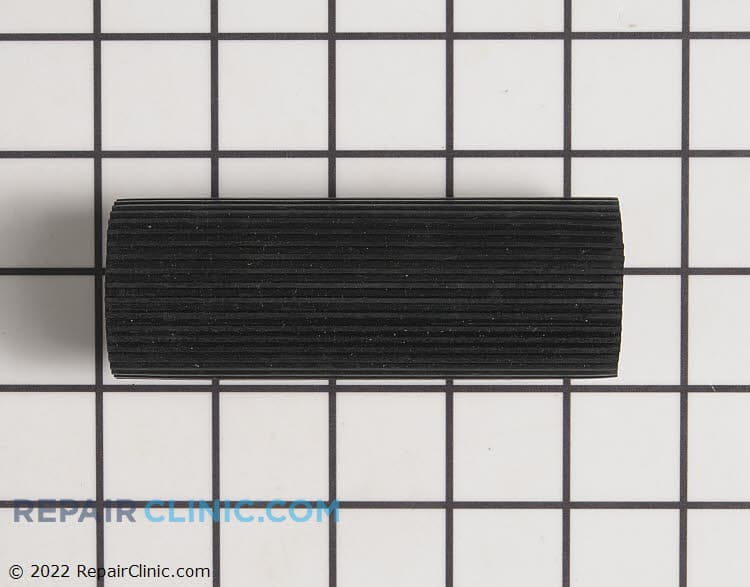
Rubber pad, foot pedal
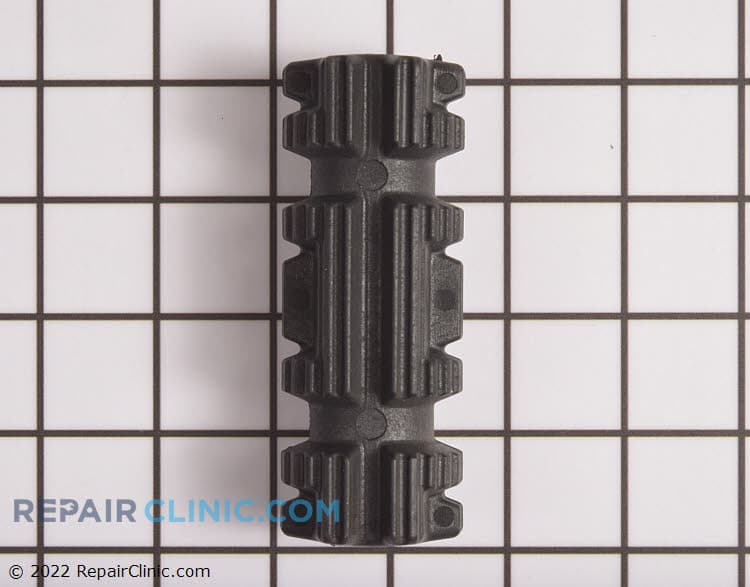
Pad-brake pedal
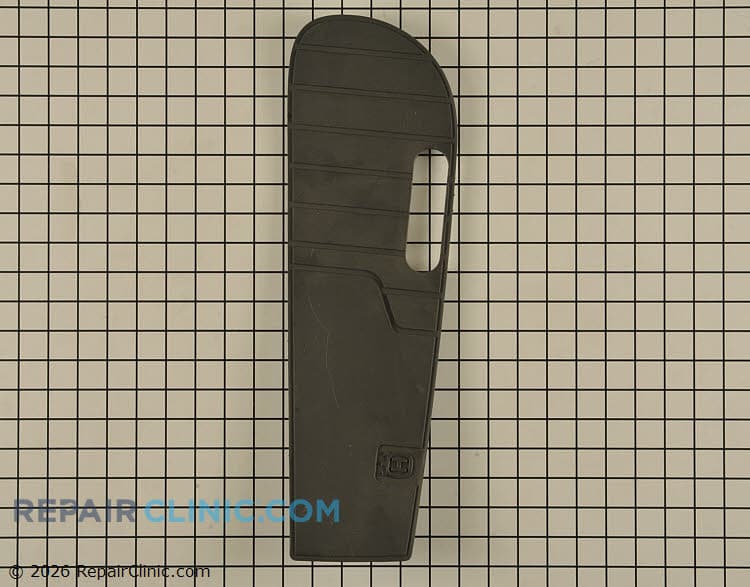
Pad.ftrst.rh.pch.ergo.lt.498
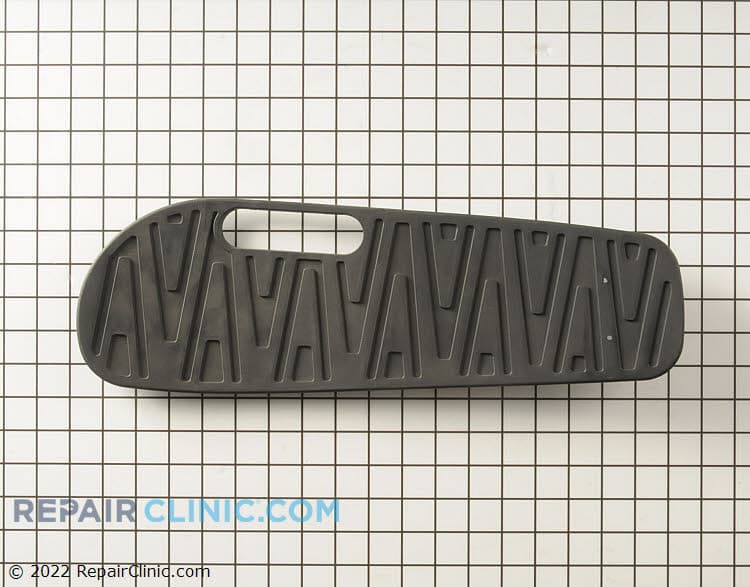
Right side foot pad
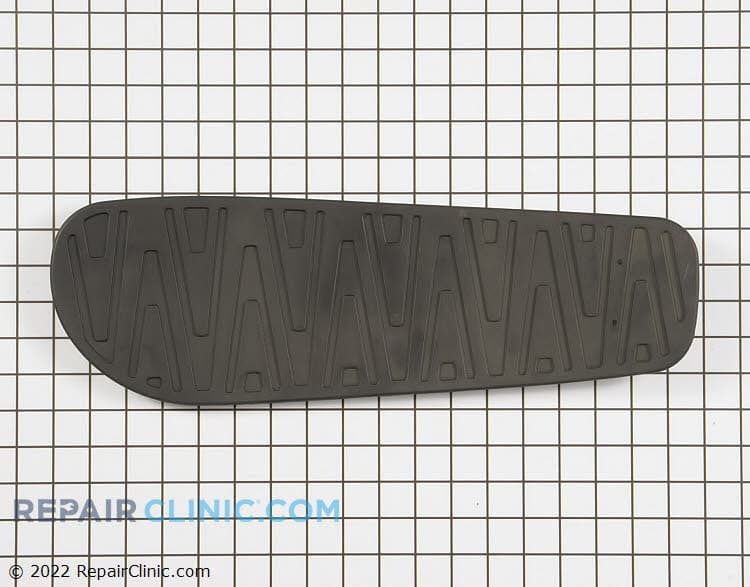
Left side foot pad
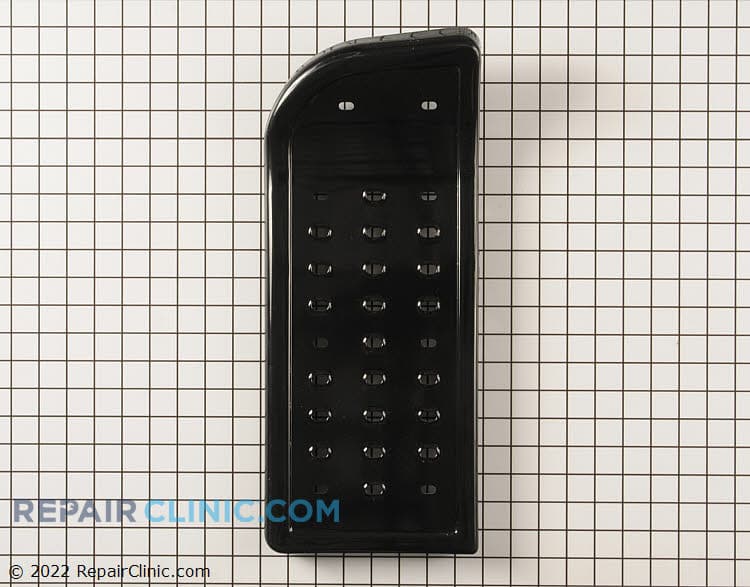
Footrest LH Black
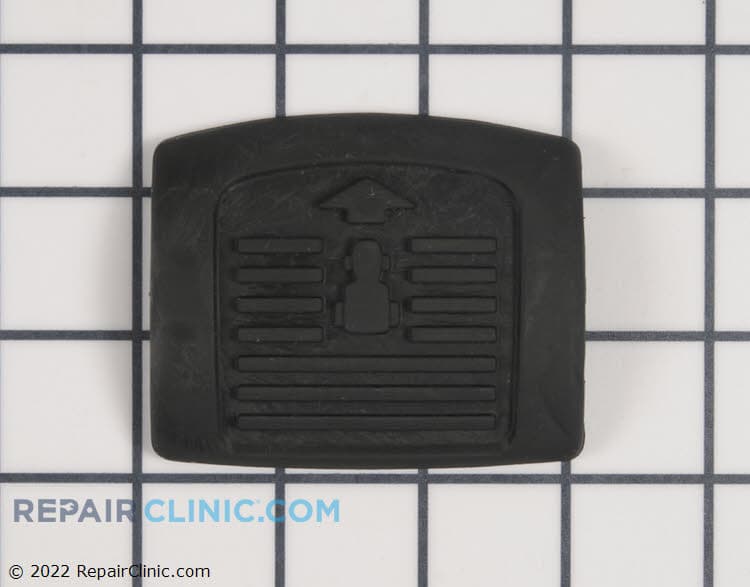
Pedal.forward.pad.tex
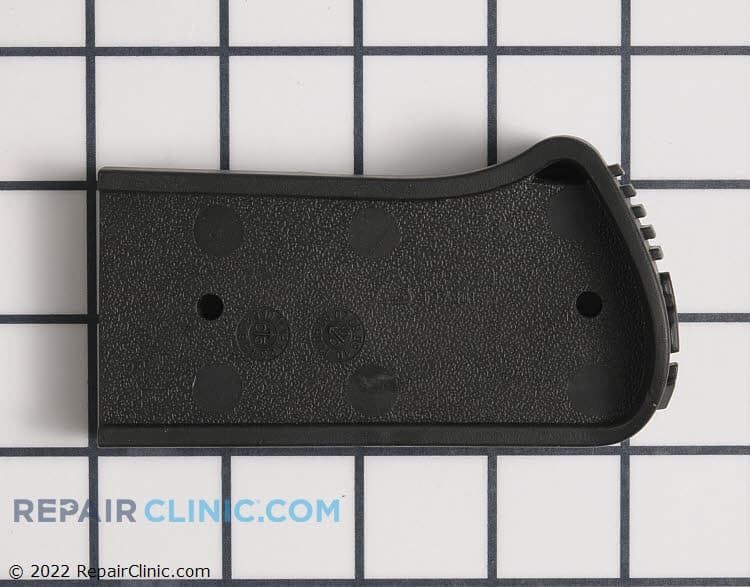
Reverse pedal
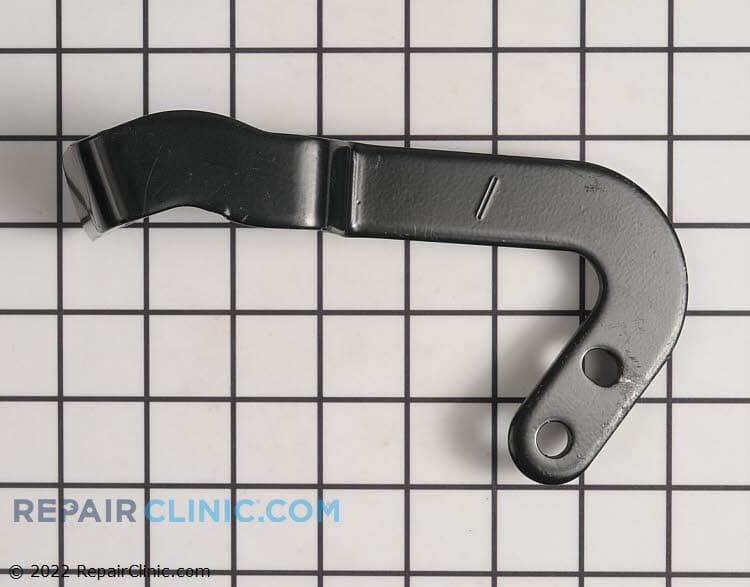
Pedal
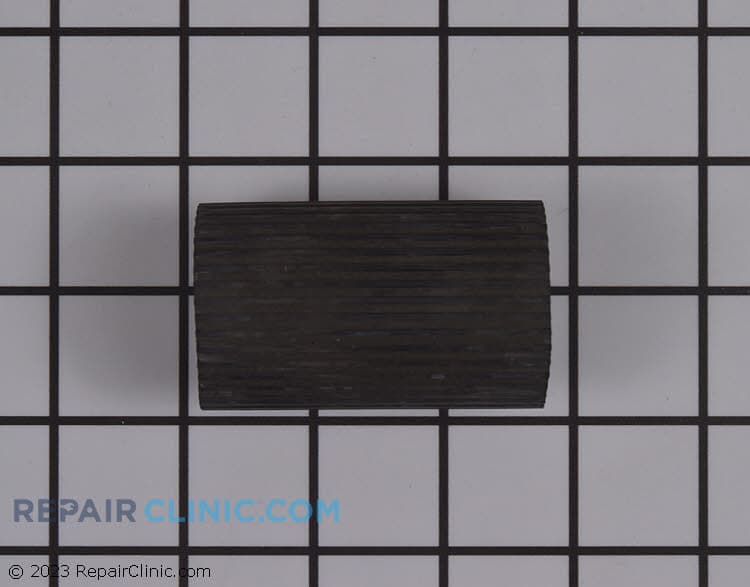
Pad-foot 2.5 lg
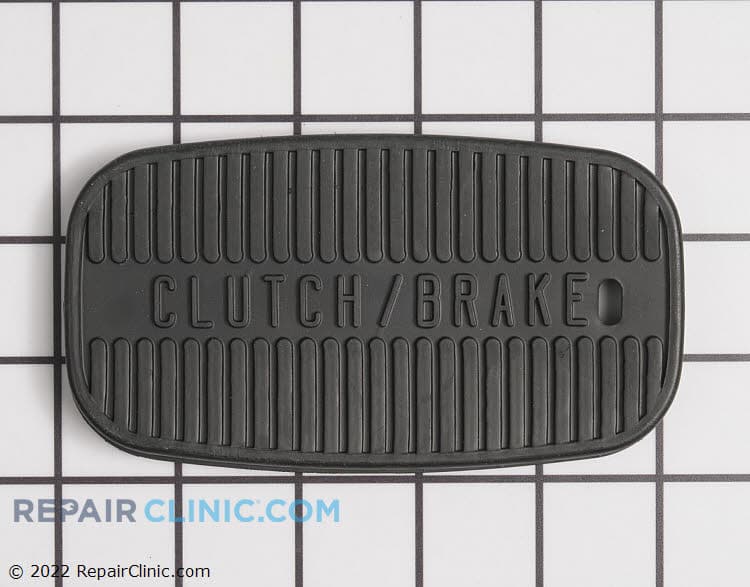
Pad pedal
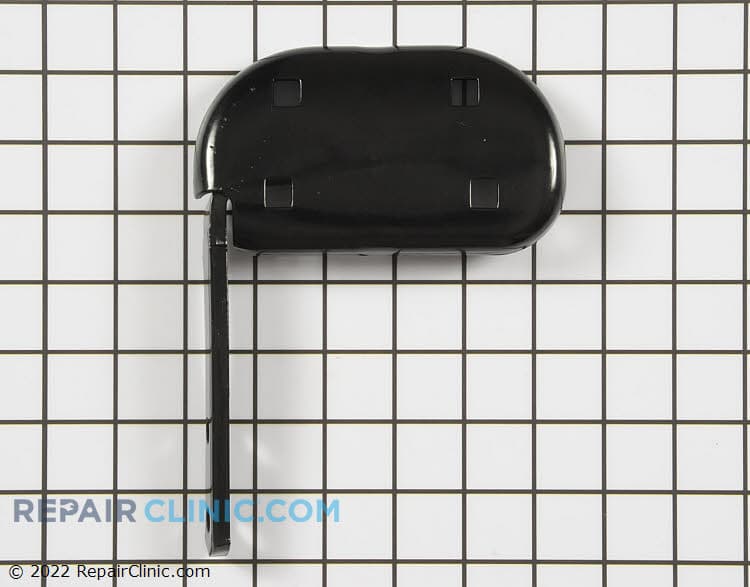
Pedal assembly-aut


Craftsman Lawn Mower Pedal Parts for Smooth Operation
Your Craftsman lawn mower's pedals control speed, braking, and engagement—and when they wear out or crack, mowing becomes difficult or unsafe. Repair Clinic stocks genuine OEM Craftsman lawn mower parts including foot pedals, pedal brackets, and control linkages built to match your exact model specifications and restore full control.
Summer's peak mowing season waits for no one. Don't limp through with a loose, missing, or unresponsive pedal—replace it now with the genuine part engineered for your machine.
- Worn foot pedals — slipping underfoot, cracked rubber, or loose mounting
- Broken pedal brackets — bent metal supports affecting engagement
- Sticky or frozen pedals — dirt buildup or corroded linkage joints
- Missing pedal springs — loss of return tension or control
- Throttle/blade pedal failure — unresponsive acceleration or blade engagement
Find Replacement Craftsman Lawn Mower Pedal Parts Online by Model or Part Number
Popular Craftsman Lawn Mower Models
Craftsman Lawn Mower Pedal Parts FAQ
What pedal parts does my Craftsman lawn mower actually need?
Craftsman mowers use different pedal assemblies depending on model—foot pedals for blade engagement, self-propel clutch pedals for drive systems, and sometimes separate throttle controls. Your pedal kit may include the foot platform, bracket, spring, linkage rod, and fasteners. Check your model number on the deck or frame to confirm the exact part assembly.
How do I find my Craftsman lawn mower model number for the correct pedal?
Look for a metal or decal model tag on the frame side, underneath the seat, or on the deck itself. It's usually a 6–8 digit number (example: 917.374521). Write it down and search Repair Clinic's database—we'll match it to your specific pedal assembly, spring type, and mounting hardware so you get the right fit, not a close guess.
Can a loose or cracked pedal damage other mower parts?
Absolutely. A worn pedal can misalign your clutch linkage, straining cables and causing premature belt wear. A cracked platform may catch and bend the mounting bracket, affecting blade or drive engagement. Replacing pedal parts early prevents cascading failures and keeps repair costs down.
Why choose OEM Craftsman pedal parts over aftermarket?
Genuine OEM parts fit perfectly, support proper fit and performance, and last. Aftermarket pedals often have looser tolerances, poor spring tension, or incompatible mounting holes—leaving you frustrated mid-season. Repair Clinic's Craftsman parts are manufacturer-backed for durability and peace of mind.
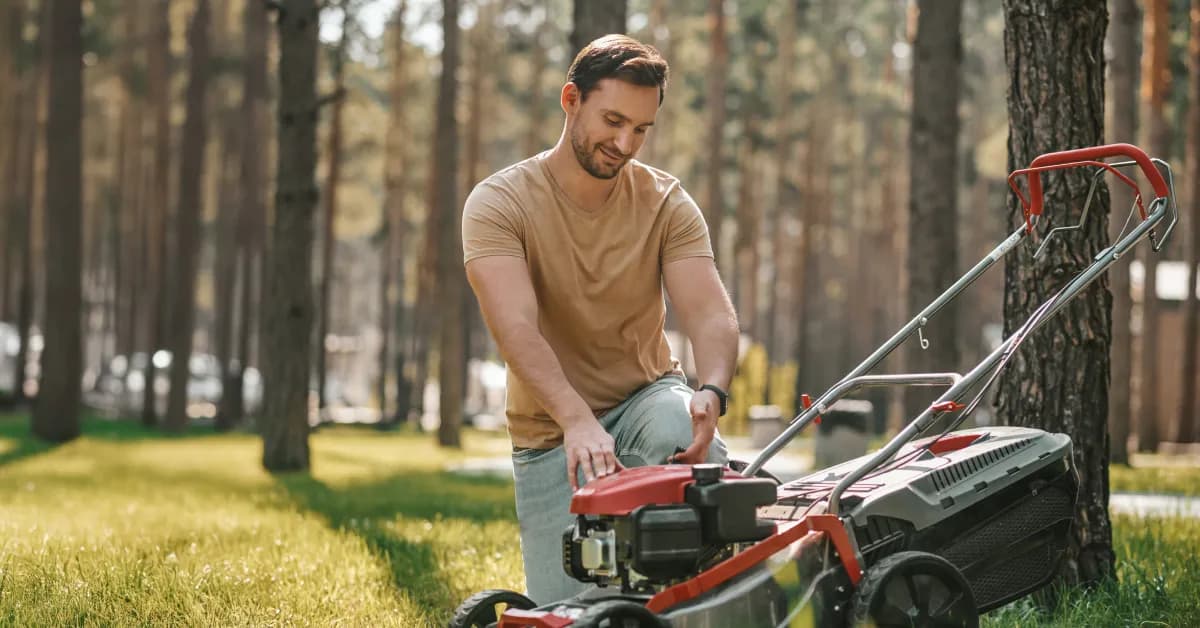
Order Craftsman Lawn Mower Pedal Replacement Parts Online
Maintain your Craftsman Lawn Mower's efficiency with genuine pedal replacement parts from Repair Clinic. Lawn mower pedals are important for controlling speed and direction, so keeping them in top condition is essential. Easily find the right part using our model number lookup tool. Enjoy the convenience of same-day shipping, No-Hassle 365-Day Returns, and our Price Match Guarantee for a reliable shopping experience. For help with installation, visit our Lawn Mower Repair Help page. Find related Craftsman Lawn Mower Parts for more repair solutions.
Craftsman Lawn Mower Model Number: Where to Look
Craftsman prints the model number on a decal or metal tag along the mower's frame side, under the seat, or on the deck. Look for a string of numbers and letters, often beginning with 917 or 247, and copy it exactly. Type it into our model number lookup and the catalog narrows to parts made for your unit, across every part category. Using the whole mower's model number helps match the complete parts selection to your Craftsman machine instead of relying on a pedal description or a visual guess. That means fewer wrong orders and a faster repair.

Craftsman Lawn Mower Online Repair Guides, Videos, and Diagrams
Diagnosing a Craftsman Lawn Mower problem is easier when you have the right online reference material. Repair Clinic's video library, written repair guides, symptom articles, part testing walkthroughs, and exploded-view diagrams work together to guide you from the symptom to the correct part. Model number lookup confirms the exact OEM replacement so you order right the first time.
Related Articles: Lawn Mower Repair

The 5 Ways You Can Stop Your Lawn Mower From Leaking Gas
Repair Clinic has five ways for you to stop your lawn mower from leaking gas. Before we get to those, let's review how the gasoline you pour into the tank powers the mower.
Why Does My Lawn Mower Battery Keep Dying?
Why does your lawn mower battery keep dying? Repair Clinic has done the research and this article will provide some answers, starting with what a battery's purpose is on a gas-powered lawn mower.
Lawn Mower Maintenance: No Smoking Allowed
What's causing that black smoke to billow out of the engine? There are three likely reasons and they are all related to how a gas-powered lawn mower engine operates.




Family-owned and operated since 1912, Burke America Parts Group is the longest-running genuine appliance, HVAC, and outdoor power equipment parts solution in North America. At Repair Clinic, we're proud to be an international brand trusted by the pros as well as the DIY community.
About Repair Clinic