


 Price Match Guarantee
Craftsman Lawn Mower Shear Pin Parts
Find the right part faster
Multiple models matched. Select your model to confirm fit.




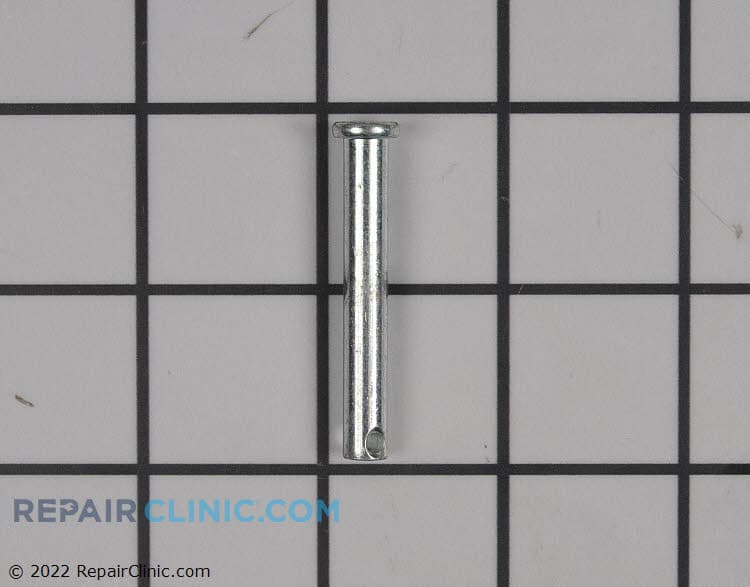
Shear pin
RC Item #2912168
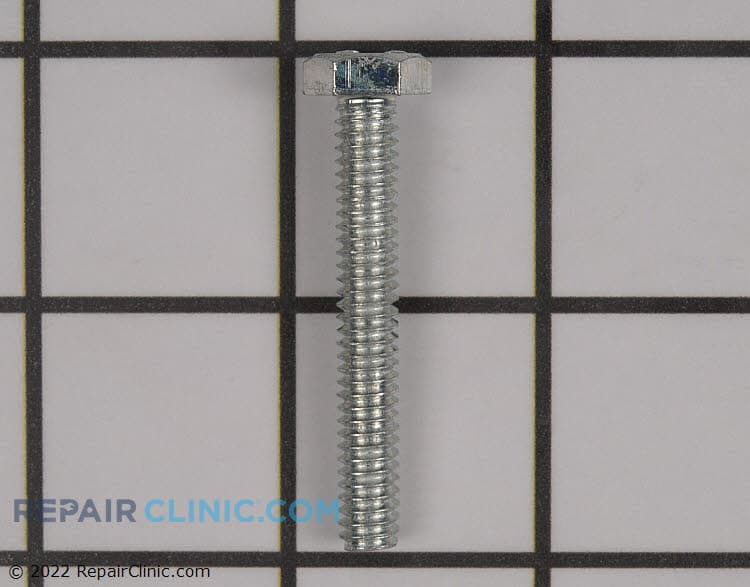
Shear bolt 1/4-20 x 1 3/4"
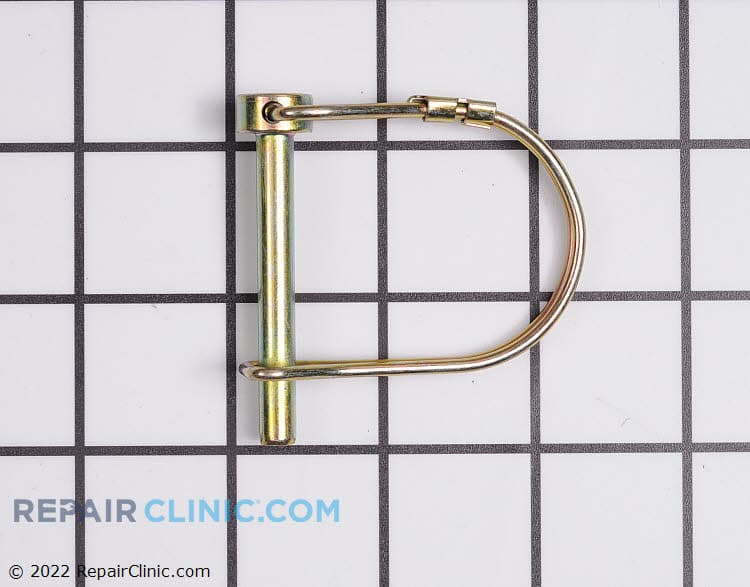
Self locking shear pin

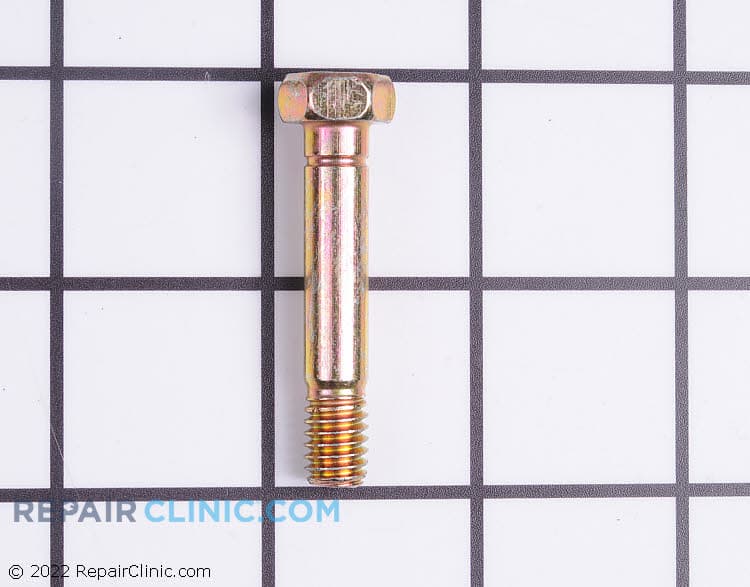
Shear bolt. Replace the locking nut when replacing the shear bolt. See related item for the correct locking nut.


OEM Craftsman Lawn Mower Shear Pin Replacements
Shear pins are engineered safety devices that break intentionally when your blade strikes dense debris, protecting the spindle, transmission, and crankshaft from catastrophic damage. Craftsman mowers rely on these small but critical fasteners to absorb impact loads that would otherwise destroy expensive engine parts.
Keep genuine Craftsman shear pins on hand—they're inexpensive insurance. When your mower hits a rock or roots, the pin breaks cleanly, and you simply install a replacement. Using correct OEM shear pins ensures your mower stops the blade safely every time, maintaining model-specific fit and performance and equipment integrity.
- Blade won't disengage after impact: Shear pin failed to break, spindle jammed
- Repeated pin breakage: Debris-heavy cutting area, worn spindle bearings
- Using wrong pin type: Incorrect load rating, blade continues rotating
- Bent or corroded pin: Weakened integrity, premature failure on next impact
- No spare pins available: Mower stuck mid-job, extended downtime
Find Replacement Craftsman Lawn Mower Shear Pin Parts Online by Model or Part Number
Popular Craftsman Lawn Mower Models
Craftsman Lawn Mower Shear Pin FAQs
Why does my shear pin keep breaking?
Repeated breakage signals either a debris-heavy mowing area (rocks, roots, branches) or worn spindle bearings creating excessive drag. Inspect your spindle assembly for wobble or noise. If the mower works fine and you're just hitting tough terrain, breaking pins is normal—stock several OEM replacements and keep them accessible during yard work.
What's the correct shear pin for my Craftsman model?
Craftsman models use varying pin diameters and load ratings depending on blade size and engine power. Don't guess—enter your model number in our finder tool, and we'll confirm the exact pin type. Using an undersized or oversized pin compromises safety and may can create compatibility or performance problems.
Can I replace the shear pin myself?
Yes. With the mower off and cooled, remove the bolt securing the blade/spindle assembly, slide out the broken pin, insert the new OEM pin, and reinstall the bolt. Most replacements take under 5 minutes. Always ensure the pin seats fully and the bolt is tight before restarting.
Should I use grade-8 bolts instead of shear pins?
No. Shear pins are designed to fail safely; hard bolts won't break and will transmit impact directly to the spindle, transmission, or crankshaft, causing expensive damage. Always use genuine Craftsman shear pins rated for your mower.
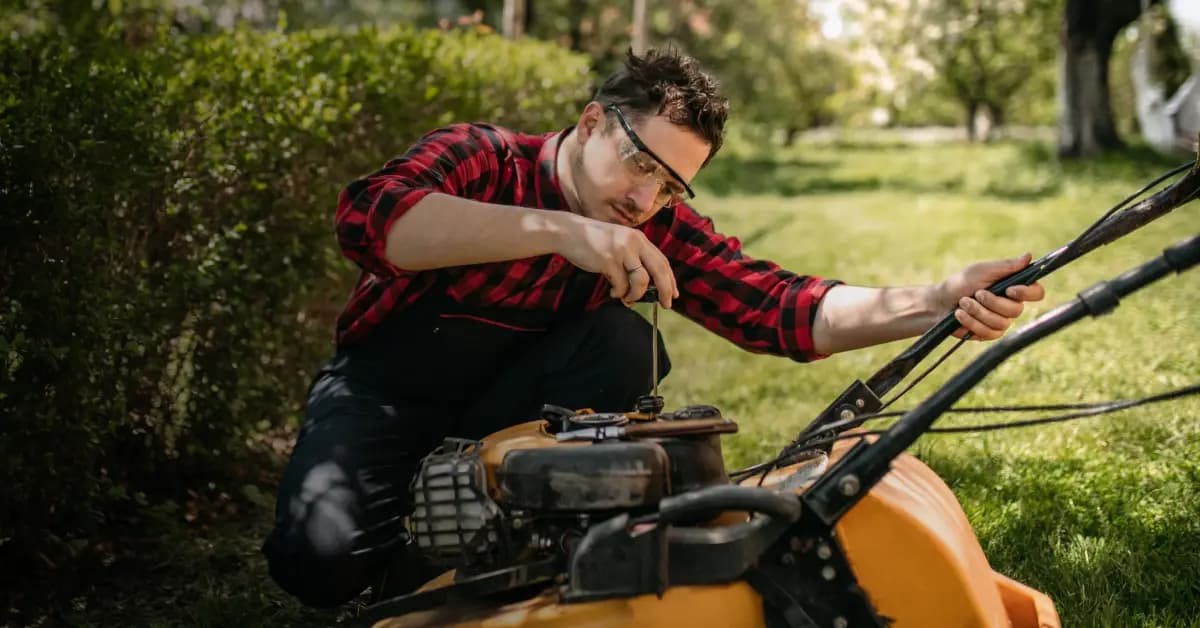
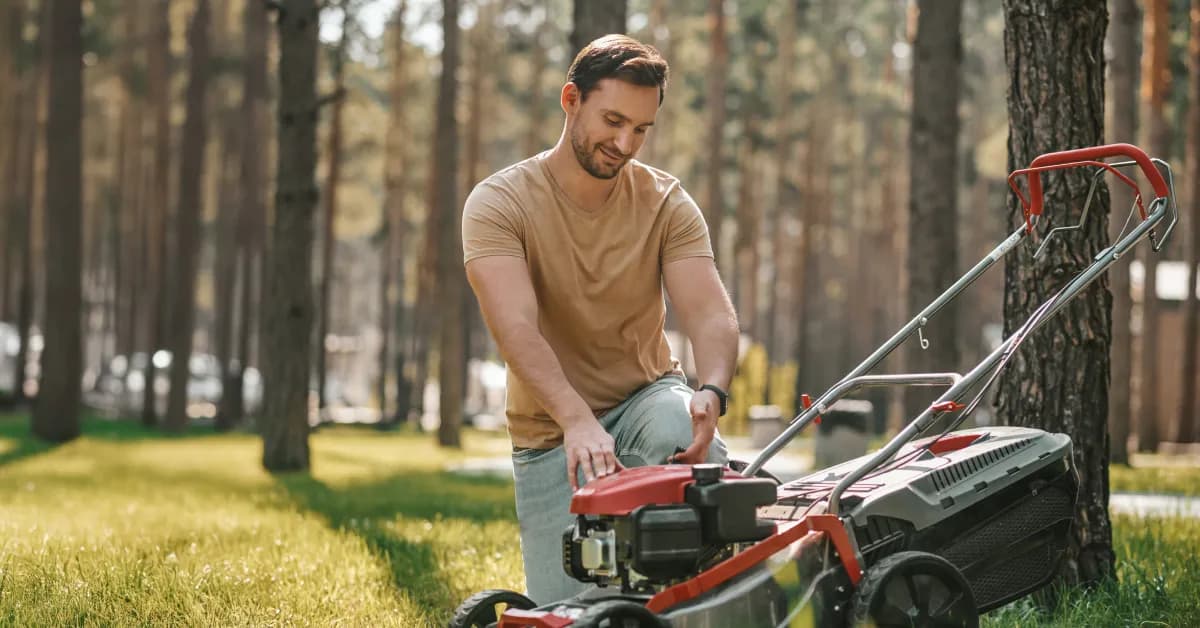
Order Craftsman Lawn Mower Shear Pin Parts Online
Secure your Craftsman Lawn Mower's performance with genuine OEM shear pin replacement parts from Repair Clinic. Lawn mower shear pins are important to replace as they protect the mower's drivetrain by breaking if the blades hit a hard object, preventing further damage. Easily find compatible parts using our model number lookup, and enjoy benefits like same-day shipping and a Price Match Guarantee. For installation help, browse our Lawn Mower Repair Help section. Find more options by visiting our selection of Lawn Mower Shear Pin Parts.
Craftsman Lawn Mower Model Number: Where to Look
Craftsman prints the model number on a label attached to the mower frame near the blade deck, though some models list it on the engine housing or beneath the seat. Look for a string of numbers and letters, and copy it exactly, including any dots or spaces. Enter that number in the search bar to filter the complete Craftsman lawn mower parts catalog to parts made for your specific mower. The model number identifies the whole unit, so it helps match everything from engine and deck parts to controls and hardware. Using it before you shop helps avoid comparing parts meant for similar-looking mowers and gets you an accurate match faster.

Repair and Troubleshooting Support for Craftsman Lawn Mower
Repair Clinic's online repair library is built to support Craftsman Lawn Mower owners and technicians through every stage of the fix. Symptom-based articles narrow the likely cause, part testing videos verify the failing component, and step-by-step repair guides cover the installation with photos and video. Use the model number lookup to confirm the exact OEM part, and wiring diagrams back you up on the more technical steps.
Related Articles: Lawn Mower Repair

The 5 Ways You Can Stop Your Lawn Mower From Leaking Gas
Repair Clinic has five ways for you to stop your lawn mower from leaking gas. Before we get to those, let's review how the gasoline you pour into the tank powers the mower.
Why Does My Lawn Mower Battery Keep Dying?
Why does your lawn mower battery keep dying? Repair Clinic has done the research and this article will provide some answers, starting with what a battery's purpose is on a gas-powered lawn mower.
Lawn Mower Maintenance: No Smoking Allowed
What's causing that black smoke to billow out of the engine? There are three likely reasons and they are all related to how a gas-powered lawn mower engine operates.




Family-owned and operated since 1912, Burke America Parts Group is the longest-running genuine appliance, HVAC, and outdoor power equipment parts solution in North America. At Repair Clinic, we're proud to be an international brand trusted by the pros as well as the DIY community.
About Repair Clinic