


 Price Match Guarantee
Craftsman Lawn Mower Power Cord Parts
Find the right part faster
Multiple models matched. Select your model to confirm fit.
RC Item #1658948




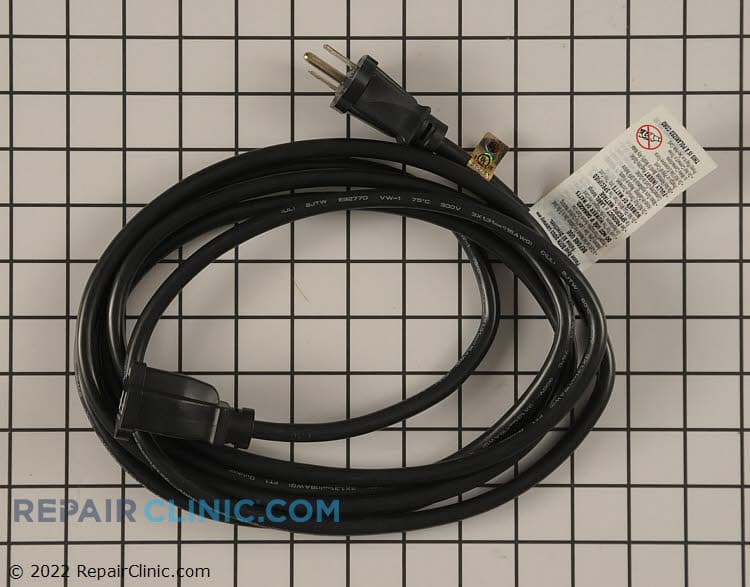
Electrical extension cord

Cord/10''/14-2sj


Power cord assembly
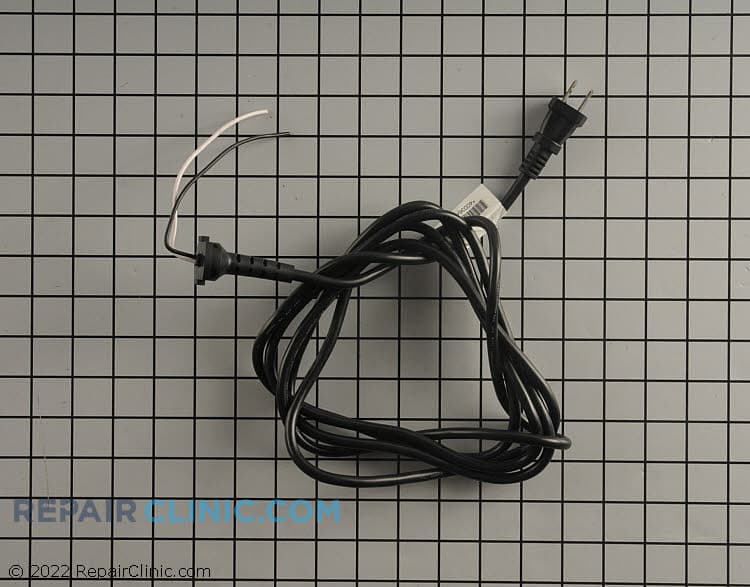
Cord/10ft./18-2
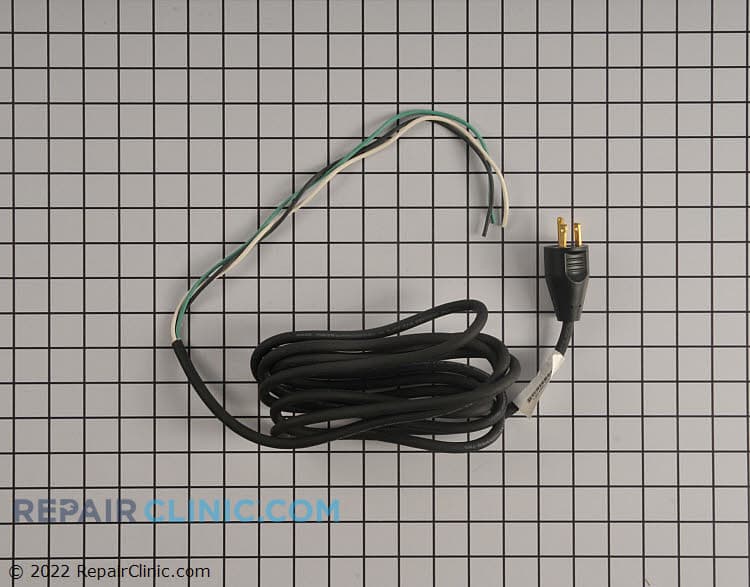
10 ft power cord
Cord power


OEM Craftsman Lawn Mower Power Cord Parts
If you own an electric Craftsman lawn mower, the power cord is your lifeline—delivering safe, reliable power from outlet to motor. Damaged cords with cuts, fraying, or exposed wires create electrocution and safety risks. Repair Clinic provides genuine OEM Craftsman power cord assemblies, connectors, and replacement cords engineered to handle the amp load and durability demands of lawn mowing.
A compromised cord can't be safely patched or spliced; it must be replaced with an exact OEM match to protect you and your equipment. Our Craftsman power cord parts restore full electrical safety and performance without compatibility surprises.
- Visible cuts, cracks, or exposed conductors — electrocution and fire risk
- Frayed or split cord jacket — degradation and moisture entry
- Loose or corroded connector pins — intermittent power loss
- Damaged plug prongs or housing — unsafe connection to outlet
- Cord won't fully unwind or coil — internal wire breaks or insulation damage
Check your Craftsman mower's model number and order the correct OEM Craftsman lawn mower power cord parts to restore safe operation today.
Find Replacement Craftsman Lawn Mower Power Cord Parts Online by Model or Part Number
Popular Craftsman Lawn Mower Models
Craftsman Lawn Mower Power Cord Parts — Common Questions
Is it safe to repair a damaged power cord with tape or patch kits?
No—electrical codes and equipment safety standards forbid temporary repairs to power cords. Any damage that exposes conductors or compromises insulation requires full cord replacement. Patched cords create shock and safety risks and can create compatibility or performance problems.
What's the difference between a replacement cord and a full power cord assembly?
A cord-only replacement is just the cable. A full assembly includes the cord plus plug prongs and connector housing. For Craftsman mowers, check your parts diagram to see which your model needs—some require the entire assembly, others just the cord section.
How long should a Craftsman lawn mower power cord last?
With proper storage and handling, OEM cords typically last 5–10 years. Exposure to sun, moisture, extreme heat, or being pinched or dragged across pavement accelerates degradation. Store cords loosely (not kinked) in a dry location to maximize lifespan.
Can I use a standard extension cord instead of the OEM Craftsman cord?
No. Lawn mowers draw significant amperage, and extension cords lack the gauge rating and connector safety features of OEM cords. Using the wrong cord risks power loss, motor damage, and electrocution. Always use Craftsman's designed cord assembly.
Order Craftsman Lawn Mower Power Cord Parts Online
Ensure your Craftsman Lawn Mower operates efficiently with genuine OEM power cord parts from Repair Clinic. Replacing worn or damaged power cords is key for maintaining a reliable power supply, ensuring your mower starts and runs smoothly. Easily find the exact power cord part using our model number lookup tool. Enjoy the convenience of same-day shipping, 365-day returns, and a Price Match Guarantee for a reliable online shopping experience. For installation guidance, visit our Lawn Mower Repair Help page or find more Craftsman Lawn Mower Parts to keep your equipment in top condition.
Craftsman Lawn Mower Model Number: Where to Look
On Craftsman lawn mowers, look for the model number on a label or metal plate near the rear of the mower, on the deck or frame, or on the engine housing. Clear away grass and dirt if the label is hard to read, and copy the complete number, including periods or other characters. Type it into our model number lookup and the catalog narrows to parts made for your unit. The model number identifies the entire mower, so it filters the full selection of associated parts, not just power cords. Using it before you order helps match the correct equipment quickly and means fewer wrong orders and a faster repair.

Online Diagnostic and Repair Help for Craftsman Lawn Mower
Repair Clinic's online resources cover Craftsman Lawn Mower diagnostic work, part testing, and installation in one place. Symptom articles help you understand what is likely going wrong, video walkthroughs show the disassembly and reassembly, and step-by-step written repair guides let you follow along in your own time. Use the model number lookup to confirm the exact OEM part, and wiring diagrams support the more involved jobs.
Related Articles: Lawn Mower Repair

The 5 Ways You Can Stop Your Lawn Mower From Leaking Gas
Repair Clinic has five ways for you to stop your lawn mower from leaking gas. Before we get to those, let's review how the gasoline you pour into the tank powers the mower.
Why Does My Lawn Mower Battery Keep Dying?
Why does your lawn mower battery keep dying? Repair Clinic has done the research and this article will provide some answers, starting with what a battery's purpose is on a gas-powered lawn mower.
Lawn Mower Maintenance: No Smoking Allowed
What's causing that black smoke to billow out of the engine? There are three likely reasons and they are all related to how a gas-powered lawn mower engine operates.




Family-owned and operated since 1912, Burke America Parts Group is the longest-running genuine appliance, HVAC, and outdoor power equipment parts solution in North America. At Repair Clinic, we're proud to be an international brand trusted by the pros as well as the DIY community.
About Repair Clinic