


 Price Match Guarantee
Troy-Bilt Lawn Mower Choke Lever Replacement
Find the right part faster
Multiple models matched. Select your model to confirm fit.


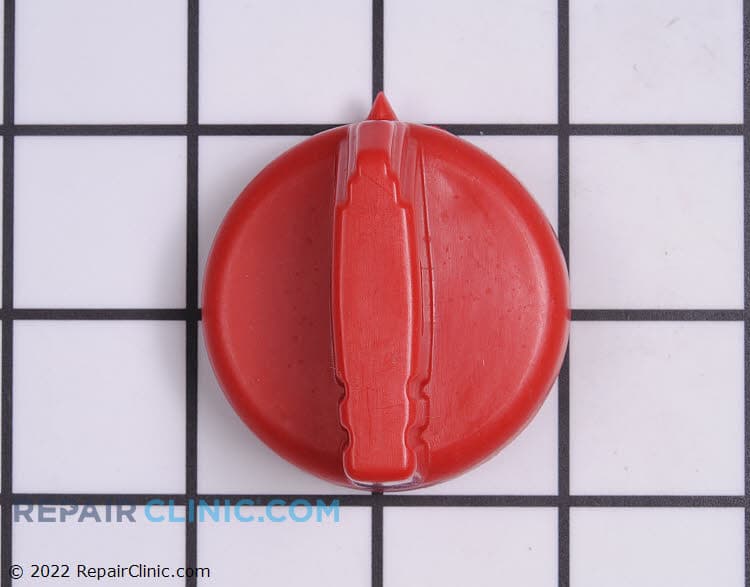
Choke knob


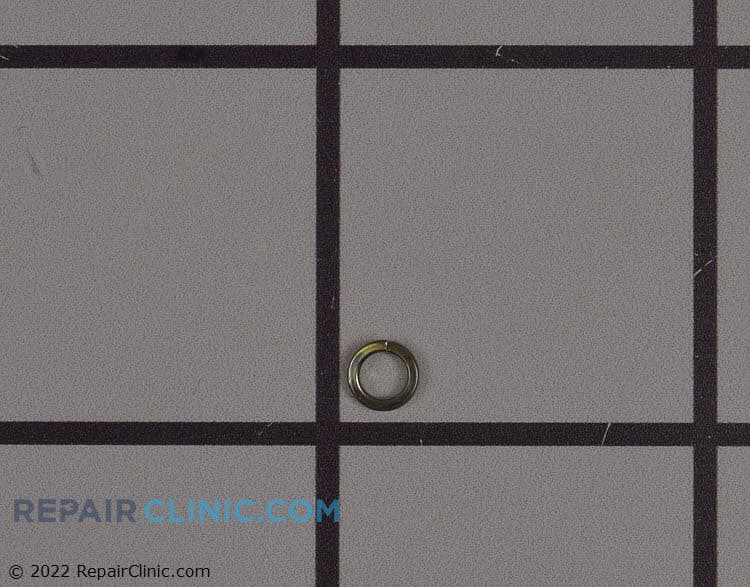
Choke control lever


Troy-Bilt Lawn Mower Choke Lever Replacement Parts
A stuck or broken choke lever is one of the most common reasons your Troy-Bilt won't start or runs rough when cold. The choke controls fuel mixture during startup—when it fails, your mower either floods or starves for fuel. Repair Clinic stocks genuine OEM choke levers designed for exact Troy-Bilt compatibility, so you get the proper fit and function without guesswork.
Paired with other high-failure carburetor parts, replacing your choke lever often solves cold-start headaches. Our parts come with manufacturer backing and fit your specific model year.
- Choke lever stuck or won't move: Corrosion or worn linkage prevents proper operation
- Mower won't start in cool weather: Faulty choke can't enrich the fuel mixture
- Runs rough immediately after starting: Choke not returning to run position
- Fuel leaks near carburetor: Damaged lever may affect gasket seal
- Hard pull on recoil starter: Engine fighting lean condition from broken choke
Find your exact Troy-Bilt model number on the engine block or deck frame—it's the fastest way to help ensure the right Troy-Bilt Lawn Mower Parts for your mower.
Find a Replacement Troy-Bilt Lawn Mower Choke Lever Online by Model or Part Number
Popular Troy-Bilt Lawn Mower Choke Lever Models
Troy-Bilt Lawn Mower Carburetor Choke Lever Replacement: Questions & Troubleshooting
Why won't my Troy-Bilt mower start without pushing the choke in and out?
A worn or stuck choke lever can't hold the enriched fuel position needed for cold starts. The linkage may be corroded, or the lever itself may be cracked. Replacing the choke lever restores reliable startup performance, especially important at the beginning of mowing season.
Where do I find my Troy-Bilt model number for the right choke lever?
Look for a metal or plastic ID tag on the deck frame (usually near the handle) or stamped directly on the engine block. You may also check under the seat or on the fuel tank. Write down the complete model and serial number before ordering—it ensures you receive the exact OEM choke lever that matches your mower's carburetor design.
Can I replace just the choke lever, or do I need a whole carburetor?
Most Troy-Bilt mowers allow you to replace the lever independently. However, if your carburetor is cracked, leaking fuel, or the internal jets are clogged, cleaning or replacement may be necessary. A genuine OEM choke lever is the right first fix for startup issues—if problems persist, a carburetor service kit or full replacement is the next step.
How often should I inspect my choke lever?
Check your choke lever each spring before heavy use and again mid-season. Look for cracks, rust, or stuck movement. Applying a light silicone lubricant to the pivot point and linkage keeps it operating smoothly throughout the season and prevents corrosion over winter storage.


Convenient Online Ordering for Troy-Bilt Lawnmower Choke Lever Replacement
Ensure smooth start-up and efficient operation of your Troy-Bilt lawnmower with genuine OEM choke lever replacement parts from Repair Clinic. Replacing the choke lever is key for maintaining the proper fuel-air mixture in the carburetor, especially during cold starts. Our user-friendly part lookup tool helps you find the right choke lever for your Troy-Bilt model, backed by benefits like same-day shipping and a Price Match Guarantee. If you need installation support, visit our Lawn Mower Repair Help page. Find additional parts by checking out our Lawn Mower Carburetor Parts section for comprehensive repair solutions.
Find the Model Number on Your Troy-Bilt Lawn Mower
Troy-Bilt places the model number on an identification label attached to the deck frame, often near the handle, or on the engine housing. Check both areas and copy the complete model number, including letters, numbers, and hyphens. On some mowers, the tag may be near the blade deck or stamped on the engine block. Enter that number in the model number search to pull up the parts matched to your unit. The model number filters the entire Troy-Bilt lawn mower catalog, not just choke lever or carburetor parts, so you can see the right parts for your specific mower. It is the quickest way to be sure the part fits before you order.

Troy-Bilt Lawn Mower Troubleshooting and Repair Guides
Troy-Bilt Lawn Mower problems usually trace back to a handful of common causes, and Repair Clinic's online resources help you find them fast. Symptom articles, diagnostic videos, and part testing walkthroughs guide you through the checks that isolate the failed part. Once identified, look it up by model number and follow the installation guide to complete the fix.
Related Articles: Lawn Mower Repair

The 5 Ways You Can Stop Your Lawn Mower From Leaking Gas
Repair Clinic has five ways for you to stop your lawn mower from leaking gas. Before we get to those, let's review how the gasoline you pour into the tank powers the mower.

Why Does My Lawn Mower Battery Keep Dying?
Why does your lawn mower battery keep dying? Repair Clinic has done the research and this article will provide some answers, starting with what a battery's purpose is on a gas-powered lawn mower.
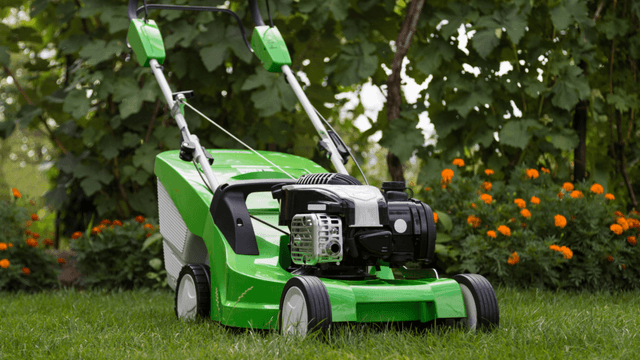
Lawn Mower Maintenance: No Smoking Allowed
What's causing that black smoke to billow out of the engine? There are three likely reasons and they are all related to how a gas-powered lawn mower engine operates.




Family-owned and operated since 1912, Burke America Parts Group is the longest-running genuine appliance, HVAC, and outdoor power equipment parts solution in North America. At Repair Clinic, we're proud to be an international brand trusted by the pros as well as the DIY community.
About Repair Clinic