


 Price Match Guarantee
Troy-Bilt Lawn Mower Steering Parts
Find the right part faster
Multiple models matched. Select your model to confirm fit.





Lawn mower lock ball joint assembly. 7/16" in diameter, 20 threads. If the ball joint is broken, the lawn mower will be difficult to steer.

Steering shaft, 5/8" spline 21.86" shaft

Lawn mower drag link. The drag link connects the steering wheel and shaft assembly to the lawn mower's front tires. If the drag link is broken, the lawn mower may be difficult to steer.
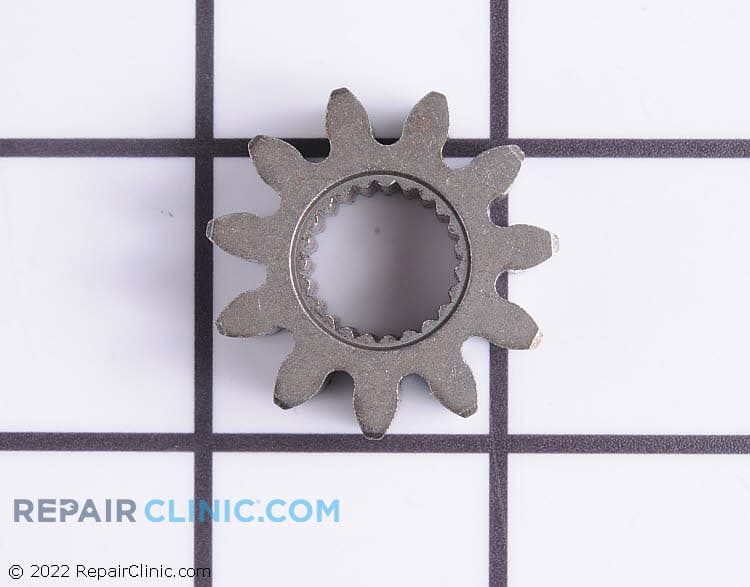
Lawn mower steering pinion gear.
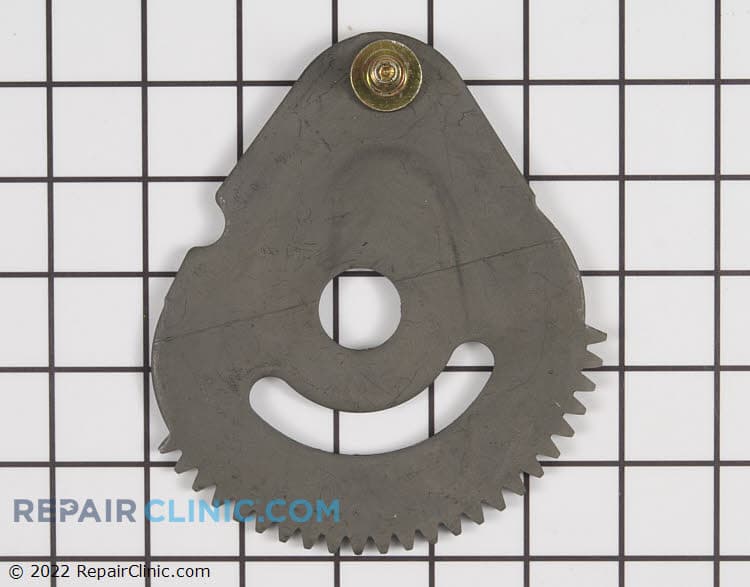
Gear asm:frt:strg:lt5
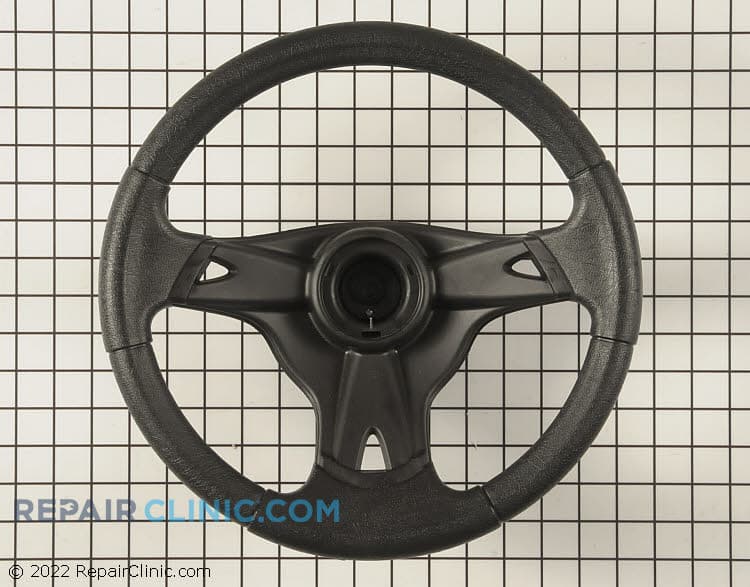
Sterring wheel

Shaft-steering
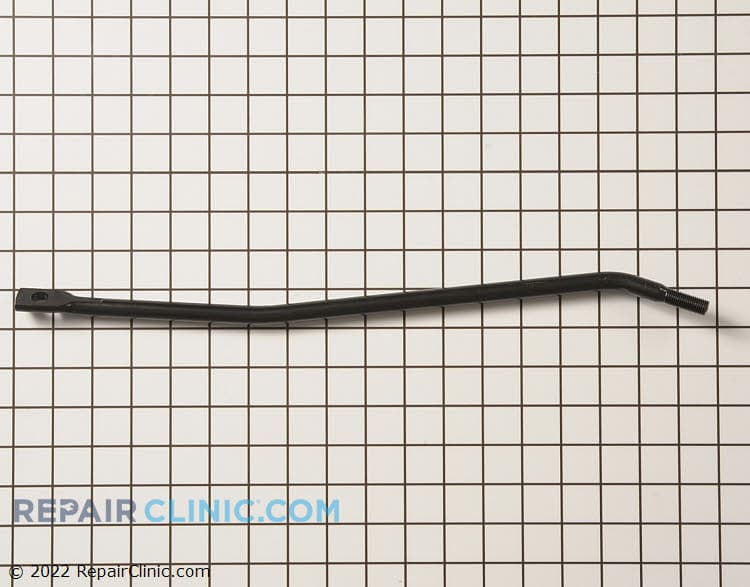
Drag link-steering

Ball Joint 3/8" - 24 thread

Joint assy-ball
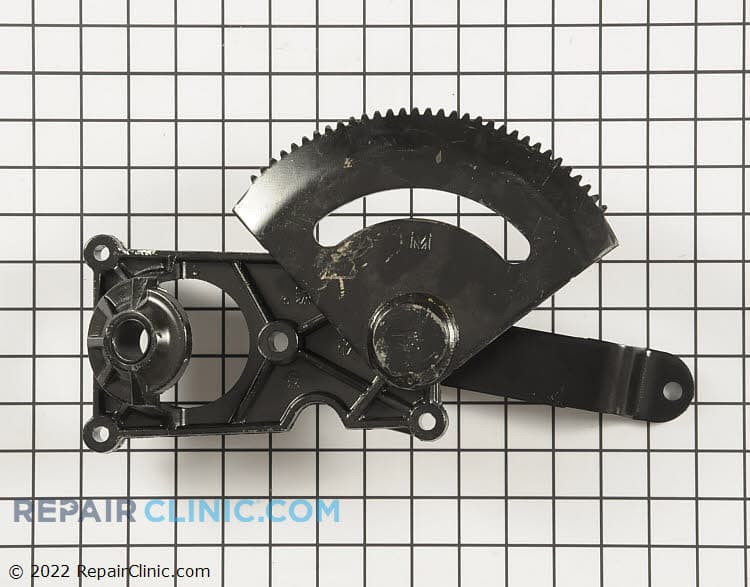
Service kit steering asm
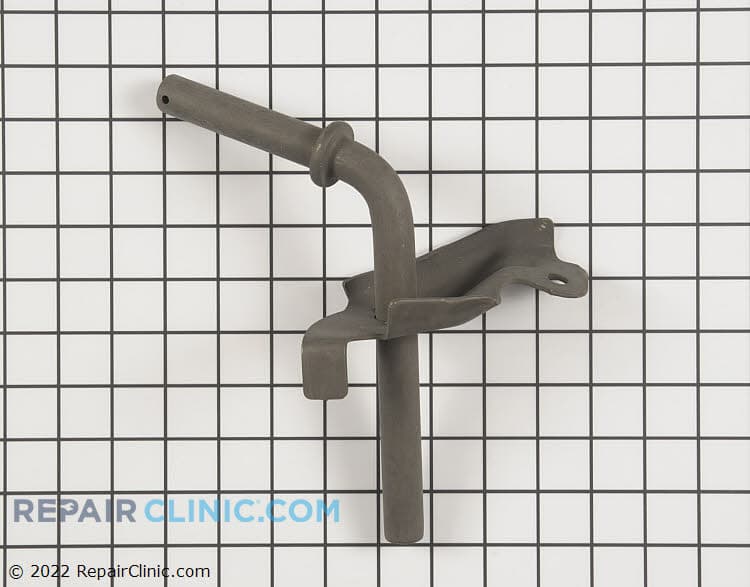
Wheel spindle, right side
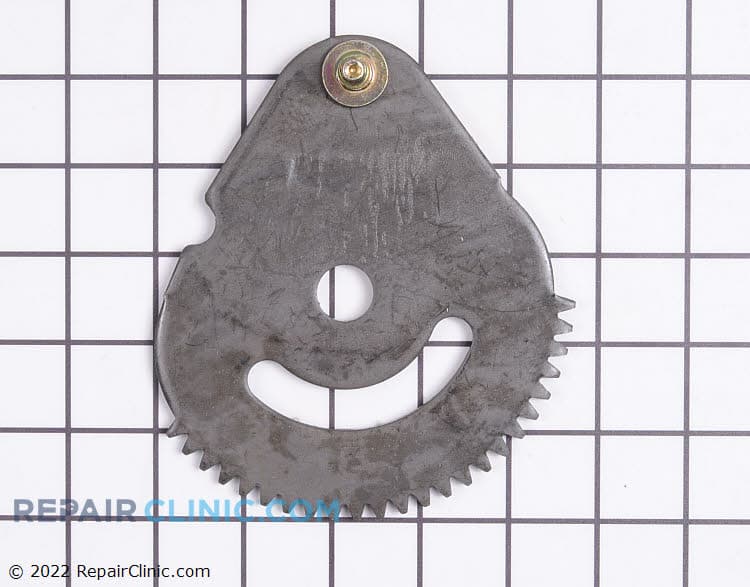
Gear assembly-steering
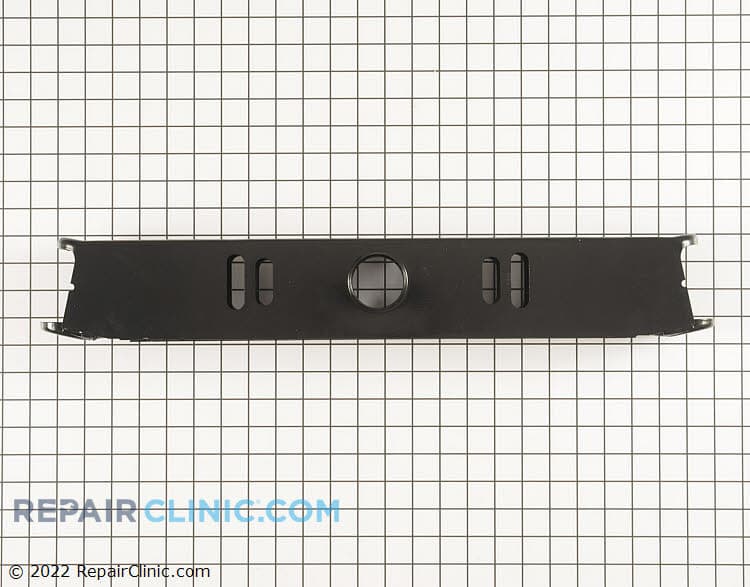
Bar-pivot
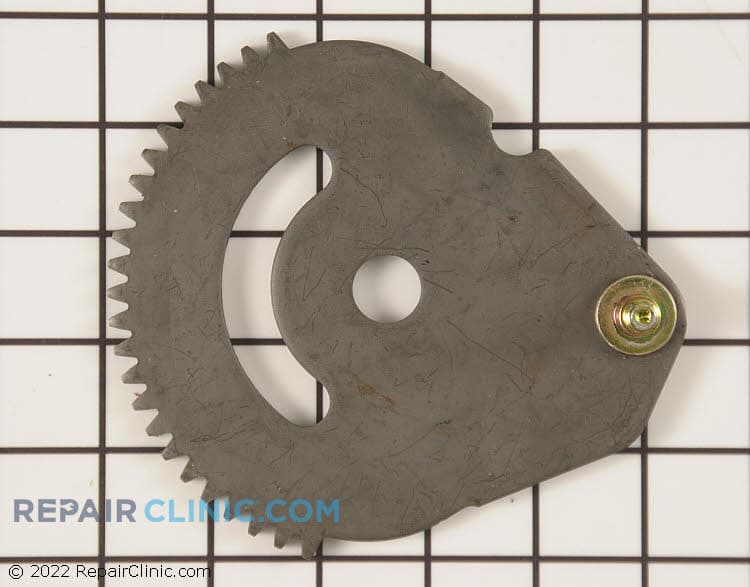
Gear-steering


OEM Troy-Bilt Lawn Mower Steering Parts
Precise steering is critical for straight cutting lines and safe mowing. Troy-Bilt steering parts wear under soil pressure and repeated turning, and genuine OEM parts restore factory steering response. Repair Clinic stocks original tie rods, drag links, and steering shafts engineered to your exact Troy-Bilt model specifications.
Don't settle for generic steering parts that compromise alignment or introduce play in the wheel. Our Troy-Bilt Lawn Mower Parts fit perfectly and maintain your mower's handling for years of reliable service.
- Tie rods — Worn rods cause steering drift and uneven wheel tracking
- Drag links — Bent or loose links create sloppy steering feedback
- Steering shafts — Damaged shafts prevent smooth directional control
- Steering housings — Cracked housings allow part movement and binding
Find Replacement Troy-Bilt Lawn Mower Steering Parts Online by Model or Part Number
Popular Troy-Bilt Lawn Mower Models
Related Troy-Bilt Lawn Mower Steering Parts
- Troy-Bilt Lawn Mower Steering Shaft Assembly Parts
- Troy-Bilt Lawn Mower Tie Rod Parts
- Troy-Bilt Lawn Mower Sector Gear Parts
- Troy-Bilt Lawn Mower Wheel Spindle Parts
- Troy-Bilt Lawn Mower Linkage Parts
- Troy-Bilt Lawn Mower Pinion Gear Parts
- Troy-Bilt Lawn Mower Steering Arm Parts
- Troy-Bilt Lawn Mower Steering Wheel Parts
- Troy-Bilt Lawn Mower Ball Joint Assembly Parts
- Troy-Bilt Lawn Mower Pivot Bar Parts
- Troy-Bilt Lawn Mower Drag Link Ball Joint Parts
- Troy-Bilt Lawn Mower Lever Rod Parts
- Troy-Bilt Lawn Mower Steering Wheel Adapter Parts
Troy-Bilt Lawn Mower Steering Parts: Questions & Troubleshooting
How do I know my Troy-Bilt steering parts need replacement?
If your mower pulls to one side, feels loose when turning, or has visible play in the wheel, steering parts are likely worn. Listen for clicking or grinding during turns—this indicates bearing failure inside steering housings or tie rod ends.
What's the difference between OEM and aftermarket Troy-Bilt steering parts?
OEM parts are manufactured to Troy-Bilt's exact tolerances and materials. Aftermarket steering parts often use softer metals and tighter tolerances that wear faster. Genuine OEM parts preserve steering geometry and reliable performance.
Where do I find my Troy-Bilt model number for steering parts?
Your model number is stamped on the frame near the engine or on the deck underside. Write it down before ordering—it ensures you get steering parts that align with your specific mower's geometry and attachment points.
Can I replace just one tie rod on my Troy-Bilt?
It's best to replace tie rods in pairs. When one rod wears, the other is usually close behind, and mismatched wear causes uneven steering angles that pull the mower off-line.


Order Troy-Bilt Lawn Mower Steering Replacement Online
Keep your Troy-Bilt lawn mower running efficiently by replacing a faulty steering promptly. With same-day shipping on most in-stock items, you'll have your replacement part fast, minimizing downtime. Our model/part number lookup finds the exact OEM part for your unit, and every order is backed by our 365-day return policy and price-match guarantee. If your Troy-Bilt lawn mower steering is failing — showing symptoms like reduced performance, unusual noise, or complete non-operation — replacement is typically the fastest fix. Browse our full library of Troy-Bilt repair resources for troubleshooting guides and installation videos.
Troy-Bilt Lawn Mower Model Number: Where to Look
On Troy-Bilt lawn mowers, look for the model number on a label attached to the frame near the blade deck, under the seat, or on the engine housing. Clean the area if grass or dirt is hiding the label, then copy the complete model number, including letters and dashes. Type it into our model number lookup and the catalog narrows to parts made for your unit. This filters the full Troy-Bilt lawn mower parts selection, not just steering parts, so you can find compatible parts for every repair. It is the quickest way to be sure the part fits before you order.

DIY Repair Resources for Troy-Bilt Lawn Mower
Whether you are new to appliance repair or a seasoned technician, Troy-Bilt Lawn Mower repairs go smoother with the right online resources. Troubleshooting videos, common-symptom articles, part testing guides, and wiring diagrams cover the diagnostic and installation steps. Use the model number lookup to confirm the exact OEM part for your unit, then follow the matching video from start to finish.
Related Articles: Lawn Mower Parts
Why Does My Lawn Mower Start Then Die?
Repair Clinic has five ways for you to stop your lawn mower from leaking gas. Before we get to those, let's review how the gasoline you pour into the tank powers the mower.

The 5 Things You Should Do Before Using Your Lawn Mower
Why does your lawn mower battery keep dying? Repair Clinic has done the research and this article will provide some answers, starting with what a battery's purpose is on a gas-powered lawn mower.

How to Tell If a Lawn Mower Spark Plug is Bad
What's causing that black smoke to billow out of the engine? There are three likely reasons and they are all related to how a gas-powered lawn mower engine operates.




Family-owned and operated since 1912, Burke America Parts Group is the longest-running genuine appliance, HVAC, and outdoor power equipment parts solution in North America. At Repair Clinic, we're proud to be an international brand trusted by the pros as well as the DIY community.
About Repair Clinic