


 Price Match Guarantee
Troy-Bilt Lawn Mower Fuel Line Replacement
Find the right part faster
Multiple models matched. Select your model to confirm fit.




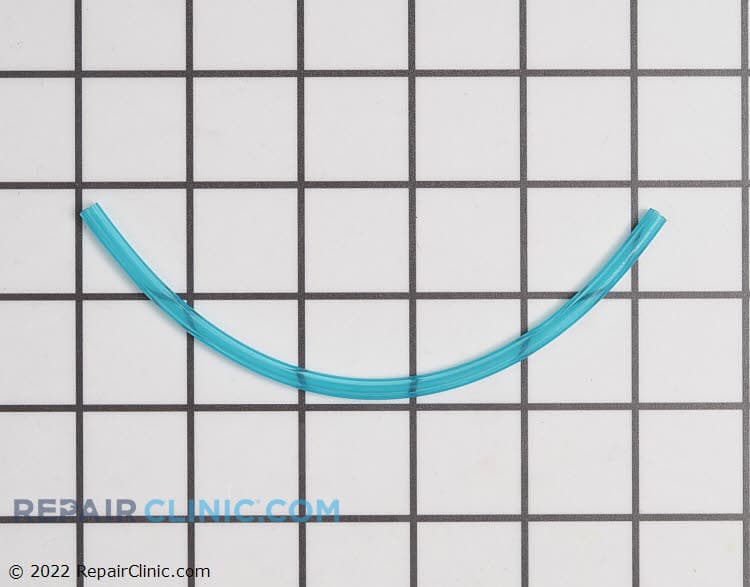
Line fuel return
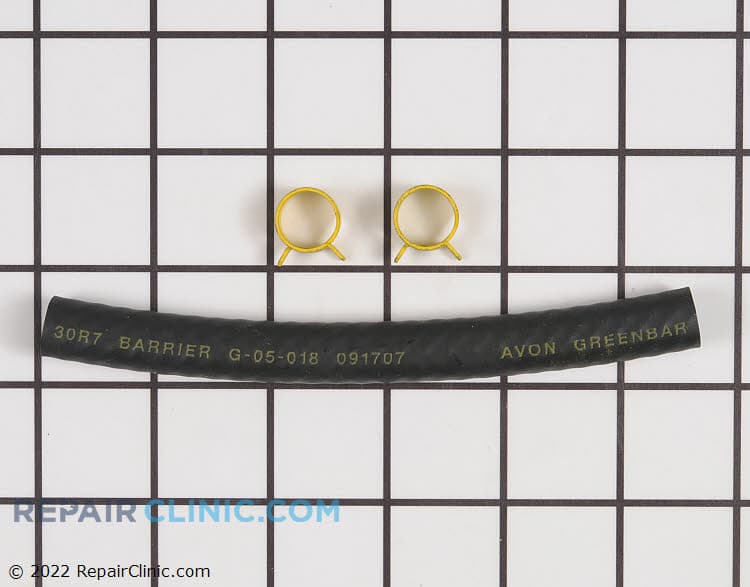
Kit-fuel line
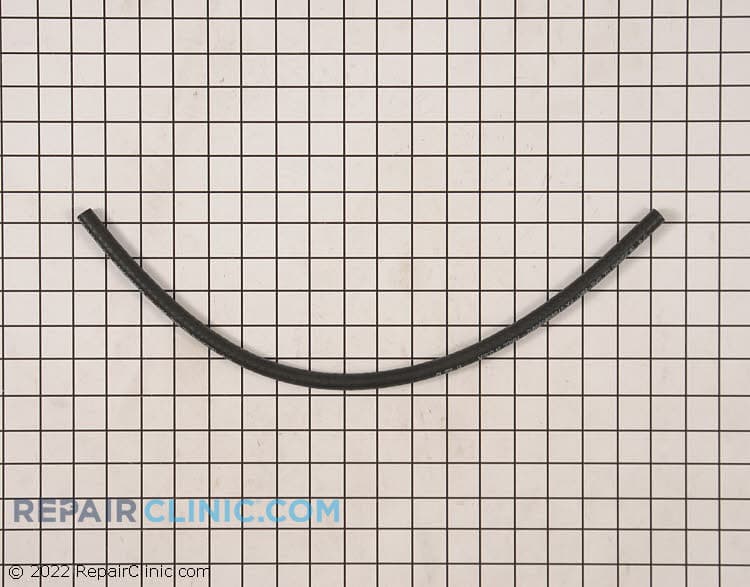
Hose 1/4 low permeation fuel
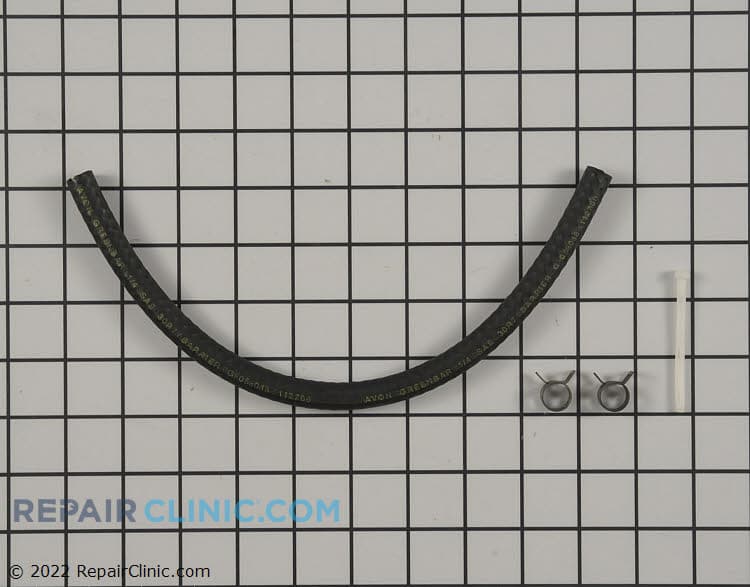
Fuel line kit

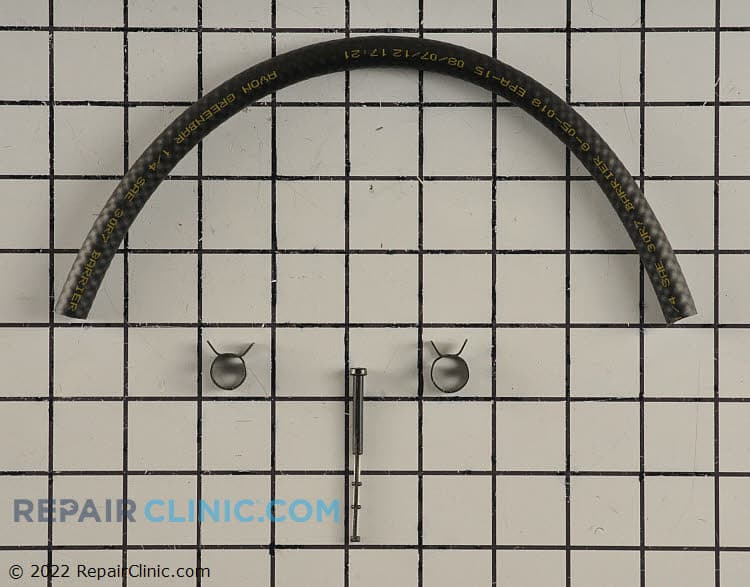
Fuel line kit

Fuel pipe
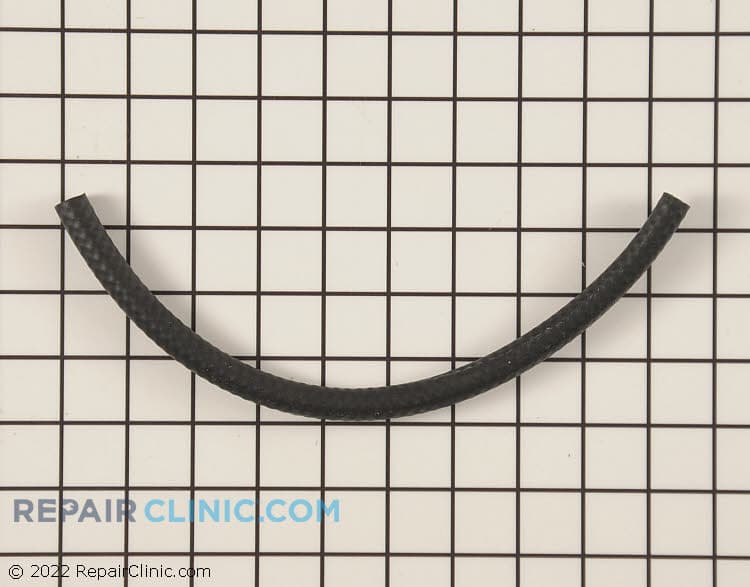
Rubber fuel line
Fuel line kit
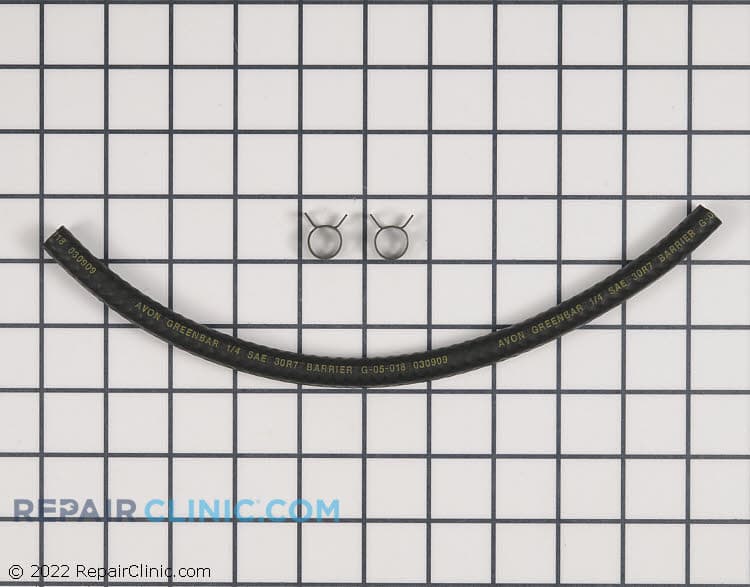
Replacement fuel like kit with clamps. 1/4 Inch inside diameter. Cut to length.
Primer hose
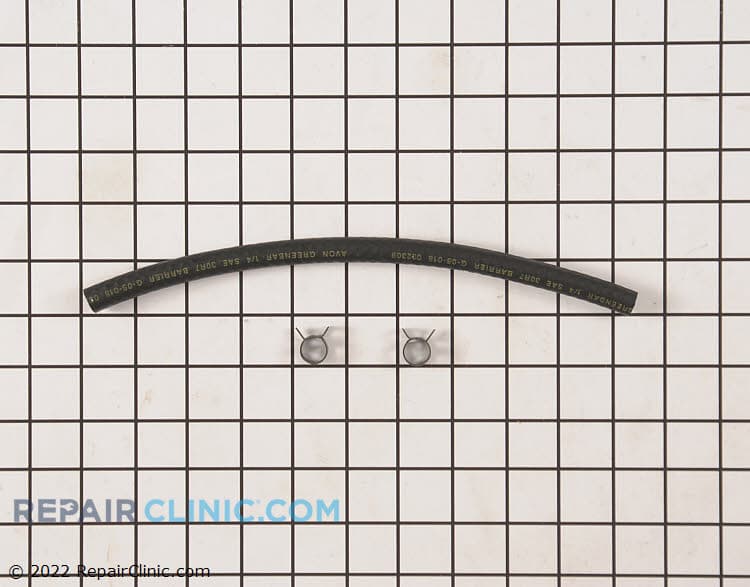
Fuel line kit
Fuel line 46" long
Hose:fuel low perm 4
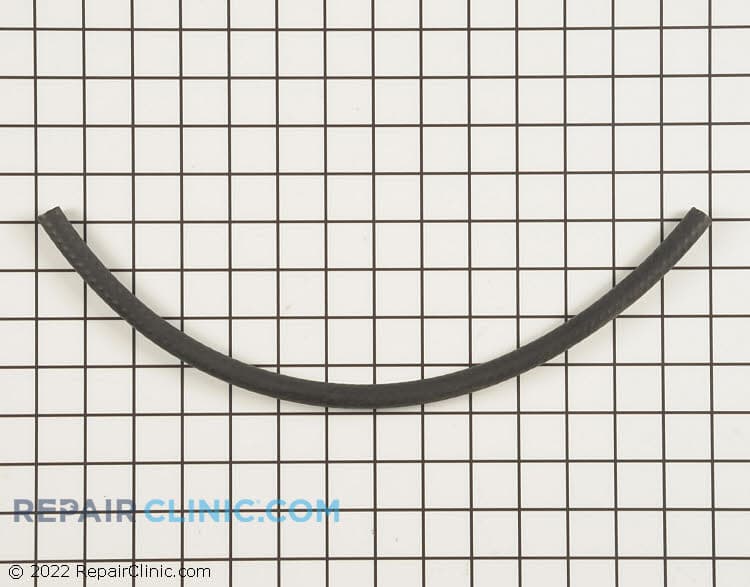
.25 inner diameter .50 outer diameter
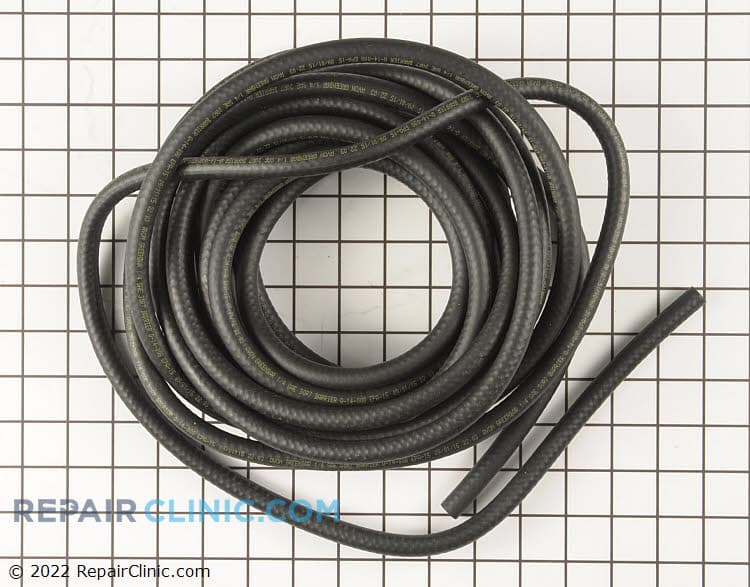
Line-fuel bulk 25 ft, ½" OD ¼" ID


OEM Troy-Bilt Lawn Mower Fuel Line & Hose Parts
Cracked or leaking fuel lines rob your Troy-Bilt mower of performance and create safety hazards. Repair Clinic stocks genuine OEM fuel lines, primer bulbs, fuel filters, and carburetor hose assemblies engineered to exact factory specs—no guesswork, no compatibility issues. A proper fuel line replacement restores reliable starting and steady engine power.
When fuel system parts fail, the entire machine suffers. Our Troy-Bilt Lawn Mower Parts are backed by manufacturer genuineity and fit your exact model.
- Fuel lines cracking or leaking — dry rot, UV exposure, age
- Primer bulbs not priming — weak suction or torn membrane
- Fuel filters clogged — brown debris, slow fuel flow
- Hose fittings loose — vibration causing fuel seepage
- Starting difficulties after storage — stale fuel in degraded lines
Find your Troy-Bilt model number on the deck or frame to confirm the correct fuel line assembly for your mower.
Find a Replacement Troy-Bilt Lawn Mower Fuel Line Online by Model or Part Number
Popular Troy-Bilt Lawn Mower Fuel Line Models
Troy-Bilt Lawn Mower Fuel Line Replacement FAQ
Why does my Troy-Bilt fuel line crack so easily?
Rubber fuel lines degrade from sunlight, ethanol in modern gasoline, and temperature cycles. Over 3–5 years, the material becomes brittle and prone to splitting. OEM Troy-Bilt replacements are formulated to resist ethanol and UV damage longer than aftermarket alternatives.
Can I use a universal fuel line instead of OEM?
Universal hoses may fit the fittings, but they don't help ensure proper flow rates, fuel compatibility, or clamp placement. Troy-Bilt OEM lines are calibrated to your engine's carburetor demands. Mismatched lines can cause lean-running conditions and starting problems.
How do I locate my Troy-Bilt model number for fuel line ordering?
Your model number is stamped on a metal tag bolted to the mower deck or frame, usually under the seat or near the engine. Write down the full model and serial number before ordering fuel line parts to ensure accurate fitment.
What symptoms tell me a fuel line needs replacement?
Look for visible cracks, a gasoline smell near the tank or carburetor, fuel pooling under the mower after sitting, or difficulty starting after the mower has been stored. Even hairline cracks allow air into the fuel system, disrupting carburetor operation.


Order Troy-Bilt Lawn Mower Fuel Line Replacement Parts Online
Ensure your Troy-Bilt lawn mower runs efficiently with genuine fuel line replacement parts from Repair Clinic. Replacing the fuel line is key to prevent leaks and ensure proper fuel delivery to the engine, improving performance and safety. Use our model number lookup to find the exact fuel line part for your Troy-Bilt mower. Enjoy same-day shipping, No-Hassle 365-Day Returns, and a Price Match Guarantee for a reliable shopping experience. For installation guidance, visit our Lawn Mower Repair Help page. Find additional Lawn Mower Gasket and Seal Parts to ensure your mower is in top condition.
Find the Model Number on Your Troy-Bilt Lawn Mower
On Troy-Bilt lawn mowers, look for the model number on a label attached to the deck or frame, often under the seat or near the engine. Check the full label carefully and record every letter, number, and hyphen, since a similar series number can lead to a mismatch. Enter that information in the model number search on Repair Clinic to narrow the entire catalog to parts made for your Troy-Bilt mower. That model applies across the unit's associated parts, so you can select the right replacement with less back-and-forth. This is the quickest way to be sure the part fits before you order.

Troy-Bilt Lawn Mower Repair Videos and Written Guides
Solid diagnostic work is what makes a Troy-Bilt Lawn Mower repair go quickly, and Repair Clinic's online library was built for exactly that. Symptom articles, part testing videos, wiring diagrams, and step-by-step written guides give owners and technicians the reference material to isolate the failed part. Look up your model number to match the right OEM part, then follow the installation video.
Related Articles: Lawn Mower Repair

The 5 Ways You Can Stop Your Lawn Mower From Leaking Gas
Repair Clinic has five ways for you to stop your lawn mower from leaking gas. Before we get to those, let's review how the gasoline you pour into the tank powers the mower.
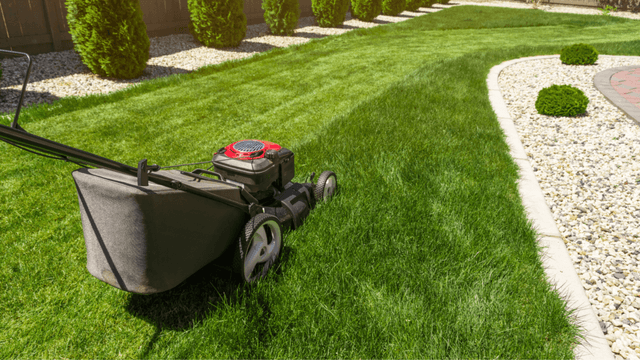
Why Does My Lawn Mower Battery Keep Dying?
Why does your lawn mower battery keep dying? Repair Clinic has done the research and this article will provide some answers, starting with what a battery's purpose is on a gas-powered lawn mower.
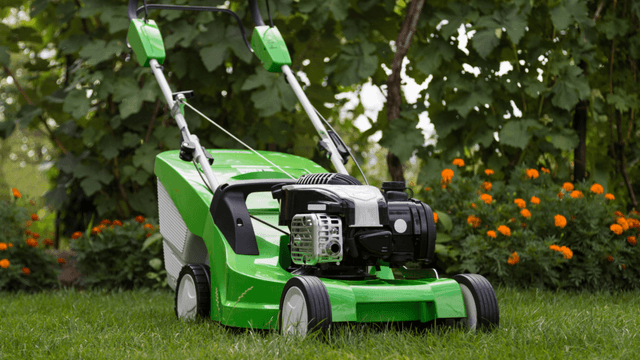
Lawn Mower Maintenance: No Smoking Allowed
What's causing that black smoke to billow out of the engine? There are three likely reasons and they are all related to how a gas-powered lawn mower engine operates.




Family-owned and operated since 1912, Burke America Parts Group is the longest-running genuine appliance, HVAC, and outdoor power equipment parts solution in North America. At Repair Clinic, we're proud to be an international brand trusted by the pros as well as the DIY community.
About Repair Clinic