


 Price Match Guarantee
Troy-Bilt Lawn Mower Brake Pad Replacement
Find the right part faster
Multiple models matched. Select your model to confirm fit.




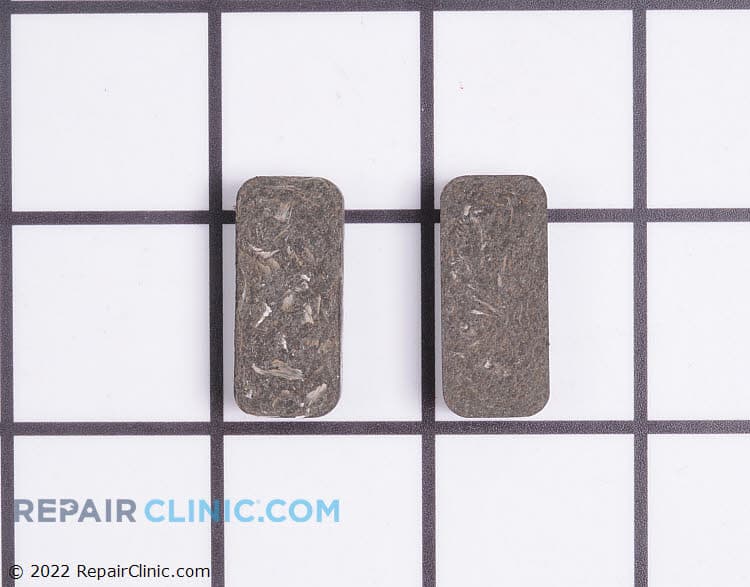
Brake Pads
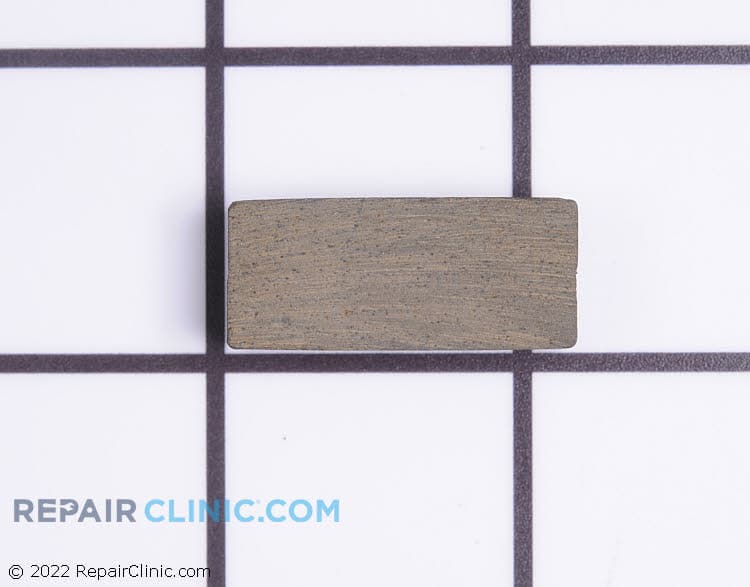
Puck-brake
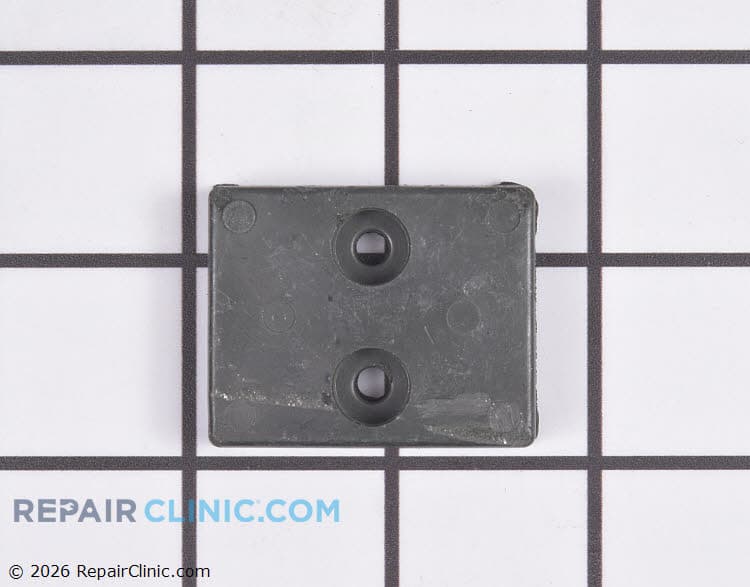
Pad-deck brake
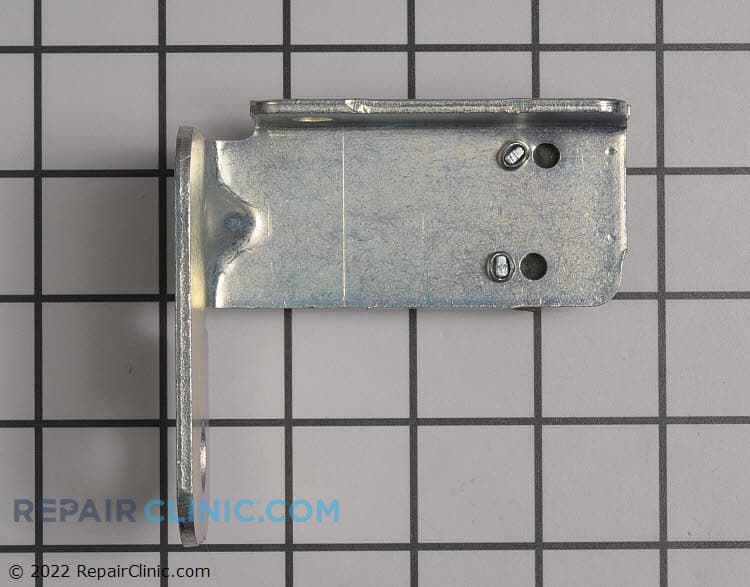
Brake pad & bracket

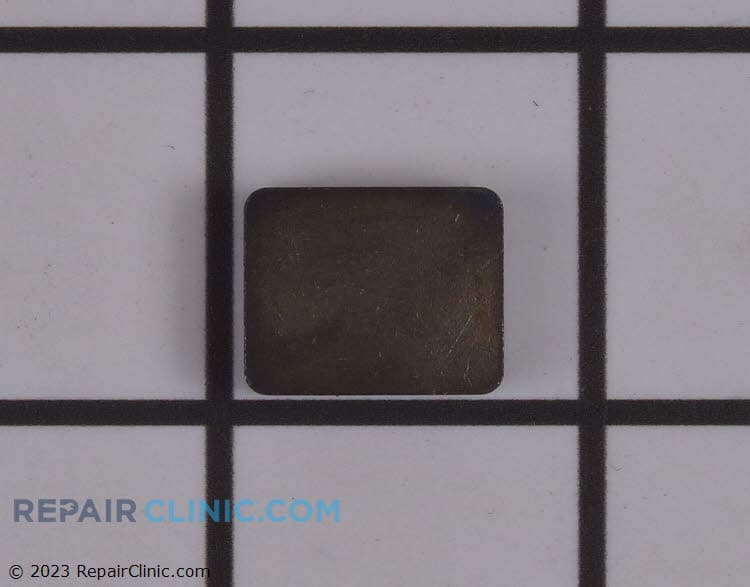
Shoe-brake
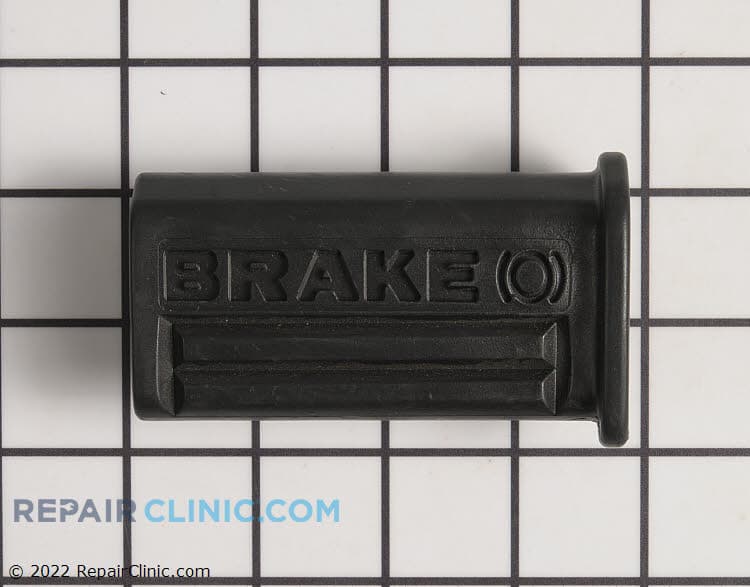
Brake pad


Genuine Troy-Bilt Lawn Mower Brake Pad & Clutch Parts
Soft or worn brake pads undermine your mower's stopping power and safety—especially on slopes or near obstacles. Repair Clinic delivers OEM Troy-Bilt brake pads, brake assemblies, and PTO clutch parts engineered for reliable engagement and smooth disengagement. Stop confident, knowing your brakes are factory-spec.
Transmission and brake systems are critical to mower control. Our Troy-Bilt Lawn Mower Parts restore the responsive stopping feel your mower had from the factory.
- Brake pedal feels spongy or soft — worn pads or low brake fluid
- Mower won't stop quickly enough — pad material worn thin
- Clutch slips during cutting — PTO engagement inconsistent
- Grinding noise when braking — metal-on-metal contact, pad nearly gone
- Blade engagement delayed or incomplete — worn clutch friction surfaces
Match your Troy-Bilt's model number to the correct brake pad assembly—improper pads compromise safety and void model-specific fit and performance.
Find a Replacement Troy-Bilt Lawn Mower Brake Pad Online by Model or Part Number
Popular Troy-Bilt Lawn Mower Brake Pad Models
Troy-Bilt Lawn Mower Brake & Clutch FAQ
What's the difference between brake pads and a PTO clutch on my Troy-Bilt?
Brake pads slow or stop the mower wheels. The PTO (Power Take-Off) clutch engages and disengages the blade. Both wear over time; brake pads respond to pedal pressure, while the PTO clutch is activated by a lever or switch. Troy-Bilt uses different friction materials for each, so ordering the correct part is essential.
How often should I replace Troy-Bilt brake pads?
Brake pads typically last 2–4 seasons depending on terrain and mowing frequency. If you feel reduced braking response, hear grinding, or the pedal travels farther than normal, order OEM Troy-Bilt pads immediately. Regular maintenance extends transmission life and keeps stopping distances predictable.
Why is my Troy-Bilt blade not engaging smoothly?
Stiff or jerky blade engagement usually signals a worn PTO clutch facing or corroded clutch linkage. OEM Troy-Bilt clutch parts restore smooth, immediate blade response. Worn clutches can also slip under load, reducing cutting effectiveness.
Can I adjust the brake instead of replacing pads?
Simple adjustments extend pad life only if material remains. Once pads are visibly worn or thinner than 1/8 inch, replacement is necessary. Adjustment alone won't restore stopping power or safety—genuine Troy-Bilt pads are the reliable fix.


Order Troy-Bilt Lawn Mower Brake Pad Replacement Parts Online
Maintain top performance of your Troy-Bilt lawn mower with genuine OEM brake pad replacement parts from Repair Clinic. Replacing lawn mower brake pads is key for ensuring reliable stopping power, promoting safe operation during mowing tasks. Easily find the exact brake pad part for your model using our convenient part lookup tool. Enjoy the benefits of same-day shipping, our No-Hassle 365-Day Returns policy, and a Price Match Guarantee for a reliable shopping experience. For guidance on replacing brake pads, visit our Lawn Mower Repair Help page. You can also browse other Troy-Bilt Lawn Mower Parts for additional maintenance needs.
Troy-Bilt Lawn Mower Model Number: Where to Look
On Troy-Bilt lawn mowers, check the frame near the blade deck first. Riding mower owners should also look under the seat or on the frame below the steering column, while walk-behind mower labels may appear on the engine housing. The model number is printed on a sticker or metal plate and may appear near other product information, so copy it exactly, including letters, numbers, and hyphens. Punch it into the search bar to sort the catalog down to your model's parts. This filters the full Troy-Bilt lawn mower parts selection, not just brake parts, so you can match parts throughout the unit. That means fewer wrong orders and a faster repair.

Everything You Need to Repair Your Troy-Bilt Lawn Mower
From symptom-based troubleshooting articles to step-by-step video walkthroughs, Repair Clinic's online repair library has the guidance Troy-Bilt Lawn Mower owners and technicians need. Part testing videos help verify a component before you swap it, wiring diagrams give the electrical reference, and written repair guides cover each step of the installation. Use the model number lookup to find the exact OEM part.
Related Articles: Lawn Mower Repair

The 5 Ways You Can Stop Your Lawn Mower From Leaking Gas
Repair Clinic has five ways for you to stop your lawn mower from leaking gas. Before we get to those, let's review how the gasoline you pour into the tank powers the mower.
Why Does My Lawn Mower Battery Keep Dying?
Why does your lawn mower battery keep dying? Repair Clinic has done the research and this article will provide some answers, starting with what a battery's purpose is on a gas-powered lawn mower.
Lawn Mower Maintenance: No Smoking Allowed
What's causing that black smoke to billow out of the engine? There are three likely reasons and they are all related to how a gas-powered lawn mower engine operates.




Family-owned and operated since 1912, Burke America Parts Group is the longest-running genuine appliance, HVAC, and outdoor power equipment parts solution in North America. At Repair Clinic, we're proud to be an international brand trusted by the pros as well as the DIY community.
About Repair Clinic