


 Price Match Guarantee
Yard Machines Lawn Mower Air Filter Housing Replacement
Find the right part faster
Multiple models matched. Select your model to confirm fit.



Air cleaner housing


Air cleaner housing

Collar

Air cleaner housing asm complete

Air filter heating pipe base

Air cleaner hsg asm
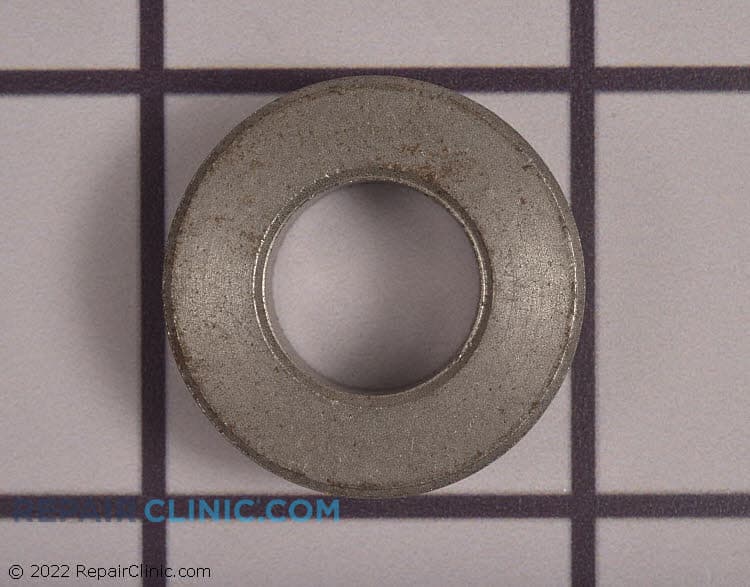
Collar


Yard Machines Lawn Mower Air Filter Housing Replacement Parts
A clogged or cracked air filter housing starves your Yard Machines engine of clean air, causing rough running, hard starts, and weak power. Genuine OEM housing keeps debris out and maintains the seal your engine needs to run clean and strong all season.
Browse our full selection of Yard Machines lawn mower parts and find the exact air filter housing assembly for your model.
- Air Filter Housing Cracks or Warping — Allows unfiltered air into the carburetor, causing rough idle and stalling
- Loose or Missing Fasteners — Housing seal fails, dirt bypasses the filter element
- Corroded Mounting Brackets — Housing won't seat properly, air leaks around the filter
- Damaged Filter Cartridge Seat — Filter won't seal tight, reducing engine efficiency
Find your model number on the engine block or under the deck, then select your exact replacement housing above.
Find a Replacement Yard Machines Lawn Mower Air Filter Housing Online by Model or Part Number
Popular Yard Machines Lawn Mower Air Filter Housing Models
Yard Machines Lawn Mower Air Filter Housing: Answers to Your Questions
Why does my Yard Machines mower run rough after I clean the air filter?
If cleaning didn't help, the housing itself may be cracked or warped, allowing unfiltered air past the filter element. Even a small housing leak creates an air leak that throws off the fuel mixture and causes rough idle, surging, or stalling. A damaged housing can't be repaired—replacement is the fix.
How do I know if my air filter housing is the problem and not just the filter?
Remove the filter and inspect the housing interior under bright light for cracks, warping, or deterioration around the filter seat. Check that mounting fasteners are tight and that the gasket or seal between housing and carburetor isn't compressed or missing. If the housing is visibly damaged or doesn't seat flush, replacement is necessary.
What's the difference between OEM and aftermarket air filter housings for Yard Machines?
Genuine OEM housings are engineered to exact tolerances for your specific Yard Machines model, ensuring a proper seal and maintaining model-specific fit and performance. Aftermarket housings may fit loosely, allowing air leaks that degrade performance. Repair Clinic stocks only genuine OEM parts so you get the durability and fit Yard Machines designed.
Can I use a Yard Machines air filter housing on another MTD-brand mower like Murray or Yard-Man?
Not always—even though Yard Machines, Murray, Yard-Man, and Cub Cadet share the MTD platform, housing designs vary by engine type and model year. Always verify your exact model number before ordering to avoid mismatches that won't seal properly.
Order Yard Machines Lawn Mower Air Filter Housing Replacement Online
Ensure reliable operation for your Yard Machines Lawn Mower with genuine OEM air filter housing replacement parts from Repair Clinic. Replacing the air filter housing is key for protecting the engine from dust and debris, ensuring efficient operation. Use our model number lookup to find the exact air filter housing part compatible with your Lawn Mower. Benefit from same-day shipping, No-Hassle 365-Day Returns, and our Price Match Guarantee for a smooth shopping experience. For installation guidance, visit our Lawn Mower Repair Help page or browse other Yard Machines Lawn Mower Parts for more solutions.
Yard Machines Lawn Mower Model Number: Where to Look
On most Yard Machines lawn mowers, the model number appears on a label or metal plate on the engine housing, near the blade deck, or under the deck. Check these areas after removing grass and debris so the entire number is easy to read, including letters, dashes, and numbers. Then enter it in the search bar to narrow the catalog to parts made for your specific mower. The model number applies to the whole unit, so it helps match the correct replacement parts across every category, not just the air filter housing. Use the complete number rather than a partial series or engine number. That means fewer wrong orders and a faster repair.

Diagnose and Repair Your Yard Machines Lawn Mower Online
Repair Clinic's online resources are built to help you get your Yard Machines Lawn Mower back in service without unnecessary trial and error. Start with the diagnostic article for your symptom, watch a repair video that shows the parts and tools involved, then follow the step-by-step written guide as you work. Part testing walkthroughs confirm the failed component, and the model number lookup confirms the exact OEM part before you order.
Related Articles: Lawn Mower Repair

The 5 Ways You Can Stop Your Lawn Mower From Leaking Gas
Repair Clinic has five ways for you to stop your lawn mower from leaking gas. Before we get to those, let's review how the gasoline you pour into the tank powers the mower.
Why Does My Lawn Mower Battery Keep Dying?
Why does your lawn mower battery keep dying? Repair Clinic has done the research and this article will provide some answers, starting with what a battery's purpose is on a gas-powered lawn mower.
Lawn Mower Maintenance: No Smoking Allowed
What's causing that black smoke to billow out of the engine? There are three likely reasons and they are all related to how a gas-powered lawn mower engine operates.




Family-owned and operated since 1912, Burke America Parts Group is the longest-running genuine appliance, HVAC, and outdoor power equipment parts solution in North America. At Repair Clinic, we're proud to be an international brand trusted by the pros as well as the DIY community.
About Repair Clinic