


 Price Match Guarantee
Murray Lawn Mower Tire & Rim Parts
Find the right part faster
Multiple models matched. Select your model to confirm fit.




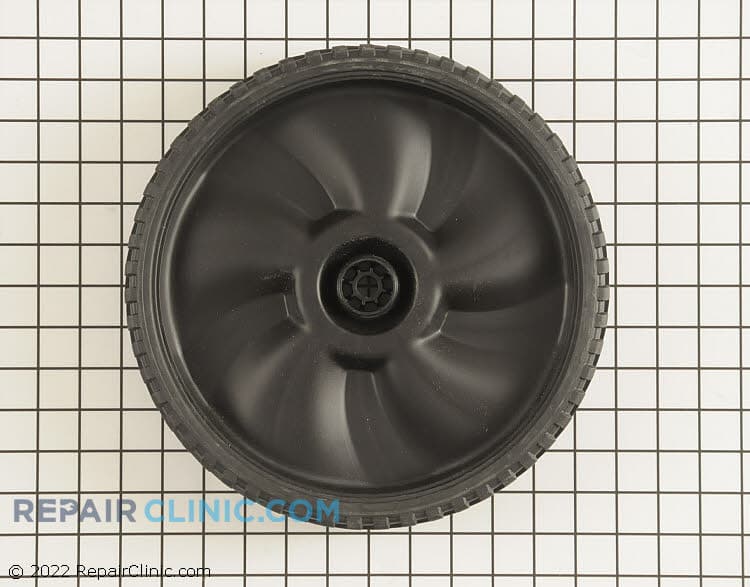
Rear Wheel Assembly
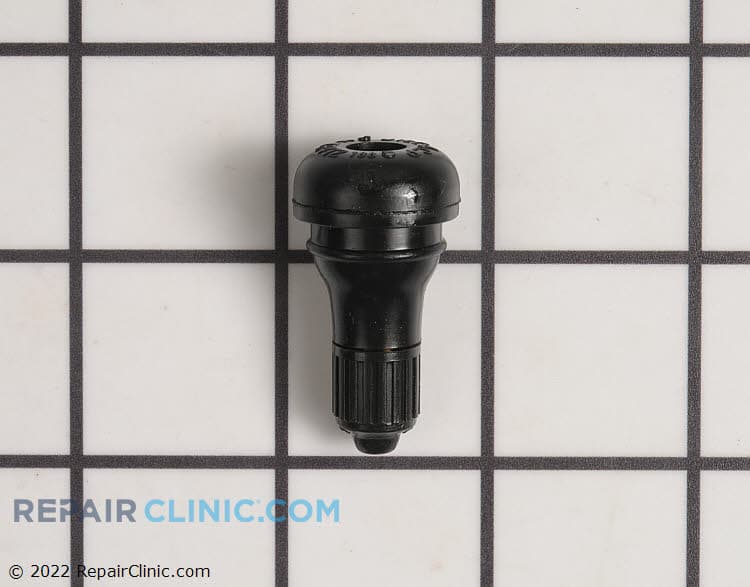
Valve stem, tubles rim
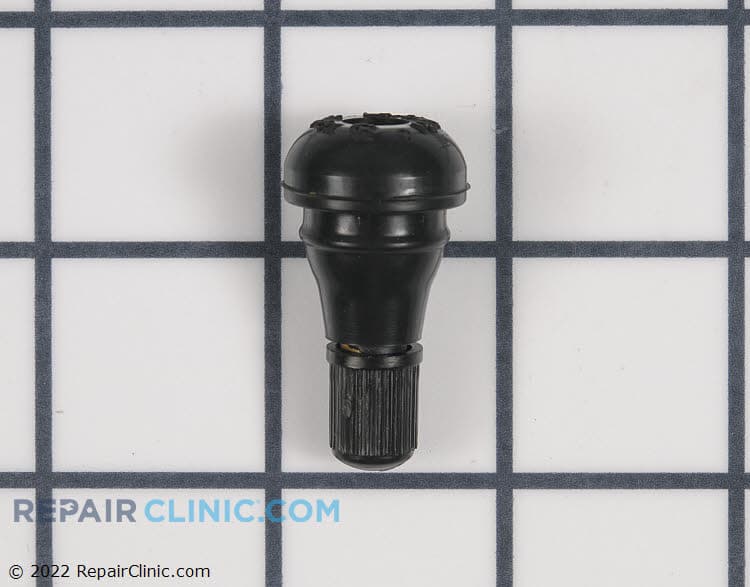
Valve stem for tire rim
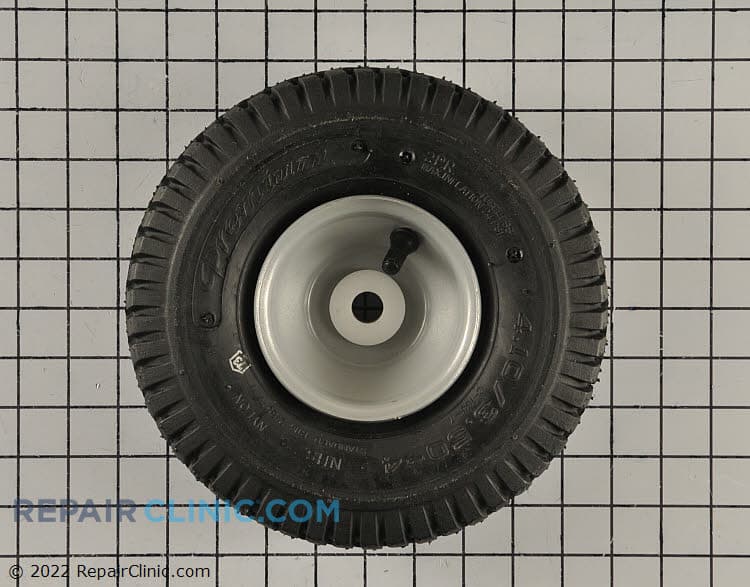
Wheel assy - front
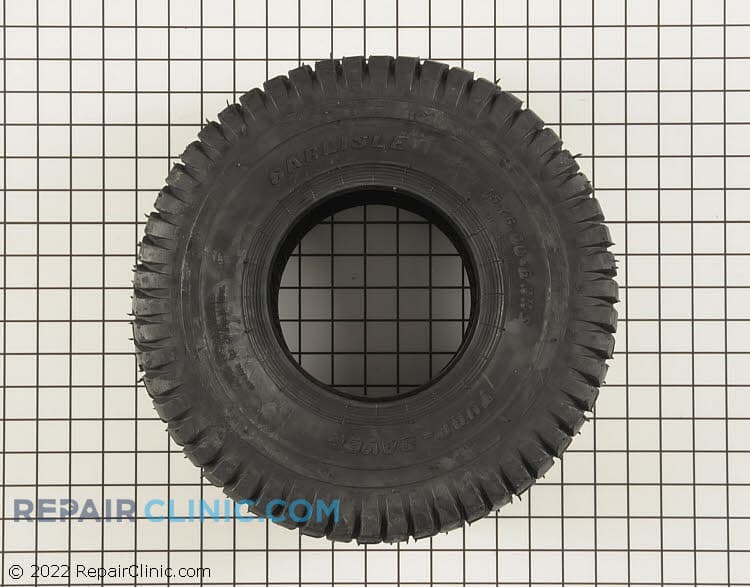
Front Tire, 15 X 6 X 6
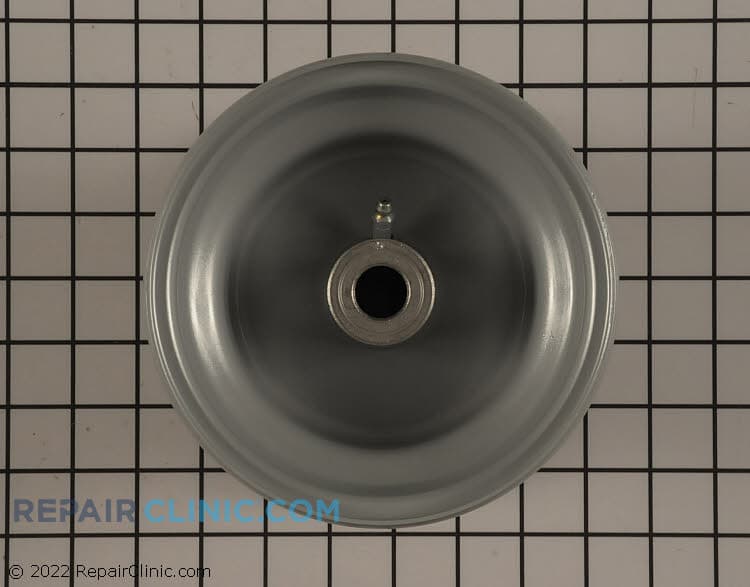
Front rim with grease fitting
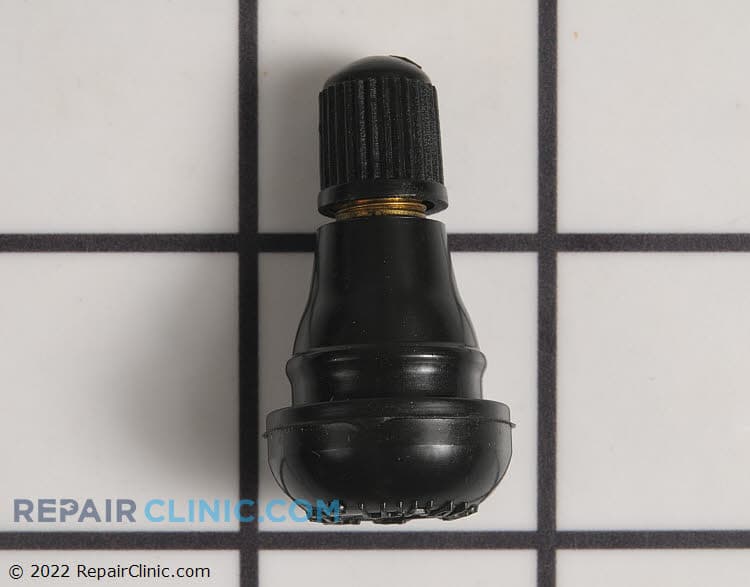
Valve stem
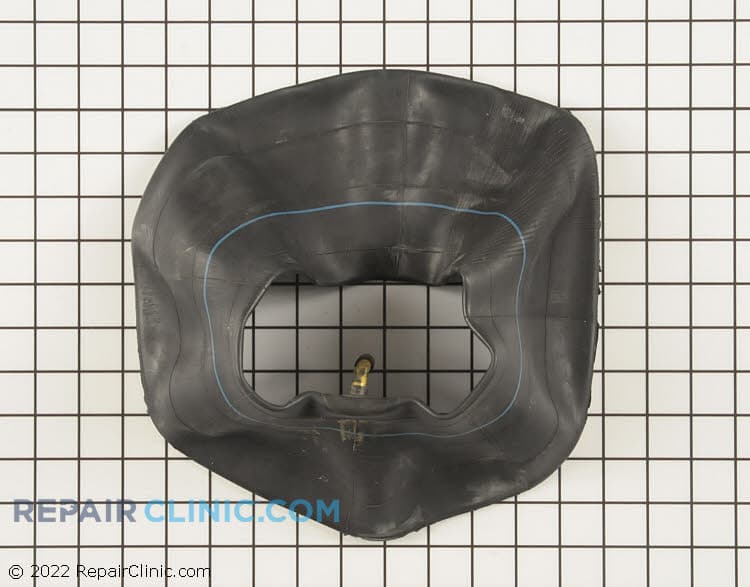
Tire tube 13X5.00-6


Wheel asm-caster

Tire assembly
Tire
Tire
Tire
Tire, rear, 20 x 8-8
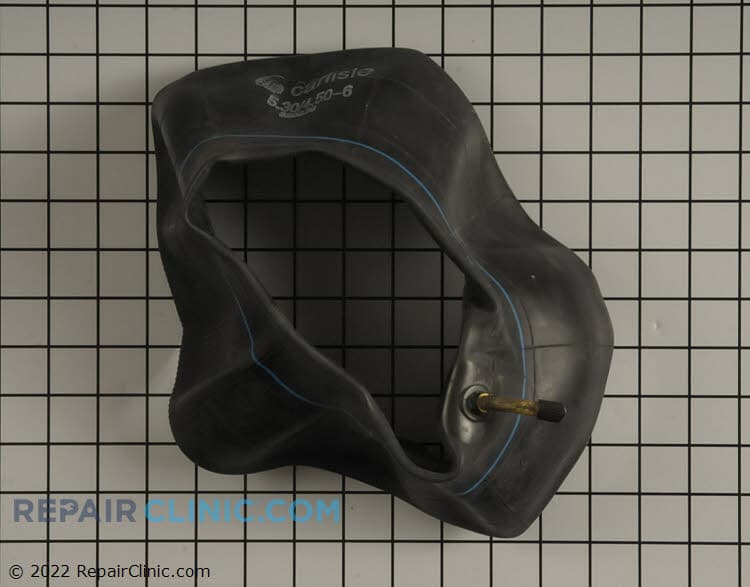
Tube front


OEM Murray Lawn Mower Tire & Rim Replacement Parts
Worn or damaged tires rob your Murray lawn mower of traction, stability, and cutting precision. Repair Clinic stocks genuine OEM tires and rims built to Murray's exact specifications—supporting proper fitment, load rating, and safe handling on your lawn. A flat tire or slow leak can force uneven weight distribution across your mower, causing uneven cutting patterns and stress on the steering and frame.
Whether you need front tires for steering control or rear tires for drive grip, we have the right sizes and tread patterns for your model. Browse our complete inventory of Murray tire and rim parts and get your mower rolling smoothly again. OEM tires maintain Murray's recommended ground pressure and handling characteristics for optimal cutting performance.
- Front Tires: Poor steering response, flat spots or cracks, uneven wear patterns
- Rear Tires: Loss of traction, visible tread wear, slow leaks or bulges
- Tire Rims: Bent or dented rims, tire won't seal, persistent flat tires
- Tire Repair Kits & Patches: Slow leaks, puncture holes, valve stem issues
Check your model number on the frame—we'll match you with the exact tire size and rim configuration your Murray requires.
Find Replacement Murray Lawn Mower Tire & Rim Parts Online by Model or Part Number
Popular Murray Lawn Mower Models
FAQs About Murray Lawn Mower Tire & Rim Parts
How do I replace a tire on my Murray lawn mower?
First, ensure the mower is on stable, level ground and the engine is off. Use a jack to lift the wheel off the ground, then remove the lug nuts and slide the rim off the axle. Deflate the old tire using a tire machine or manual tool, break the bead, and pry the old tire away from the rim. Mount the new tire onto the rim, inflate to the proper PSI (printed on the tire sidewall), reinstall the rim, hand-tighten lug nuts, lower the mower, and torque lug nuts in a star pattern to ensure even seating.
What tire pressure should I use in my Murray mower?
The correct PSI is molded into the sidewall of your tire—typically 12-18 PSI for lawn mower tires, though rear tires often run lower than front tires for better traction. Check your operator's manual for the exact recommendation for your model. Under-inflation causes uneven wear and poor handling; over-inflation makes the ride harsh and can lead to premature tire failure. Check pressure monthly and before major mowing sessions.
Can I repair a punctured tire or do I need a new one?
Small punctures (less than 1/4 inch) can be patched using a tire plug kit, but larger holes, sidewall damage, or valve stem leaks typically require tire replacement. Patches are temporary fixes—for lawn mowers that see regular use, a new tire is safer and more cost-effective than repeated repairs. Rims can also fail, especially if hit or bent; a cracked rim won't hold air properly and must be replaced.
Why does my Murray mower tire keep going flat?
Slow leaks usually come from a puncture, a damaged valve stem, or a bent rim that won't seat the tire bead properly. Remove the rim and submerge it in soapy water to spot air bubbles indicating the leak location. If the rim is bent, replacement is necessary. If the tire has a slow puncture, either repair it with a plug kit or replace the tire if the hole is large or the tire is already worn.


Order Murray Lawn Mower Tire & Rim Replacement Parts Online
Ensure your Murray Lawn Mower operates smoothly with genuine OEM tire and rim replacement parts from Repair Clinic. Tires and rims are important for maintaining stability and traction, improving your mower's performance on various terrains. Quickly find the exact tire or rim part using our model number lookup, and benefit from our same-day shipping and Price Match Guarantee. Need help with installation? Visit our Lawn Mower Repair Help page for expert guidance or browse other Murray Lawn Mower Parts to complete your repair needs.
Murray Lawn Mower Model Number: Where to Look
Murray prints the model number on a label or metal plate on many lawn mowers, commonly on the rear of the mower deck or beneath the seat. Check both spots, and clean away grass or dirt if the label is hard to read. The model number identifies your complete mower, not just its tires, rims, or another individual part. Enter it in the search bar to filter the full catalog to parts that fit your specific Murray model. Matching by model helps account for differences in wheel size, rim configuration, and other equipment details, so you can order with confidence knowing the fit is right.

Get Your Murray Lawn Mower Working Again with Online Repair Help
Repair Clinic's online repair resources give you a clear path to fix your Murray Lawn Mower without a service call. Symptom articles help identify the likely cause, part testing videos confirm the failed component, and step-by-step repair guides walk you through the installation with photos and video. Look up your model number to match the correct OEM part on the first try.
Related Articles: Lawn Mower Repair

The 5 Ways You Can Stop Your Lawn Mower From Leaking Gas
Repair Clinic has five ways for you to stop your lawn mower from leaking gas. Before we get to those, let's review how the gasoline you pour into the tank powers the mower.
Why Does My Lawn Mower Battery Keep Dying?
Why does your lawn mower battery keep dying? Repair Clinic has done the research and this article will provide some answers, starting with what a battery's purpose is on a gas-powered lawn mower.
Lawn Mower Maintenance: No Smoking Allowed
What's causing that black smoke to billow out of the engine? There are three likely reasons and they are all related to how a gas-powered lawn mower engine operates.




Family-owned and operated since 1912, Burke America Parts Group is the longest-running genuine appliance, HVAC, and outdoor power equipment parts solution in North America. At Repair Clinic, we're proud to be an international brand trusted by the pros as well as the DIY community.
About Repair Clinic